Blackheads can feel like a stubborn, never-ending battle, but the good news is that with the right approach, you can see real improvement from home. They’re not caused by dirt, so scrubbing harder won’t help; it’s about gently unclogging pores and preventing future blockages. This article walks you through the most effective at-home methods, common mistakes to avoid, and how to build a routine that actually works for clearer skin.
Key Takeaways
- Use salicylic acid (BHA) daily to dissolve clogs inside pores.
- Exfoliate gently with AHAs or BHAs 2-3 times weekly.
- Never pick or squeeze blackheads to avoid scarring.
- Choose non-comedogenic moisturizer and sunscreen every day.
- Expect initial results in 4-6 weeks, significant change in 8-12 weeks.
1. What Are Blackheads and Why Do They Form?
Blackheads are open comedones, a type of acne lesion that forms when a hair follicle becomes clogged with dead skin cells and sebum (oil). The key detail: their dark color comes from oxidation when the trapped material is exposed to air, not from dirt. So scrubbing them away won’t help. Understanding that they’re a normal skin reaction, not a hygiene problem, is the first step to treating them effectively.
2. Understanding Why Blackheads Appear on Your Skin
Clogged hair follicles are the primary cause, but several factors can make you more prone to them. Hormonal fluctuations, especially during puberty, menstrual cycles, or stress, can increase sebum production and lead to more clogs. Genetics also plays a role; if your parents had blackheads, you might be more likely to develop them.
Environmental Factors
- Sun exposure: Can sometimes make blackheads appear more prominent or worsen their condition by thickening the outer skin layer.
- Product choices: Using heavy, oily, or comedogenic products can contribute to clogged pores.
3. Your Essential Toolkit for Tackling Blackheads
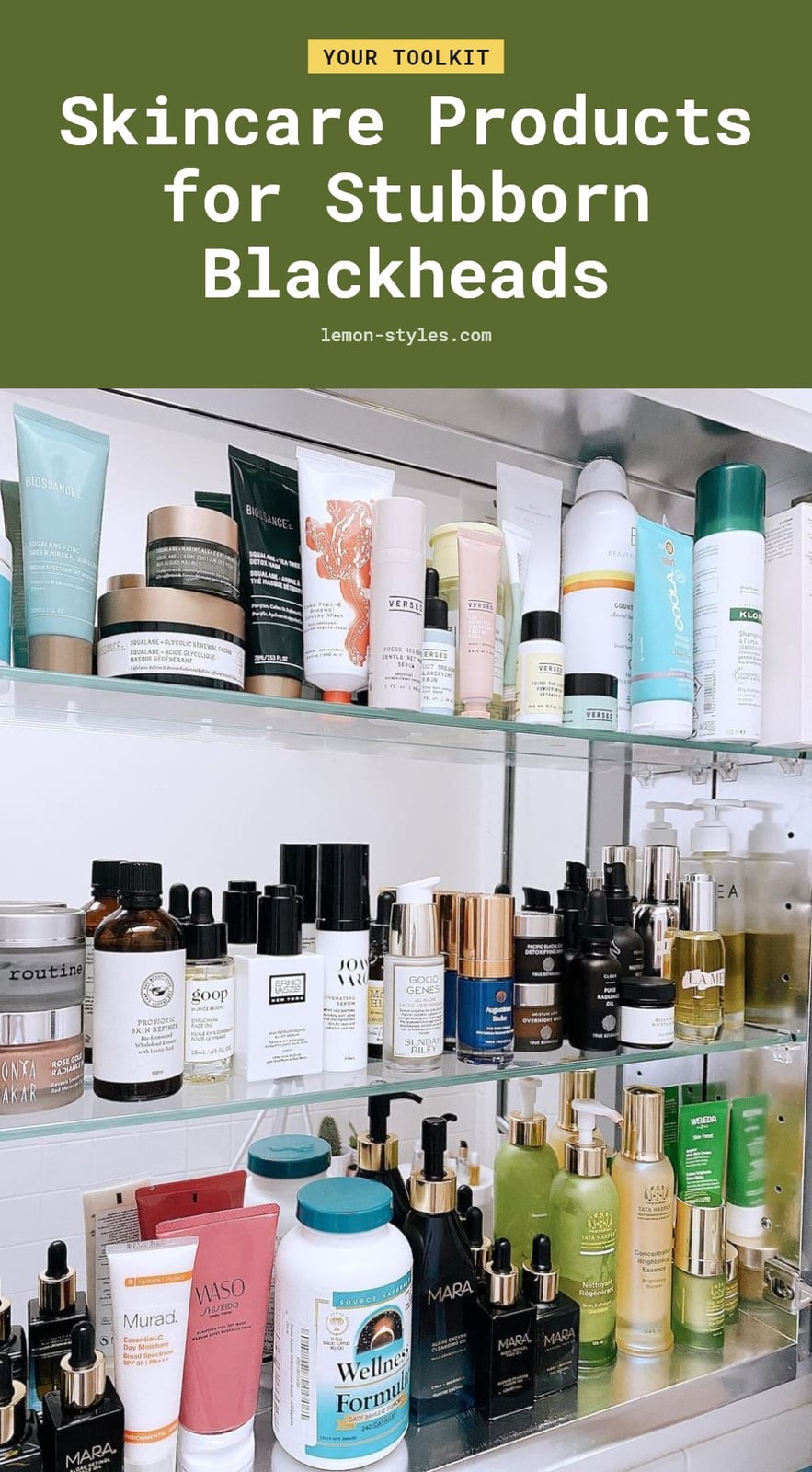
Building a routine starts with the right tools. Here’s what you need in your arsenal.
- Gentle facial cleanser: Use it twice daily to remove surface oil and debris without stripping your skin.
- Salicylic acid (BHA): Exfoliates inside the pore, helping to dissolve clogs before they become blackheads.
- Retinoids (like retinol): Normalize skin cell turnover, preventing dead cells from accumulating in pores.
- AHAs (glycolic or lactic acid): Exfoliate the skin’s surface, which helps prevent pores from becoming clogged in the first place.
- Non-comedogenic moisturizer: Keeps skin hydrated without clogging pores. Yes, even oily skin needs this.
- Daily sunscreen (SPF 30+): Crucial when using active ingredients that increase sun sensitivity.
4. Effective At-Home Methods to Treat Blackheads
Consistency is key, but so is choosing the right method for your skin. Here’s how to use the most effective options.
Salicylic Acid (BHA)
Apply a salicylic acid serum or cleanser daily. It penetrates deep into pores to dissolve the sebum and dead skin cells that form blackheads. Start with a lower concentration (0.5% to 2%) and use it once a day, then gradually increase to twice daily if tolerated.
Retinoids
Retinoids regulate cell turnover, which prevents new clogs from forming. Caution: They can cause dryness and peeling. Start with a pea-sized amount every other night, then increase to nightly as your skin adjusts. Always use sunscreen in the morning.
Clay Masks
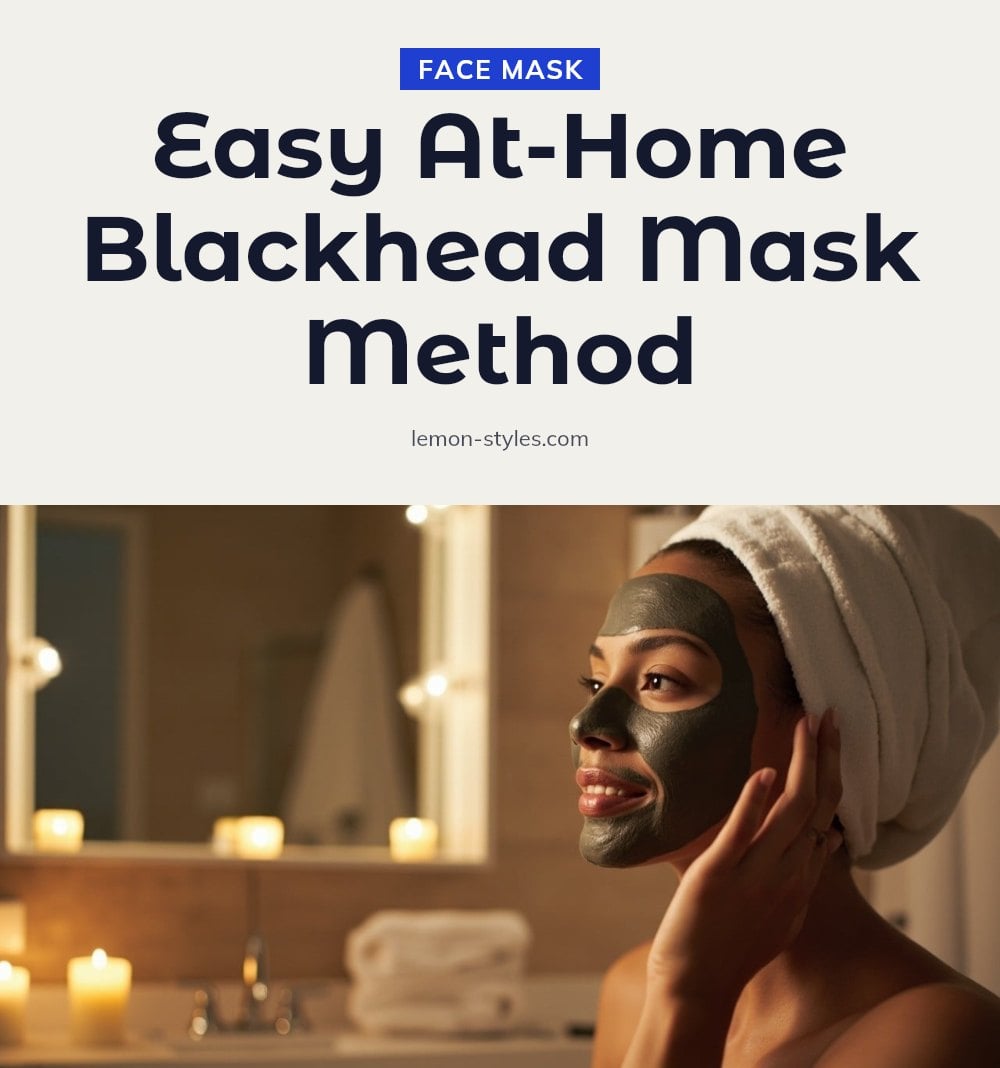
Clay masks absorb excess oil and draw out impurities from pores. Use one once or twice a week. Leave it on for 10-15 minutes, then rinse off. Overuse can dry out your skin.
AHAs (Glycolic or Lactic Acid)
AHAs exfoliate the skin’s surface, which helps prevent dead skin cells from clogging pores. Use a toner or serum with glycolic or lactic acid 2-3 times a week, alternating with your BHA or retinoid nights.
Pore Strips
Pore strips can temporarily remove surface blackheads. Caution: Use them only once a week or less. They can be irritating for sensitive skin, and they don’t prevent new ones from forming. For best results, wet your nose first, apply the strip, and let it dry completely before peeling off gently.
5. Common Blackhead Treatment Mistakes to Avoid
Many people accidentally make blackheads worse while trying to treat them. Scrubbing too harshly: Using rough scrubs or brushes irritates the skin and can worsen the appearance of blackheads. Picking or squeezing: This is the fastest way to cause irritation, infection, or scarring. Over-washing: Washing more than twice daily strips natural oils, which can trigger more oil production and more clogs. Ignoring moisturizer: Even oily skin needs a non-comedogenic moisturizer to keep the barrier healthy. Inconsistency: Skipping days means you won’t see progress. Using too many actives at once: Layering several exfoliants or retinoids can damage your skin barrier and cause irritation. Stick to one active at a time until your skin adjusts.
6. Keeping Blackheads Away: Your Prevention Strategy
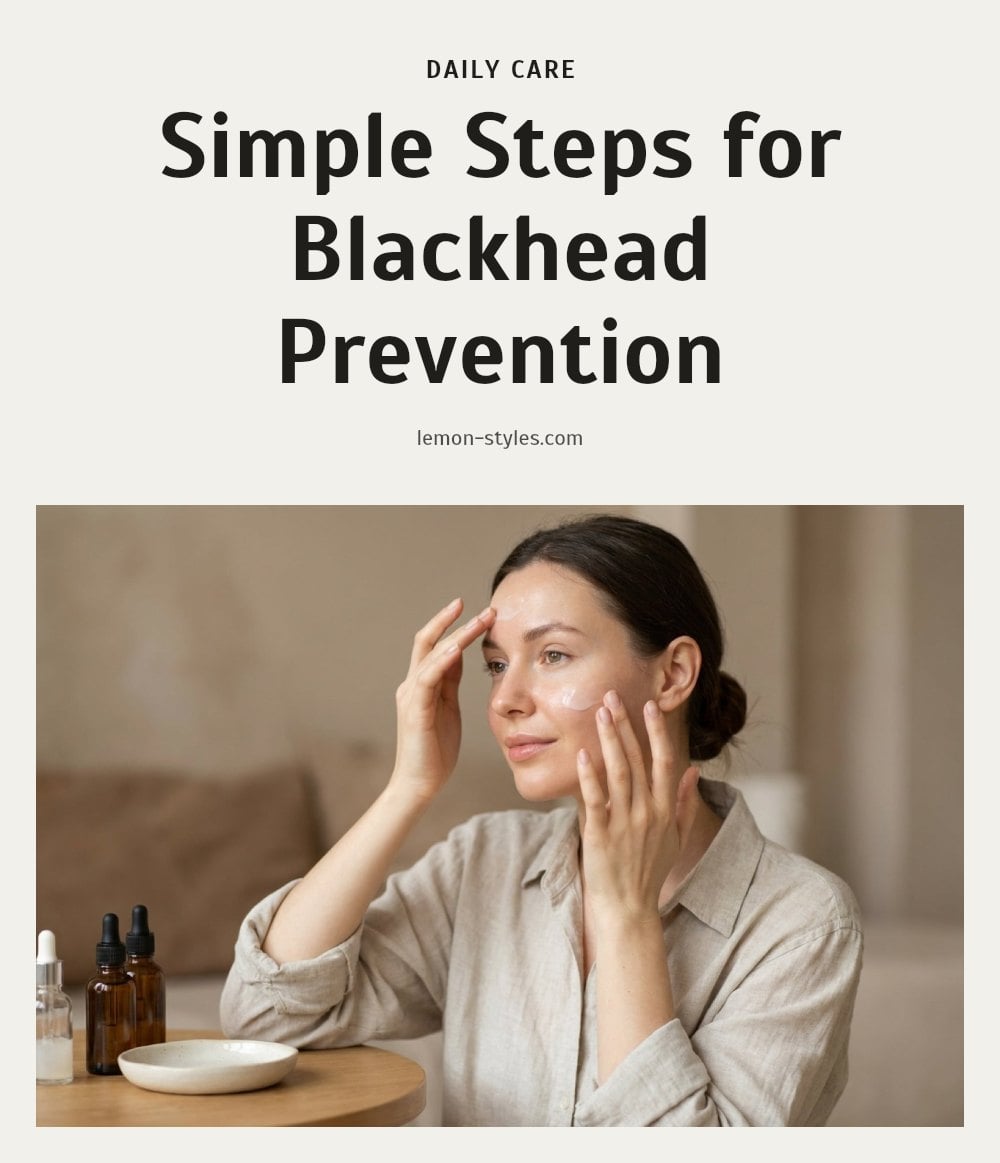
Preventing blackheads is about consistent daily habits. Cleanse gently twice daily: Use a gentle cleanser morning and night to remove excess oil and debris without stripping your skin. Choose non-comedogenic products: Check labels on all skincare, sunscreen, and makeup to ensure they won’t clog pores. Remove makeup thoroughly before bed: Sleeping in makeup can trap oil and dead skin cells, leading to clogs. Apply sunscreen daily: Sun exposure can make blackheads appear more prominent, and active ingredients increase sun sensitivity. Exfoliate regularly but gently: Use an AHA or BHA product 2-3 times per week to keep pores clear without overdoing it.
7. What to Expect: Timeline for Results
Patience is essential when treating blackheads. Initial results: You may start to see some improvement within 4-6 weeks of consistent product use. Significant improvement: Noticeable change typically takes 8-12 weeks as your skin’s cell turnover cycle adjusts. Long-term management: Blackheads are a recurring condition. Consistency with your routine is what keeps them from coming back. If you don’t see any change after several months, it may be time to consult a dermatologist.
8. When to Consult a Dermatologist for Blackheads
While most blackheads respond to at-home care, some situations call for a professional. Severe or painful blackheads: If they are accompanied by cysts, nodules, or significant inflammation, see a dermatologist. No improvement after months: If consistent use of over-the-counter products hasn’t helped, a doctor can recommend prescription-strength options like higher-concentration retinoids. Persistent irritation: If you experience significant redness, peeling, or adverse reactions to products, a dermatologist can help identify the cause and suggest a gentler approach.
9. Frequently Asked Questions
Can pore strips permanently remove blackheads?
No, pore strips only remove the top layer of a blackhead, not the entire clog deep inside the pore. They can provide temporary improvement, but blackheads will return unless you address the underlying cause with consistent exfoliation and prevention. Overusing them can also irritate sensitive skin.
Is it okay to exfoliate every day if I have blackheads?
Daily exfoliation is usually too harsh and can damage your skin barrier, leading to more oil production and irritation. Stick to gentle exfoliation 2-3 times a week with AHAs or BHAs. If you use a salicylic acid cleanser daily, skip separate exfoliating treatments to avoid overdoing it.
Do blackheads go away on their own?
Blackheads rarely disappear without treatment. They can persist for weeks or months because the pore remains clogged. With consistent use of salicylic acid, retinoids, or other exfoliants, you can help clear them and prevent new ones from forming. Without intervention, they often stay or worsen.
What’s the difference between blackheads and whiteheads?
Blackheads, or open comedones, are pores that are open to the air, causing the trapped oil and dead skin to oxidize and appear dark. Whiteheads, or closed comedones, have a closed pore opening, so the material stays trapped beneath the skin and looks like a small white bump. Both are types of acne.
What causes blackheads?
Blackheads form when a hair follicle becomes clogged with sebum and dead skin cells. The dark color is from oxidation, not dirt. Hormonal fluctuations, genetics, and certain skincare products can increase your risk. Over-washing or using harsh scrubs can also worsen them by irritating the skin.
10. Final Thoughts
My tip: start with one active ingredient, like salicylic acid, and add others gradually to avoid irritation. Stick with a consistent routine for at least 8 weeks before judging results, since skin cell turnover takes time. If you haven’t seen improvement after a few months or if blackheads become painful, a dermatologist can offer stronger options.
This article is for general informational purposes only and does not constitute medical or dermatological advice. Always patch test new products and consult a doctor or dermatologist for persistent, severe, or painful skin conditions. Individual results may vary.