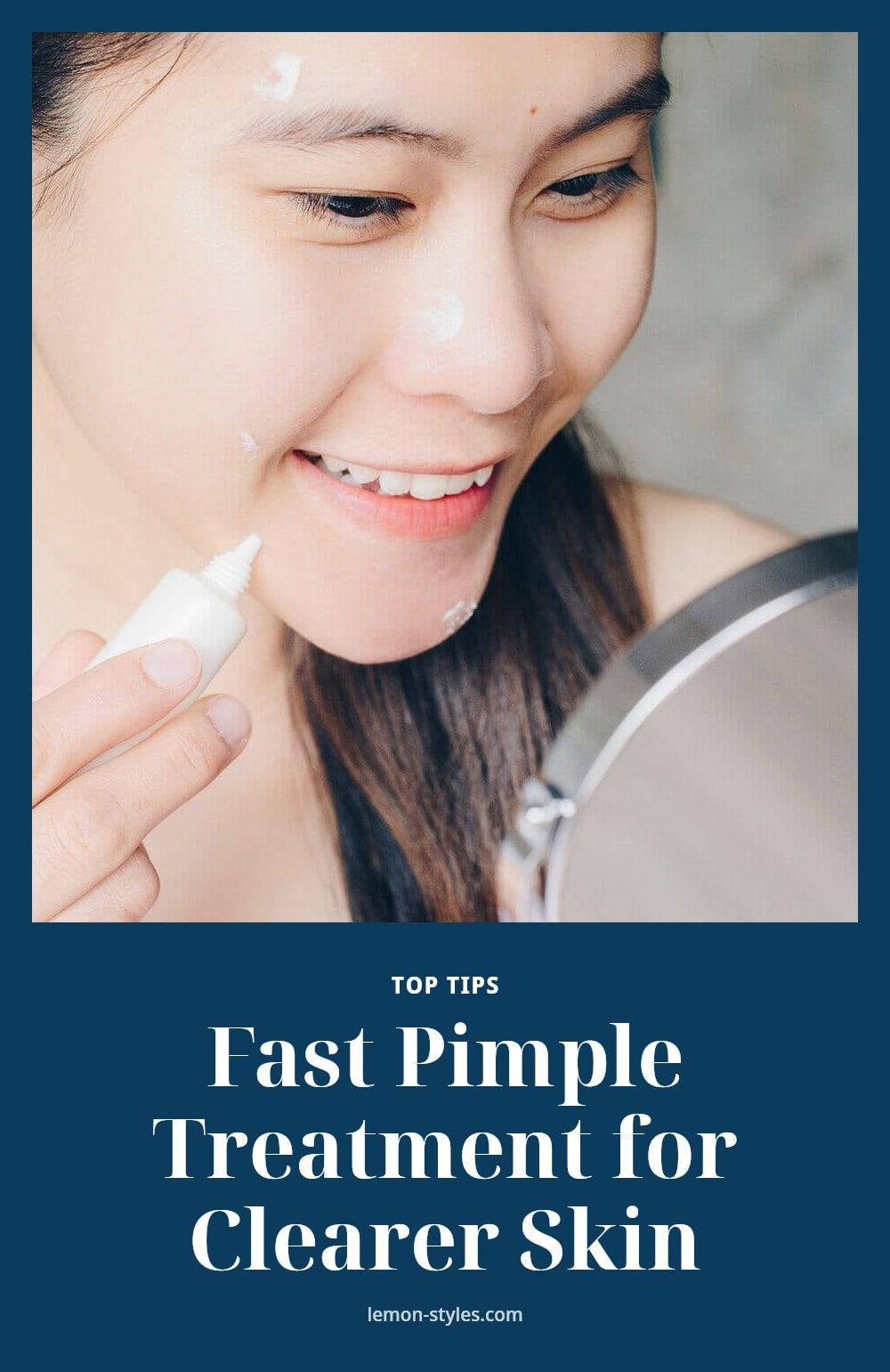
That sudden red bump can feel like it’s all anyone will notice, but you can treat it fast and safely with the right approach. This article covers the most effective ingredients and steps to calm a pimple, reduce redness, and speed up healing without making things worse.
My tip: start with a gentle cleanse and a targeted spot treatment, then let the product do the work. Picking or squeezing will only set you back, so keep your hands off and follow a consistent routine for the best results.
Key Takeaways
- Cleanse gently twice daily and apply a spot treatment with salicylic acid or benzoyl peroxide.
- Cover the pimple with a hydrocolloid patch to absorb fluid and protect the area.
- Use a cold compress to reduce swelling and redness for 10-15 minutes at a time.
- Never pick or squeeze a pimple; it can cause scarring and spread bacteria.
- See a dermatologist if a pimple is very painful, deep, or doesn’t improve after several weeks.
1. Your Quick Action Plan for a Fast-Healing Pimple
When a pimple appears, act fast but gently. Start by cleansing your face, then apply a targeted spot treatment containing salicylic acid or benzoyl peroxide directly on the blemish. Cover it with a hydrocolloid patch to absorb fluid and protect the area while it heals. My tip: Apply a cold compress wrapped in cloth for a few minutes before the patch to reduce swelling. Above all, do not pick or squeeze, as that worsens inflammation and risks permanent scarring.
2. Your Essential Pimple-Fighting Toolkit
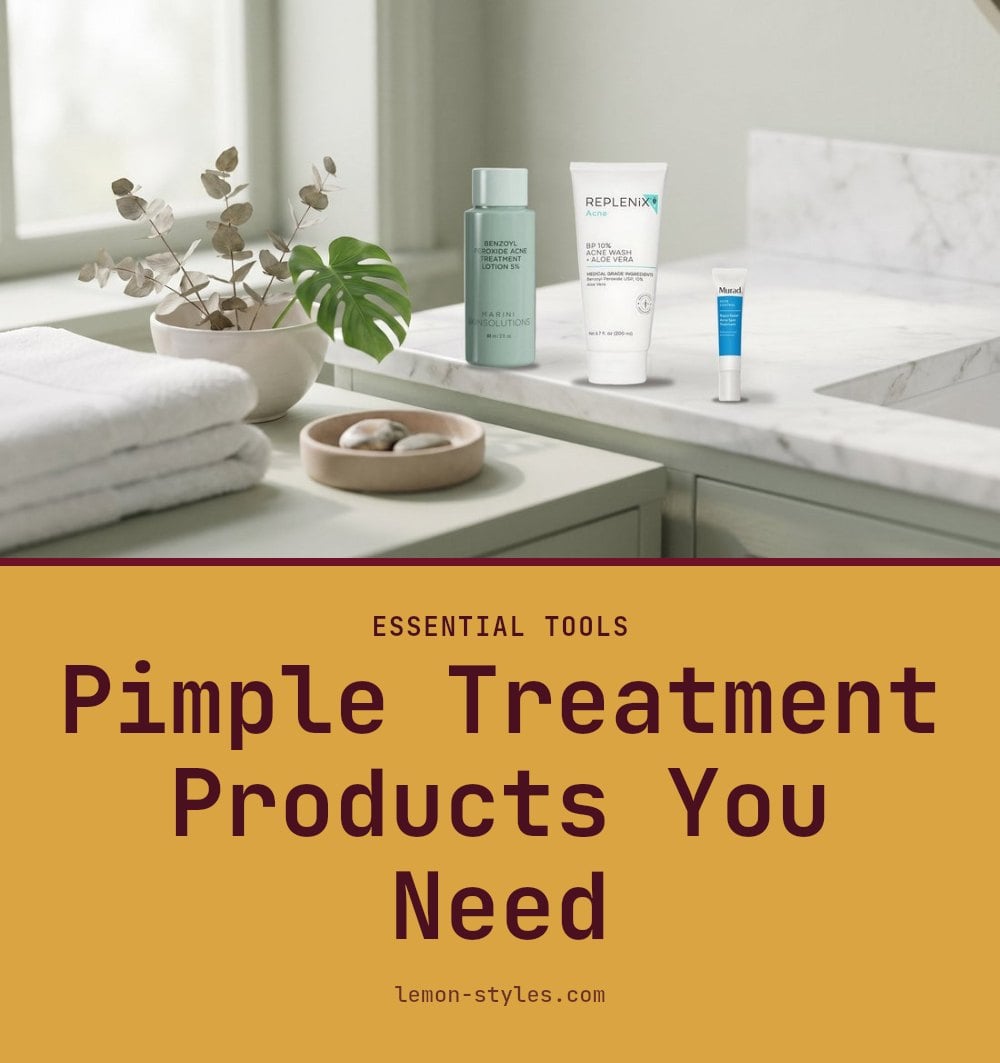
Keep these items on hand for a fast, effective response to breakouts.
- Gentle facial cleanser: Removes dirt and excess oil without stripping your skin.
- Salicylic acid spot treatment: Exfoliates inside the pore to unclog it.
- Benzoyl peroxide spot treatment: Kills acne-causing bacteria and reduces oil.
- Hydrocolloid patch: Absorbs fluid, protects the pimple, and supports moist healing.
- Cold compress: Ice pack or ice wrapped in cloth to calm redness and swelling.
- Moisturizer: Maintains your skin barrier so treatments don’t cause dryness.
- Sunscreen (SPF 30+): Shields skin that is more sensitive due to acne products.
- Diluted tea tree oil or sulfur spot treatment: Alternative options for antiseptic or drying action.
3. Step-by-Step: How to Treat a Pimple Effectively
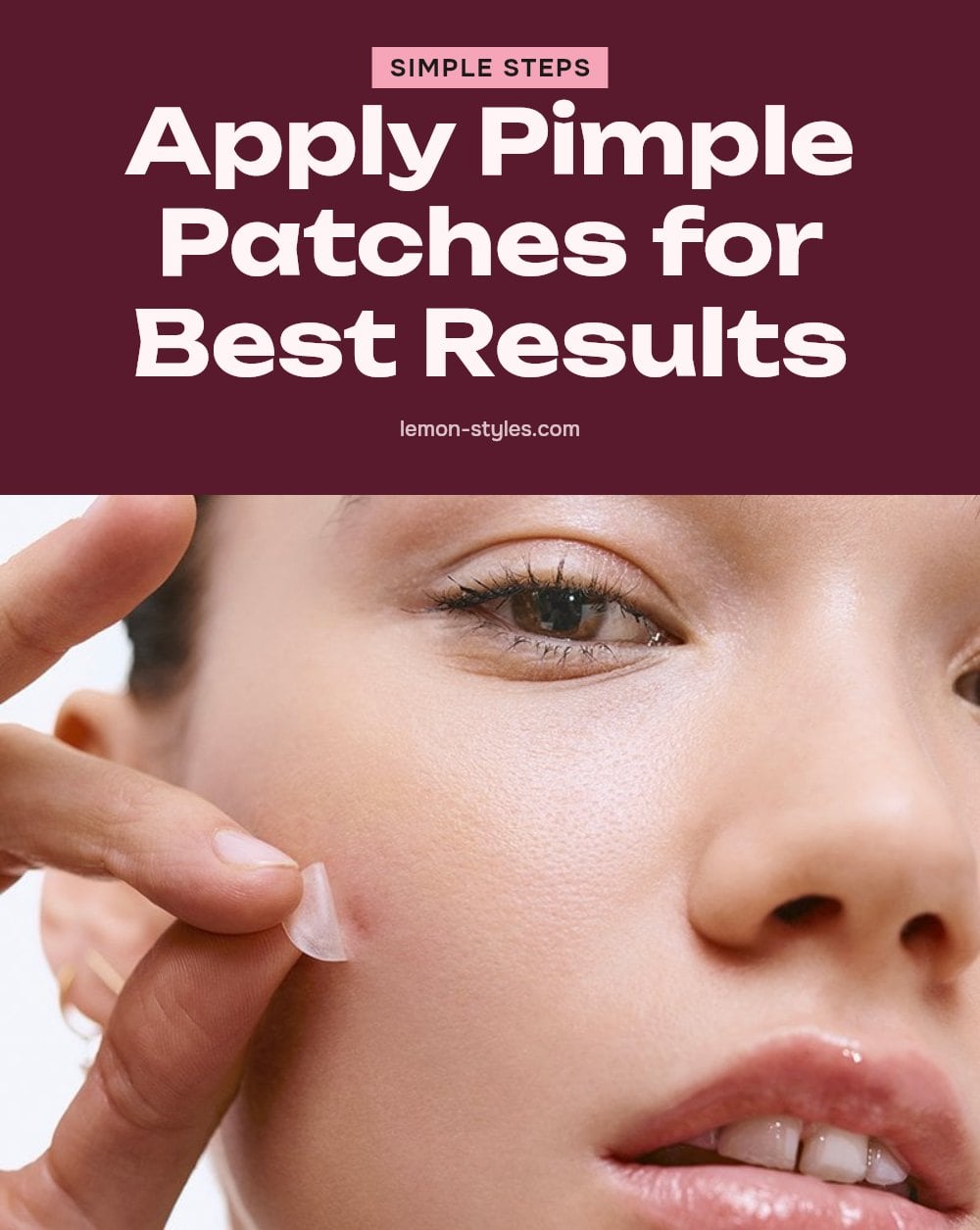
Follow this routine once or twice daily until the pimple fades. Consistency matters more than intensity.
- Cleanse gently: Wash your face with lukewarm water and a mild cleanser. Use your fingertips and avoid scrubbing, which can irritate the blemish.
- Apply a cold compress: Hold a clean cloth wrapped around ice against the pimple for 10-15 minutes. This reduces immediate swelling and redness.
- Choose your spot treatment: Pick one active ingredient, salicylic acid for clogged pores or benzoyl peroxide for inflamed pimples. Dab a thin layer directly on the blemish.
- Cover with a hydrocolloid patch: Place the patch over the spot treatment. Leave it on for several hours or overnight to absorb fluid and keep the area clean.
- Moisturize: Apply an oil-free, non-comedogenic moisturizer to the rest of your face. This supports healing and prevents your skin from overproducing oil.
- Protect with sunscreen: In the morning, finish with SPF 30 or higher. Many acne treatments increase sun sensitivity, so daily protection is essential.
4. Targeted Spot Treatments for Different Pimple Types
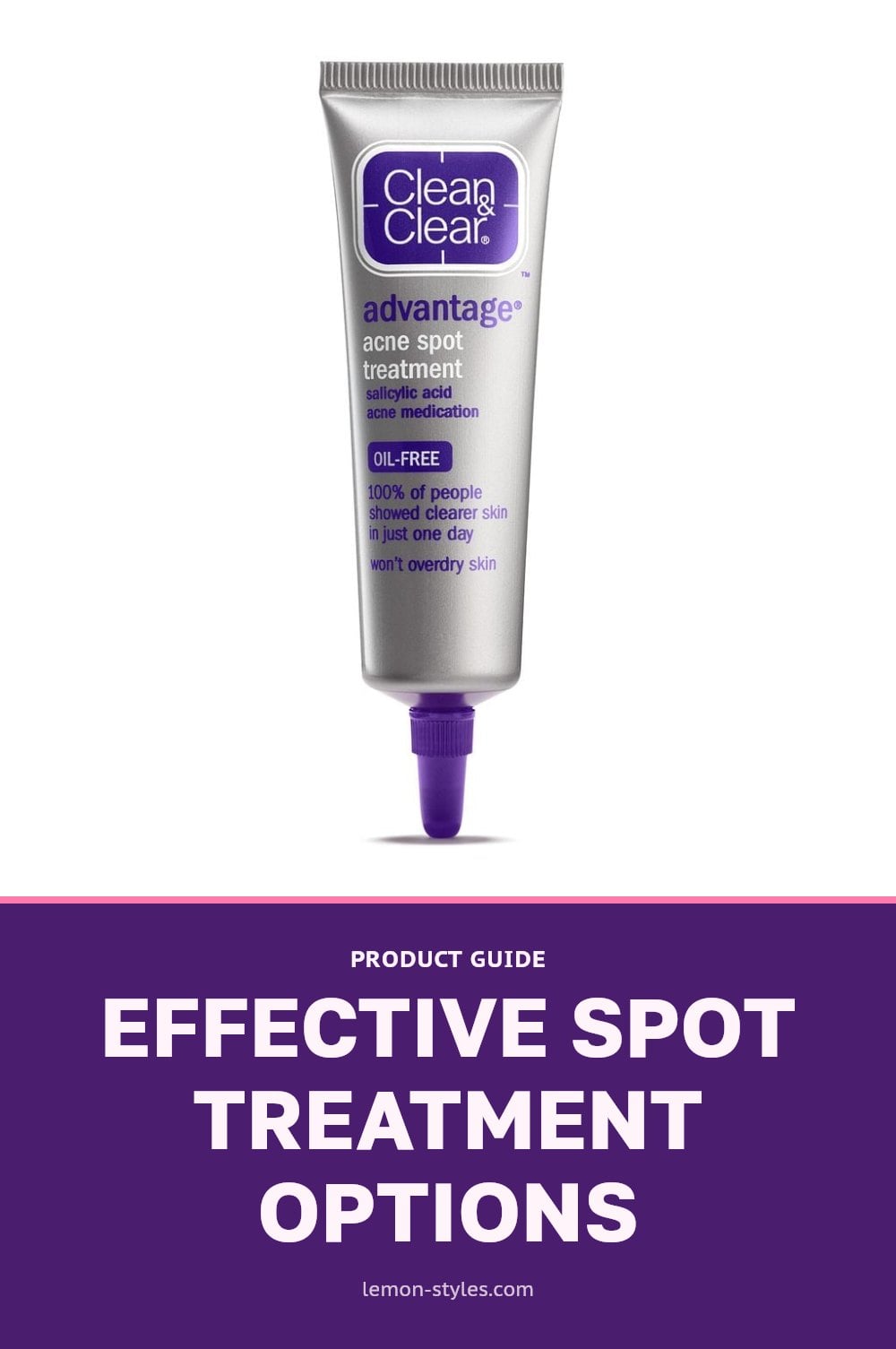
Not all pimples are the same, and each type responds best to a specific ingredient. Match your treatment to the blemish for faster results.
Salicylic acid for clogged pores and blackheads
This beta-hydroxy acid (BHA) penetrates deep into pores to dissolve excess oil and dead skin cells. It works best on non-inflamed bumps like blackheads and whiteheads.
Benzoyl peroxide for inflamed, red pimples
It kills P. acnes bacteria and reduces surface oil. Use a small amount on angry, red pustules. My tip: Start with a lower concentration (2.5%) to avoid irritation and dryness.
Hydrocolloid patches for fluid absorption and protection
These stick-on patches pull fluid from open or draining pimples while creating a barrier against dirt and bacteria. Replace them when the patch turns white.
Tea tree oil (diluted) for antiseptic properties
Mix one part tea tree oil with three to four parts water or a carrier oil. Apply with a cotton swab to the pimple. Caution: Always patch test first, as undiluted oil can cause burns.
Sulfur for drying out surface pimples
Sulfur absorbs excess oil and helps dry shallow pimples. It is often found in mask or spot treatment forms and works well for those with sensitive skin.
5. Common Pimple Treatment Mistakes to Avoid
The biggest mistake is picking or squeezing a pimple. That pushes bacteria deeper, increases inflammation, and often leaves a dark mark or scar that lasts far longer than the original blemish. Keep your hands off and let the spot treatment do the work.
Layering several active ingredients at once is another common error. Salicylic acid, benzoyl peroxide, and retinol together can overwhelm your skin, causing redness, peeling, and more breakouts. Stick to one targeted treatment per pimple and give it time.
Expecting overnight results sets you up for disappointment. Visible improvement usually takes 24 to 48 hours, and full healing can take several days to a week. Patience is part of the process.
Focusing only on the pimple while ignoring your overall routine is a trap. Cleanse twice daily, moisturize, and wear SPF so the rest of your skin stays healthy.
Caution: Harsh, drying products strip natural oils, which can trigger your skin to produce even more oil. Choose gentle formulas instead.
6. Preventing Future Breakouts and Pimples
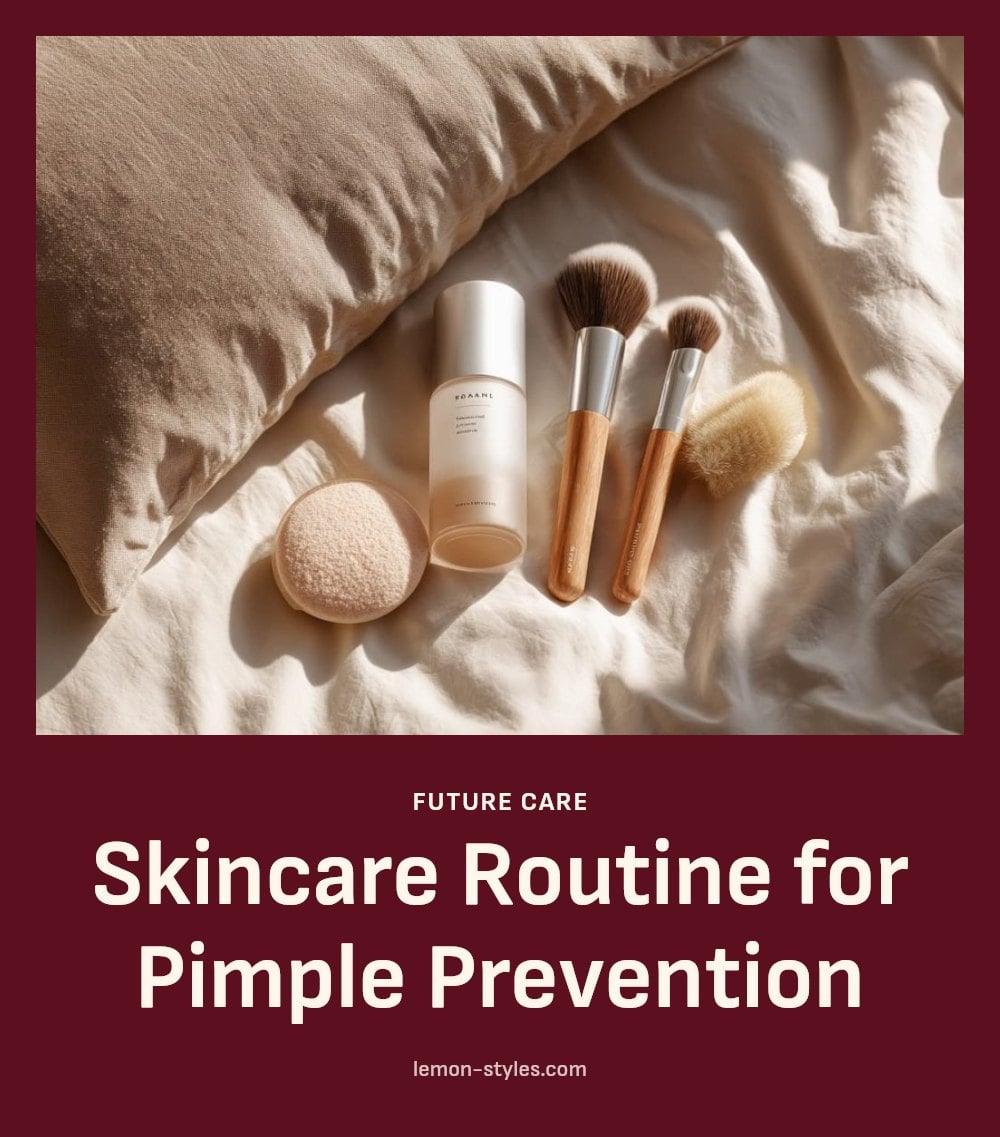
Cleansing twice a day with a gentle cleanser removes the oil and dead skin cells that clog pores before they become pimples. Skip harsh scrubs, since irritation can trigger more breakouts. Follow up with a non-comedogenic moisturizer to keep your skin barrier strong, even if your skin is oily.
Choose makeup and skincare labeled non-comedogenic, meaning they won’t block pores. Keep your hands away from your face during the day, as fingertips transfer bacteria and oil. Wash makeup brushes weekly and swap pillowcases every few days to avoid reintroducing buildup to your skin.
Tip: Wear sunscreen with SPF 30 or higher daily. Many acne treatments increase sun sensitivity, and unprotected sun exposure can darken post-pimple marks, making them last longer.
7. When to Consult a Dermatologist for Your Skin
See a dermatologist if a pimple is very painful, deep, or feels cystic under the skin. Also make an appointment when over-the-counter treatments have not improved the blemish after several weeks of consistent use.
Seek medical attention right away if you notice signs of infection, such as increased pain, pus, or fever. Widespread or persistent acne that affects your confidence or leaves marks also warrants a professional evaluation. A doctor can prescribe stronger options and help prevent scarring.
8. Frequently Asked Questions
Can I put toothpaste on a pimple?
No, toothpaste is not a safe or effective treatment for pimples. It can cause irritation, redness, and even chemical burns on your skin. Stick to proven ingredients like salicylic acid or benzoyl peroxide instead.
How long does it take for a pimple to go away?
Most pimples show visible improvement within 24 to 48 hours with consistent spot treatment, but full healing typically takes several days to a week. Deep or cystic pimples may take longer and might require a dermatologist’s help.
What causes pimples to appear suddenly?
Pimples form when hair follicles become clogged with oil and dead skin cells, and bacteria can multiply inside, causing inflammation. Sudden breakouts can be triggered by stress, hormonal changes, certain skincare products, or diet, but the exact cause varies for each person.
Is it okay to use multiple spot treatments at once?
No, layering several active ingredients like salicylic acid, benzoyl peroxide, and sulfur at the same time can over-dry and irritate your skin. Stick to one spot treatment per pimple and use it consistently for the best results without damaging your skin barrier.
Do pimple patches really work?
Yes, hydrocolloid patches are effective for absorbing fluid from pimples and creating a moist healing environment. They also protect the area from bacteria and prevent you from picking, which can speed up healing, especially for whiteheads and surface-level blemishes.
9. Final Thoughts
For a stubborn pimple, stick with salicylic acid or benzoyl peroxide as your go-to spot treatment, and cover it with a hydrocolloid patch overnight. Expect visible improvement within 24 to 48 hours, with full healing taking several days to a week. Patience and gentle care will get you through faster than any harsh shortcut.
This article is for general informational purposes only and does not constitute medical advice. Individual results may vary, and what works for one person may not work for another. If you have a persistent or serious skin concern, please consult a dermatologist or healthcare professional.