You want smoother, brighter skin, and exfoliation can help. It removes dead cells from the surface, revealing fresher skin underneath and helping your products absorb better. But doing it right matters more than doing it often. This guide covers the two main types, how to choose one for your skin, a safe step-by-step routine, and how to care for your skin afterward.

Key Takeaways
- Exfoliate 1 to 3 times per week, starting with once weekly if your skin is sensitive.
- Choose a gentle chemical exfoliant for sensitive skin or a fine-grained physical scrub for normal skin.
- Always apply broad-spectrum sunscreen with SPF 30 or higher after exfoliating.
- Stop if you see excessive redness, burning, or peeling, and consult a dermatologist if it persists.
- Patch test new products 24 hours before applying to your full face.
1. What is Exfoliation and Why Does Your Skin Need It?
Exfoliation simply means removing the layer of dead skin cells sitting on your skin’s surface. Doing this regularly reveals a brighter complexion and smoother texture underneath. It also lets your serums and moisturizers absorb much better, so you get more out of every product you apply. Your skin naturally sheds these cells through a process called cell turnover, which takes about 28 days. Exfoliation gives that natural process a gentle nudge to keep your skin looking fresh.
2. Physical vs. Chemical Exfoliation: Which is Right for You?
Choosing between physical and chemical exfoliation comes down to your skin type and how much time you want to spend. Physical methods use manual scrubbing with a scrub, brush, or washcloth. Chemical methods use acids or enzymes to dissolve the bonds between dead cells.
| Type | How It Works | Best For |
|---|---|---|
| Physical | Manual scrubbing with particles or tools | Normal skin that tolerates friction |
| AHA (chemical) | Water-soluble acid works on skin’s surface | Dry or sun-damaged skin |
| BHA (chemical) | Oil-soluble acid penetrates pores | Oily or acne-prone skin |
| Enzyme | Fruit enzymes dissolve dead cells gently | Sensitive or reactive skin |
3. Your Exfoliation Toolkit: Essential Products and Tools
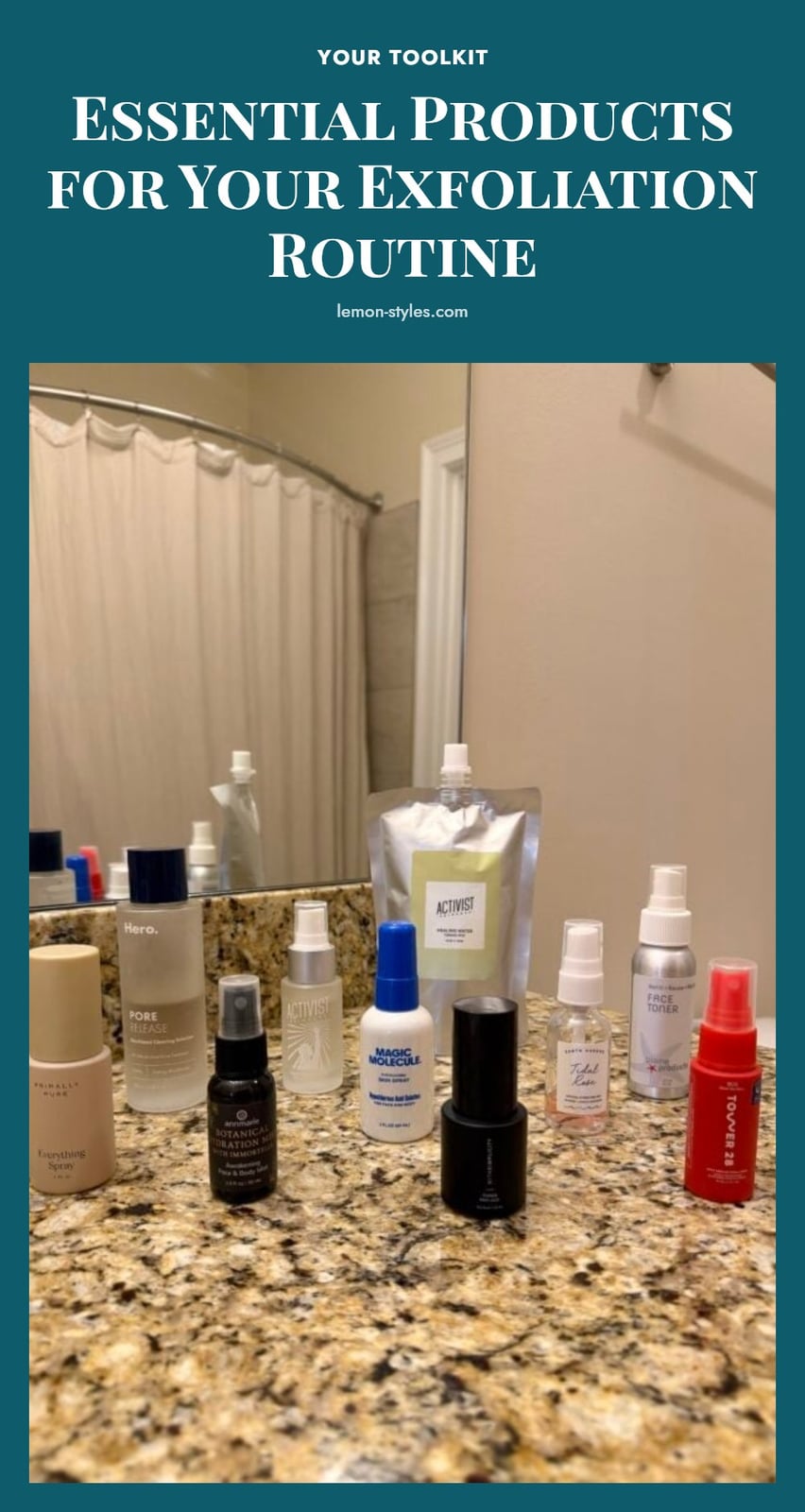
Before you start, gather a few essentials. Pick one exfoliant that matches your skin type, a gentle chemical option for sensitive skin or a fine-grained physical scrub for normal skin. You will also need a gentle cleanser, a hydrating serum, a rich moisturizer, and a broad-spectrum sunscreen with SPF 30 or higher. For physical exfoliation, keep soft washcloths or a gentle exfoliating brush on hand.
4. Step-by-Step Guide to Exfoliating Your Face Safely
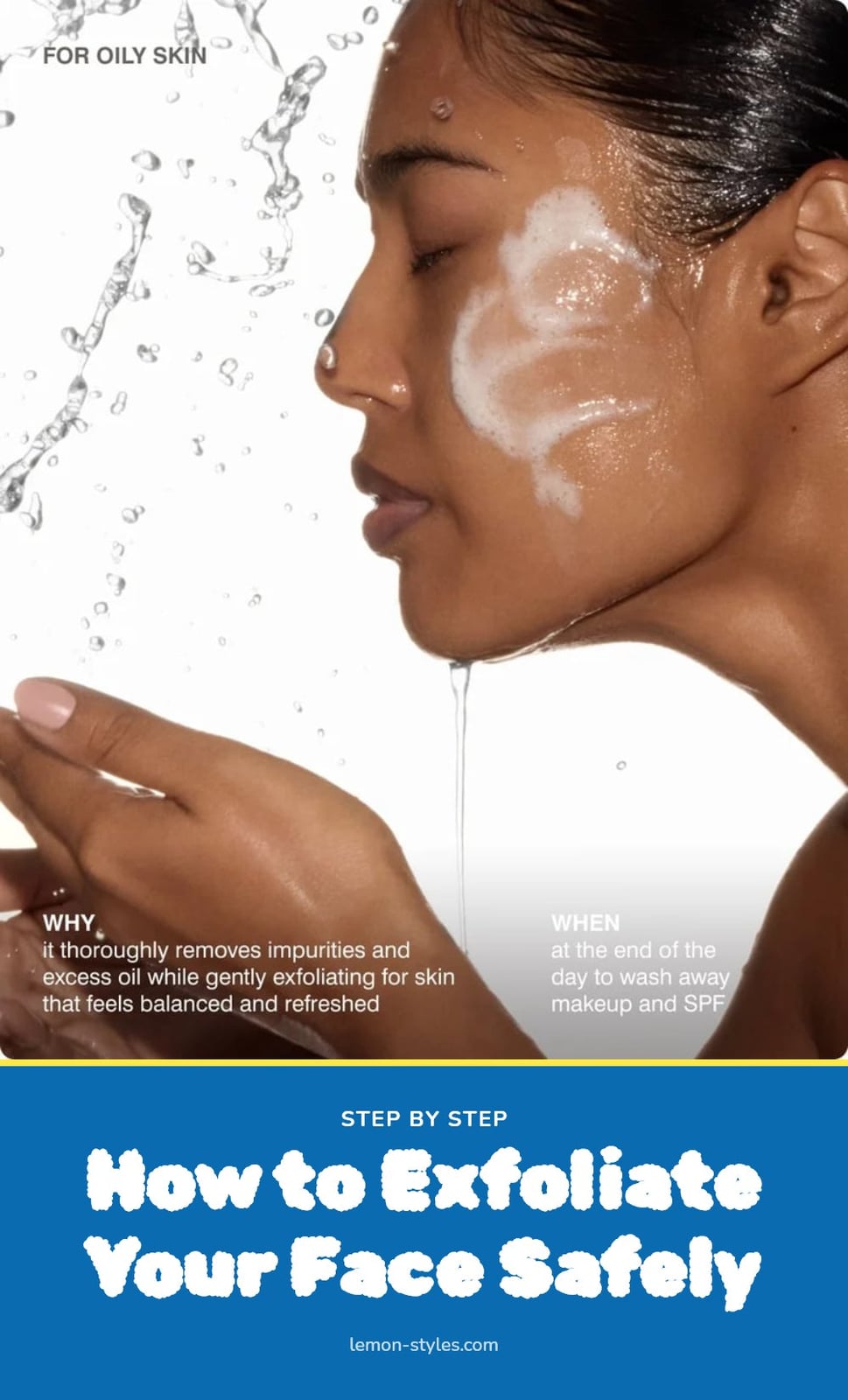
Before you put any exfoliant on your face, do a patch test. Apply a small amount to a discreet area, like behind your ear or along your jawline, and wait 24 hours. If you see redness, burning, or itching, skip that product.
- Cleanse your face: Wash with a gentle cleanser to remove makeup, oil, and dirt. Exfoliating on a dirty face can push debris into your pores, which is the opposite of what you want.
- Check your product label: Some exfoliants are meant for damp skin to help spread evenly and buffer active ingredients. Others require completely dry skin to work at full strength. Follow the instructions exactly for that product.
- Apply to clean skin: If the label says to use on damp skin, mist your face with water or leave it slightly moist after cleansing. If it says dry skin, pat your face dry with a towel first. This prevents confusion and irritation.
- Use the right technique: For a physical scrub, use your fingertips and work in small, gentle circular motions for 30 to 60 seconds. Never press hard. For a chemical exfoliant, apply a thin, even layer with your fingers or a cotton pad, then follow the label’s leave-on time, usually 1 to 10 minutes.
- Rinse thoroughly: Use lukewarm water to remove every trace of the product. Leftover acid or scrub particles can keep working and irritate your skin.
- Hydrate immediately: Pat your face dry with a clean towel, then apply a hydrating serum followed by a rich moisturizer. This replenishes your moisture barrier and calms the skin.
- Protect with SPF: Exfoliated skin is more sensitive to UV radiation. Apply a broad-spectrum sunscreen with SPF 30 or higher every morning, even on cloudy days, and reapply if you are outdoors.
Caution: Keep the product away from your eye area and the corners of your mouth. If you feel stinging or burning during application, rinse off immediately and skip exfoliation for a week.
5. Common Exfoliation Mistakes and How to Avoid Them
Over-exfoliating: Too much scrubbing or acid use strips your skin barrier, leaving it red, tight, and irritated. Stick to 1-3 times weekly, and go lower if your skin is sensitive. If you notice stinging or flaking, cut back to once a week or pause entirely.
Using harsh physical scrubs: Scrubs with crushed nuts, fruit pits, or large grains can create micro-tears in the skin. Choose fine-grained options like sugar or jojoba beads, or switch to a gentle chemical exfoliant that dissolves dead cells without friction.
Exfoliating irritated or compromised skin: Never scrub over active breakouts, open wounds, or sunburn. Doing so spreads bacteria and worsens inflammation. Wait until the area heals completely before resuming exfoliation.
Skipping sunscreen: Exfoliated skin is more vulnerable to UV damage, and chemical exfoliants increase sun sensitivity. Apply a broad-spectrum SPF 30+ every morning, even on cloudy days, and reapply if you are outdoors.
Not patch testing: New products can trigger unexpected reactions. Test a small amount behind your ear or along your jawline for 24 hours before using it on your whole face. This simple step prevents full-face irritation.
6. Post-Exfoliation Care: Keeping Your Skin Happy and Hydrated

Right after exfoliating, your skin is primed to drink up moisture, so don’t let that moment pass. Apply a hydrating serum with ingredients like hyaluronic acid or glycerin, then lock it in with a rich moisturizer. This combo helps replenish your skin’s moisture barrier, which exfoliation can temporarily weaken.
Caution: Skip other active ingredients, such as retinoids or strong vitamin C, for at least a day after exfoliating. Layering them on fresh skin can trigger redness and irritation.
Sun protection is non-negotiable. Exfoliated skin is more sensitive to UV radiation, so apply a broad-spectrum sunscreen with SPF 30 or higher every morning, even if you’re not exfoliating that day. Reapply if you’re spending time outdoors.
7. How Often to Exfoliate and When to Expect Results
Most skin types do well exfoliating 1 to 3 times a week, but sensitive skin often needs less. Start with once a week and see how your skin reacts. If you notice no redness or tightness, you can gradually add a second session.
Results are not instant. Smoother skin and a brighter look usually show up within a few weeks of consistent use. For lasting improvement, keep up a steady routine for several months, since cell turnover itself takes about 28 days.
Costs range widely. Budget-friendly options like basic scrubs or simple acid toners work for many people, while higher-end formulations with advanced delivery systems cost more. Price does not guarantee better results, so choose what fits your skin and your wallet.
Tip: Keep a simple log of when you exfoliate and how your skin feels the next day. That helps you find your personal sweet spot without guessing.
8. When to Consult a Dermatologist About Exfoliation
If your skin reacts with excessive redness, burning, stinging, or peeling that doesn’t settle quickly, stop exfoliating and consult a dermatologist. These signs may mean your skin barrier is compromised, and continuing could make things worse.
Before you start any exfoliation routine, talk to a professional if you have rosacea, eczema, or severe acne. These conditions can make your skin more reactive, and a dermatologist can tell you whether exfoliation is safe for you and which type to use.
Still unsure which exfoliant suits your skin concerns? A dermatologist can offer personalized guidance, especially if DIY methods cause persistent irritation or you simply can’t find a product that works.
9. Frequently Asked Questions
Can I exfoliate every day?
No, daily exfoliation is not recommended for most skin types. It can disrupt your skin barrier, leading to redness, irritation, and increased sensitivity. Stick to 1 to 3 times per week, and less if your skin is sensitive.
What’s the difference between AHA and BHA?
AHAs are water-soluble and work on the skin’s surface, making them good for dry or sun-damaged skin. BHAs are oil-soluble and can penetrate deeper into pores, so they are often better for oily or acne-prone skin.
What if my skin feels tight after exfoliating?
Tightness is a sign that your skin barrier may be compromised. Stop exfoliating and focus on gentle cleansing and moisturizing until it feels normal. If tightness persists, consult a dermatologist.
Can I exfoliate if I have sensitive skin?
Yes, but choose a gentle chemical exfoliant and start with once a week or less. Patch test first, and avoid physical scrubs with large, irregular particles. If you have a condition like rosacea or eczema, talk to a dermatologist before starting.
Should I exfoliate before or after cleansing?
Exfoliate after cleansing. Start with a clean face, then apply your exfoliant. Follow with a hydrating serum and moisturizer to replenish your skin’s moisture barrier.
How long does it take to see results from exfoliation?
You may notice smoother skin and improved radiance within a few weeks of consistent, appropriate exfoliation. Best results are typically seen over several months, so be patient and consistent.
10. Final Thoughts
My tip: pick one exfoliant that matches your skin type and use it once a week to start. If your skin tolerates it well after a few weeks, you can gradually add a second session. Expect smoother texture and more radiance within a few weeks of consistent use, with the best results over several months. Consistency matters more than intensity, so be patient and adjust based on how your skin feels.
This information is for general educational purposes only and is not a substitute for professional medical advice. If you have a persistent skin condition or concerns, consult a dermatologist or other qualified professional.