Do you ever feel drained, resentful, or like you’re constantly giving in to others’ demands? Setting healthy boundaries can be a game-changer for your well-being, helping you protect your time, energy, and emotional health. In this article, I’ll walk you through what boundaries are, why they matter, and practical steps to set them confidently.
Key Takeaways
- Boundaries are personal guidelines that define what you will and will not tolerate in relationships.
- Clear boundaries reduce resentment, stress, and burnout by preventing others from overstepping your limits.
- Use ‘I’ statements to communicate boundaries calmly and directly without over-explaining.
- Consistency in enforcing boundaries is key to making them effective and respected.
- If setting boundaries leads to conflict or abuse, seek support from a therapist or counselor.
1. What Are Healthy Boundaries?
Healthy boundaries are personal guidelines that define what you will and will not tolerate in your interactions with others. They are crucial for protecting your mental and emotional well-being, reducing stress, and fostering respectful relationships. Setting boundaries isn’t about pushing people away; it’s about creating space for mutual understanding and self-care.
2. Why Setting Boundaries Matters for Your Well-being
Why Setting Boundaries Matters for Your Well-being
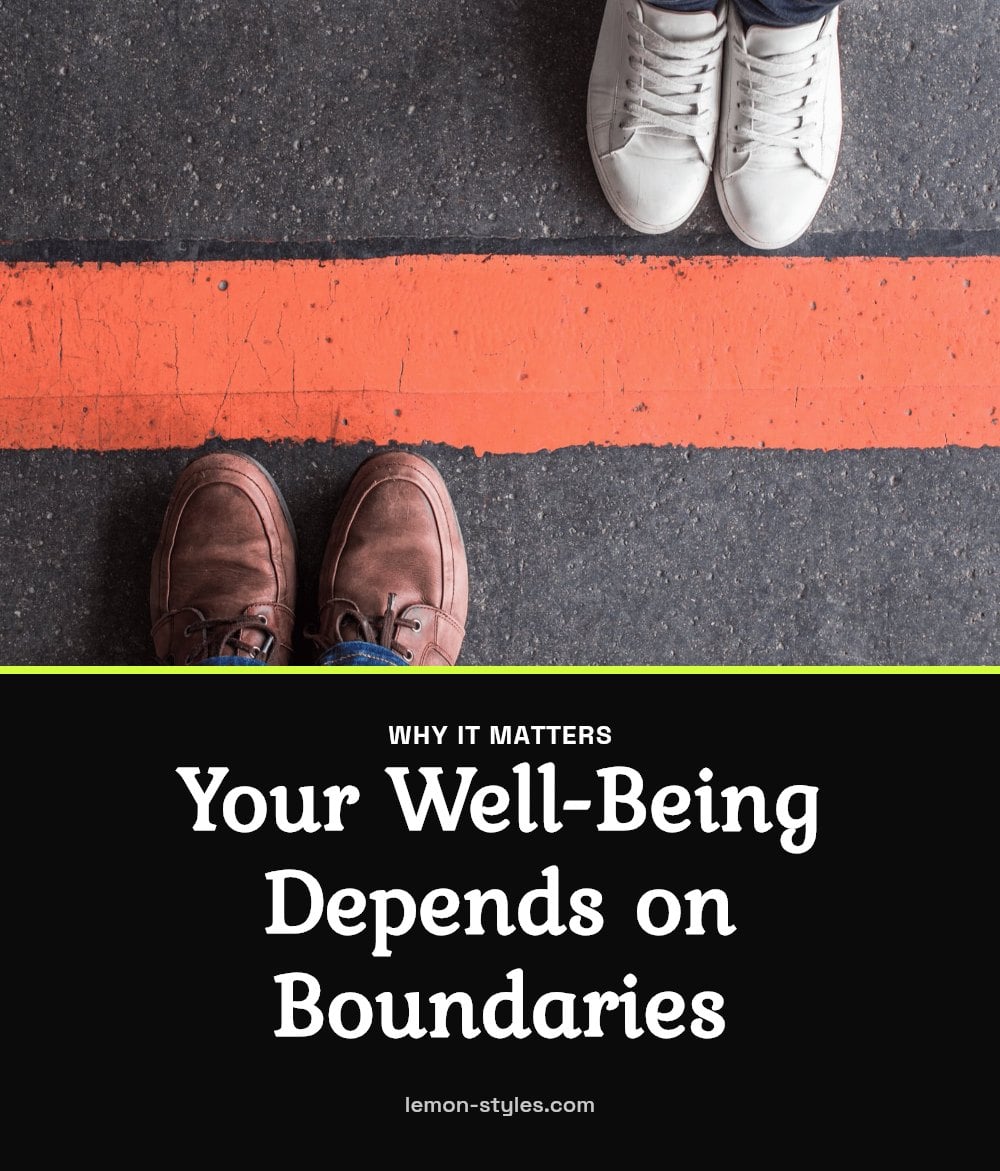
Clear boundaries prevent others from overstepping your personal limits, which directly reduces resentment, stress, and burnout. I’ve found that when I don’t set them, I end up drained and frustrated. Boundaries are a form of self-care, essential for maintaining mental and emotional health. They help you communicate your needs and values, leading to more fulfilling and respectful connections. When you know your limits and state them, you protect your energy and invite healthier interactions.
- Reduces resentment: When you say no to what drains you, you stop building internal frustration.
- Lowers stress and burnout: Clear limits prevent you from overcommitting and feeling overwhelmed.
- Builds respect: Others learn what you will and won’t accept, which strengthens trust.
- Supports self-care: Prioritizing your well-being becomes a consistent practice.
3. How to Set Boundaries in 5 Steps

Setting boundaries takes practice, but breaking it into steps makes it manageable. Here’s a process I’ve used to protect my time and energy.
- Identify your limits: Reflect on what makes you feel drained or uncomfortable. Notice when you feel resentment or stress. Those are clues that a boundary is needed.
- Communicate clearly: Use ‘I’ statements to express your needs without blame. For example, ‘I need some quiet time after work, so I won’t be available for calls until 7 PM.’
- Expect resistance: Others may react negatively, especially if they’re used to you not having boundaries. Stay calm and repeat your limit if needed.
- Uphold consistently: Every time you enforce a boundary, you reinforce its importance. If you give in once, it teaches others that the boundary is flexible.
- Start small: Practice with low-stakes situations, like saying no to a minor request, before tackling harder conversations.
My tip: Start with one small boundary this week and see how it feels. Consistency builds confidence.
4. Examples of Boundaries You Can Set Today
Here are concrete examples of boundaries you can set today, framed as ‘I’ statements for clarity.
- Time Boundaries: ‘I’m available to chat until 6 PM, then I need to focus on my evening routine.’
- Emotional Boundaries: ‘I can’t take on any more emotional labor right now; I need to protect my own energy.’
- Physical Boundaries: ‘I’m not comfortable with unexpected hugs; please ask first.’
- Material Boundaries: ‘I’m happy to lend things, but please ask before borrowing and return them promptly.’
- Intellectual Boundaries: ‘I appreciate your input, but I’ve already made a decision on this topic.’
- Digital Boundaries: ‘I only check work emails during business hours; please don’t expect immediate replies at night.’
5. Common Boundary-Setting Mistakes to Avoid
- Assuming others know: Don’t expect people to read your mind. Communicate your boundaries explicitly, even if it feels awkward.
- Being vague: Make your boundaries clear and specific so there’s no room for misinterpretation. Instead of “I need space,” try “I need an hour alone after work.”
- Feeling guilty: Recognize that setting boundaries is a form of self-respect, not selfishness. A little discomfort now protects your well-being long-term.
- Inconsistency: Uphold your boundaries every time to show others they are firm. If you give in once, it teaches people the limit is flexible.
- Being aggressive: Set boundaries calmly and assertively, avoiding blame or accusation. Use “I” statements rather than “you always” statements.
- Over-explaining: A simple “no” is often sufficient. You don’t need to justify your limits excessively; over-explaining invites negotiation.
6. When to Seek Professional Support for Boundaries
If setting boundaries leads to increased conflict, aggression, or emotional abuse, it’s time to seek support from a therapist or counselor. In situations involving domestic violence or severe emotional manipulation, professional help is crucial for safety planning and support.
Good to know: A therapist can help you identify your needs, develop communication strategies, and navigate challenging relationship dynamics when boundaries are difficult to establish or maintain. Seeking help is a sign of strength, not weakness.
7. Frequently Asked Questions
How do I deal with guilt after setting a boundary?
Guilt is a common reaction, especially if you’re used to putting others first. Remind yourself that boundaries are a form of self-care, not selfishness. My tip: practice self-compassion by saying to yourself, ‘It’s okay to protect my well-being.’ Over time, the guilt usually lessens as you see the positive effects.
Is it ever too late to set boundaries?
It’s never too late. Even long-standing relationships can benefit from new boundaries. The key is to communicate your needs clearly and be prepared for some adjustment from both sides. Start with a small, clear boundary to build confidence, and remember that change is possible at any stage.
What if someone reacts negatively to my boundaries?
Negative reactions are common, especially if the other person is used to you not having boundaries. Stay calm and repeat your boundary if needed. If the reaction is aggressive or manipulative, it may be a sign of an unhealthy dynamic. In such cases, consider seeking professional support to navigate the situation safely.
What are the different types of boundaries?
Boundaries can be physical (personal space, touch), emotional (protecting your feelings, not taking on others’ emotional labor), time (limiting availability), material (lending money or possessions), and intellectual (respecting your opinions and beliefs). Each type helps you maintain balance in different areas of life.
Can boundaries improve my relationships?
Yes, healthy boundaries often strengthen relationships by fostering mutual respect and reducing resentment. When you communicate your limits clearly, it allows others to understand and honor your needs, which can lead to more authentic and less stressful interactions. Many people find that boundaries actually deepen their connections over time.
8. Final Thoughts
Start small: pick one boundary that feels manageable and practice communicating it clearly this week. Remember, it’s normal for others to resist at first, but with consistency, they’ll learn to respect your limits. Setting boundaries is a skill that gets easier with practice, and it’s one of the most caring things you can do for yourself and your relationships.
This article is for general informational purposes only and is not a substitute for professional advice. If you are experiencing severe emotional distress, conflict, or abuse, please consult a licensed therapist or counselor for personalized support.