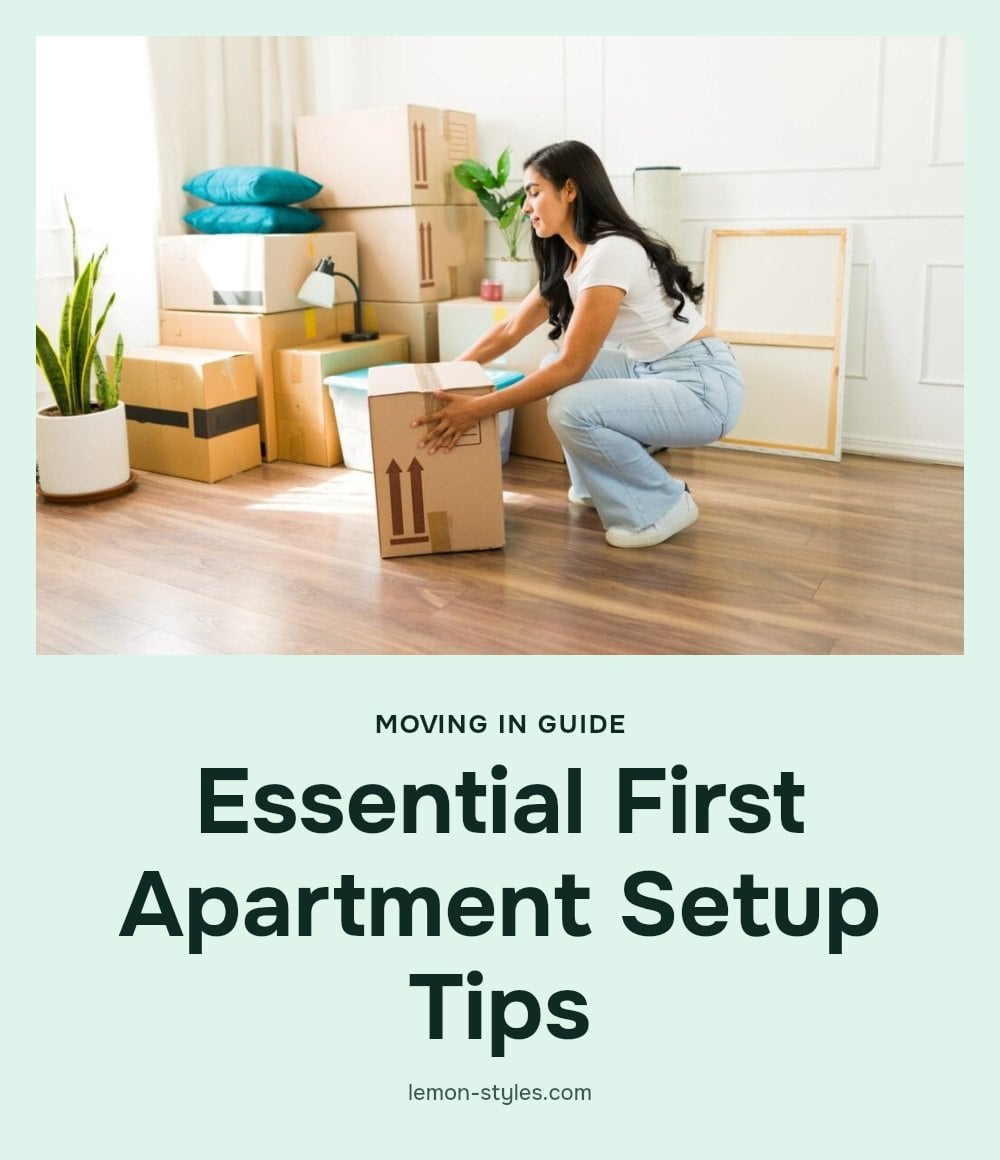
Moving into your first apartment is a huge step, and it’s easy to feel like you need to buy everything at once. The truth is, you only need a few key things to get started: a place to sleep, a way to cook a simple meal, and the basics for staying clean and safe. This article walks you through the essentials to prioritize before you even think about decor, plus tips on budgeting, lease terms, and safety checks so you can settle in without the stress.
Key Takeaways
- Read your lease fully before signing and budget for the security deposit, often one to two months’ rent.
- Prioritize a bed, basic kitchen cookware and dinnerware, and cleaning supplies over decorative items.
- Set up utilities like electricity and internet before move-in day to avoid delays.
- Take photos or videos of the apartment’s condition upon move-in to protect your security deposit.
- Invest in renters insurance and test smoke and carbon monoxide detectors on day one.
1. Setting Up Your First Apartment: Where to Begin
Setting up your first apartment starts with the basics: a place to sleep, a way to stay clean, and the tools to make a simple meal. Before you shop, read your lease carefully and set a realistic budget for rent, utilities, and groceries. Make sure your space is functional and safe, with working detectors and a clear exit path. Don’t rush to fill every corner. Many items can be added over the first few months as you learn what you actually use.
2. Before You Move In: Lease, Budget, and Logistics

Sort out the paperwork and payments before you haul in any boxes.
- Read the lease thoroughly before signing.
- Budget for the security deposit, often one to two months’ rent.
- Plan for first month’s rent, due on the first of the month.
- Get renters insurance to protect your belongings.
- Set up utilities (electricity, water, gas, internet) in your name.
- Document the apartment condition with photos or videos.
- Change your mailing address for bills and packages.
- Keep a copy of the lease in a safe place.
- Ask about trash pickup and recycling rules.
- Check the building’s emergency exits and fire extinguisher locations.
3. Bedroom Essentials for a Good Night’s Sleep
Your bedroom should support solid sleep first, with style coming later.
- Get a bed frame to keep the mattress off the floor.
- Invest in a good mattress that suits your sleep style.
- Buy fitted and flat sheets in a comfortable fabric.
- Pick pillows that match your sleeping position.
- Add a comforter or duvet for warmth.
- Use a basic dresser or storage bins for clothes.
- Install blackout curtains to block early morning light.
- Set up a small nightstand for a lamp and phone.
- Keep a laundry hamper in the closet or corner.
- Add a mirror for getting ready in the morning.
4. Kitchen Setup: Cooking and Dining Basics
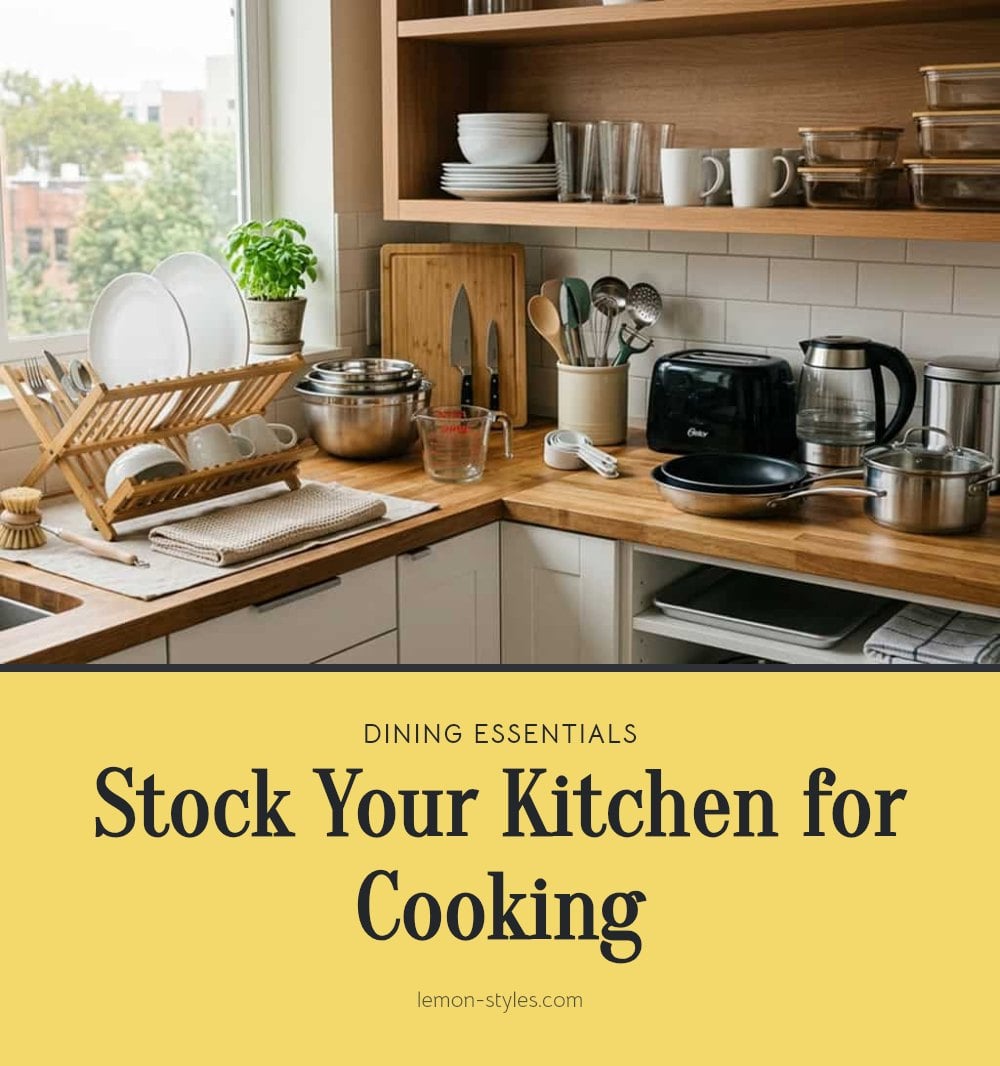
Focus on cookware and tools that let you make simple meals, not a full gadget collection.
- Get a medium pot for pasta, rice, and soups.
- Buy a large skillet for frying and sautéing.
- Pick a baking sheet for oven meals and reheating.
- Have four plates and bowls for everyday dining.
- Add cups and mugs for drinks and coffee.
- Get a basic cutlery set for four people.
- Use a chef’s knife and a cutting board for prep.
- Store leftovers in airtight containers with lids.
- Keep a trash can with a lid near the counter.
- Stock dish soap and sponges for cleaning as you go.
5. Bathroom Necessities: Hygiene and Emergencies
Stock your bathroom with the hygiene basics and one emergency tool you hope you never need.
- Toiletries: Shampoo, conditioner, body wash, toothpaste, and deodorant.
- Bath towels: Two per person so you always have a dry one.
- Hand towels: For quick drying after washing hands.
- Shower curtain and liner: Keeps water off the floor and prevents mold.
- Shower caddy: Carries your bottles to and from the shower.
- Toilet paper: Buy a multi-pack so you don’t run out mid-week.
- Plunger: The one item you need before a clog happens.
- Toilet brush and holder: For quick cleaning between deep scrubs.
- Bath mat: Absorbs water and keeps the floor from getting slippery.
- Medicine cabinet basics: Pain reliever, antacid, and adhesive bandages.
6. Cleaning and Maintenance Must-Haves
Having cleaning supplies from day one keeps your new place comfortable and prevents small messes from becoming big problems.
- All-purpose cleaner: Works on counters, tables, and most surfaces.
- Dish soap: For hand-washing dishes and greasy pans.
- Sponges and scrub brush: Replace sponges every two weeks to avoid bacteria.
- Broom and dustpan: Sweeps up crumbs, dirt, and dust daily.
- Vacuum: Essential for carpets and rugs; a stick vacuum works for small spaces.
- Mop and bucket: For hard floors in the kitchen and bathroom.
- Microfiber cloths: Reusable and better than paper towels for dusting.
- Trash cans: One for the kitchen, one for the bathroom, one for your bedroom.
- Trash bags: Get the right size for each can to avoid leaks and tears.
- Laundry detergent and stain remover: So you can wash bedding and towels right away.
7. Safety and Security: Protecting Yourself and Your Home
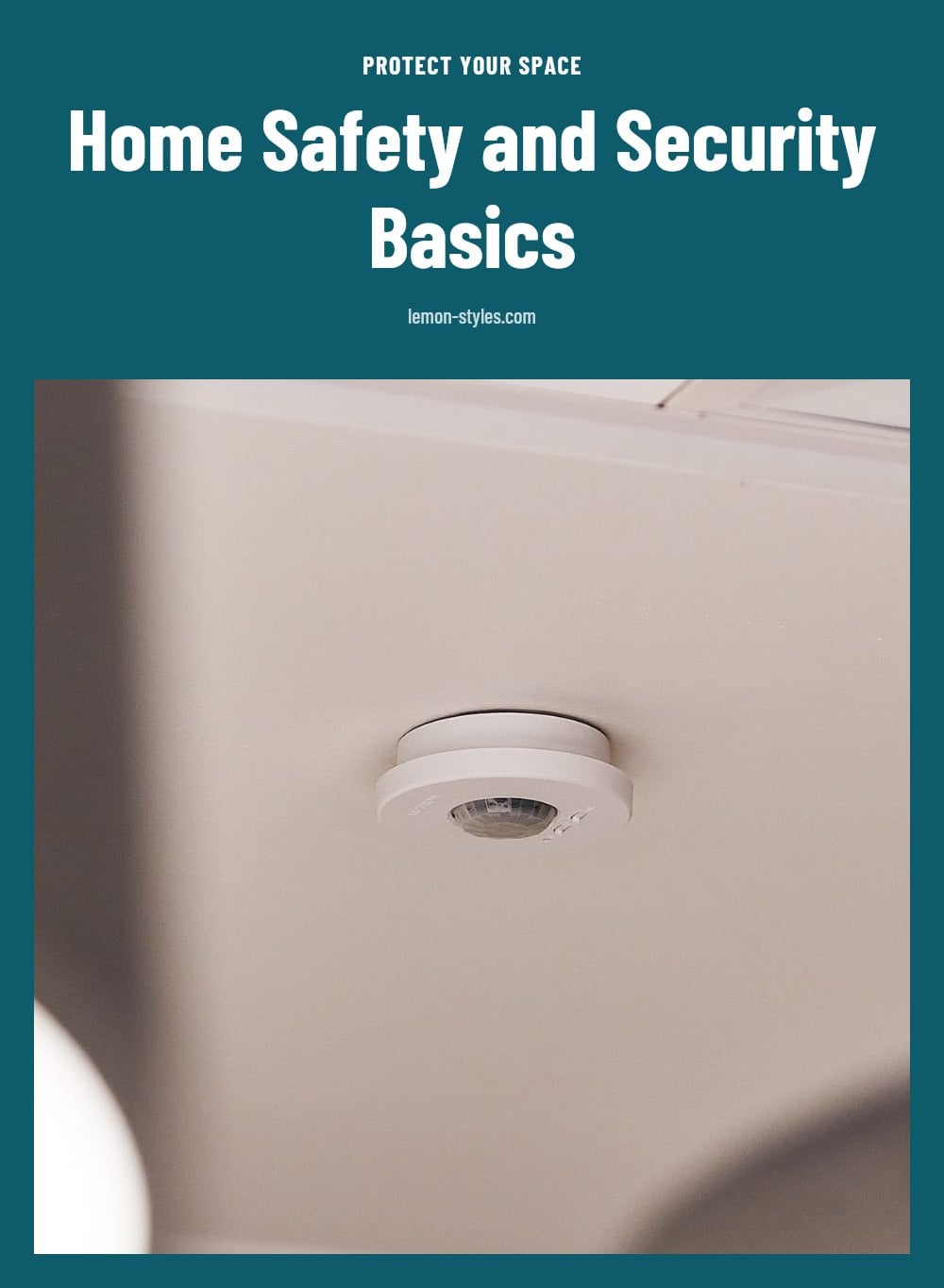
Your safety starts with checking what’s already in the apartment and adding a few affordable essentials.
- Smoke detectors: Test each one on move-in day and replace batteries if needed.
- Carbon monoxide detector: Essential if your apartment has gas appliances.
- Basic first-aid kit: Include bandages, antiseptic wipes, gauze, and medical tape.
- Fire extinguisher: Keep one in the kitchen, away from the stove but easy to grab.
- Emergency exits: Locate all stairwells and building exits on your floor.
- Local emergency numbers: Save police, fire, and landlord contact in your phone.
- Flashlight and extra batteries: For power outages and dark hallways.
- Surge protectors: Plug electronics into these to prevent damage from power spikes.
- Change locks: Ask your landlord for permission; rekeying is usually allowed.
- Doorstop or security bar: Adds an extra layer of protection to your front door at night.
8. Frequently Asked Questions
How much money should I save before moving into my first apartment?
A good rule of thumb is to have at least three to six months’ worth of rent saved up. This covers the security deposit (often one to two months’ rent), first month’s rent, utility setup fees, and initial purchases for essentials like a bed and kitchen supplies.
What are common hidden costs when renting an apartment?
Hidden costs can include application fees, parking fees if your building charges for a spot, moving truck rental or hiring movers, and utility hookup deposits. You may also need to buy things like a shower curtain, trash cans, and light bulbs that aren’t always covered in your initial budget.
Is renters insurance mandatory for my first apartment?
Most landlords require renters insurance as part of the lease agreement. Even if it’s not mandatory, it’s highly recommended because it protects your personal belongings from damage or theft and provides liability coverage if someone is injured in your apartment.
How do I set up utilities in my name?
Contact the local providers for electricity, water, gas (if applicable), and internet a week or two before your move-in date. You’ll typically need to provide your new address, the date you want service to start, and a form of identification. Some companies may require a deposit or credit check.
What should I do if something breaks in my apartment?
Report the issue to your landlord or property manager in writing as soon as possible, using email or a maintenance request system. Keep a copy of the communication. For urgent problems like a gas leak or no heat, call your landlord immediately and, if necessary, emergency services.
9. Final Thoughts
Focus on the functional items that make daily life possible: a comfortable bed, a pot for cooking, a plunger for the bathroom, and a first-aid kit for minor emergencies. The rest of the apartment can come together over several months as you find pieces you truly love. Remember that a well-documented move-in and a clear understanding of your lease will save you headaches later. Take it one step at a time, and your first apartment will feel like home before you know it.
This article provides general information for setting up your first apartment and is not a substitute for professional advice. Always read your lease agreement carefully and consult a legal professional if you have questions about your rights or obligations. For health or safety concerns, contact a qualified professional or your local emergency services.