You’ve noticed something off in your relationship, and now a nagging feeling won’t let go. Maybe it’s a sudden change in your partner’s routine, a new guardedness with their phone, or just an emotional distance that wasn’t there before. While no single sign proves infidelity, certain patterns can be red flags worth paying attention to. This article walks you through the most common behavioral changes that may indicate cheating, how to observe them without jumping to conclusions, and when to seek professional support.

Key Takeaways
- Look for a combination of sudden behavioral changes, not just one isolated incident.
- Increased secrecy around devices, finances, or schedules is a common red flag.
- Emotional distance and defensiveness often accompany other signs of infidelity.
- Trust your gut, but seek calm, open communication before making accusations.
- If distress becomes overwhelming, a therapist can help you process next steps.
1. What Are the Key Signs of Cheating?
While no single sign definitively proves infidelity, a combination of sudden behavioral changes and increased secrecy often indicates a partner may be cheating. These can include unexplained shifts in routine, secretive phone use, or emotional distance. It’s crucial to observe patterns over time rather than fixating on isolated incidents. Approach your concerns with careful observation and open communication, not immediate accusation, because these signs can also point to other relationship issues like stress or personal struggles. Trust your gut, but seek objective clarity before drawing conclusions.
2. 1. Sudden Changes in Routine or Schedule
If your partner’s daily routine or schedule suddenly shifts without a clear, consistent explanation, it could be a red flag. This might involve new “late nights at work” or “business trips” that seem out of character or are poorly accounted for.
My tip: Pay attention to inconsistencies in their stories or a lack of detail when you ask about these new activities. A genuine change usually comes with transparent communication.
- Notice if they avoid giving specific times or places.
- See if their explanations change each time you ask.
- Consider whether the new schedule aligns with other signs, like secrecy or defensiveness.
3. 2. Increased Secrecy Around Devices
A common indicator is a sudden increase in secrecy regarding phone use, computer activity, or social media. This might look like them guarding their phone, changing passwords, or taking calls in private.
My tip: Notice if they become defensive or irritated when you’re near their devices, or if they suddenly start deleting messages or browser history more frequently than before.
- Watch for new passcodes or fingerprint locks appearing.
- See if they angle their screen away from you.
- Observe whether they step out of the room to answer calls.
4. 3. Unexplained Financial Expenditures

New or unexplained financial expenditures, or even new, secret accounts, can be a significant red flag. This could be large cash withdrawals, gifts you didn’t receive, or unusual charges on shared accounts.
Tip: Keep an eye out for receipts for items you don’t recognize or new credit card statements arriving at the house that you weren’t aware of.
- Look for bank alerts for purchases you can’t place.
- Check if they suddenly insist on separate finances.
- Notice if they become vague about spending.
5. 4. Changes in Sexual Intimacy
A significant and unexplained increase or decrease in sexual intimacy can be a potential sign. This isn’t just about frequency, but also changes in passion or a new reluctance to be intimate. A sudden drop might mean their energy is going elsewhere, while an unusual surge can sometimes be a way to mask guilt or keep you from asking questions.
Good to know: Consider if the shift feels disconnected from emotional closeness. If intimacy becomes mechanical, rushed, or avoids eye contact, that disconnect matters more than the frequency itself. Trust the pattern over any single night.
6. 5. Increased Defensiveness or Irritability
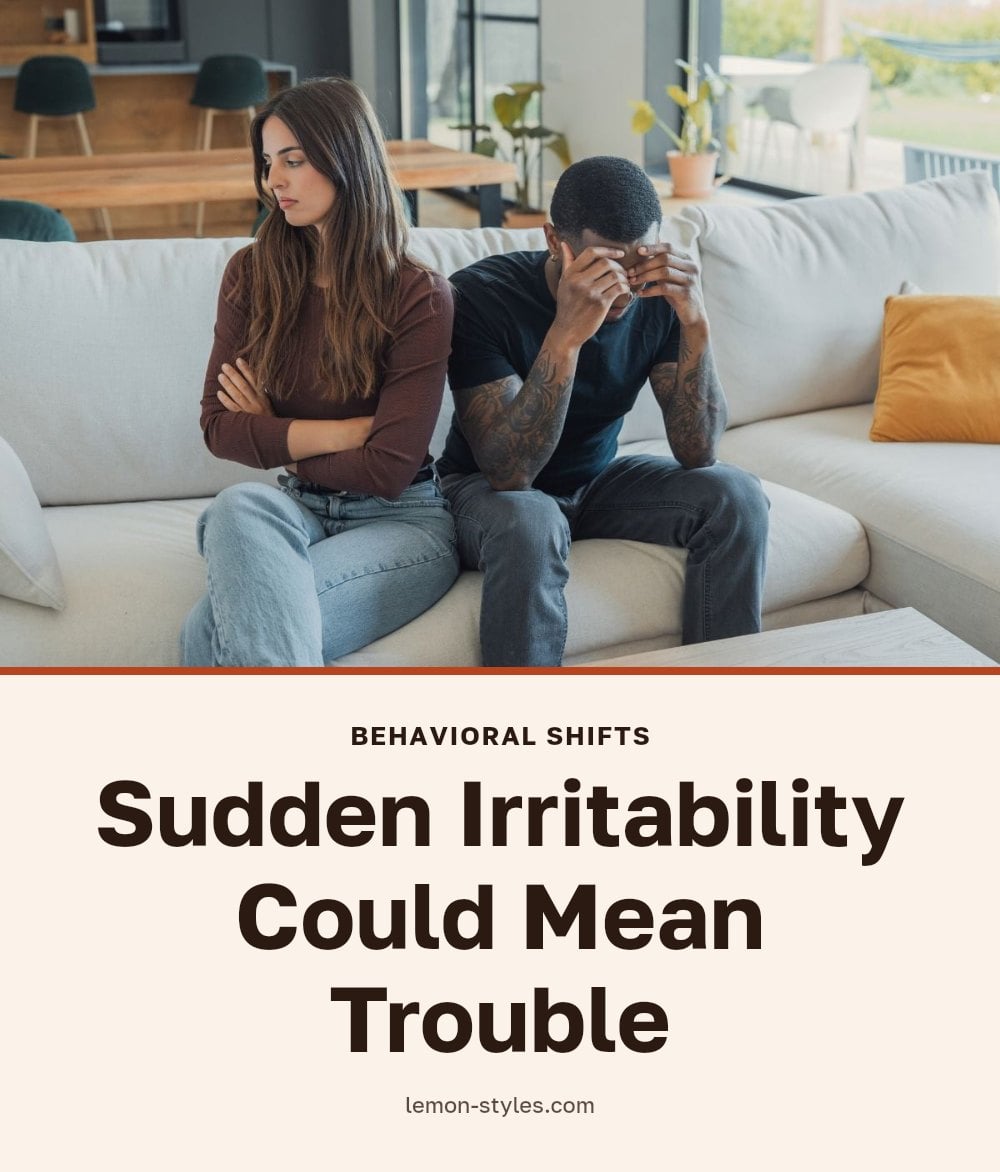
If your partner becomes unusually defensive or irritable when asked about their activities, whereabouts, or even general relationship topics, it can be a sign they’re hiding something. This reaction often appears out of proportion to a simple, neutral question.
Pro move: Notice if simple questions are met with anger, accusations, or an immediate shutdown of conversation. This often indicates discomfort with the truth. A partner with nothing to hide typically answers openly or asks why you’re curious, rather than turning the question back on you.
7. 6. Sudden Focus on Appearance

A sudden, unexplained focus on grooming, new clothing, or a drastic change in personal style can sometimes be a sign, especially when paired with other red flags. This becomes more telling if the change is out of character and appears aimed at someone outside the relationship.
Quick tip: While self-improvement is great, look for whether the effort is directed at a specific audience. If they suddenly care about their appearance only when heading out without you, or post more on social media than they used to, it’s worth noting alongside other behavioral shifts.
8. 7. Emotional Distance or Lack of Engagement
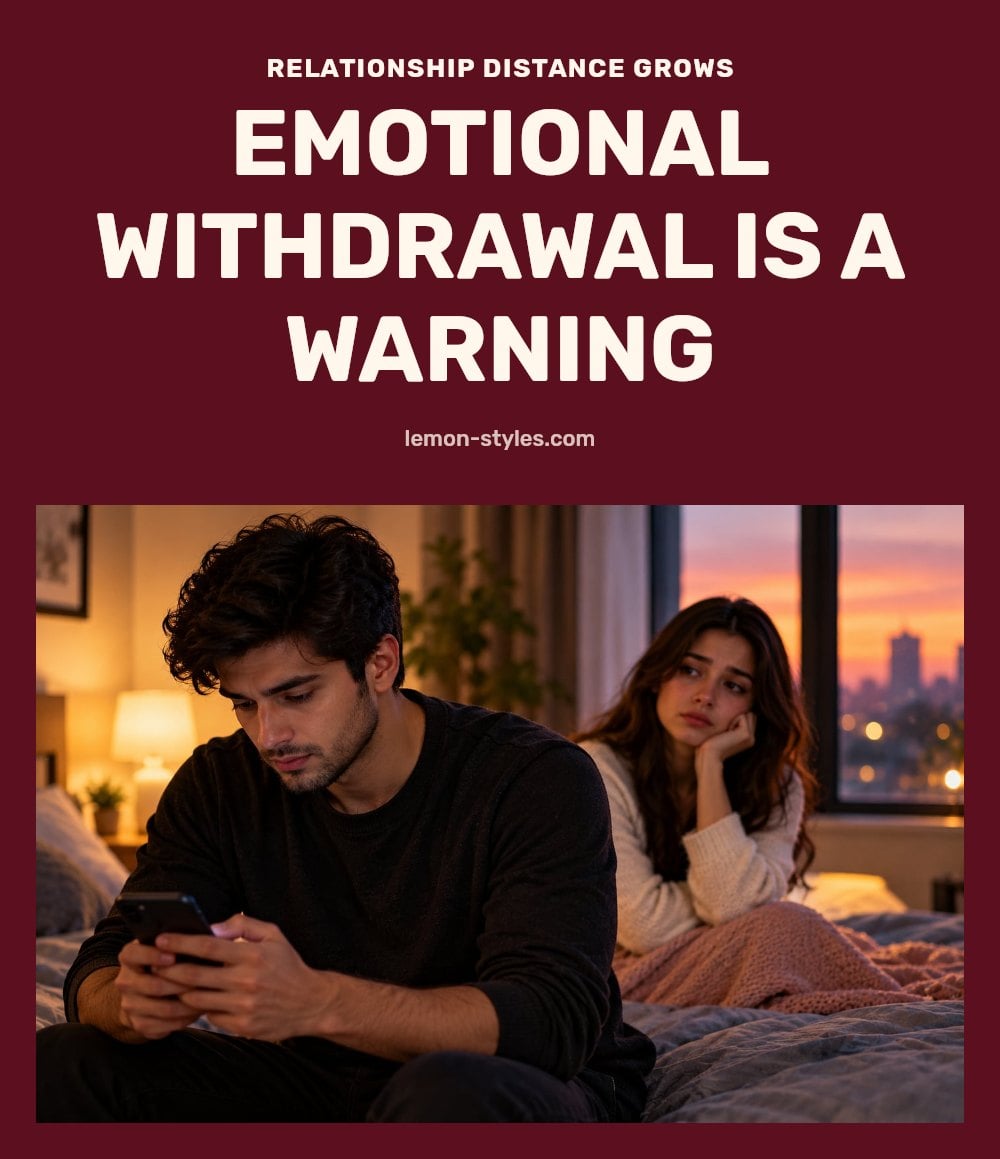
Emotional distance or a noticeable lack of engagement can be a strong indicator. They might seem preoccupied, less interested in your day, or generally withdrawn from conversations you used to share. This withdrawal often shows up as shorter answers and less eye contact.
Tip: If your partner used to share everything and now offers vague answers or avoids deep conversations, it could signal a shift in their emotional investment elsewhere. Pay attention to whether they still ask about your life or if the dialogue has become one-sided.
9. 8. New or Unusual Gifts/Items
Finding new or unusual gifts, receipts, or items that cannot be accounted for can be a direct clue. This might be jewelry, clothing, or even small trinkets that don’t belong to you or them. A partner who cheats may bring home items from outings with someone else, or they might hide purchases that would reveal their activities.
Good to know: If you discover something that seems out of place and your partner has no logical explanation, it’s a significant cause for concern. Ask calmly about the item and watch their reaction. A vague answer or a quick dismissal often reveals more than the object itself.
10. 9. Avoiding Shared Social Events
A partner who suddenly starts avoiding family events, social gatherings, or activities you previously enjoyed together might be trying to keep their two lives separate. This pattern often appears when they worry that being seen with you in a familiar setting could expose their other relationship or raise questions they are not ready to answer.
Pro move: If they consistently make excuses or seem uncomfortable in social settings where you are present, it could be a sign they are worried about being seen or about their other life overlapping. Notice whether the avoidance is selective, such as skipping your work party but attending their own, or whether it extends to every shared occasion.
11. 10. Projecting Guilt by Accusing You
Sometimes, a partner who is cheating will accuse you of infidelity. This can be a psychological projection of their own guilt, trying to deflect attention or rationalize their behavior. By shifting suspicion onto you, they hope to make their own actions seem less likely or to keep you on the defensive.
Quick tip: If these accusations come out of nowhere and lack any basis, especially when combined with other signs, consider it a potential red flag for their own actions. Respond calmly and ask for specific reasons behind the accusation. A lack of evidence or a changing story points back to them.
12. 11. Changes in Communication Patterns
Noticeable changes in how you communicate, such as less sharing, more arguments, or a general breakdown in open dialogue, can be a sign of underlying issues, including infidelity. When a partner invests emotional energy elsewhere, they often have less patience or interest in the daily exchanges that once came naturally. Conversations may become shorter, more guarded, or focused only on logistics.
Tip: If conversations become superficial, or if every discussion quickly escalates into a fight, it indicates a deeper problem that needs to be addressed. Try to reintroduce low-pressure check-ins, like asking about their day without expecting a full report. A consistent refusal to engage suggests they are protecting something.
13. When to Seek Professional Support
If the suspicion of infidelity is causing you significant emotional distress, anxiety, or depression, consider reaching out to a therapist or counselor. They can help you process your feelings and decide on next steps without judgment. Your mental health matters as much as the relationship itself.
Caution: If you feel unsafe or threatened by your partner’s reaction to your concerns, seek immediate support from a domestic violence hotline or a trusted individual. Your safety is paramount, and no conversation about cheating is worth risking it.
A couple’s therapist can also provide a safe space for open communication, whether or not infidelity is confirmed. They can help you both navigate difficult conversations and address underlying relationship issues that may be fueling your concerns.
14. Frequently Asked Questions
Can a cheater change?
Yes, some people do change, but it requires genuine remorse, a willingness to take responsibility, and often professional help. Change is not immediate and depends on the individual’s commitment to rebuilding trust. If your partner is willing to work on the relationship and address underlying issues, it’s possible, but it takes time and consistent effort from both sides.
How do I rebuild trust after infidelity?
Rebuilding trust is a slow process that requires open communication, transparency, and patience. Your partner needs to be willing to answer your questions, reassure you, and demonstrate consistent behavior over time. Couples therapy can be very helpful in navigating this journey. Remember that trust is rebuilt in small steps, and it’s okay to set boundaries and take things at your own pace.
Is it always cheating if they’re talking to someone else?
Not necessarily. Emotional infidelity can occur without physical contact, but not all close friendships are cheating. It becomes a problem when secrecy, emotional investment, and a shift away from your relationship are involved. If your partner is hiding conversations or prioritizing someone else over you, it’s worth discussing what boundaries you both consider acceptable.
What if I’m wrong about my suspicions?
It’s possible to misinterpret signs, especially if your partner is stressed or dealing with personal issues. That’s why it’s important to avoid accusations and instead express your feelings calmly. You might say, ‘I’ve noticed some changes and I’m feeling worried.’ This opens a dialogue without putting them on the defensive. If you’re wrong, you’ve still addressed your concerns and strengthened communication.
How does infidelity impact mental health?
Infidelity can cause significant emotional distress, including anxiety, depression, and a loss of self-esteem. Many people experience symptoms similar to post-traumatic stress, such as intrusive thoughts and hypervigilance. If you’re struggling with these feelings, it’s important to seek support from a therapist or counselor who can help you process your emotions and make healthy decisions.
15. Final Thoughts
If you’re seeing multiple red flags, the best next step is to have a calm, honest conversation with your partner about your concerns. Avoid accusatory language and focus on how their behavior makes you feel. Remember that observing patterns over weeks or months gives you a clearer picture than reacting to a single moment. If the situation takes a toll on your mental health, reaching out to a therapist or counselor is a wise move. Trust yourself, but also give your partner a chance to explain before you decide what to do next.
This article is for informational purposes only and is not a substitute for professional advice. If you are experiencing significant emotional distress or feel unsafe in your relationship, please reach out to a licensed therapist, counselor, or a domestic violence hotline. Every relationship is unique, and a professional can provide personalized guidance.