You know that feeling of being constantly rushed, even when you’re not technically busy? That mental speed can leave you drained and missing the best parts of your day. This article covers 20 simple, practical ways to intentionally slow down, reduce stress, and bring more calm and presence into your everyday life.
Slowing down isn’t about doing nothing. It’s a deliberate shift from autopilot to intentional living, choosing quality over quantity in how you spend your time and attention. The goal is to feel less overwhelmed and more connected to what truly matters.

Key Takeaways
- Start with one small practice, like two minutes of mindful breathing, rather than overhauling your whole routine.
- Schedule ‘slow time’ in your calendar just like any other appointment, even 15 minutes counts.
- Turn off phone notifications for set periods to reduce digital overwhelm and improve focus.
- Learn to say no to non-essential commitments to protect your time and energy.
- Prioritize quality sleep each night; a well-rested mind handles stress better and stays present longer.
1. What Does It Mean to Slow Down?
Slowing down is a deliberate shift from autopilot to intentional living. It means consciously choosing to reduce your pace, not to be idle, but to increase your awareness of each moment. The goal is improved well-being, lower stress, and greater enjoyment of life, choosing quality over quantity in your activities.
2. 1. Practice Mindful Breathing

Dedicate a few minutes each day to deep, conscious breathing. Focus on the sensation of air entering and leaving your body, the coolness at your nostrils, the rise and fall of your chest. This simple practice trains your brain to be more present and immediately reduces stress.
- My tip: Set a timer for 3 minutes. Inhale for 4 counts, hold for 4, exhale for 6. Repeat.
- Do this first thing in the morning or during a work break.
3. 2. Spend Time in Nature

Regularly seek out green spaces like parks, gardens, or walking trails. Engage your senses fully: notice the rustle of leaves, the scent of damp earth, the play of light through branches. Being outdoors has been shown to reduce stress hormones and improve mood, making it a powerful tool for slowing down.
- Caution: Be mindful of your surroundings, especially in unfamiliar areas.
- Try 10-15 minutes with your phone silenced and tucked away, so you can focus on what’s around you.
4. 3. Implement Digital Detoxes

Schedule specific times to turn off notifications or put your phone away. Start with short periods, an hour before bed or during meals. Even brief breaks from screens can decrease feelings of overwhelm and improve focus.
- Tip: Use your phone’s ‘focus mode’ to silence alerts for set blocks.
- Try a 24-hour digital detox once a week to reset your mental pace.
5. 4. Engage in Creative Hobbies
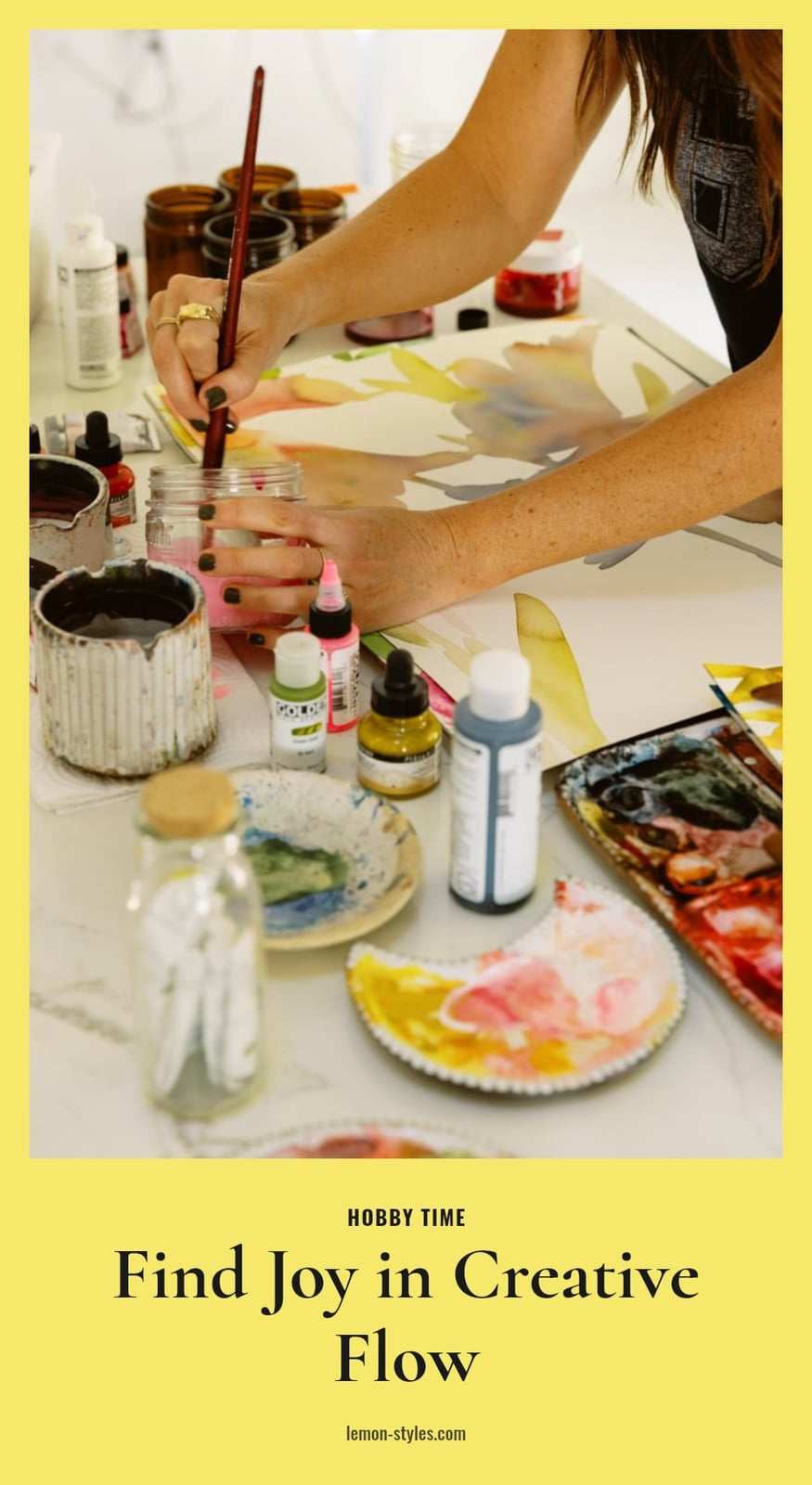
Pick a hands-on activity where the doing itself holds your attention: painting, knitting, writing, or working with clay. Focusing on a creative task can help you settle into a flow state, that absorbed stretch where mental clutter quiets down and time feels less rushed.
Keep the goal on the process, not the result. A lopsided scarf or a messy first draft still counts.
- Try: set a 20-minute timer and stop when it rings, finished or not.
6. 5. Prioritize Quality Sleep

Aim for consistent, adequate sleep each night so your body and mind can restore. A well-rested mind handles stress better and stays present longer, while a short night tends to shorten your fuse the next day.
- Wind-down cue: dim the lights an hour before bed and swap scrolling for a book.
- Good to know: a steady bedtime matters as much as total hours.
If sleep problems persist for weeks, talk to a doctor.
7. 6. Practice Daily Gratitude
Take a few minutes daily to name what you are grateful for, from a warm drink to a friend who checked in. This small practice can shift your perspective and foster a more positive outlook over time.
Write three items in a journal, or simply think them through on your commute. Either way works.
8. 7. Set Clear Boundaries
Draw clear lines between work and personal time: a set stop hour, no email at the dinner table, a separate room or corner for work. Learn to say no to non-essential commitments that drain your energy, and decline before you are already stretched.
Boundaries are how you prevent burnout and protect your time. Expect some pushback at first and hold the line anyway.
9. 8. Eat Mindfully

Put your phone face down in another room and give a meal your full attention: the flavor of the first bite, the texture, the aroma rising off the plate. Screens split your focus and make you eat faster without registering much.
- Try this: set your fork down between bites to stretch the meal a few minutes.
- Good to know: eating with others and no devices turns a routine task into real company.
10. 9. Move Your Body Gently
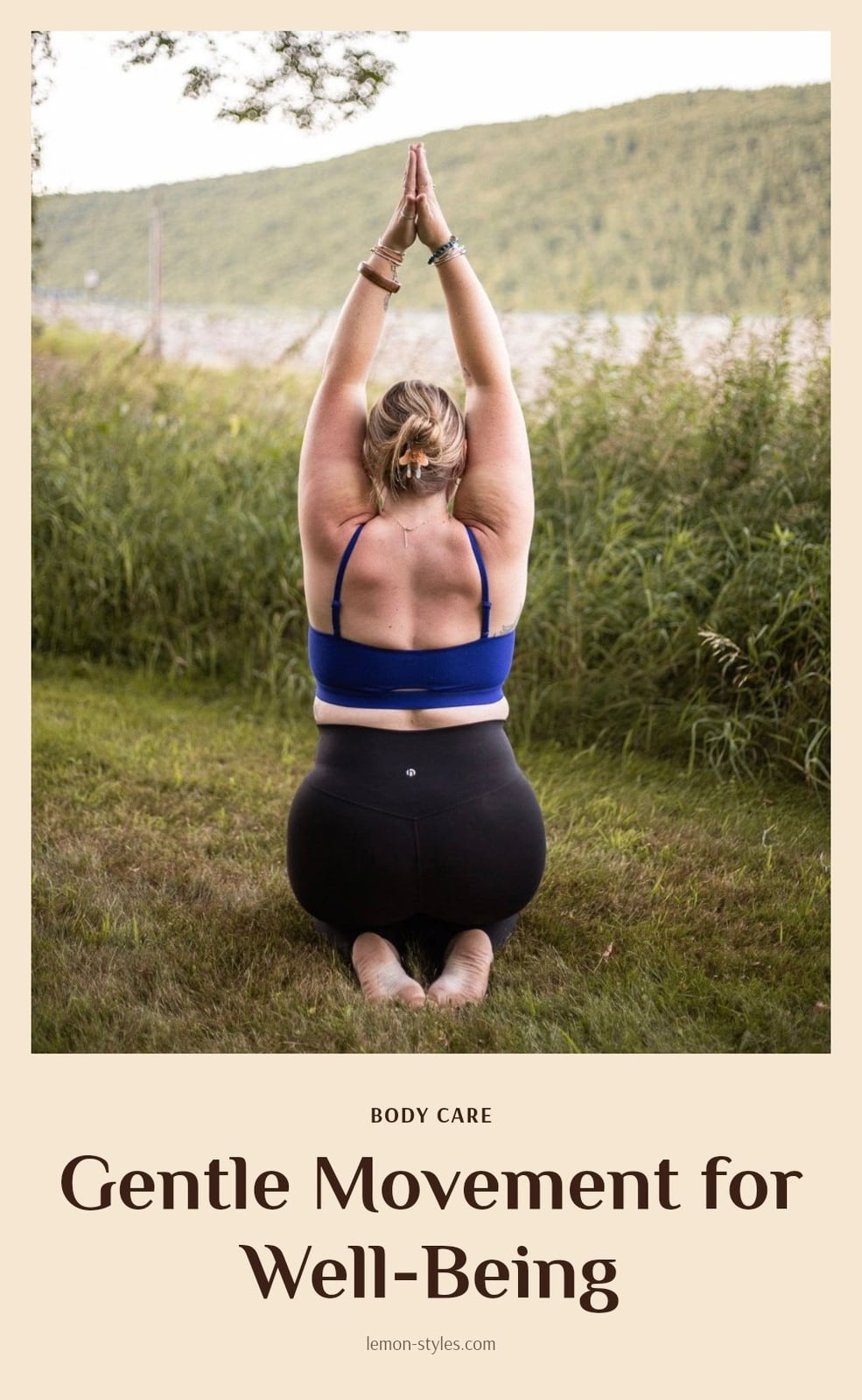
Choose regular, gentle activity: a walk around the block, a short yoga sequence, ten minutes of stretching before bed. Movement like this helps release physical tension and can clear your head, and it asks nothing of your pace.
- Tip: match your breathing to the movement, one breath per stretch or a steady rhythm on your walk.
- Caution: check with a doctor before starting a new routine if you have an injury or health condition.
11. 10. Declutter Your Space
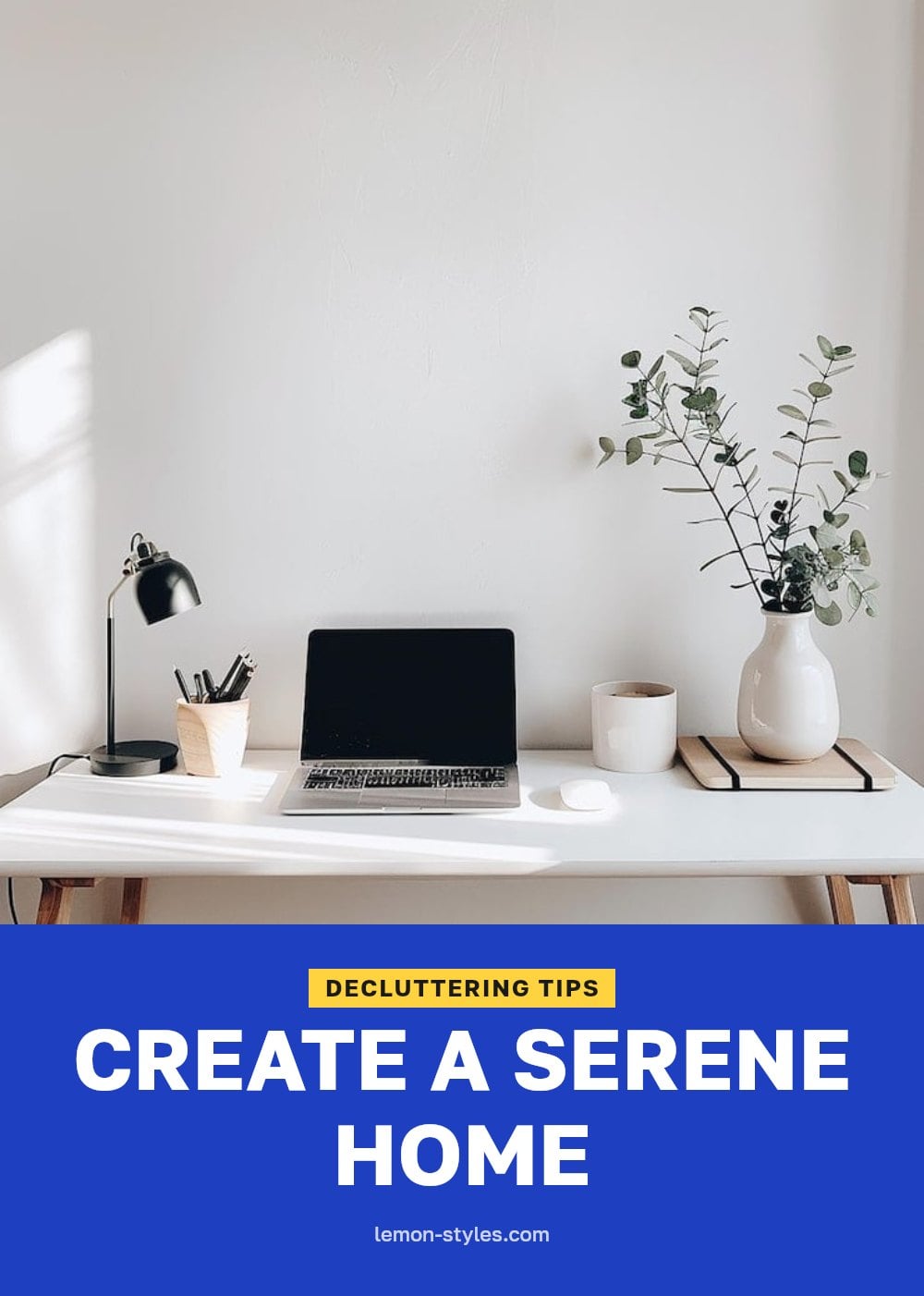
Pick one small area, a nightstand drawer, the kitchen counter, one shelf, and clear it completely before moving on. Tidying your physical environment can lead to a clearer, calmer mind, and a less cluttered space often means less mental clutter.
- Pro move: set a 15-minute timer so the task stays small and finishable.
- Good to know: one drawer a day adds up over a month without a single marathon session.
12. 11. Start Journaling

Write for 5 to 10 minutes a day without editing or judging what lands on the page. Putting thoughts into sentences can build self-awareness and help you spot patterns, like the days you feel most rushed or the commitments that drain you.
- Try this: start with three lines: what happened, how you felt, what you want tomorrow.
- Tip: keep the journal where you make coffee so it is the first thing you reach for.
13. 12. Learn to Say ‘No’
Master the art of politely declining requests that don’t align with your priorities. A simple, honest phrase like “I can’t take that on right now, but thanks for thinking of me” works without over-explaining. Protecting your time and energy is a powerful act of self-care, not selfishness.
Remember, saying no to one thing means saying yes to something else important to you, whether it’s a quiet evening, a personal project, or simply rest. This shift in mindset turns a difficult conversation into a deliberate choice for your well-being.
14. 13. Take Intentional Breaks
Schedule short, deliberate breaks into your day rather than waiting until you crash. Step away from your work, stretch your arms overhead, look out a window, or take five slow breaths. These micro-breaks prevent mental fatigue and help you reset, so the next stretch of work feels less rushed.
15. 14. Practice Single-Tasking
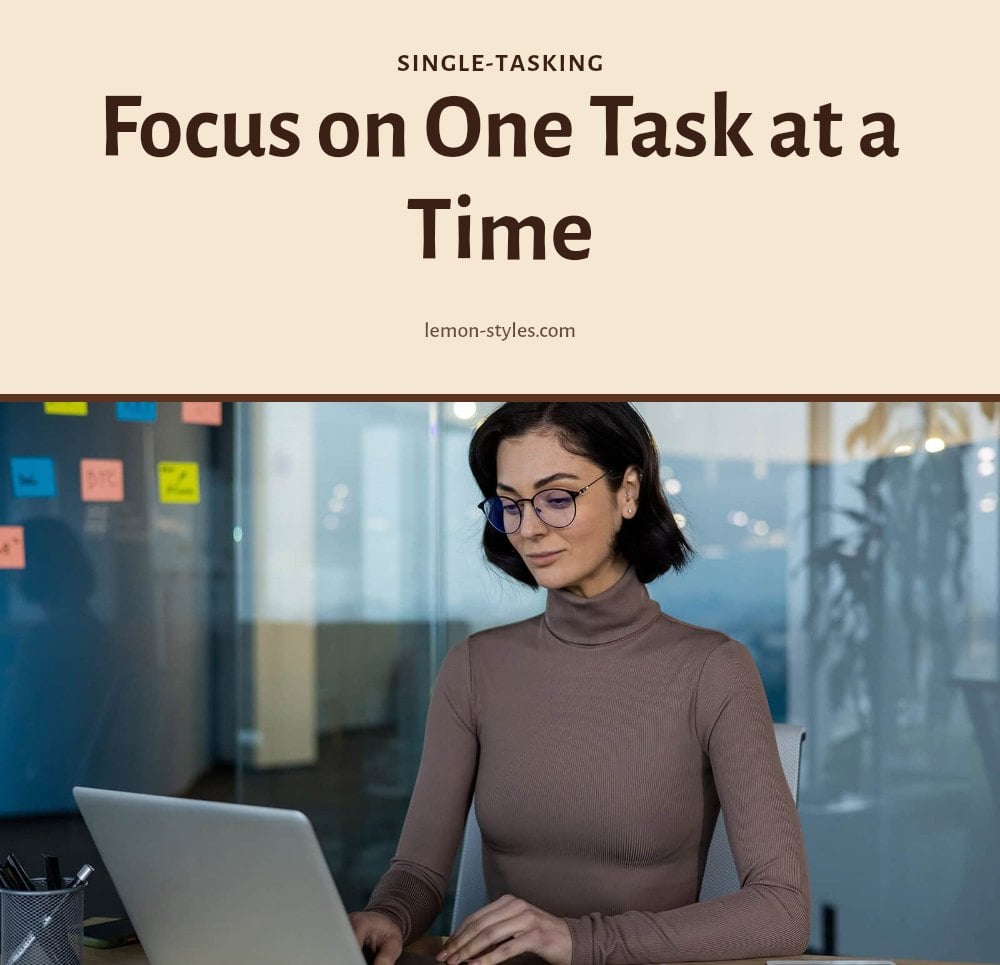
Choose one task and give it your full attention: close the extra tabs, silence alerts, and keep a single window open. Multitasking splits your focus and often makes you feel busier than you are, while single-tasking can improve focus and reduce errors.
Your mind will wander anyway. When it does, notice it without scolding yourself and gently bring your attention back to the task at hand, as many times as it takes.
16. 15. Cultivate a Calm Morning
Leave your phone in another room for the first 20 to 30 minutes of the day, and don’t open email until that window passes. Use the time for a quiet activity: a few pages of a book, a stretch on the floor, or a cup of tea you actually sit down to drink.
A device-free start sets a calmer, more intentional tone for the hours that follow, making it easier to carry that pace into your tasks.
17. 16. Schedule ‘Slow Time’
Block out slow time in your calendar the way you would a dentist appointment: pick the day, set the start and end, and give it a name. Even 15 minutes of quiet reading, a short walk, or simply staring out the window all count.
- Treat it as non-negotiable: if someone asks for that slot, say you’re booked.
- Start with one block a week: add a second only when the first holds.
18. 17. Observe Without Judgment
Practice noticing your thoughts, feelings, and surroundings without sorting them into good or bad. When a thought arrives, label it plainly, “planning” or “worry,” then let it pass.
This creates a little distance from overwhelming emotions, so you can acknowledge what is instead of reacting to it. Try it for one minute while waiting for the kettle.
19. 18. Connect with Loved Ones
Make room for real conversation and unhurried time with friends and family, even a 20-minute call with no other tab open. Connection like this is a strong antidote to feeling rushed and isolated.
Put your phone in another room or face down out of reach, and give the person your full attention. Presence is the whole point, not catching up on everything at once.
20. 19. Reflect on Your Values
Every few months, sit down and write what actually matters to you: three to five values, such as health, close relationships, or work you respect. Then look at last week’s calendar and see how much of it served them.
That clarity makes prioritizing easier and saying no to what doesn’t fit far less guilt-inducing. Aligned actions tend to produce a more intentional, less hurried pace without extra effort.
21. Common Mistakes When Trying to Slow Down
Most stalled attempts at slowing down come from a handful of predictable missteps. Watch for these.
- Believing it’s about doing nothing: It’s about intentionality and presence, choosing quality over quantity in what you do. A slow, attentive hour can hold more than a frantic afternoon.
- Trying to force it: Don’t expect immediate, drastic results. Add one practice at a time and let it fit the life you already have, or you’ll drop all of it by week two.
- Underestimating digital distractions: Constant checking and alerts speed up your mental pace more than you notice. Turn off nonessential alerts and schedule screen-free blocks deliberately.
- Not communicating boundaries: Unspoken limits get tested and broken. Tell people what your new hours look like, and practice politely declining requests that don’t serve your goal.
- Confusing busyness with importance: Many of us are conditioned to read a full calendar as proof of worth. Measured, mindful work often produces more than a packed one.
Caution: If overwhelm, anxiety, or low mood persists no matter what you change, talk with a healthcare professional rather than pushing through alone.
22. Frequently Asked Questions
Is slowing down the same as being lazy?
No, not at all. Slowing down is about intentionality and presence, not inactivity. It means choosing how you spend your time and energy with awareness, rather than running on autopilot. A slow, attentive hour can hold more meaning and effectiveness than a frantic, scattered afternoon.
How long does it take to feel the benefits of slowing down?
Benefits like reduced stress and greater calm can start to show within a few days or weeks of consistent practice. However, deeper shifts in your overall well-being and pace of life usually build over several weeks to months. The key is patience and sticking with small, regular habits.
Can I still be productive if I slow down?
Yes, absolutely. Slowing down is not about being unproductive; it’s about being more intentional with your focus. By single-tasking, taking breaks, and reducing digital distractions, you often become more effective and make fewer errors. A calm, clear mind can accomplish more meaningful work than a frantic one.
What if I don’t have much free time to slow down?
You don’t need hours. Start with micro-moments: two minutes of deep breathing between tasks, a five-minute walk around the block, or eating one meal without your phone. Even small pockets of intentional presence can lower your stress and help you feel less rushed throughout the day.
How can I stop digital distractions from speeding me up?
Start by turning off all non-essential notifications on your phone. Schedule specific times to check email and social media, rather than responding to every ping. You can also use your phone’s ‘focus mode’ or ‘do not disturb’ setting during work hours, meals, and the hour before bed. Even short breaks from screens can decrease feelings of overwhelm.
23. Final Thoughts
My tip: pick just one practice from the list and try it for one week. Maybe it’s leaving your phone in another room for the first 20 minutes of your morning, or taking a short walk without any distractions. Don’t aim for perfection; aim for consistency. Expect gradual shifts over weeks and months, not an instant transformation.
Slowing down is an ongoing practice, not a one-time fix. The more you integrate these moments of intentional presence, the more natural they become. You’ll find that a slower pace doesn’t mean less life; it often means more of it.
This article is for general informational purposes only and does not constitute medical or professional advice. If you are experiencing persistent feelings of overwhelm, anxiety, or depression, please consult a qualified healthcare professional. Always listen to your body and adjust any new practices to your individual needs.