You’ve probably seen the term ‘slugging’ floating around skincare circles, and it’s exactly what it sounds like: covering your face in a thick, shiny layer of occlusive goo, usually petroleum jelly, before bed. It sounds messy, but for anyone battling dry, dehydrated, or sensitive skin, this K-beauty trick can be a game-changer for locking in moisture and repairing your skin barrier. In this article, I’ll walk you through exactly what slugging is, how to do it right, and who should (and shouldn’t) try it.
Key Takeaways
- Slugging involves applying a thick layer of petroleum jelly as the final step in your nighttime routine.
- It works by creating a physical barrier that prevents water loss from your skin.
- Start with 2 to 3 nights per week, not every night, especially if you have oily or combination skin.
- Always cleanse thoroughly and apply serums and moisturizer before the occlusive layer.
- Skip slugging if you have active acne, very oily skin, or broken skin.
1. What Exactly Is Slugging?
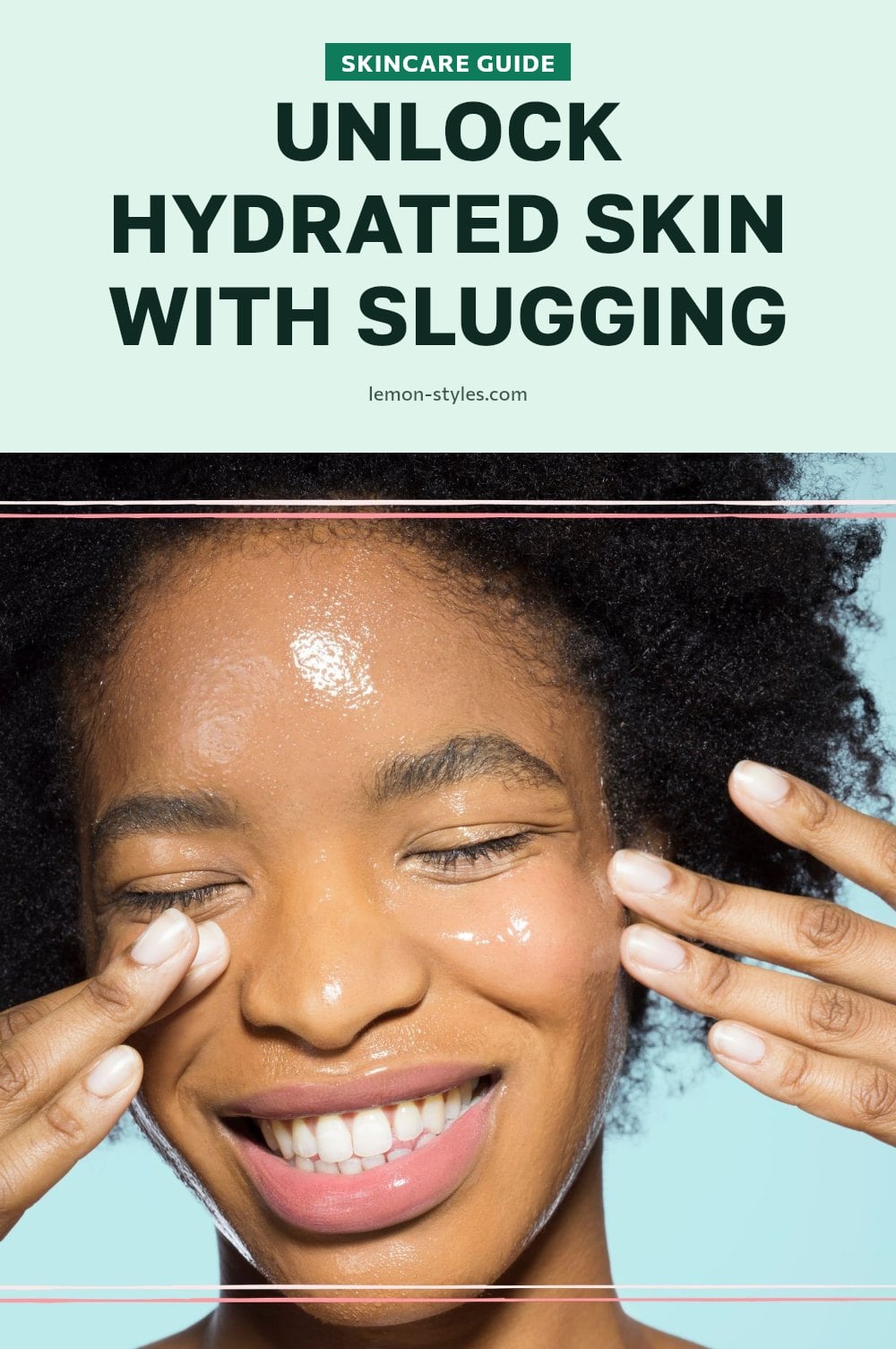
Slugging is a K-beauty skincare technique where you apply a thick layer of an occlusive product, like petroleum jelly, as the very last step of your nighttime routine. Its main goal is to create a protective barrier on your skin to prevent moisture loss, leading to incredibly hydrated and plump skin. The name ‘slugging’ comes from the shiny, ‘slug-like’ appearance your skin has after applying the occlusive.
2. Your Slugging Essentials
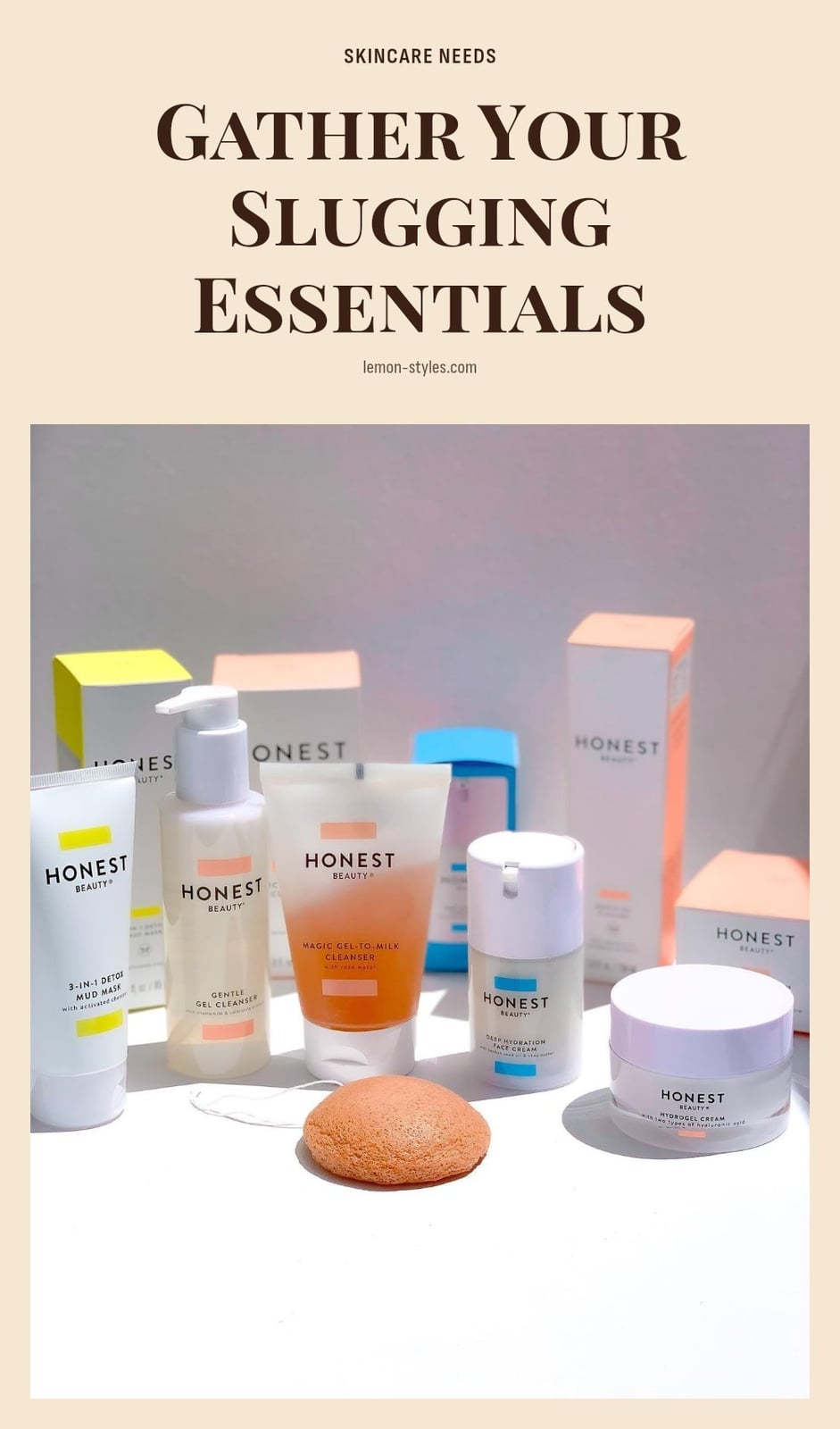
To start slugging, you need a few key products:
- Gentle cleanser: Cleanses without stripping your skin’s natural oils, giving you a clean canvas.
- Hydrating serum: Like hyaluronic acid, to draw moisture into the skin.
- Moisturizer: To lock in hydration and provide a base for the occlusive.
- Petroleum jelly: The most common and effective occlusive, but other balms with ceramides or lanolin can work too.
3. Step-by-Step: How to Slug Your Skin for Maximum Hydration
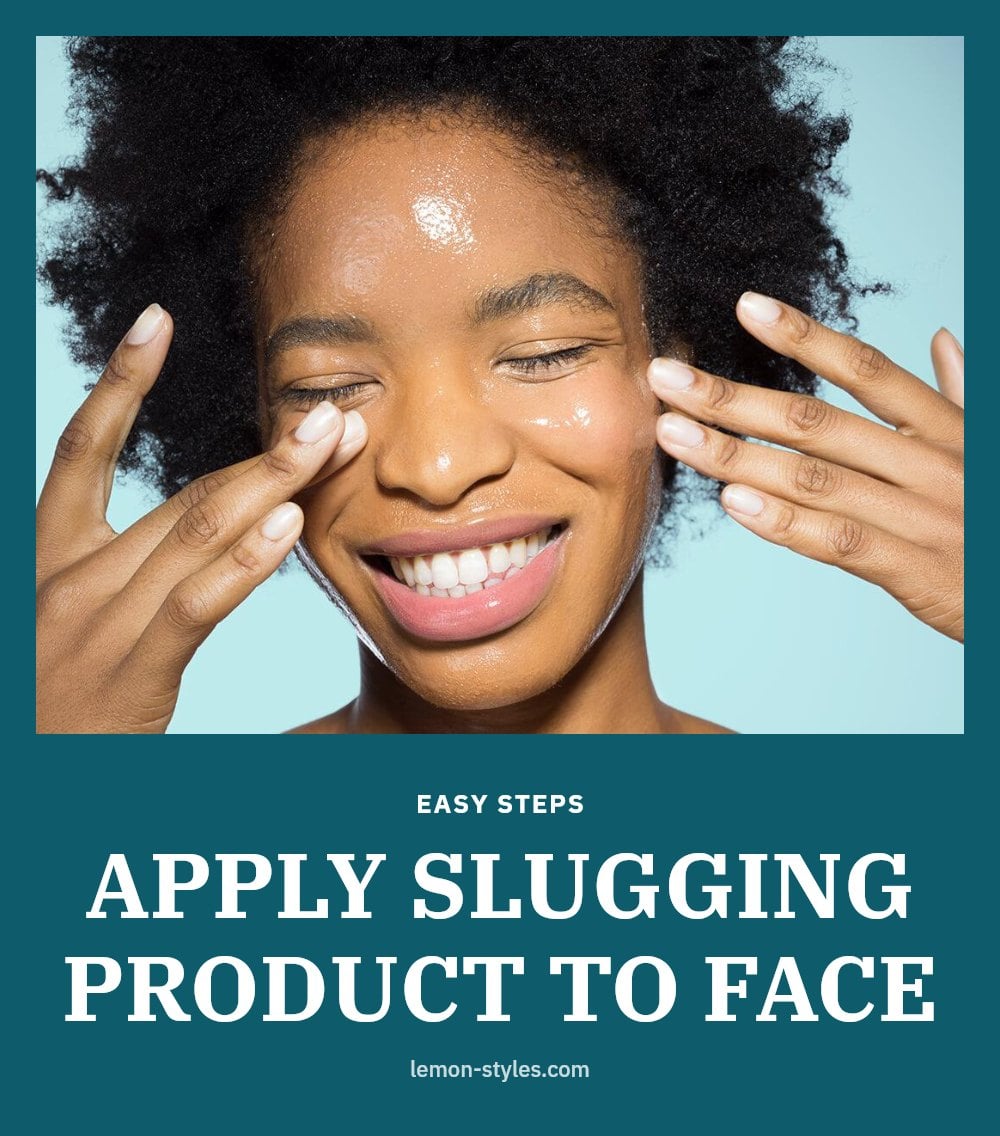
- Cleanse your face: Use a gentle cleanser to remove all makeup, sunscreen, and dirt. Trapping impurities under an occlusive layer can lead to breakouts or irritation.
- Apply your usual serums: Layer your hydrating serum, like one with hyaluronic acid, while skin is still damp. This gives the occlusive something effective to seal in.
- Follow with moisturizer: Spread your regular moisturizer over the serums. Slugging locks in that moisture, so a good base layer matters.
- Apply a pea-sized amount of occlusive: Warm a small dab of petroleum jelly between your fingers, then press it evenly over your entire face. Treat the pea-sized amount as a guideline, not a target to exceed: a thin, even layer is enough to form the barrier, and piling on more mostly adds grease, not results.
- Use only at night: Slugging should be the final step in your nighttime routine. During the day, the layer would interfere with makeup and sunscreen.
- Start 2-3 times per week: Aim for 2-3 nights a week, especially if you have dry skin. If your skin tolerates it well, you can gradually increase frequency, but every night is rarely necessary.
Here is the method in action: Doctorly demonstrates it in about 9 minutes. The how-to part starts at 1:03.
4. Why Slugging Works: Preventing Moisture Loss
Slugging works by forming a physical barrier on your skin’s surface. This barrier dramatically cuts down transepidermal water loss (TEWL), the process where water naturally evaporates from your skin. By trapping moisture inside, the occlusive layer keeps your skin plump and hydrated.
Less water loss also means a stronger skin barrier over time. A healthy barrier is better at holding in moisture and defending against irritants, which is exactly why slugging is so effective for dry or compromised skin.
5. Best Tips for a Successful Slugging Routine
- Cleanse first: Always cleanse your face thoroughly before slugging to avoid trapping dirt or bacteria. Use a gentle cleanser that doesn’t strip your skin.
- Layer in order: Apply your regular hydrating serums and moisturizers before the occlusive layer to maximize their benefits. The occlusive seals everything in, so you want a hydrated base.
- Start small: A pea-sized amount of petroleum jelly is a good starting guideline for the entire face. More isn’t necessarily better and can be messy, so spread it thin and even and add a little more only if you need it.
- Patch test: If you have sensitive skin, test your chosen occlusive on a small area first. This helps you avoid a full-face reaction.
- Protect your pillow: Use an old pillowcase or place a towel over your pillow, since the occlusive can transfer overnight.
- Pace yourself: Slugging works well 2-3 times a week, especially for dry skin, rather than nightly, unless your skin is extremely dry. Adjust based on how your skin feels.
6. Common Slugging Mistakes and How to Fix Them
Using too much product: A very thick layer isn’t more effective and can feel greasy. Start with a pea-sized amount as a guideline, then spread it thinly and evenly. You only need enough to create a light, protective film, not a heavy coating.
Slugging over dirty skin: Always cleanse your face thoroughly before applying any products, especially an occlusive, to prevent trapping impurities. This can lead to breakouts or clogged pores.
Slugging every night: While beneficial, slugging every single night might be too much for some skin types. Start with 2-3 times a week and adjust based on your skin’s response.
Applying over strong actives: Occlusives can enhance the penetration of ingredients like retinoids or AHAs, potentially causing irritation. Avoid slugging directly over them; apply your actives first, let them absorb, then skip the occlusive or use a lighter moisturizer.
Expecting it to clear acne: Slugging is for hydration and barrier repair, not acne treatment. It can even make acne worse for some skin types by trapping sebum.
7. Choosing Your Occlusive: Petroleum Jelly vs. Other Options
| Occlusive Type | Pros | Cons |
|---|---|---|
| Petroleum jelly | Most occlusive, widely available, affordable | Can feel heavy, may stain pillowcases |
| Ceramide-rich balms | Adds barrier repair ingredients, less greasy feel | Less occlusive than petroleum jelly |
| Lanolin-based ointments | Very occlusive, good for extremely dry skin | Potential allergen for some people |
Petroleum jelly is the most occlusive and widely recommended option for slugging. Other occlusive balms like those with ceramides or lanolin can also be used, offering additional skin benefits. Consider your skin’s sensitivity and any potential allergies when choosing an occlusive product.
8. Who Should (and Shouldn’t) Try Slugging?
Slugging is a game-changer for those with dry, dehydrated, or sensitive skin, or anyone looking to repair a compromised skin barrier. The thick occlusive layer locks in moisture and reduces water loss, which can soothe irritation and improve skin texture over time.
If you have oily or acne-prone skin, slugging might not be for you as it can trap sebum and potentially lead to breakouts. The occlusive layer can clog pores and worsen existing acne.
Avoid slugging over active acne, broken skin, or strong active ingredients like retinoids or AHAs, as it can worsen irritation. If you have any of these conditions, skip the slugging step and focus on healing first.
9. How Often to Slug and When to Expect Results
Start with 2-3 nights per week as part of your nighttime routine. Dry skin types can work up to nightly use if their skin tolerates it, but this isn’t necessary for everyone. Adjust frequency based on how your skin responds: if you notice any irritation or breakouts, scale back.
Timeline: Improved hydration and a plumper feel often show within a few uses. A stronger, healthier skin barrier becomes noticeable after several weeks of consistent slugging.
Cost: Slugging is very affordable. A jar of petroleum jelly costs a few dollars and lasts for months, making it a budget-friendly addition to your routine.
10. Frequently Asked Questions
How often should I slug?
Most people do well slugging 2 to 3 nights per week as part of their nighttime routine. If you have very dry skin and your skin tolerates it, you can work up to nightly use, but oily or combination types should stick to the lower end to avoid clogging pores.
Can I slug if I have sensitive skin?
Yes, sensitive skin can benefit from slugging because it strengthens the moisture barrier and reduces water loss, which can soothe irritation. Just make sure to patch test your occlusive product first and avoid applying it over any active ingredients like retinoids or AHAs that might increase sensitivity.
What if I don’t want to use petroleum jelly?
There are alternatives. Ceramide-rich balms are less greasy and add barrier-repair ingredients, while lanolin-based ointments are very occlusive but may trigger allergies in some people. Vegan options like plant-based waxes or shea butter can also work, though they may not be as occlusive as petroleum jelly.
Does slugging help with acne?
Slugging is not designed to treat acne and can actually make breakouts worse for people with oily or acne-prone skin, because it can trap sebum and bacteria. If you have active acne or clogged pores, it’s best to skip slugging until your skin is clear.
How long should I leave slugging on my face?
Slugging is meant to be left on overnight while you sleep. You can wash it off in the morning with your usual cleanser. There’s no need to leave it on longer than that, and wearing it during the day can be messy and may trap dirt from the environment.
11. Final Thoughts
If your skin is crying out for extra hydration, slugging is a simple, affordable way to give it a boost. My tip: start with two nights a week and see how your skin responds before going more often. You’ll likely notice a plump, dewy difference after just a few sessions. Just remember: it’s a moisture-sealing step, not a replacement for your regular moisturizer, and it’s best saved for nighttime.
This article is for general informational purposes only and does not constitute medical or professional skincare advice. Individual skin types and conditions vary, and what works for one person may not work for another. If you have a persistent or serious skin concern, please consult a dermatologist or licensed skincare professional.