You finished a workout, felt fine, and now, a day or two later, every step reminds you of it. That ache is delayed onset muscle soreness, or DOMS, and it is a normal part of your muscles adapting to new stress. It usually shows up 12 to 24 hours after exercise and peaks between 24 and 72 hours.
This article covers why it happens, simple ways to ease the discomfort, and when it is worth checking in with a doctor. My tip: start with light movement and hydration before you reach for anything else.
Key Takeaways
- DOMS peaks 24 to 72 hours after exercise and usually resolves within 3 to 7 days.
- Light activity like walking or easy cycling can help ease soreness by boosting blood flow.
- Prioritize 7 to 9 hours of sleep and stay well hydrated to support recovery.
- Avoid intense exercise on sore muscles and never push through sharp, sudden pain.
- See a doctor if soreness lasts longer than 7 days or comes with swelling, redness, or warmth.
1. How to Quickly Alleviate Sore Muscles
Sore muscles, or DOMS, typically show up 12 to 24 hours after exercise and peak between 24 and 72 hours. To ease the discomfort, combine light movement, proper hydration, and rest. Gentle activity like walking boosts blood flow to aid recovery, while cold or heat can help manage the ache. It’s a normal part of the process.
2. Why Your Muscles Feel Sore After a Workout
Why Your Muscles Feel Sore After a Workout
The soreness you feel, known as delayed onset muscle soreness (DOMS), comes from microscopic tears in muscle fibers and the body’s inflammatory response to repair them. It is not caused by lactic acid buildup, which is cleared from muscles much faster than soreness appears.
DOMS is a sign that your muscles are adapting to new or increased stress. It doesn’t necessarily mean you had a ‘good’ workout; it just reflects a new challenge. As your muscles get used to the activity, soreness typically lessens.
3. Effective Ways to Soothe Sore Muscles
Effective Ways to Soothe Sore Muscles
Start with light, active recovery. A short walk or easy cycling session increases blood flow, which can help reduce stiffness. Keep the intensity low, just enough to get blood moving.
Gently stretch your sore muscles to maintain flexibility, but avoid aggressive stretching, especially on cold muscles. Tip: Do dynamic stretches like leg swings after a general warm-up of 5-10 minutes of light activity, or perform them at a low intensity to serve as the warm-up itself. Save deep static holds for when muscles are warm.
Apply cold compresses or take a cold bath to reduce inflammation and numb pain. Use an ice pack for 15 to 20 minutes at a time, then remove it for at least 20-30 minutes before reapplying. Caution: If you have circulatory issues or are sensitive to cold, check with a doctor before trying cold baths.
Warm baths or showers can improve circulation and relax tight muscles. The heat helps soothe and ease discomfort.
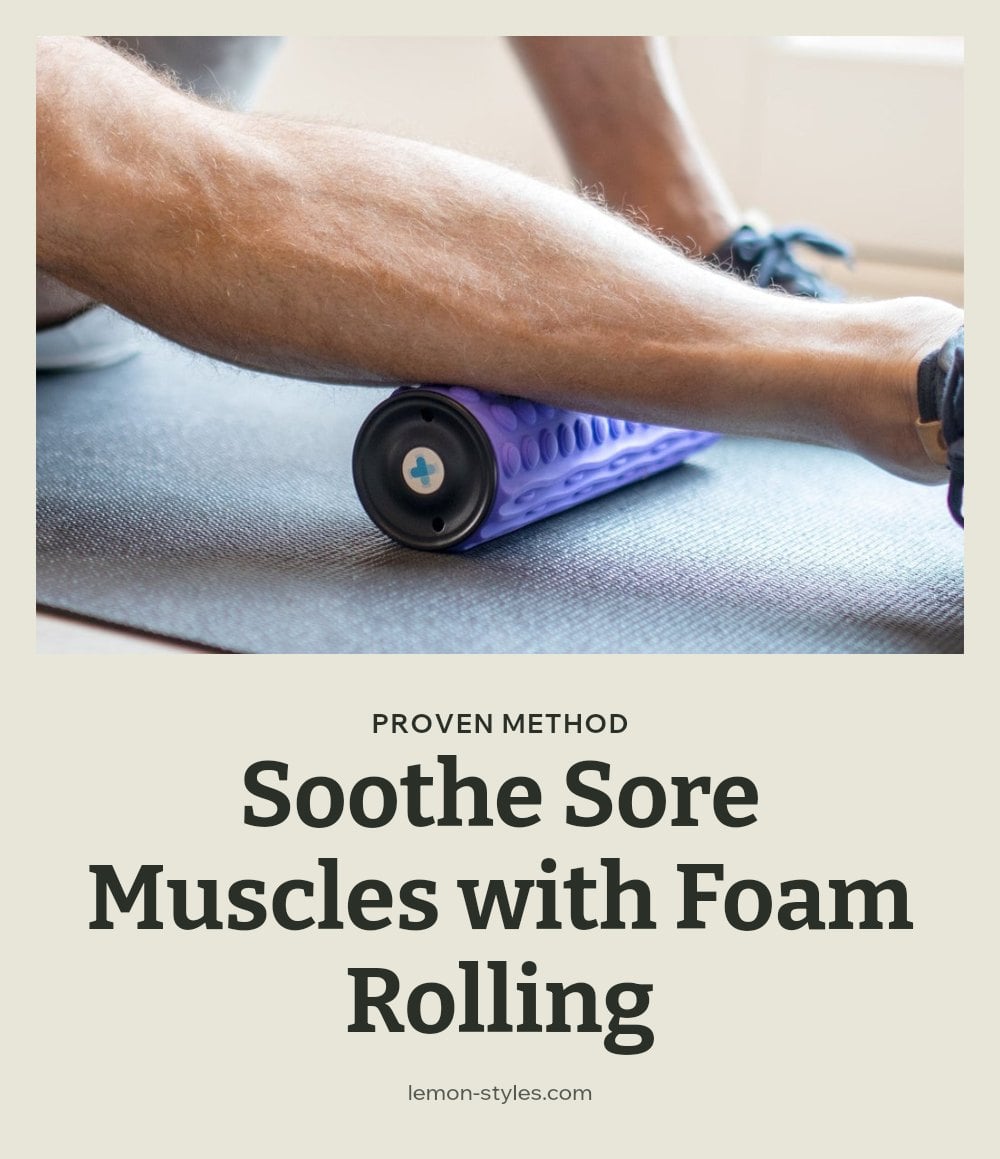
Consider a gentle massage or foam rolling to reduce muscle tension and improve blood flow. Pro move: Use slow, light pressure on sore areas, and avoid pressing too hard on any single spot for more than 30 seconds.
4. Tools and Aids for Muscle Recovery
Tools and Aids for Muscle Recovery
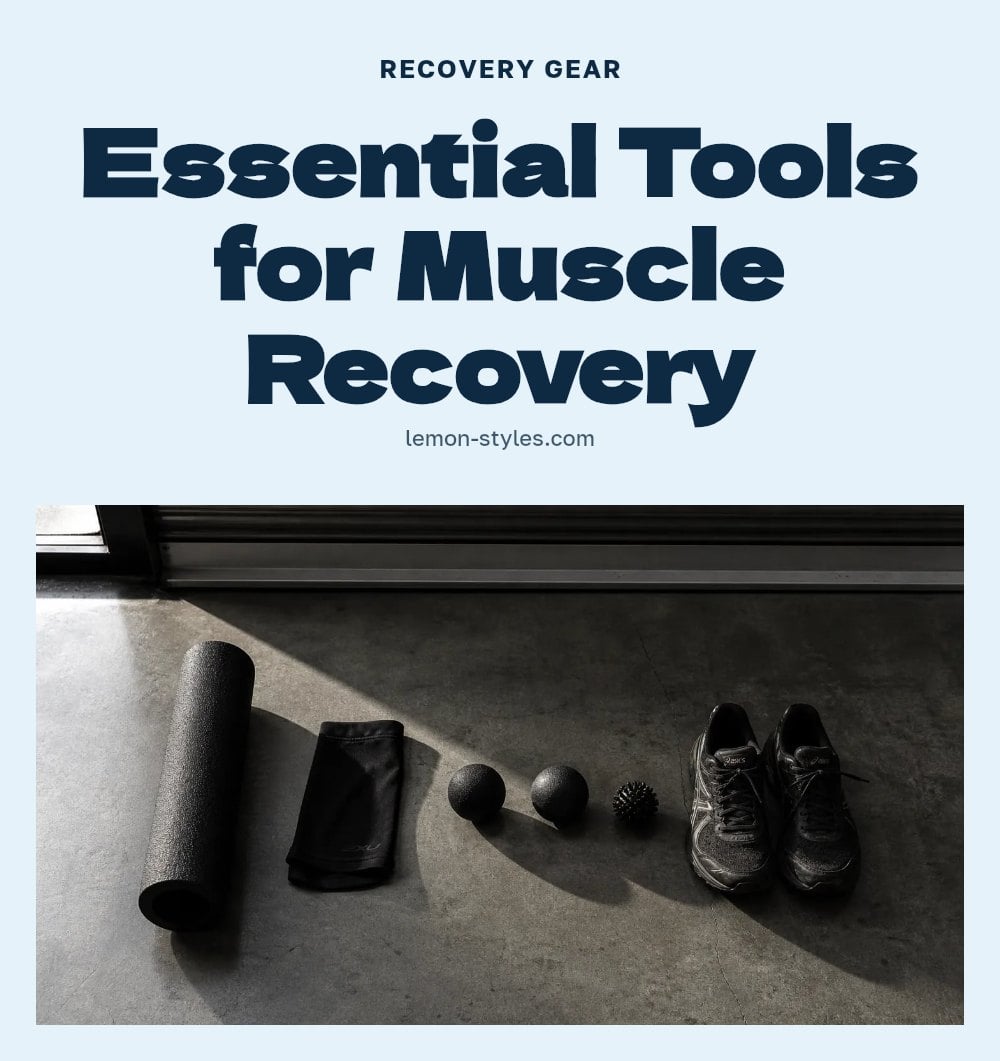
Having the right tools can make recovery easier. A foam roller works well for self-massage and releasing muscle tension in larger areas like your thighs and back. A massage ball targets smaller, harder-to-reach spots such as your shoulders or glutes. For heat therapy, a heating pad or warm bath relaxes muscles and boosts circulation. For cold therapy, an ice pack or cold bath reduces inflammation and numbs pain. And keep a water bottle handy to stay consistently hydrated throughout the day, which supports overall recovery.
5. Common Soreness Mistakes to Avoid
Some habits keep soreness around longer than it needs to stay. These are the ones I see most often, including in my own routine.
- Believing lactic acid is the cause: Lactic acid clears from muscles within hours. The ache comes from microscopic tears and the inflammation that follows, so flushing it out is not the goal.
- Thinking soreness equals a good workout: It only means your muscles met new stress. A hard session that leaves you feeling fine the next day still counts.
- Skipping rest days: Muscle repair happens between workouts, not during them. Train a different area or take an easy day instead of pushing through.
- Over-stretching aggressively: Gentle stretching is fine. Forcing a sore muscle into a deep stretch can make the discomfort worse.
- Not hydrating sufficiently: Water supports the bodily functions behind recovery. Keep a bottle within reach and sip through the day.
6. Preventing Future Muscle Soreness
You cannot prevent every bout of soreness, but these habits lower how often and how hard it hits.
- Gradual progression: Raise intensity or duration in small steps rather than jumping to a new level in one session.
- Warm-up properly: Start with dynamic stretches and easy movement to prepare muscles for the work ahead.
- Cool-down effectively: Finish with a few minutes of light cardio and gentle stretching while muscles are still warm.
- Prioritize sleep: Aim for 7 to 9 hours, since repair work happens largely at rest.
- Stay hydrated: Drink consistently through the day, especially before and after workouts.
- Nutrient-rich diet: Include protein after exercise and anti-inflammatory foods such as those rich in omega-3s.
7. When to Consult a Doctor About Soreness
Most soreness settles within 3 to 7 days. Some signs mean you should check in with a doctor rather than wait it out.
- Duration: Soreness that is severe, keeps you from normal movement, or lasts longer than 7 days warrants medical advice.
- Swelling, redness, or warmth: These around the sore area can point to injury or infection, so get them looked at.
- Sharp, sudden pain: Stop the activity right away and seek professional help.
- Ice baths: Skip them if you have circulatory issues or are sensitive to cold, and ask a doctor if you are unsure. A cold pack held on the sore spot for a shorter time, or a cool rather than icy shower, may be a gentler option for these readers.
8. Frequently Asked Questions
How long does muscle soreness typically last?
Most muscle soreness resolves within 3 to 7 days with proper care and rest. It usually peaks between 24 and 72 hours after exercise and then gradually fades. If soreness lasts longer than 7 days, it is worth consulting a doctor.
Can I work out with sore muscles?
It depends on the intensity. Light activity like walking or easy cycling can help ease soreness, but intense exercise on already sore muscles is not recommended. Listen to your body and avoid any activity that causes sharp, sudden pain.
Is soreness a sign of a good workout?
Not necessarily. Soreness simply means your muscles were stressed in a new or more intense way and are adapting. It is not a reliable measure of workout quality, and you can have an effective session without significant soreness afterward.
What’s the difference between muscle soreness and injury pain?
Soreness is a dull, aching feeling that builds gradually and is spread across the muscle. Injury pain is often sharp, sudden, and localized, and may come with swelling, redness, or warmth. If you have those signs, stop activity and consult a doctor.
Are there foods that can help with muscle recovery?
Yes, certain foods can support recovery. Consuming protein after exercise aids muscle repair, and anti-inflammatory foods rich in omega-3 fatty acids may help reduce inflammation. A balanced diet with adequate protein and hydration is your best bet.
9. Final Thoughts
My advice: treat recovery as part of your routine, not a break from it. On sore days, keep intensity low and choose gentle movement, hydration, and sleep over pushing through. You cannot prevent every bout of soreness, but you can lower how often and how hard it hits by progressing gradually and warming up properly.
Expect soreness to ease within 3 to 7 days with proper care. If it lingers beyond 7 days or comes with swelling, redness, or warmth, check in with a doctor. Listen to your body, and it will thank you.
This article provides general information and is not a substitute for professional medical advice. Always consult a doctor or dermatologist for any persistent or serious health concerns. If you experience severe pain, swelling, or other unusual symptoms, seek medical attention promptly.