You know the feeling: you open a sale email “just to look” and twenty minutes later something is on its way to you. Impulse spending is rarely about the item. It is about the moment you are in when you click buy, and that is actually good news, because moments can be managed. This article walks through why unplanned purchases happen, the simple tools that keep your money visible, and the practical steps that make mindful spending feel normal rather than restrictive.

Key Takeaways
- Name your spending triggers first, since willpower alone rarely stops impulse buys.
- Set a 24 to 48 hour waiting period before any non-essential purchase.
- Build a monthly budget that lists fixed costs, variable costs, then discretionary money.
- Unsubscribe from marketing emails and unfollow accounts that tempt you to shop.
- Reach out to a financial advisor or therapist if debt or anxiety feels unmanageable.
1. How to Stop Impulse Spending
Impulse spending rarely stops through willpower alone. It stops when you know what sets it off and build a plan around that knowledge. Start by naming your triggers: the store you browse when you’re bored, the sale email you open at midnight, the checkout button that already has your card saved. Then decide in advance what happens next. A strict monthly budget tells you what’s actually available to spend, and a 24 to 48 hour waiting period on anything non-essential gives the urge time to fade. Good to know: the goal isn’t to buy nothing. It’s to make conscious choices instead of reactive ones.
2. Why We Spend Impulsively
Most unplanned purchases aren’t really about the item. They’re about the moment you’re in when you click buy.
What’s driving the purchase
- Emotions: Stress, boredom, sadness, and even excitement all push people toward a quick purchase. Buying feels like relief or a reward, and the feeling passes long before the item arrives.
- Retail tactics: Limited-time offers, countdown timers, and products placed right where you’ll pass them are designed to shorten your thinking time. A flash sale works because it removes the pause you’d normally take.
- Buy now, pay later: Splitting a payment into smaller pieces makes the purchase feel less immediate and less real. The total is the same, but the sting is delayed, which makes saying yes easier.
Once you can name which of these is operating in a given moment, you can interrupt it before checkout.
3. Tools and Resources for Financial Control
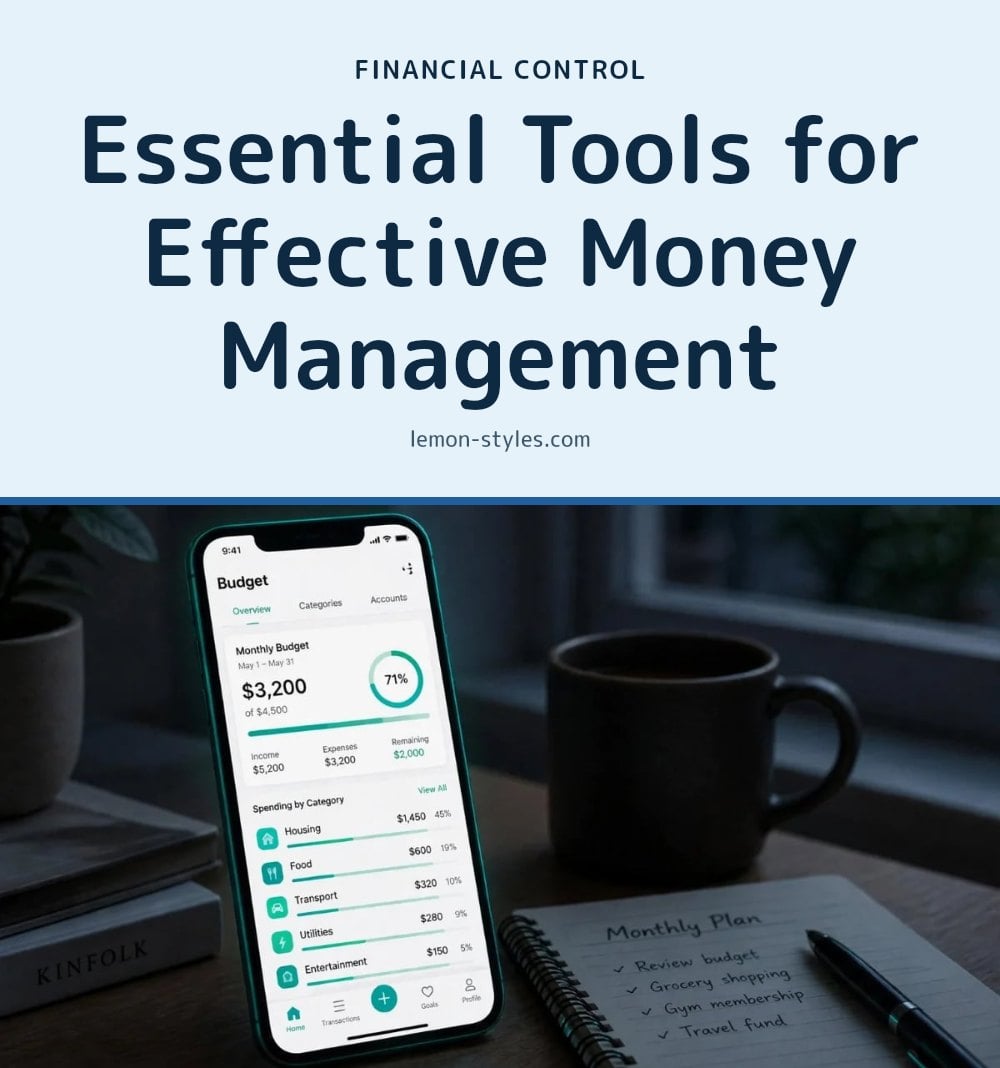
You don’t need a complicated system. A handful of simple tools covers almost everything.
- Budgeting app or spreadsheet: tracks income and expenses in one place so you can see what’s left after essentials.
- Shopping list: written before you leave or open a browser, it keeps you focused on what you actually came for.
- Cash: paying with physical bills for discretionary categories makes the act of buying tangible and harder to do on autopilot.
- Financial planner or journal: a place to write down goals and check progress against them, whether that’s a notebook or a planning tool.
4. Practical Steps to Curb Impulse Spending
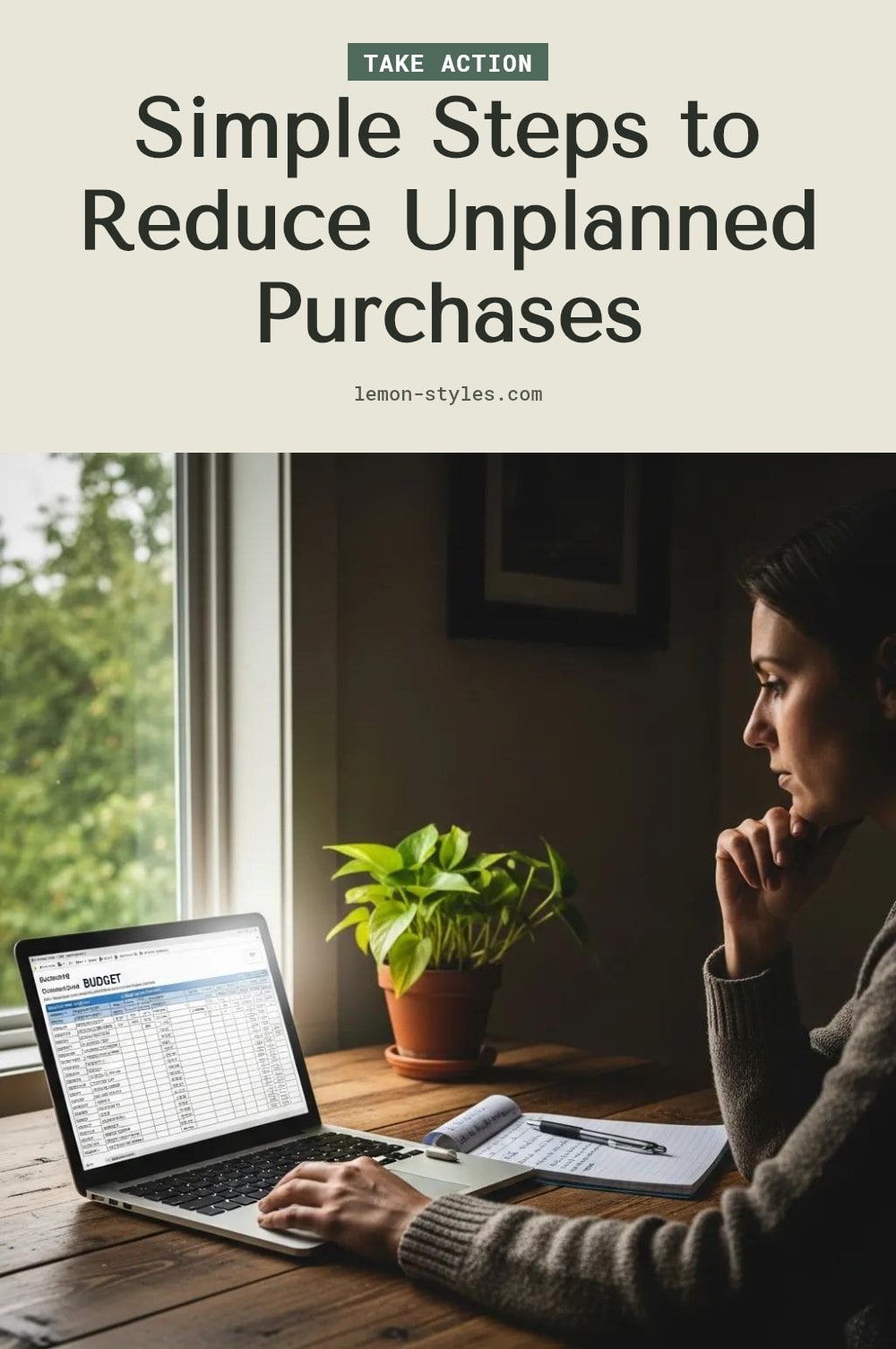
These steps work best in order. Each one makes the next easier to keep.
- Build a monthly budget: list fixed costs first, then variable ones, then what’s left for discretionary spending. Seeing the full flow shows you exactly where cuts are possible.
- Set a waiting period: for any non-essential item, wait at least 24 hours before buying. Put it on a list instead of in a cart. Many purchases lose their appeal by the next day.
- Shop from a list: write it before you go to the store or open a shopping site, and buy only what’s on it. If something catches your eye, add it to a list to reconsider after a 24-48 hour waiting period.
- Cut off the triggers: unsubscribe from marketing emails and turn off push notifications from shopping apps. Fewer prompts means fewer chances to buy on reflex.
- Replace the coping habit: when stress or boredom hits, reach for something that isn’t a store. A walk, a hobby, or a call to a friend gives the same emotional release without the receipt.
- Track every expense: log purchases for a month, then look for patterns. Repeat categories at certain times or moods are your real problem areas.
- Name your goals: a specific target, like paying down a balance or building an emergency fund, gives you a reason to pause at checkout. Write it where you’ll see it before you spend.
5. Common Impulse Spending Mistakes to Avoid
Most people who struggle with spending are making the same handful of errors. Spotting them is half the fix.
- Underestimating Small Purchases: A few dollars here and there feels harmless, but those buys add up fast and can quietly wreck a budget.
- Ignoring Your Budget: Without a clear number for your limit, you have no way to know when you’ve crossed it.
- Confusing Wants with Needs: Calling a desire a necessity is how unnecessary purchases get justified.
- Neglecting Emotional Triggers: If you never address the feeling behind the buy, the pattern repeats.
- Relying Solely on Willpower: Willpower fades by evening. Practical strategies don’t.
- Skipping Expense Tracking: Untracked money hides the patterns you need to see.
6. Smart Tips for Mindful Spending

These are the small moves that make the biggest difference once the basics are in place.
- Automate Your Savings: Set up an automatic transfer to savings on payday, so the money is out of reach before you can spend it.
- Use Cash for Discretionary Items: Pay for entertainment or dining out with physical cash. Handing over bills feels real in a way a tap does not, and when the cash is gone, you stop.
- Unfollow Tempting Accounts: Unfollow brands and influencers that push you to buy. Fewer ads in your feed means fewer urges.
- Avoid Shopping When Emotional: Skip browsing when you are hungry, tired, stressed, or bored. Those states raise the odds of an impulse buy.
- Clear Your Card Info: Delete saved card details from shopping sites. Typing the number in again gives you a moment to reconsider.
Pro move: Set a 24-hour waiting period for any non-essential purchase over a small amount, like $20. This pause helps separate impulse from intention.
7. Timeline for Building New Spending Habits
Expect a slow build, not a switch that flips overnight.
- Initial Changes: Within a few weeks of consistent effort, you may notice small shifts in your spending patterns.
- Establishing Habits: It usually takes several months of dedicated practice for mindful spending to feel automatic.
- Ongoing Effort: Managing impulse spending is continuous. Triggers change, and your plan needs to adapt with them.
- Cost: Many of these strategies are free or low-cost. Budgeting apps may charge for premium features, but the real cost is your time and commitment.
8. When to Seek Professional Help for Spending Habits
Some spending patterns need more than a budget spreadsheet. Reach out for help when:
- Debt feels unmanageable: If impulse spending has built debt you cannot handle alone, a financial advisor can map out a repayment plan.
- Your mental health is suffering: When spending causes anxiety, low mood, or strain in your relationships, a therapist or counselor can help.
- You suspect a deeper issue: If spending feels compulsive or out of control, professional psychological support is worth seeking.
- You are offered a loan: Watch for predatory lending. A reputable financial institution or nonprofit credit counselor is the safer place to start.
9. Frequently Asked Questions
Can buy now, pay later services make impulse spending worse?
Yes, they can. Splitting a payment into smaller installments makes a purchase feel less immediate and less costly in the moment, which can weaken the pause you would normally take. If you notice yourself using these options for non-essentials, treat them as a trigger and apply your waiting period before checking out.
Is it bad to browse online stores for fun?
It can be, if browsing regularly turns into buying. Shopping for entertainment keeps you in front of tempting offers and limited-time deals with no plan in place. If you enjoy looking, try browsing without saving your card details, or swap the habit for something that does not end at a checkout page.
How long does it take to stop impulse buying?
There is no fixed timeline, but most people need consistent effort over several weeks to months. You may notice small changes within a few weeks, while mindful spending usually takes several months of practice to feel automatic. Tracking your spending along the way shows you whether the pattern is actually shifting.
What if I shop when I am stressed or bored even after setting a budget?
That is common, because the emotion is the trigger, not the budget. Try naming the feeling before you open a store app and pairing it with an alternative outlet, like a walk, a hobby, or a call to a friend. A budget helps you plan, but coping with the emotion is what breaks the loop.
When should I seek professional help for impulse spending?
Reach out when debt feels unmanageable or when spending is affecting your mental health, such as causing ongoing anxiety. A financial advisor can help map out a repayment plan, and a therapist can help with the emotional side. If you suspect a scam or predatory lending, get advice before signing anything.
10. Final Thoughts
My tip: pick one step and hold it for a month before adding another. The waiting period is usually the easiest place to start, because it costs nothing and catches the purchases you would otherwise regret. Expect small shifts within a few weeks and several months of practice before mindful spending feels automatic. Progress is not a perfect record, it is a pattern you can see in your own tracking.
If a purchase still feels urgent after the wait, ask whether it is a need or a want and check it against your budget line. That single pause is often enough to change the answer.
This article offers general information about spending habits and is not medical or financial advice. If impulse spending is causing serious debt, anxiety, or distress, speak with a financial advisor, therapist, or other qualified professional who can assess your situation.