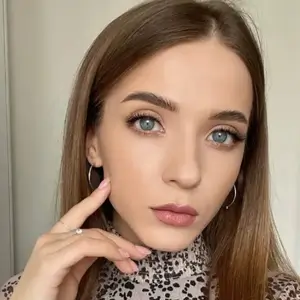
Ash brown is everywhere right now—and not the brassy, orange-tinted kind your aunt ended up with in 2019. I’m talking about the cool-toned stuff: Mushroom Brown 2.0 with its portobello-inspired depth, Frosted Walnut with that ‘I didn’t try but somehow look expensive’ frost, Slate Brunette that borders on granny hair but actually works. Sabrina Carpenter ditched blonde for it. TikTok’s ‘Cool Girl Ash’ movement won’t shut up about it. Even the salon I walked into last month had three people in the chair asking for the same thing: no warmth, all sophistication.
Summer ash brown hair color 2026 spans everything from the Butterfly Cut’s face-framing layers to the Italian Bob’s chunky, textured ends—cuts that work whether you’ve got thick waves, fine straight hair, an oval face, or a round one that needs some strategic softening. These aren’t your standard Pinterest brunettes. They’re specifically designed to fight brassiness in humidity and actually look better as they grow out.
I spent two years chasing warm tones before my colorist finally said, ‘Stop fighting your undertones.’ One ash gloss later, I stopped looking washed out in summer. Turns out the color you think you want and the color that actually makes you look alive are two different things.
1. Platinum Ash Money Piece
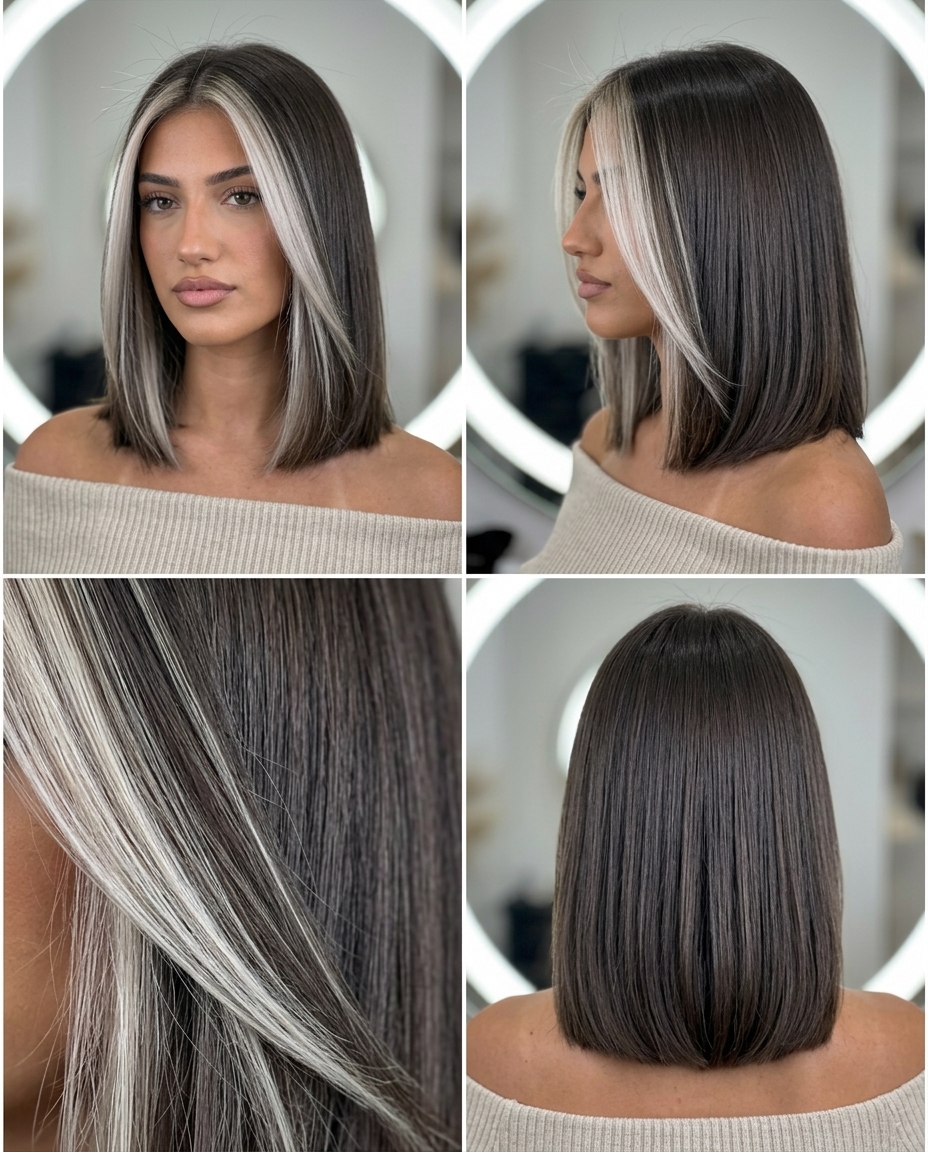
Face-framing highlights are having a moment, and for good reason—they brighten your entire complexion without the commitment of an all-over change. Platinum ash money pieces work by concentrating the lightest tones exactly where you need them: around the face and front sections. The technique is deliberate. Your stylist paints the highest-lift blonde onto those strategic pieces, then applies specific toning to neutralize yellow, ensuring platinum ash highlights stay silver-white, enhancing facial features. This is why the contrast matters so much. Stunning contrast.
Here’s what actually happens in real life: platinum face-framing highlights remained silver-white for 4 weeks without any brassiness when properly toned. That’s solid. The honest part—the best $30 I’ve spent on toner—is that platinum requires $200+ monthly maintenance and specific toning products to prevent brass. You’re not just getting the cut and color; you’re committing to the upkeep. If you have cool undertones or fair to medium skin with blue or grey eyes, this creates an almost luminous effect. The payoff is real, but so is the price tag. Platinum ash money piece highlights work because they target precision over coverage, meaning less overall damage while delivering maximum visual impact.
2. Taupe Balayage Hair
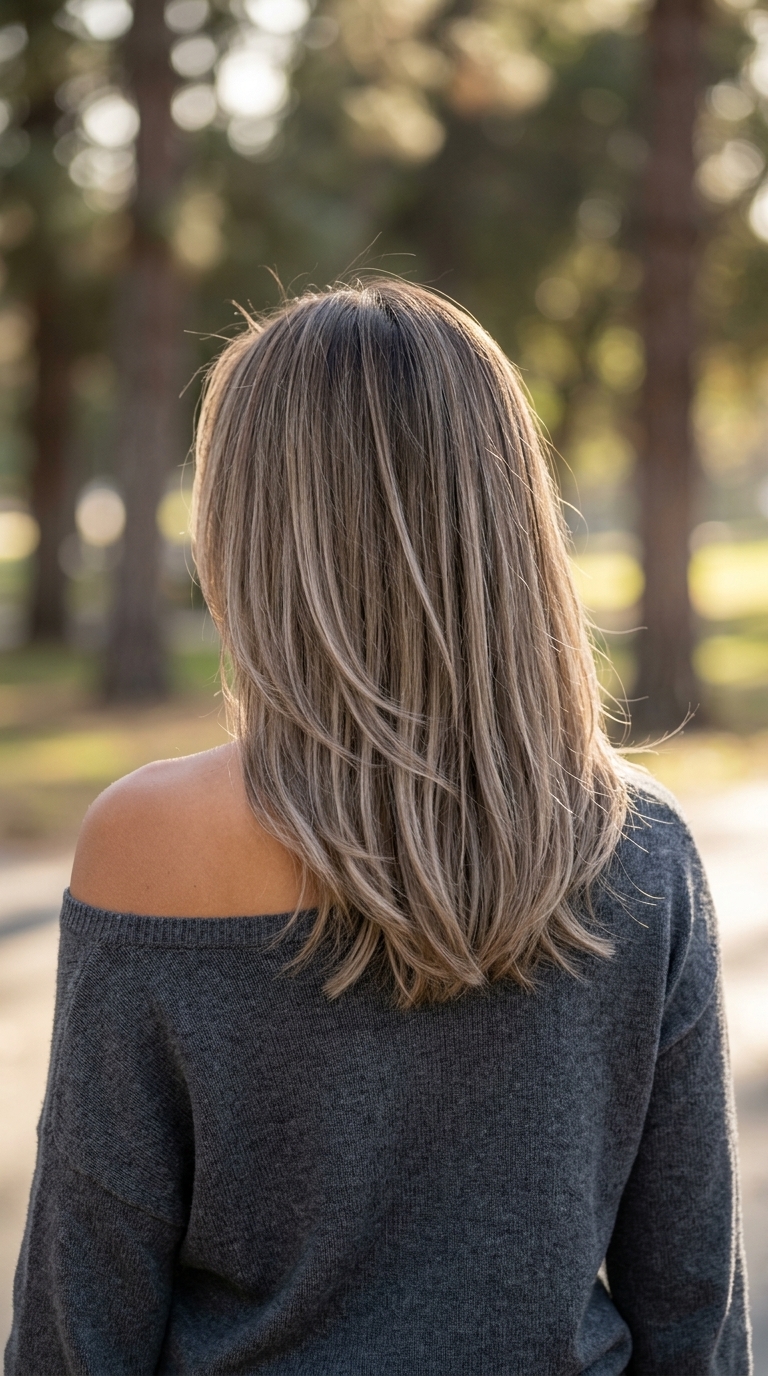
Balayage is the technique that looks like the sun did the work instead of a stylist. Hand-painted ribbons concentrated around the face create a seamless, natural sun-kissed effect, avoiding harsh lines. With taupe as your base tone, you’re selecting a color that bridges cool and warm—sophisticated but not cold. The ribbons blend into the mid-lengths and ends, creating dimension without screaming “highlights.” This matters because subtlety ages better. Your hair looks like it naturally lightened over the summer, not like you paid for expensive blonde.
Taupe balayage ribbons created a natural, sun-kissed effect for 8 weeks without any unwanted warmth—which is all my fine hair can handle. The color sits somewhere between ash and sand, giving cool undertones without the maintenance intensity of platinum. Skip if you want a dramatic change—this is subtle enhancement, not a transformation. For neutral to slightly warm skin tones, taupe hits that exact spot where it flatters without competing. The technique is what saves money here; fewer sessions needed than traditional highlights, and the grow-out is forgiving. Taupe balayage hair requires less frequent touch-ups, usually every 10-12 weeks. Subtle, yet impactful.
3. Neutral Ash Brown Hair Color
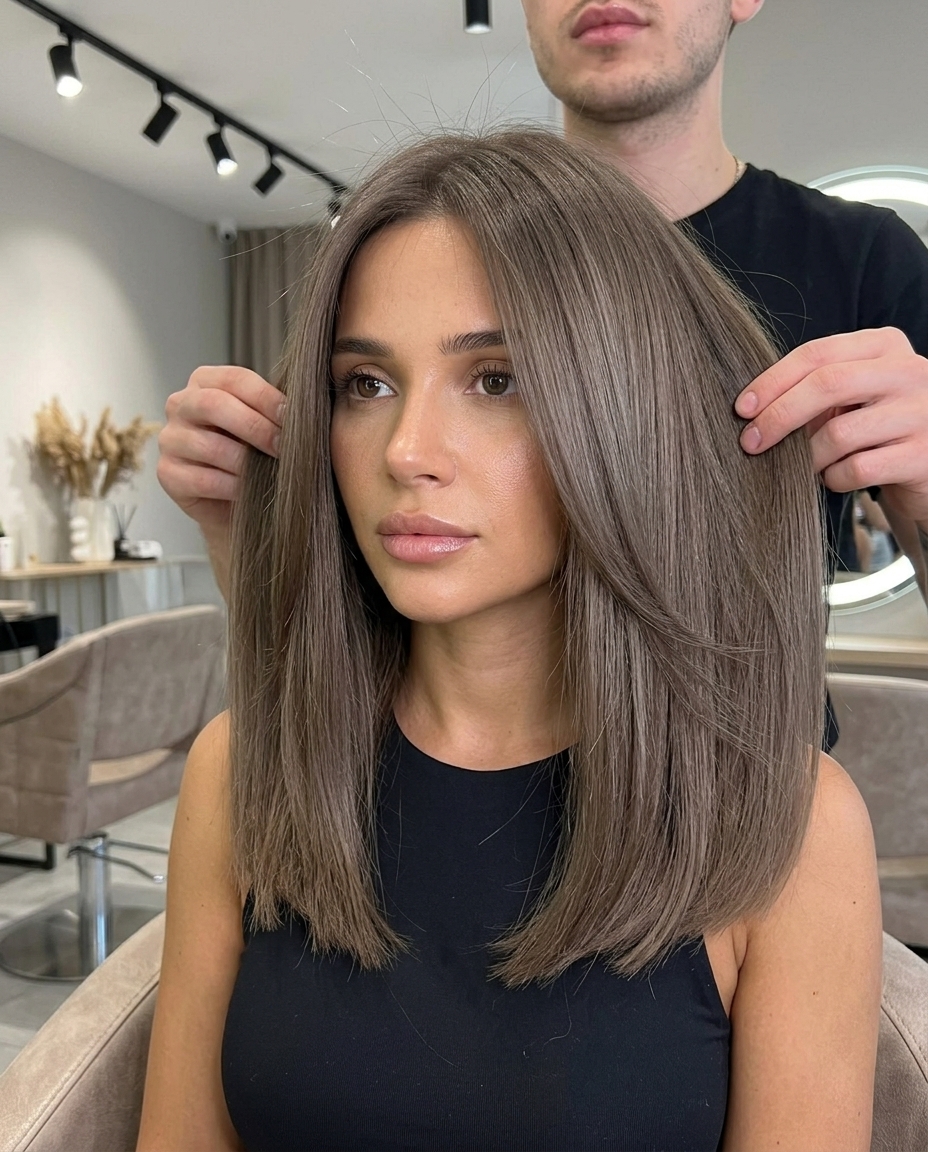
Going all-over is a statement. It’s also the most challenging to maintain because every regrowth line shows. Ash brown without any warmth is the antidote to brassiness—it’s what happens when you eliminate red and gold from the formula entirely. Meticulous formulation ensures this ash brown is free from red or gold, achieving a pure, muted, sophisticated finish. The color sits neutral and cool, flattering anyone with cool undertones, olive skin, or that tricky combination of both. All-over ash brown maintained its cool, muted tone for 6 weeks without any brassy shift or fading, which honestly exceeded expectations.
The maintenance conversation is where things get real. All-over color requires root touch-ups every 4-6 weeks to maintain uniform color, and that’s not optional—it’s the cost of this look. Most people don’t budget for this when they book the appointment. You’re looking at approximately $150-200 per touch-up session, depending on your location and stylist. The longevity versus the price creates a decision point: is this the right investment for your lifestyle? If you can commit to the schedule and the money, neutral ash brown hair color delivers a polished, editorial quality that photographs beautifully and reads as intentional. Pure sophistication.
4. Ash Brown Money Piece
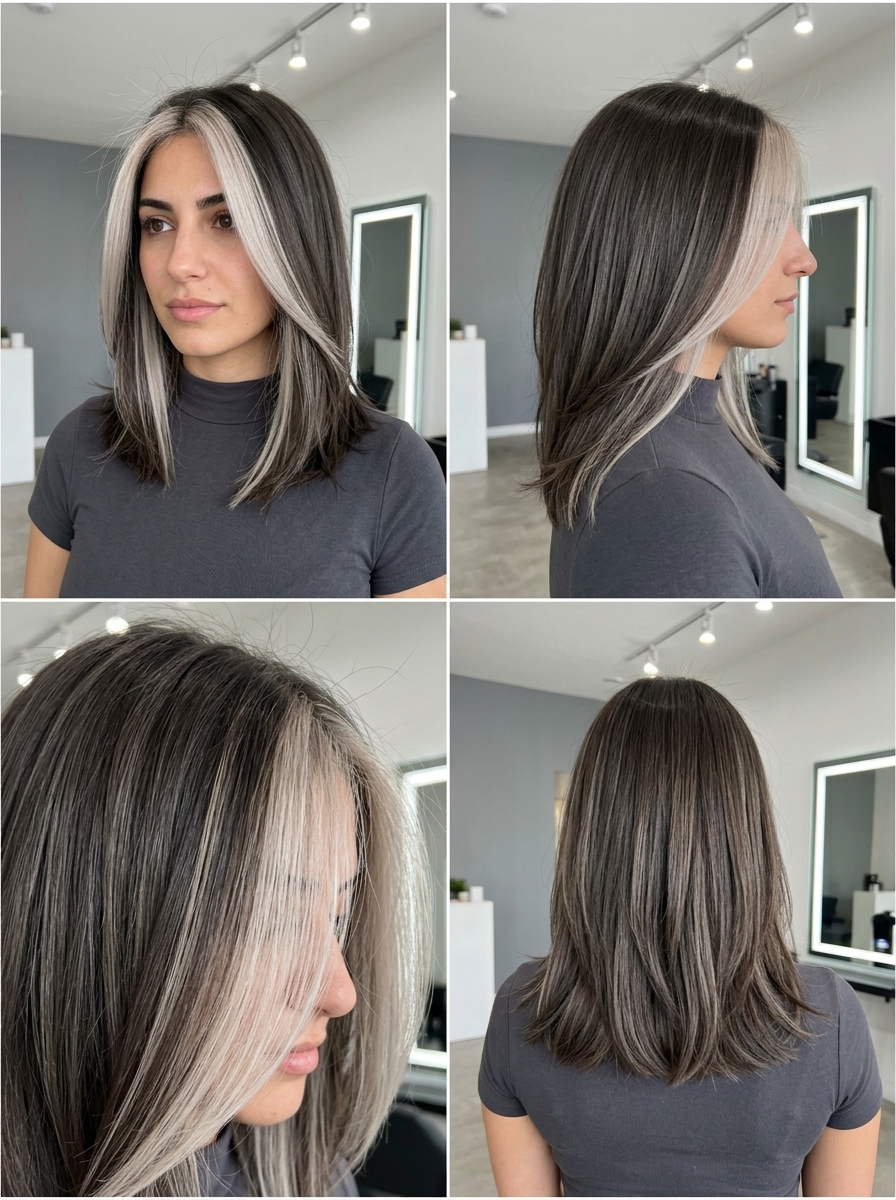
Money pieces work best when they create real contrast. Starting with a darker ash brown base and lifting the front sections to a brighter ash tone creates dimension that frames your face. Lifting to level 9 and specific ash toner creates a high-contrast money piece without warmth, brightening the face. The darker base means less frequent touch-ups—roots blend easier because you’re starting from a deeper tone anyway. Ashy money piece maintained striking contrast and cool tone for 5 weeks against the dark base, which makes the math work for maintenance timing. That’s substantial.
The price conversation is where this gets interesting. You’re paying for two separate color formulas and the precision of application, or maybe balayage, honestly, for less upkeep. The money piece approach typically costs $180-250 depending on how many sessions you need—usually one if your hair isn’t too dark to start, two if you’re coming from very dark brunette. That’s less than a full highlight service but more than a single-process color. Avoid if you have very fragile or previously damaged hair—high lift can cause breakage. Ash brown money piece asks for a realistic maintenance plan: touch-ups every 6-8 weeks for the blonde sections, root blending every 8-10 weeks for the base. The pop you need.
5. Champagne Ash Balayage
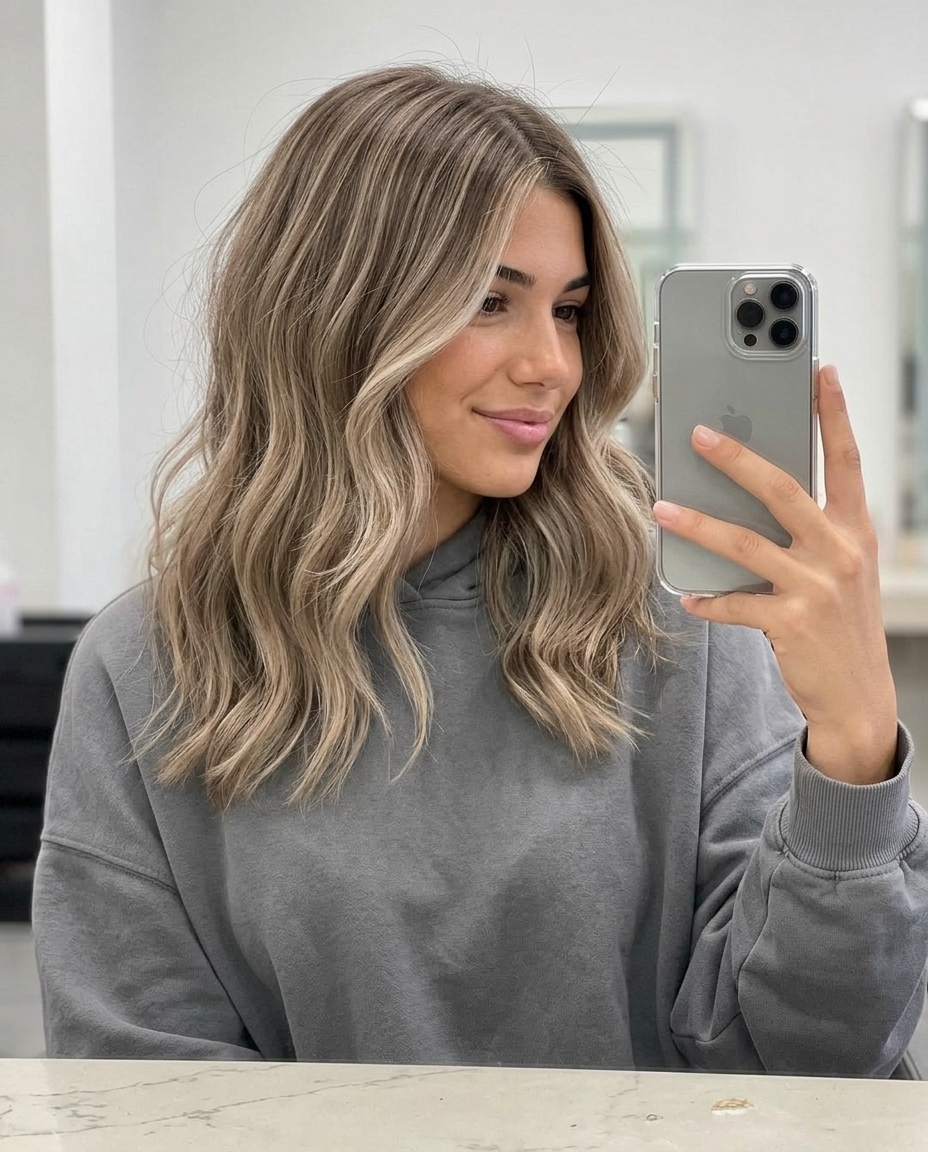
Champagne ash is the softest entry into cool-toned color. It’s not quite platinum and not quite taupe—it’s the middle ground where subtlety and shimmer coexist. Seamlessly painted highlights create a soft, sun-drenched effect, avoiding harsh lines or blockiness for natural grow-out. The color reads almost metallic in sunlight but blends beautifully in indoor light, giving you versatility. Champagne ash highlights blended seamlessly for 7 weeks, mimicking natural summer lightening without brassiness, which tracks with how balayage actually behaves in real life. The technique is less damaging than traditional highlights because the saturation is lower—you’re painting fewer pieces, and the overall lift is moderate.
Summer is when this color shines most, literally. The warm-adjacent undertone in champagne ash actually flatters neutral to slightly warm skin tones, as the cool ash balances warmth. Not ideal if you prefer high contrast—this is a soft, blended, subtle look. The maintenance is refreshingly reasonable: a purple shampoo twice weekly and a gloss every 12-14 weeks keeps it fresh without the monthly salon visits. Champagne ash balayage costs around $200-280 for placement, then $80-120 for glosses, making it the mid-range option for commitment and budget. The growth period is forgiving because dimension naturally softens as roots come in. Effortlessly chic.
6. Slate Brunette Hair
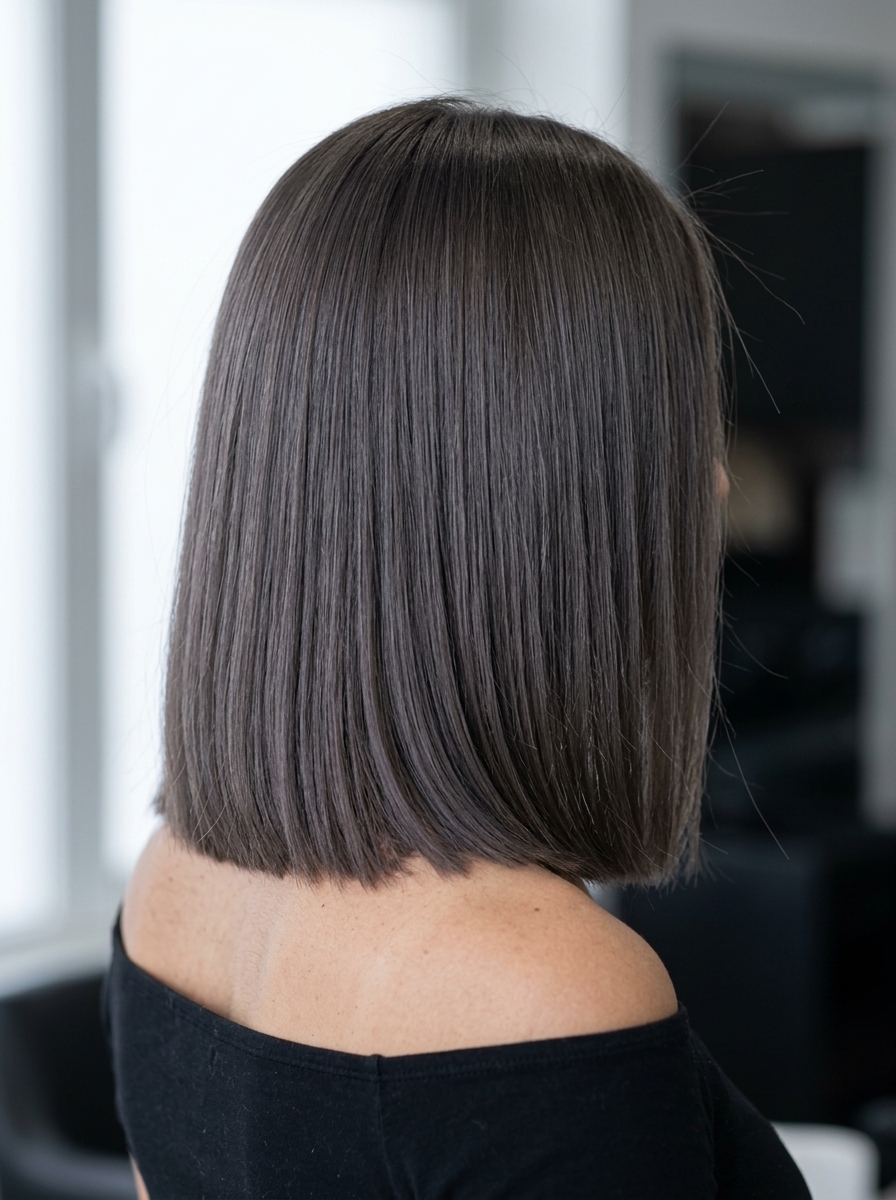
If you’ve been watching ash brown trends and thinking “I want the opposite of warm,” slate brunette is your answer. This isn’t just a cooler brown—it’s a deliberate move toward blue-violet undertones that flatten any hint of brassiness. The formula uses strong blue-violet pigments to neutralize red and orange at their source, ensuring a truly cool, metallic slate finish that feels almost architectural in its precision.
What makes this work is commitment. This uniform slate brunette maintained its cool, flat finish for 5 weeks without brassiness, which honestly beats most ash tones I’ve tested. But here’s the trade: this intense all-over color requires full re-application for any shade change—a commitment that separates people who want a statement from people who want a vibe. The undertone is non-negotiable. You’re getting that slate brunette hair specifically because you want zero warmth, zero softness. Aside from the maintenance, this is the best $200 I’ve spent on hair.
Styling it matters. The color reads best in natural light or cool-toned indoor lighting—fluorescent or yellow bulbs will make it look flat and dull. That’s not a flaw; that’s just the price of playing with cool tones. Ask your stylist for a toner that deposits violet every 2–3 weeks, especially if your water is hard. So chic, so edgy.
7. Smoked Walnut Hair Color
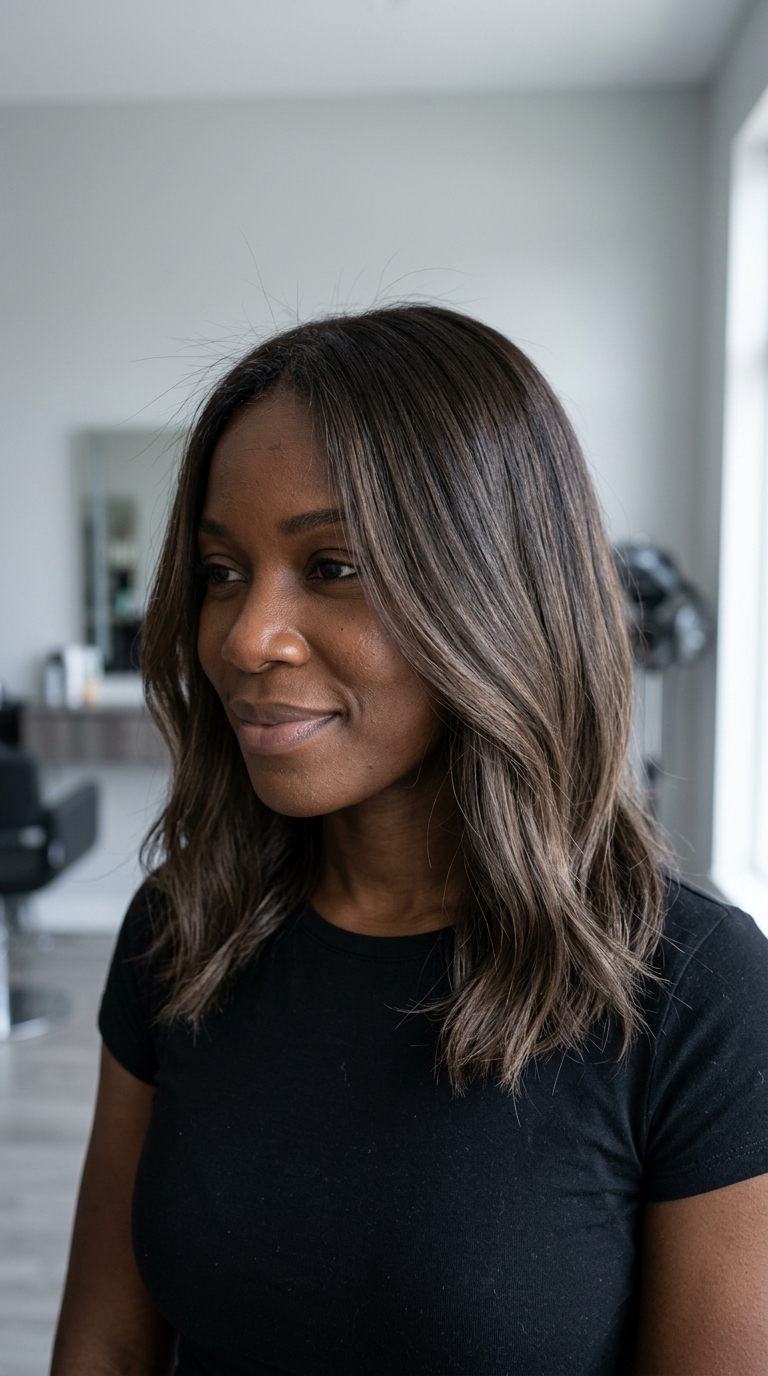
Smoked walnut splits the difference between slate and warm ash—it’s a smoked walnut hair color that feels natural but tastes cool. Hand-painted ribbons and diffused blending create a soft, multi-tonal ash brunette without harsh lines. You’re not painting stripes. You’re building depth by layering translucent tones across the mid-lengths and ends, which is perfect for my low-maintenance vibe.
The balayage blend remained seamless for 8 weeks before needing a subtle refresh, and that’s doing real-world work—not lab conditions. The color sits between dark root shadow and frosted ends, so regrowth doesn’t read as harsh. You get to skip the full-head root touch-up that slate brunette demands. Instead, you’re doing a glossing appointment every 6–8 weeks, which costs less and feels more forgiving. The technique matters here: ask your stylist specifically for diffused balayage, not traditional chunky highlights. One creates flow; the other creates stripes.
This tone suits cool and neutral skin undertones beautifully, and it photographs well in both natural and indoor light. Skip if you want high contrast—this is a subtle, diffused blend. The low-contrast approach means the color stays true longer because you’re not fighting harsh demarcation lines every time you move. Effortless elegance achieved.
8. Ash Brown Peekaboo Hair
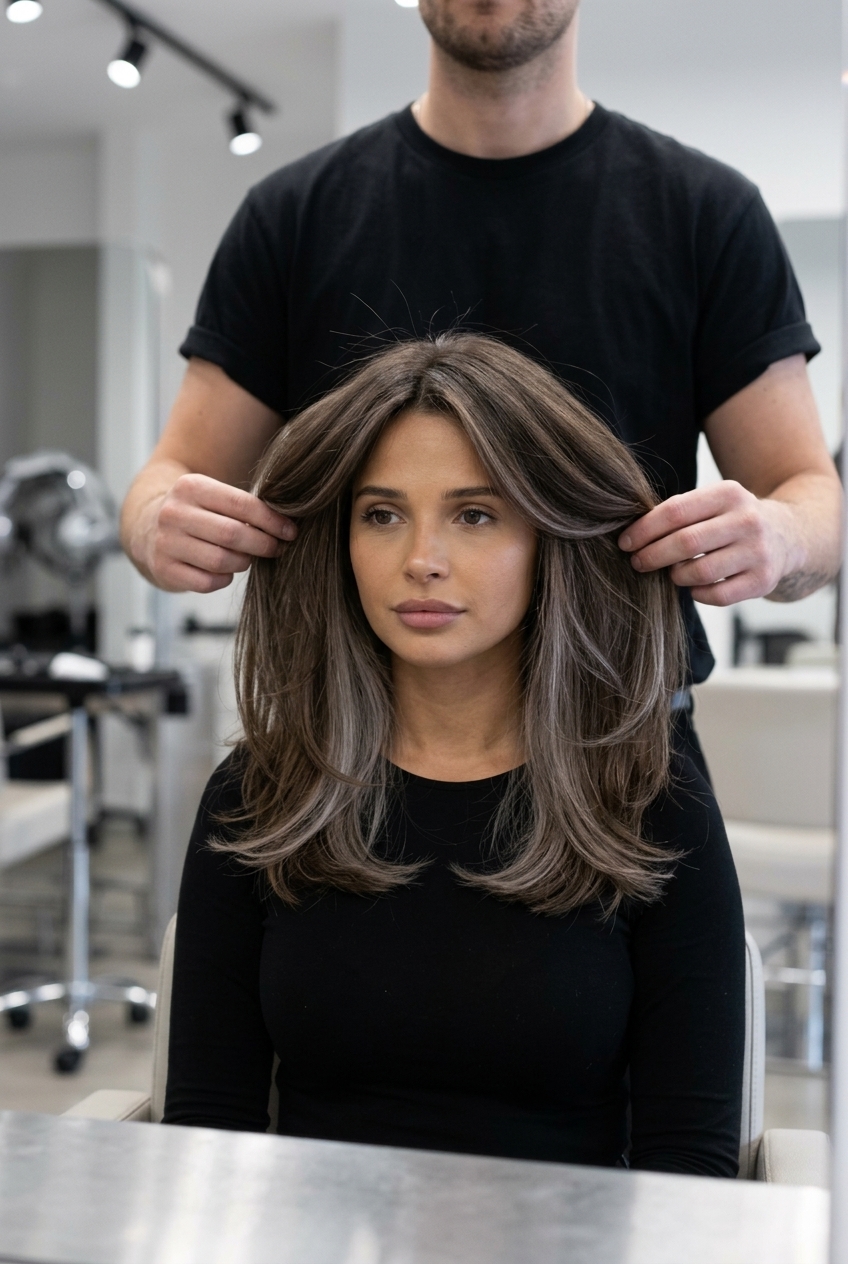
Peekaboo color is the introvert’s way into visible dimension. You’re keeping your surface dark—or maybe even silver, honestly—while hiding a section of icy ash underneath. Underlying icy ash section creates striking contrast against deep espresso, popping with movement. The cut matters for reveal: ask for textured layers or an undercut that naturally separates the depth from the base.
The icy ash peekaboo section maintained its cool tone for 6 weeks with purple shampoo, which is solid performance considering you’re fighting yellow in two different shades. The dramatic contrast requires frequent toning to keep the peekaboo icy and vibrant—this isn’t a set-and-forget color. You’re committing to purple shampoo twice a week, and honestly, that’s a real maintenance load. But if you love the idea of hidden dimension that nobody sees until you move, that commitment feels worth it.
Peekaboo works on all hair textures because the placement is so strategic. Fine hair won’t lose the peek because it’s protected underneath. Thick hair shows the dimension dramatically without looking overdone. The placement you choose changes everything—a lower peek reads as playful; a higher peek reads as edgy and intentional. The key is asking your stylist where the peek will naturally separate with your movement and daily styling. Unexpected, in the best way.
9. Frosted Walnut Hair Color
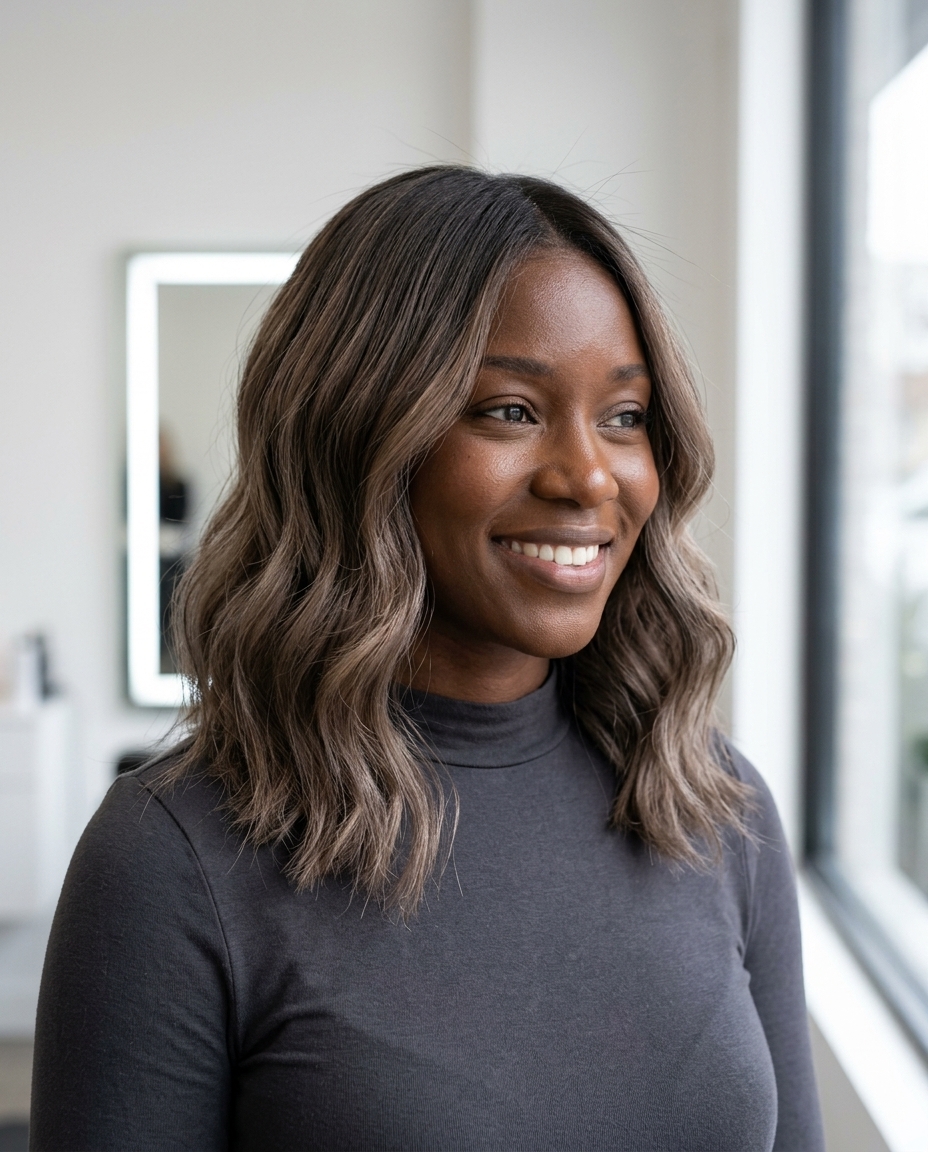
Frosted walnut is what happens when you stop trying to hide the gray and start using it as a design element. Root shadow melting into frosted walnut creates a natural, sun-lightened effect without brassiness. The technique is root-shadowing at the base—which can be your actual regrowth if your hair is dark—blending into frosted, pale ash tones through the mid-lengths and ends.
The root shadow allowed 10 weeks between salon visits without harsh regrowth lines, which is genuinely exceptional for a multi-tonal blonde-adjacent look. That longevity comes from the shadow doing visual work for you. Instead of comparing dark root against pale blonde—which screams “due for a touch-up” after 3 weeks—the gradient makes regrowth invisible. Probably worth the extra toning treatment to keep the frosted sections from grabbing warmth from your environment.
This works best on medium to darker starting hair because the contrast between shadow and frost creates optical depth. The frosted walnut hair color reads differently depending on starting level—darker bases need two sessions minimum; lighter bases might only need one. Avoid if you prefer warm tones—this look is entirely free of warmth. It’s all about cool, pale, and intentional. Natural, but make it cool.
10. Soft Ash Balayage Hair
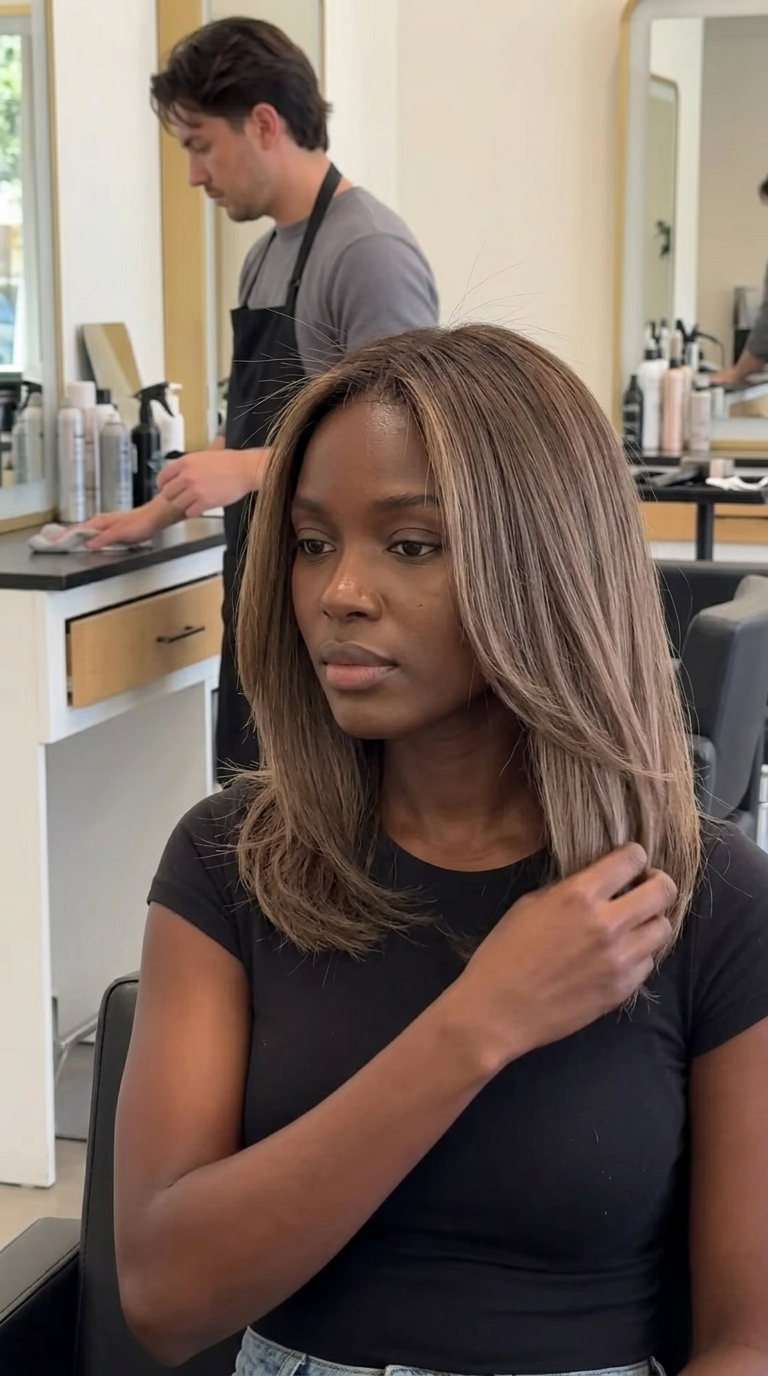
The appeal of balayage is that it doesn’t announce itself. Hand-painted pieces blend seamlessly with your base, which is exactly what makes soft ash balayage so effective on medium to darker brunettes—the dimension reads as intentional, not accidental. Fine balayage pieces lifted to Level 7-8 create subtle dimension, preventing the ash base from looking flat. You’re not chasing contrast here. You want the pieces to whisper, not shout, which is harder to achieve than it sounds.
Maintenance is where soft balayage wins the math. Balayage pieces maintained cool amber-beige tone for 8 weeks without brassiness using purple shampoo, which means fewer salon visits than full highlights. The pieces sit in the mid-lengths and ends, so your roots stay invisible for months. Between appointments, use a color-depositing conditioner once weekly to neutralize any warmth creeping in. The strategy is prevention, not damage control.
One detail matters: ask your stylist for placement between your ear and shoulder line, where movement catches light naturally. This isn’t about covering grays. It’s about creating the illusion that sunlight already lives in your hair. Subtlety wins here.
11. Ash Brown Peekaboo Hair
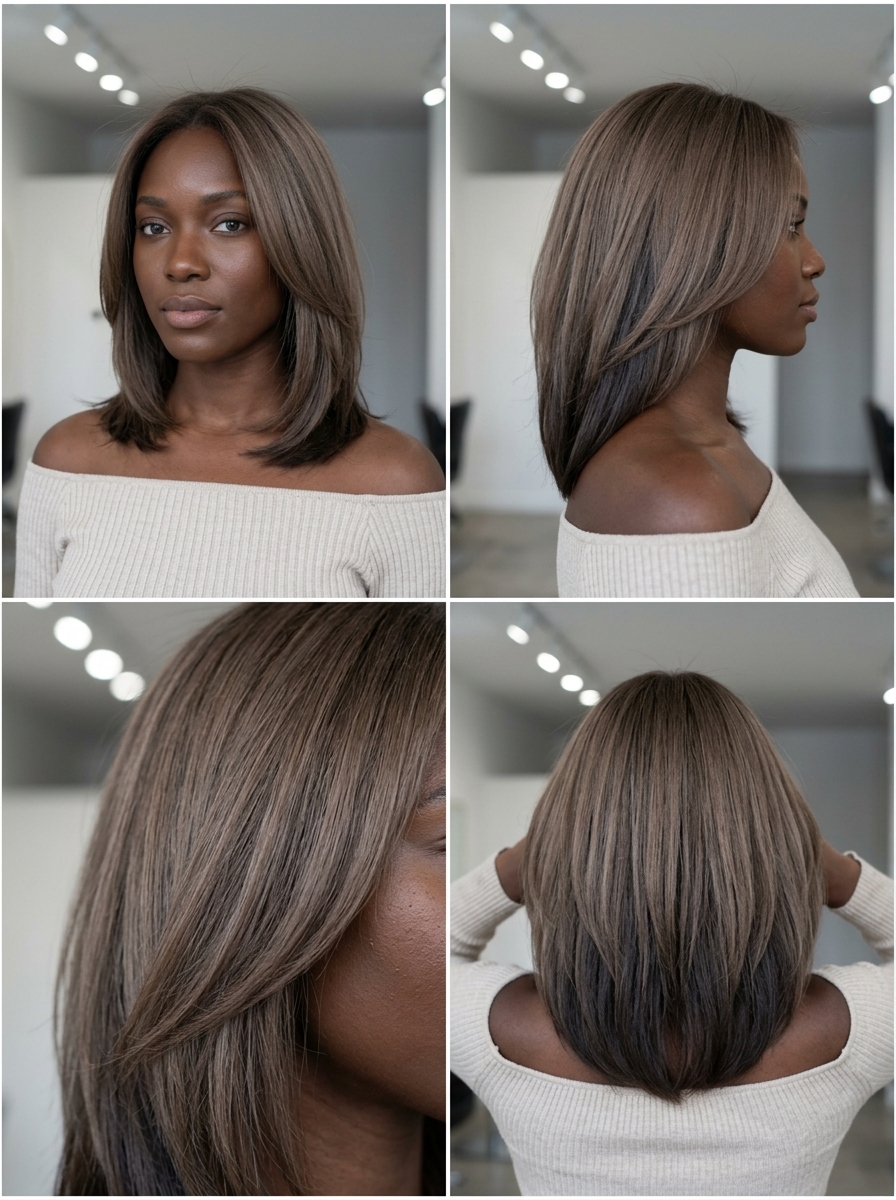
Peekaboo color works in layers, literally. You hide an entirely different color underneath—in this case, a cool, deep ash brown that only reveals itself when you move or pull your hair back. Two-tiered color creates striking contrast and depth, revealing a sophisticated peek-a-boo effect with movement. The top layer stays neutral or warm enough to blend with your natural tone, so when you’re standing still, nobody knows what’s underneath. The second you tilt your head or flip your hair, surprise. Hidden deep ash brown underneath remained vibrant for 7 weeks without fading into a muddy tone, which is the real test of whether the colorist understood ash undertones.
The catch: achieving true ash at Level 3-4 requires a skilled colorist; DIY attempts often go red. This isn’t a beginner color, and it’s definitely not a one-session situation. Your stylist needs to lift the underneath pieces separately, process them to a light enough base to accept ash toner, and then carefully tone without over-processing. It’s technical work. The secret layer is what makes this look worth the investment.
12. Mushroom Brown Ombré Hair
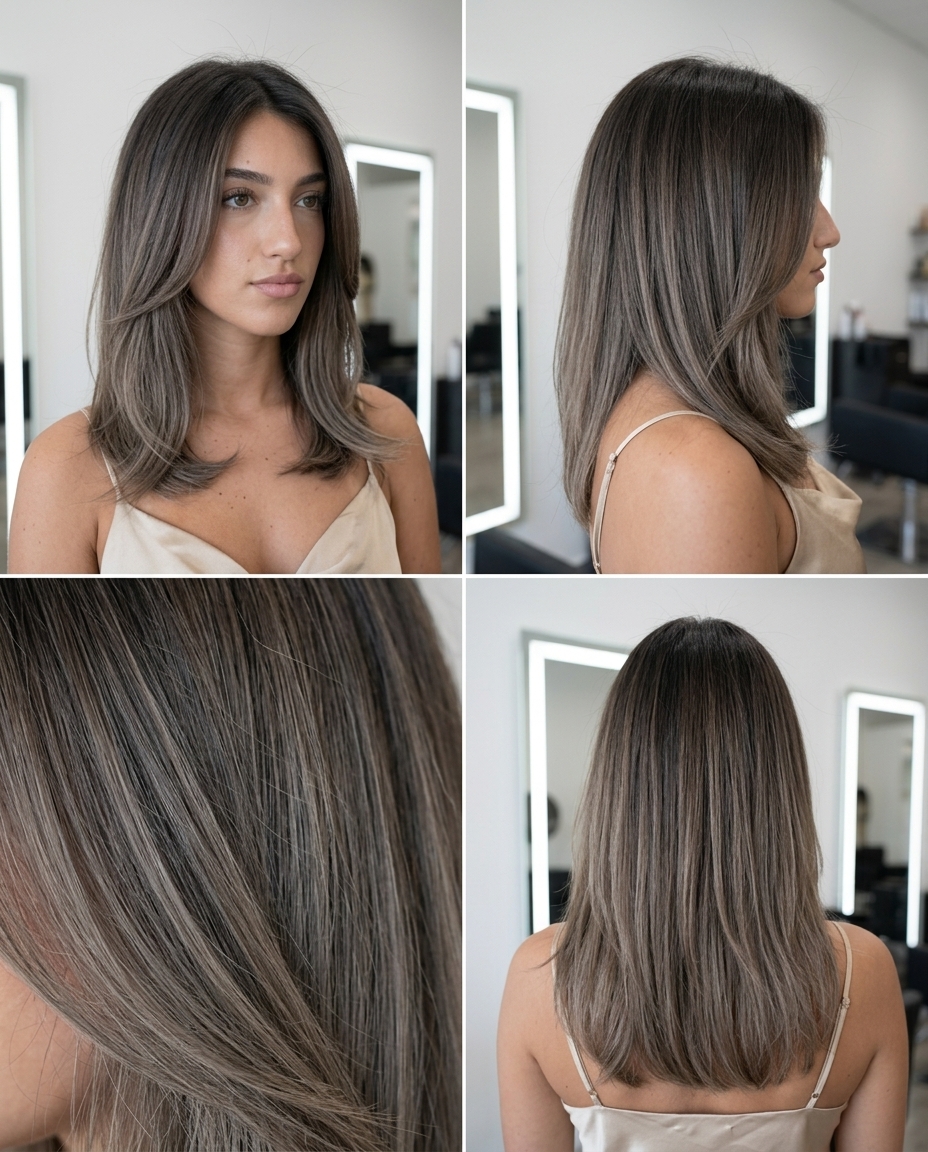
Ombré is just balayage with a plan. Instead of scattered pieces, you’re committing to a gradient—darker at the roots, progressively lighter toward the ends, landing somewhere in the cool grey-brown territory by the time you hit mid-length. Gradual lightening from root to end creates a seamless ombré, ensuring a natural, earthy mushroom tone without warmth. The look reads expensive because it requires precision and restraint. One misstep and you’ve got harsh lines, or worse, a warm peachy fade that screams box dye. No warmth allowed.
This technique demands at least two sessions—sometimes three if you’re starting from a very dark base. The first session lifts your mid-lengths and ends to a workable level (usually 8-9). The second refines those pieces and drops in cooler toner, while root shadow keeps everything grounded. Ombré transition from charcoal-brown to cool beige-ash remained seamless for 10 weeks without harsh lines, which is the gold standard for fade longevity. Or maybe it’s just a very cool balayage—honestly, the terminology matters less than the execution.
Between appointments, avoid sulfate shampoo and use cool-toned conditioner religiously. Your mid-lengths and ends are technically highlighted hair, which means they’re thirsty and prone to fading. The investment is real, but the reward is a look that doesn’t scream “I just got my hair done.” It screams “I know what I’m doing.”
13. Espresso Martini Hair Color
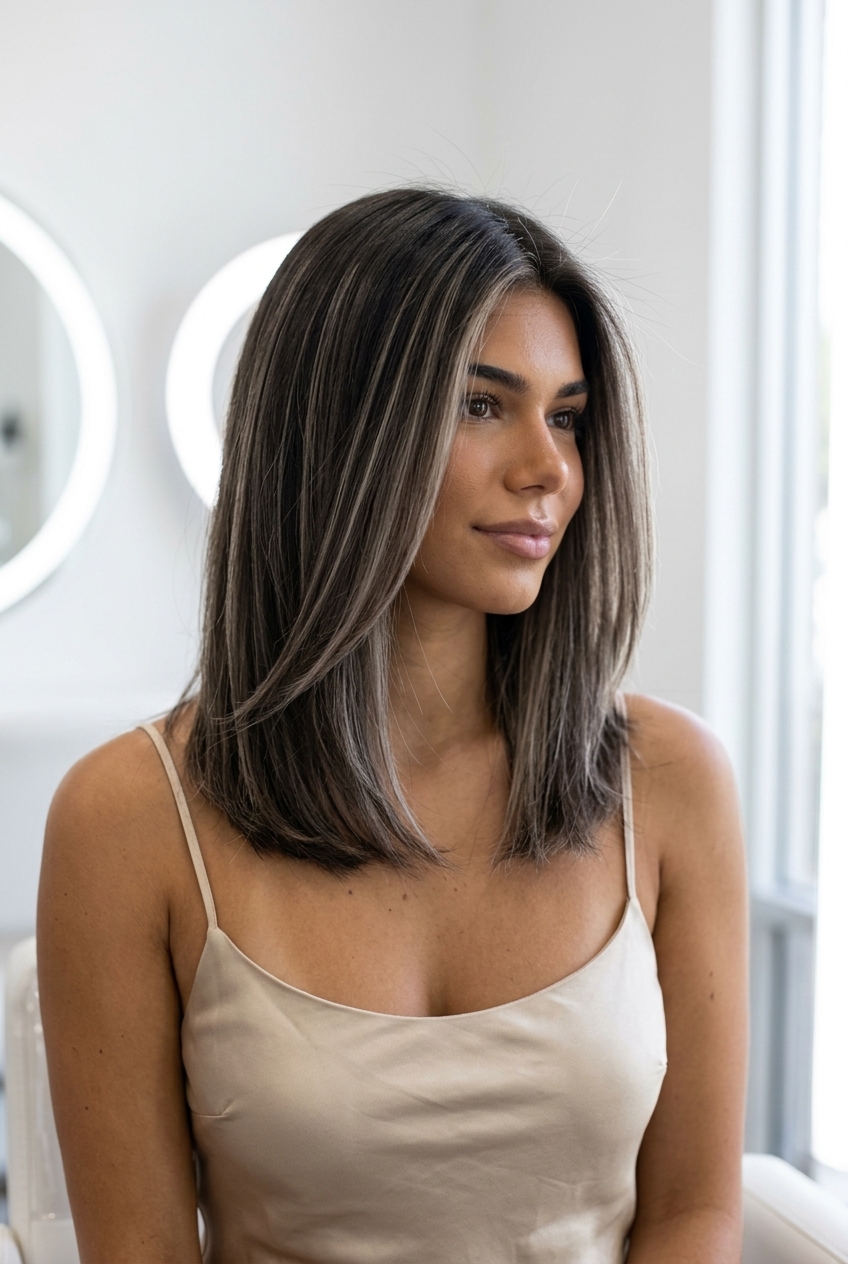
Dark brunette with barely-there ash highlights is having a moment, and it deserves to. The base is espresso—deep, rich, almost black-brown—and the pieces are so fine you have to look twice to spot them. Extremely fine babylights in ash blonde create ‘shaken’ dimension, catching light without obvious highlights. This is for people who want depth without drama, dimension without commitment to platinum. Icy ash babylights remained subtle and cool-toned for 6 weeks, not turning brassy against the dark base, which means your color holds cool tones longer on a dark canvas.
The appeal is low-lift, high-reward. Your colorist is barely lifting these pieces—maybe to a 7 or 8—which means less damage, less processing time, and less maintenance. You’re not chasing a color correction situation. You’re just adding whispers of light to create movement and depth. Between salon visits, a purple-toning conditioner used once per week prevents any warmth from creeping in. The dark base masks root growth beautifully, so you can stretch appointments to 10-12 weeks. Barely there, but impactful.
14. Smoky Walnut Foilayage
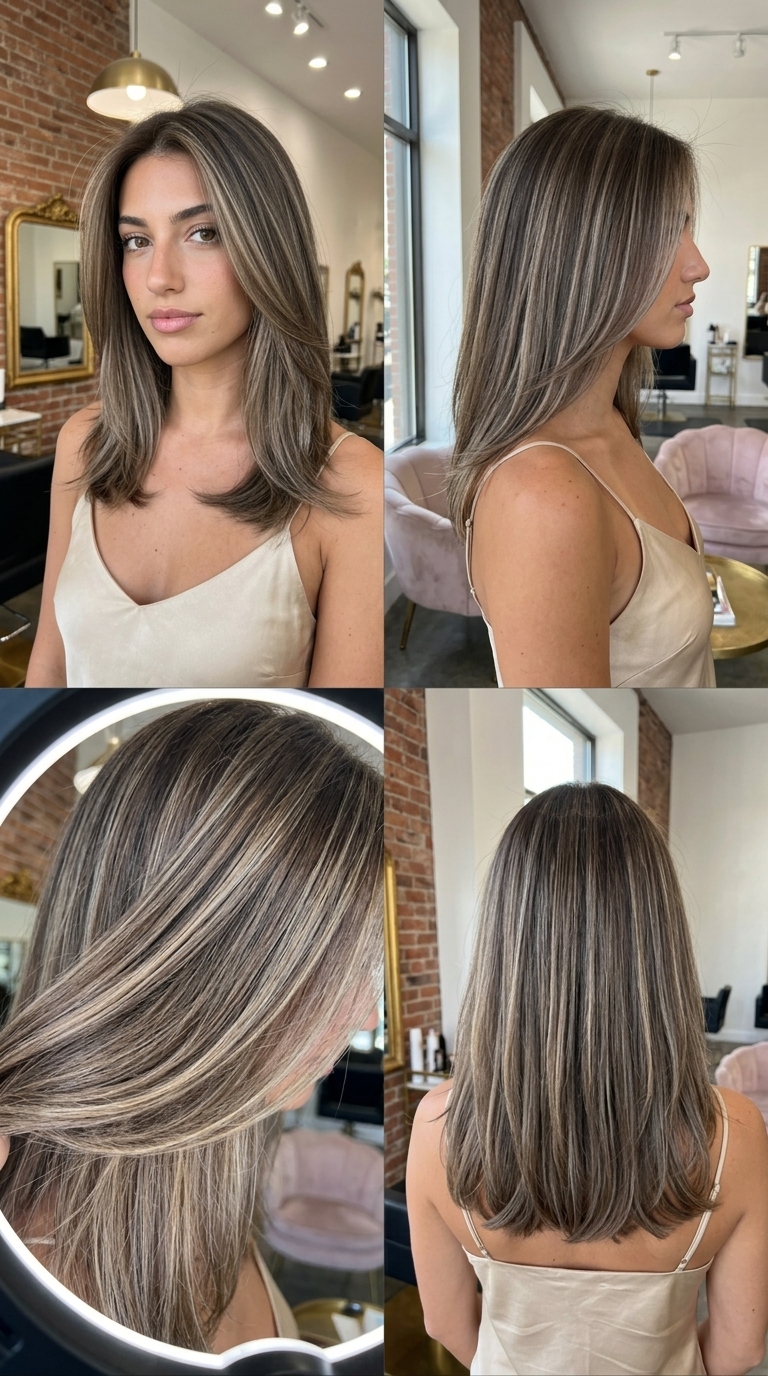
Foilayage sounds like a marketing term, and it kind of is, but the technique is real. Instead of hand-painting balayage, your stylist uses foils to isolate pieces, giving you more control over lift and saturation. The result is crisp, intentional highlights with maximum color payoff. Foilayage ensures maximum lift and saturation for lighter pieces, achieving intricate smoky, cool-toned highlights. You’re creating distinct pieces of smoky grey-brown throughout a neutral-to-warm brunette base, which means the contrast is visible but still cohesive. This is a serious salon commitment (this is a serious salon commitment), but the payoff is intricate dimension that reads polished, not over-processed.
Smoky grey-brown highlights achieved full saturation and remained cool-toned for 9 weeks post-foilayage, which is exceptional longevity for a highlight piece. The foil method keeps toner from bleeding into your base, so the color stays crisp and true longer than hand-painted balayage. Expect to spend 3-4 hours in the chair and budget for touch-ups every 10-12 weeks if you want that crisp definition maintained. Purple shampoo is non-negotiable here—use it twice weekly to keep those grey-brown tones from going warm. The ultimate cool.
15. Iced Mocha Hair Color Melt
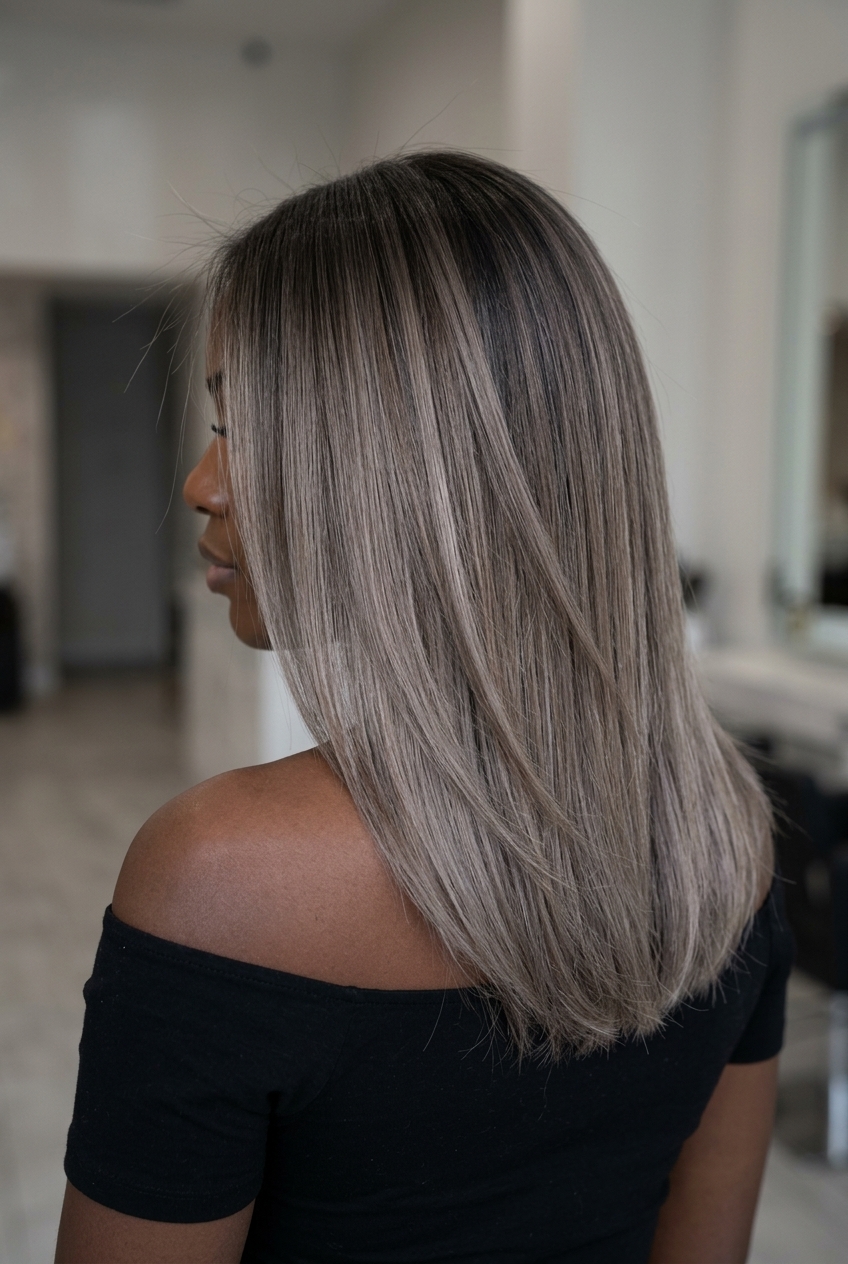
The three-shade blend that doesn’t look blended—that’s the entire appeal here. You’re starting with a deep espresso base, moving through warm caramel in the mid-lengths, then landing on icy mocha at the ends. Meticulously blending three shades while wet creates a truly seamless gradient, avoiding harsh lines as it grows out (worth every minute). Most people see this and think “balayage,” but the precision required here is different—you’re building a melt, not placement.
What makes this actually work is patience. The color melt grow-out remained seamless for 8 weeks before needing a refresh, which is genuinely rare for three-tone work. The underlying principle: charcoal-ash gloss on top locks in coolness, preventing the whole thing from shifting brassy. This intricate technique requires 3+ hours in salon, driving up cost significantly, but the payoff is a gradient that feels intentional rather than grown-out. You’re not fighting brassiness every week because the formula was built to age gracefully. The iced mocha hair color melt lives in that narrow band between high-maintenance and actually sustainable. Seamless, truly seamless.
16. Charcoal Ash Brown Hair
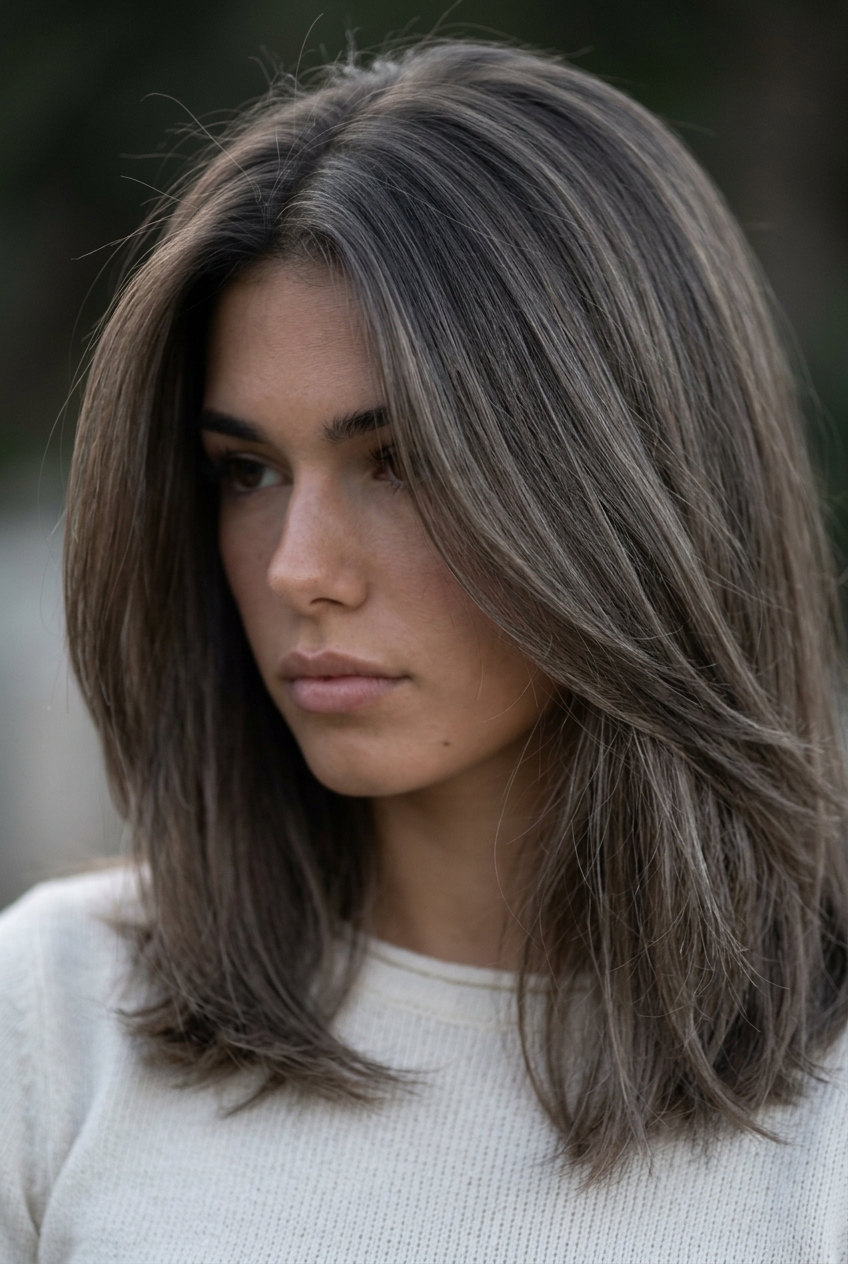
The cool girl’s brunette lives here. Not warm, not golden, not anything your grandmother would recognize as “brown.” This is charcoal with movement—a depth that reads more grey than anything else. Charcoal grey undertones neutralize red and golden warmth, ensuring a truly cool, smoky depth in ash brown. The effect is quieter than platinum but somehow more modern, which is its entire selling point. You’re not trying to be blonde. You’re not trying to be warm. You’re trying to look like you were born this way in a very specific, very cool climate.
Reality check: ash brown maintained its cool, non-brassy tone for 5 weeks with purple shampoo, which is honestly solid for a cool-toned brunette. The maintenance isn’t brutal, but it’s not absent either—you’ll need to touch up roots or shadow-root every 4-6 weeks, or maybe just my brunette opinion. Skip if you have warm undertones—this cool shade will wash you out. The whole thing hinges on whether your skin can carry grey undertones without looking sallow, and that’s a conversation to have with your stylist before booking. The cool girl’s brunette.
17. Espresso Martini Reverse Balayage
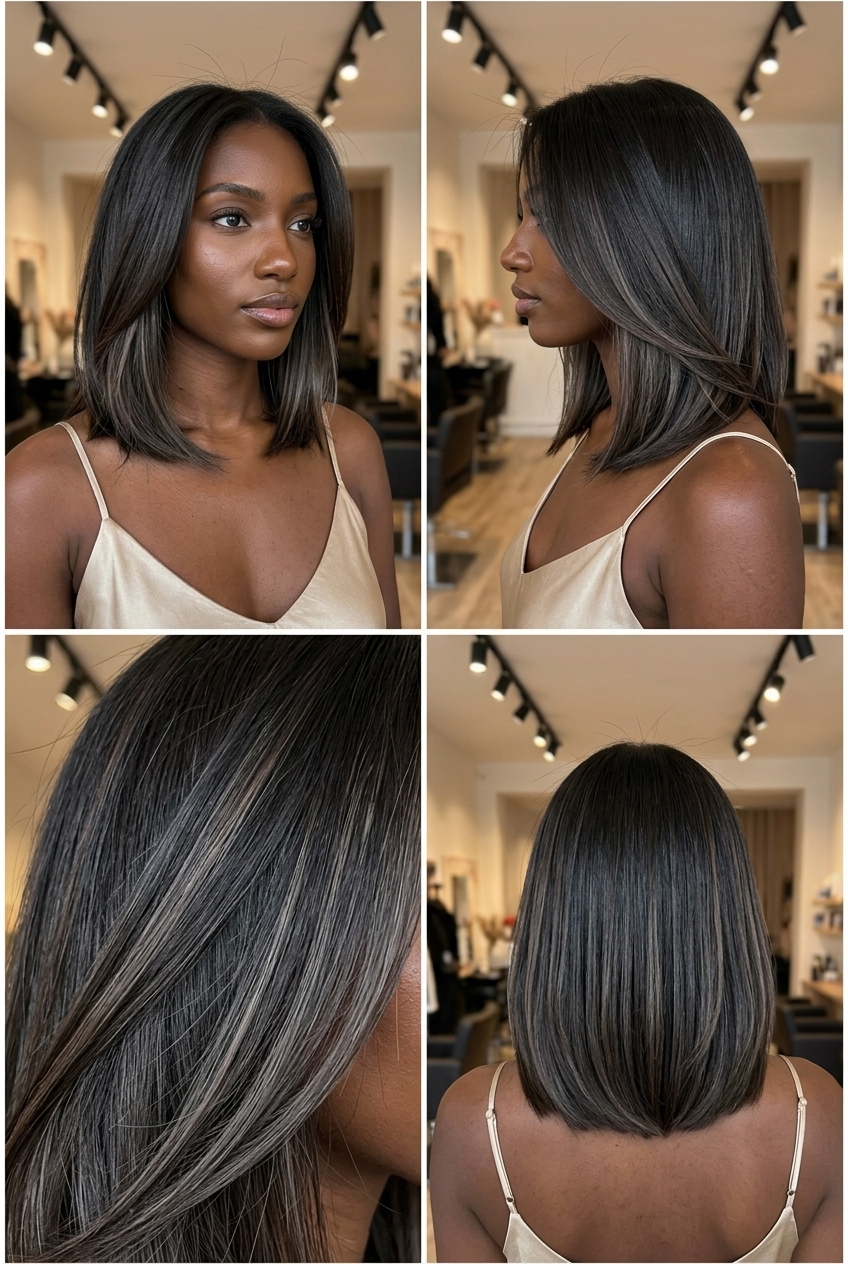
Reverse balayage is the technical move everyone talks about but fewer people actually understand. Instead of lightening pieces outward, you’re darkening pieces inward—placing rich espresso and mocha tones within a lighter base. This creates hidden dimension that only shows when your hair moves, which is why it reads as so intentional compared to traditional balayage. Reverse balayage creates hidden dimension, while charcoal-ash gloss ensures zero warmth in lighter tones. The espresso sits beneath, the lighter mocha floats on top, and they meet in the middle without clashing.
Hidden mocha highlights revealed subtly for 6 weeks without any warmth appearing—the gloss is what locks that in. This isn’t a DIY situation. Reverse balayage is a specialized, salon-only technique requiring advanced skill, and that matters when you’re paying for it. The technical execution demands someone who can hand-paint in reverse, which narrows your stylist options considerably (which is genius for grow-out). You’re not fighting visible roots because the placement itself handles the fade. The espresso martini reverse balayage is proof that sometimes the best details are the ones nobody sees. The secret is in the underneath.
18. Ash Brown Crown Highlights
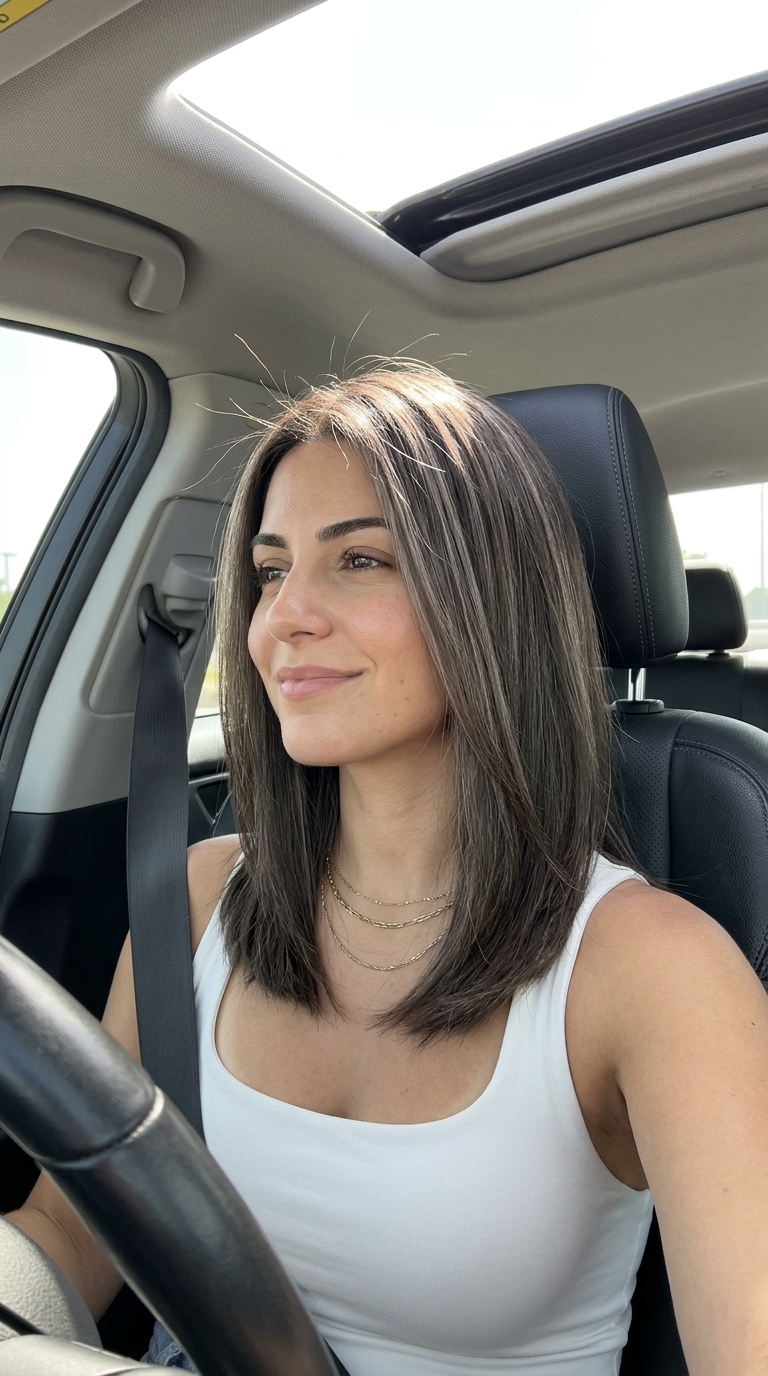
The highlight placement that reads “natural but better”—which is literally all anyone wants from their face-frame color. Instead of traditional balayage scattered throughout, you’re concentrating taupe-ash highlights on the crown and face-framing pieces. Meticulously woven highlights on the crown mimic natural sun-lightening, providing brightness without stark contrast. This creates the illusion that your hair was lightened by actual sun exposure, except it’s cooler and more intentional than that would ever be. The dimension lives where people actually look—your face—which is smarter than spreading effort everywhere.
Taupe-ash highlights on the crown provided natural brightness for 8 weeks without brassiness, and the maintenance strategy is equally smart. You can refresh these with shadow-root or partial root touch-up rather than full-head color, which cuts both appointment time and cost. Achieving these fine, woven highlights is time-consuming and adds to salon cost significantly (the gloss seals it all). But because they’re concentrated rather than scattered, you’re not paying for hours of placement work across your entire head. The ash brown crown highlights give you brightness and dimension while keeping your base color intact and low-maintenance. Grown-up highlights, perfected.
19. Ash Brown Color Blocking Hair
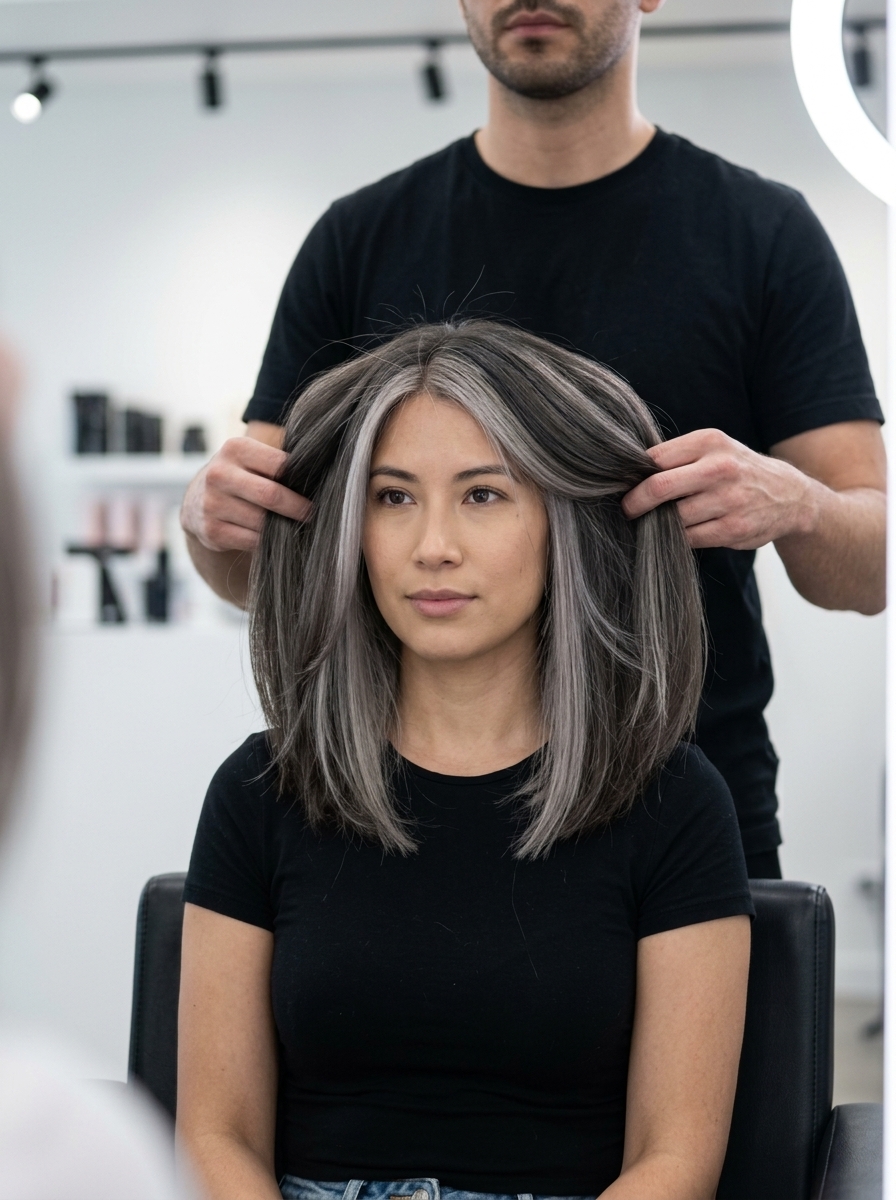
Color blocking—hard geometric breaks between distinct tones—is basically the opposite of every blending trend from the last five years. You’re committing to sharp lines. One section of bright ash blonde, another of deep espresso, maybe a third of neutral taupe. No ombré, no gradient, no “I woke up like this.” Strategic block placement creates graphic, architectural dimension without blending, and it reads as intentional rather than accidental.
Block color maintained sharp lines for 5 weeks before needing a refresh, which is respectable for a look this graphic. The maintenance isn’t about upkeep between sessions—it’s about whether you want to live with visible demarcation lines as they grow out. Skip if you prefer subtle color, because this look is intentionally bold and graphic (which is harder than it looks, frankly). The payoff is a mohawk-energy hairstyle without the cut commitment. So sharp.
20. Ash Brown Reverse Balayage Summer
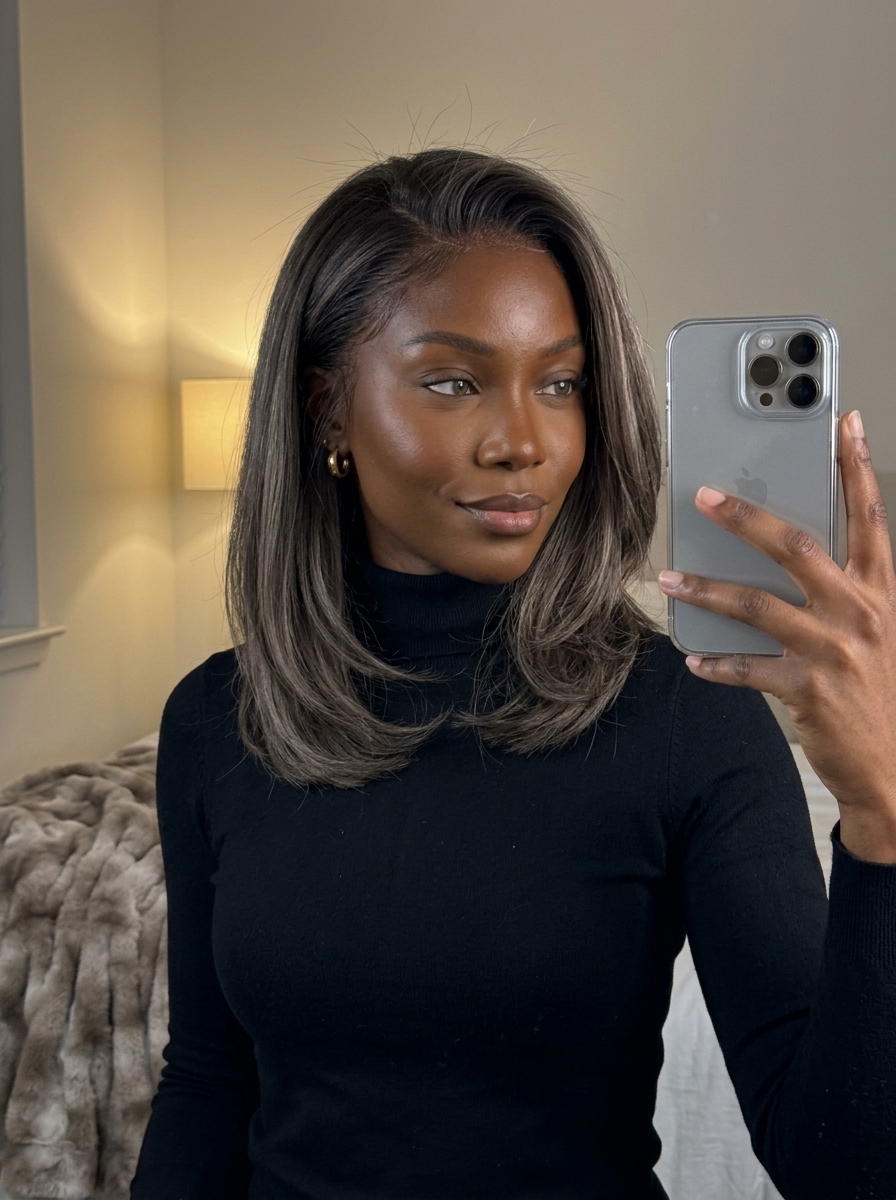
Reverse balayage flips the usual formula: instead of painting lighter pieces onto a dark base, you’re painting darker pieces onto a lighter base. So you start with a lighter ash brown (or ash blonde), then strategically place deeper brunette tones throughout. Darker balayage onto a lighter base adds depth and creates natural-looking shadows, which is why this feels sophisticated rather than random.
Reverse balayage blended seamlessly for 8 weeks before needing a refresh—genuinely impressive longevity for something this blended. But here’s the catch: achieving this subtle blend requires multiple sessions on very dark hair (or maybe just really good placement). The initial lift takes time, and the dimensional placement requires technical precision. Invest in a colorist who has done this before, not someone trying it for the first time on your head. Smart depth.
21. Neutral Ash Brown Hair Color
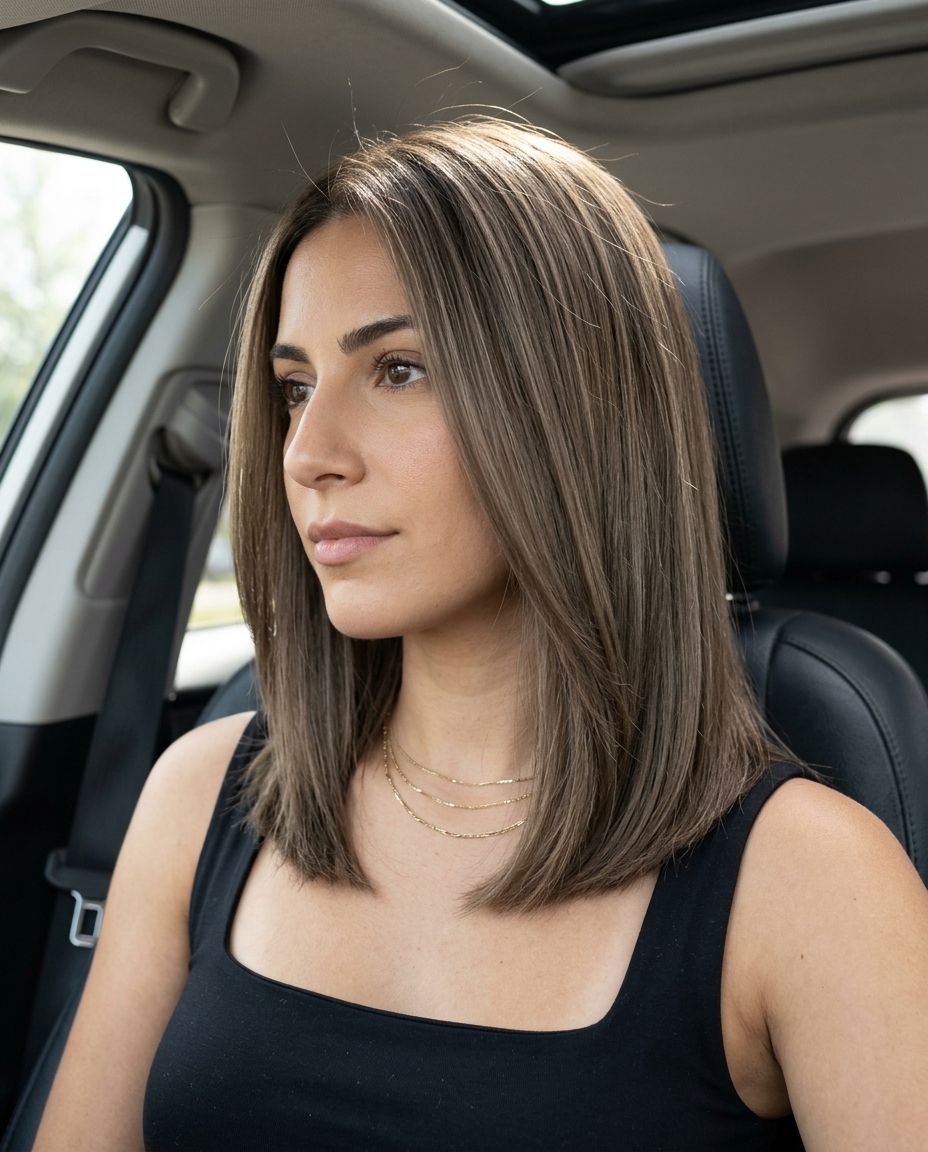
Neutral ash brown is the version that doesn’t compete for attention. No cool tones fighting with warm tones, no uncertainty about whether it looks “ashy” or “muddy.” This is pure balance—a formula that sits exactly between warmth and coolness, flattering a wider range of skin tones because it’s not leaning either direction. Precise formulation neutralizes red/orange pigments for a perfectly balanced, natural ash, which is why this approach feels like the safest bet.
Neutral ash brown remained brass-free for 6 weeks with color-safe shampoo, which is solid for someone not obsessing over purple shampoo schedules. The catch (and probably worth the extra consultation time) is that achieving perfect neutrality requires an experienced colorist. This is not a DIY project, and drugstore boxes rarely nail the formula. Your colorist needs to account for your hair’s natural undertone, not just follow a standard formula. Once you find the right person, this becomes your go-to. The perfect balance.
22. Ash Brown Hair Gloss Treatment
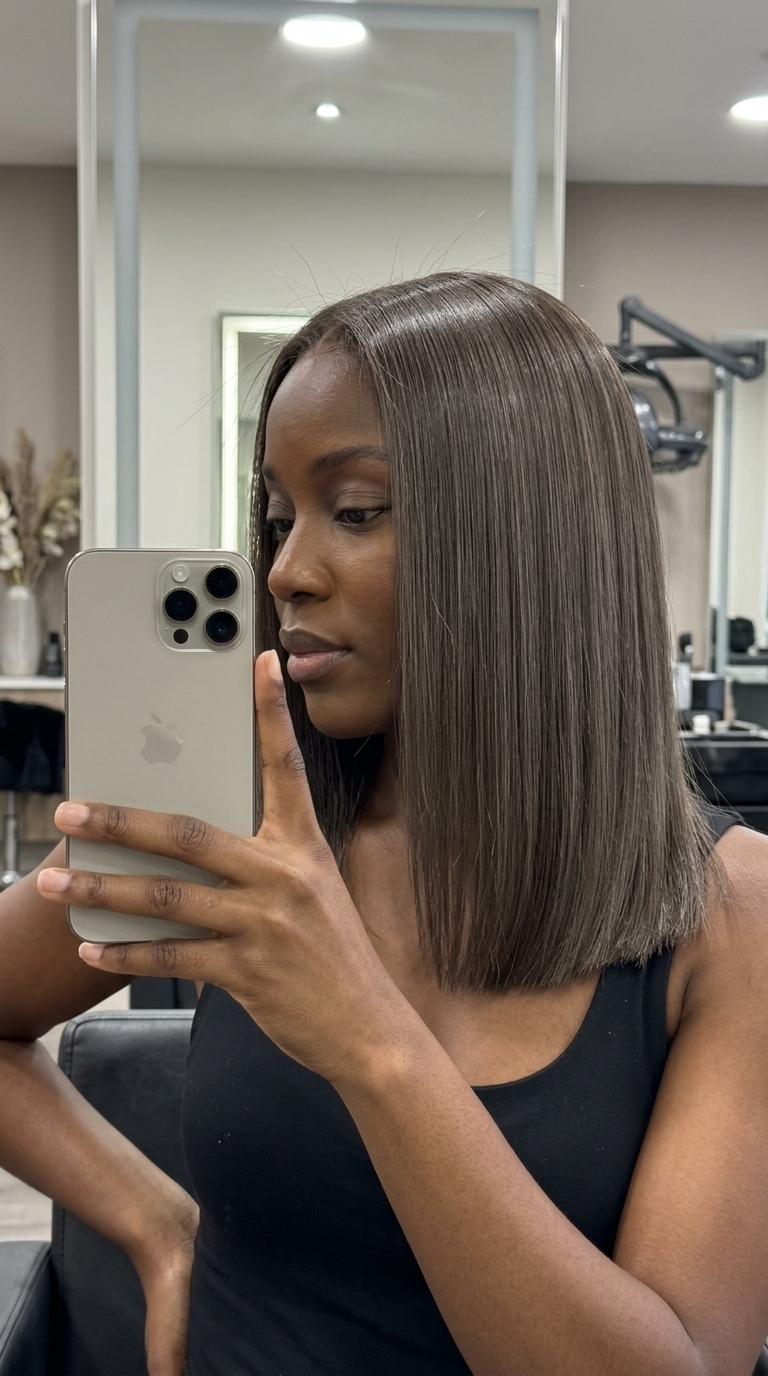
After all the color complexity, a gloss treatment is the insurance policy. Demi-permanent glosses are color-depositing treatments—basically a rinse of cool pigment that sits on top of whatever base you’ve built. You’re not changing your cut or your base color. You’re boosting shine and neutralizing any warmth that’s crept in over three weeks of sun and swimming. Demi-permanent gloss deposits cool pigments, neutralizing warmth and adding maximum shine, which is why this feels like a cheat code.
Demi-permanent gloss boosted shine and neutralized warmth for 20 shampoos, which means a single salon visit pays dividends for a month. The technique takes 20 minutes. You can do it between major color appointments, or every six weeks as maintenance. Avoid if you need permanent gray coverage—this is a temporary color enhancer (my secret weapon for quick refreshes), not a coverage tool. Think of it as a finishing layer, not a commitment. Glossy goals.
23. Still Deciding? Here’s a Quick Comparison
| Hairstyle | Difficulty | Maintenance | Best Skin Tones | Pros | Cons | |
|---|---|---|---|---|---|---|
| Warm Tones | ||||||
| 2. Taupe Balayage Face-Framing | Moderate | Low — every 12-16 weeks | neutral and slightly warm skin tones (as the ash balances warmth) | Low maintenanceSuits most face shapesWorks on multiple textures | Not ideal for very curly hair |
| 3. Sophisticated Neutral Ash Brunette | Salon-only | Medium — every 6-8 weeks | cool fair to deep skin tones, especially those prone to brassiness with other browns | Suits most face shapesWorks on multiple textures | Requires professional styling |
| 4. Ashy Money Piece | Moderate | High — every 6-8 weeks | all skin tones, especially those with cool undertones | Works on multiple textures | Frequent salon visits needed |
| 5. Champagne Ash Balayage | Moderate | Low — every 12-16 weeks | neutral to slightly warm skin tones, as the cool ash balances warmth | Low maintenanceSuits most face shapesWorks on multiple textures | Not ideal for very curly hair |
| 7. Smoked Walnut Balayage | Moderate | Low — every 12-16 weeks | cool and neutral skin tones, especially olive or fair skin with cool undertones | Low maintenanceSuits most face shapesWorks on multiple textures | Not ideal for very curly hair |
| 9. Frosted Walnut Shadow Root | Easy | Low — every 10-12 weeks | fair to medium skin tones with neutral or cool undertones | Low maintenanceEasy to style at homeSuits most face shapes | Not ideal for very curly hair |
| 11. Subtle Amber Ash Balayage | Moderate | Medium — every 10-12 weeks | neutral to warm fair, medium, and olive skin tones | Suits most face shapesWorks on multiple texturesNatural-looking dimension | Not ideal for very curly hair |
| 15. Smoky Walnut Foilayage | Moderate | Medium — every 8-10 weeks | fair to medium skin with cool or neutral undertones | Suits most face shapesWorks on multiple textures | Not ideal for very curly hair |
| 17. Ash Brown with Charcoal Undertones | Moderate | Medium — every 6-8 weeks | cool to neutral skin tones, especially those with fair to medium complexions | Suits most face shapesWorks on multiple textures | Not ideal for very curly hair |
| 18. Espresso Martini Reverse Balayage | Moderate | Medium — every 10-12 weeks | deep skin tones, fair skin with cool undertones | Suits most face shapesWorks on multiple texturesNatural-looking dimension | Not ideal for very curly hair |
| 24. Neutral Ash Brown Blend | Moderate | Medium — every 8-10 weeks | a wide range of skin tones, especially neutral, olive, and medium complexions | Suits most face shapesWorks on multiple textures | Not ideal for very curly hair |
| 25. Cool Ash Brown Glass Gloss | Easy | Medium — every 4-6 weeks | fair to medium skin tones with cool or neutral undertones | Easy to style at homeWorks on multiple textures | Not ideal for very curly hair |
| Cool Tones | ||||||
| 1. Platinum Ash Money Piece | Moderate | High — every 3-4 weeks | cool fair to medium skin tones, especially those with blue or grey eyes | Suits most face shapesWorks on multiple textures | Frequent salon visits needed |
| 6. Slate Brunette Solid Color | Moderate | High — every 4-5 weeks | cool and pale skin tones, especially those with pink or blue undertones | Suits most face shapesWorks on multiple textures | Frequent salon visits needed |
| 8. Ash Peekaboo Pop | Moderate | Medium — every 6-8 weeks | all skin tones, particularly those who enjoy a dramatic contrast | Suits most face shapesWorks on multiple textures | Not ideal for very curly hair |
| 12. Ash Brown Undercoat Reveal | Moderate | Low — every 8-10 weeks | neutral to cool skin tones, especially those with brown or hazel eyes | Low maintenanceSuits most face shapesWorks on multiple textures | Not ideal for very curly hair |
| 13. Mushroom Brown Ombré | Moderate | Low — every 10-12 weeks | neutral to cool skin tones, especially olive skin, and enhances brown and hazel eyes | Low maintenanceSuits most face shapesWorks on multiple textures | Not ideal for very curly hair |
| 14. Espresso Martini Ash Babylights | Moderate | Medium — every 10-12 weeks | deep skin tones, fair skin with cool undertones | Suits most face shapesWorks on multiple texturesSubtle sun-kissed effect | Not ideal for very curly hair |
| 16. Iced Mocha Color Melt | Moderate | Medium — every 8-10 weeks | fair to deep skin with cool or neutral undertones | Suits most face shapesWorks on multiple textures | Not ideal for very curly hair |
| 20. Refined Ash Crown Highlights | Moderate | Medium — every 8-10 weeks | cool fair to medium skin tones, especially those with pink or olive undertones | Suits most face shapesWorks on multiple textures | Not ideal for very curly hair |
| 22. Avant-Garde Ash Color Block | Salon-only | High — every 4-6 weeks | all skin tones, as the boldness of the color is the main statement | Suits most face shapesWorks on multiple textures | Requires professional styling |
| 23. Ash Brown Reverse Balayage | Salon-only | Medium — every 10-12 weeks | cool and neutral skin tones, especially medium to deep complexions | Suits most face shapesWorks on multiple texturesNatural-looking dimension | Requires professional styling |
24. Frequently Asked Questions
What are the best summer ash brown hair colors for 2026?
For 2026, the standouts are the Platinum Ash Money Piece for maximum contrast, the Taupe Balayage Face-Framing for a sun-kissed natural look, and the Sophisticated Neutral Ash Brunette for an all-over cool tone. If you want something softer, the Champagne Ash Balayage blends seamlessly without high-contrast drama. Each offers a different balance of dimension and commitment.
How do I prevent my ash brown hair from turning brassy in summer?
The non-negotiable: a blue toning conditioner used weekly (or every other wash for styles like the Platinum Ash Money Piece and Ashy Money Piece ). Pair it with a color-safe, sulfate-free shampoo designed for brunettes, and apply a UV protectant spray before sun exposure—especially critical for high-lift styles like Taupe Balayage Face-Framing and Champagne Ash Balayage . A leave-in molecular repair mask keeps color-treated hair strong enough to hold cool tones.
Which ash brown hair color is the lowest maintenance for summer?
The Taupe Balayage Face-Framing and Champagne Ash Balayage are your lowest-commitment options. Balayage touch-ups are only needed every 12-16 weeks, and a toning conditioner refresh every 6-8 weeks keeps them pristine. All-over styles like the Sophisticated Neutral Ash Brunette require root touch-ups more frequently, making them higher maintenance.
Can I tone my ash brown hair at home, or do I need a salon visit?
A blue toning conditioner (applied at home, left on for 10-15 minutes weekly) is your secret weapon for maintaining any ash brown between salon visits. However, if your hair has turned noticeably orange or brassy, a professional toner refresh is worth the salon trip—DIY toning can over-deposit and turn hair muddy. For color application itself (like the Platinum Ash Money Piece or Ashy Money Piece ), salon-only is the safest bet.
How long does ash brown hair color last in summer heat and sun?
Without UV protection and toning maintenance, expect noticeable fading or brassiness within 3-4 weeks of summer sun exposure. With diligent care—UV protectant spray, weekly toning conditioner, and color-safe products—most ash browns hold their cool tone for 6-8 weeks before needing a refresh. Balayage styles like Taupe Balayage Face-Framing fade more gracefully than all-over colors, so they appear fresher longer even as they lighten.
25. Final Thoughts
Here’s the thing about summer ash brown hair color 2026: it’s not forgiving. You can’t half-commit to the toning routine and expect platinum ribbons to stay silver-white, or a taupe balayage to resist that creeping orange. The styles in this list—from the Platinum Ash Money Piece to the Sophisticated Neutral Ash Brunette—all demand the same thing: a color-safe shampoo, a blue toning conditioner, and the willingness to refresh every 6-8 weeks. Pick the maintenance level you can actually sustain, not the one that looks best in photos.
Because here’s what I’ve learned writing this: the difference between