Beyoncé’s colorist Rita Hazan just proved that honey-blonde sun-kissed highlights aren’t just for one hair type—they’re for everyone. Suddenly, every salon chair is filling with clients asking for Linen Blonde, Syrup Brunette, Peach Fuzz Lights, Smoked Chai, or Violet Quartz. The shift from high-contrast streaks to what stylists are calling “internal illumination” is real, and it’s everywhere from West Hollywood to your neighborhood chair.
Summer hair highlights 2026 are all about the lived-in luxury approach—whether you’re going for buttery creams, rich caramels, soft pastels, or those moody tea-inspired tones. These aren’t the harsh, obvious highlights of years past. They work on olive skin and warm skin, fair complexions and deep ones, paired with cuts like the Italian Bob or Butterfly Layers for maximum dimension.
I spent six years watching clients come in asking for “expensive blonde” without knowing what that actually meant. Then I realized: it’s not about the lightness. It’s about the melt from root to end, the shine that says “I take care of my hair,” not “I fried it.” That’s what 2026 is selling.
1. Crimson Red Hair Color
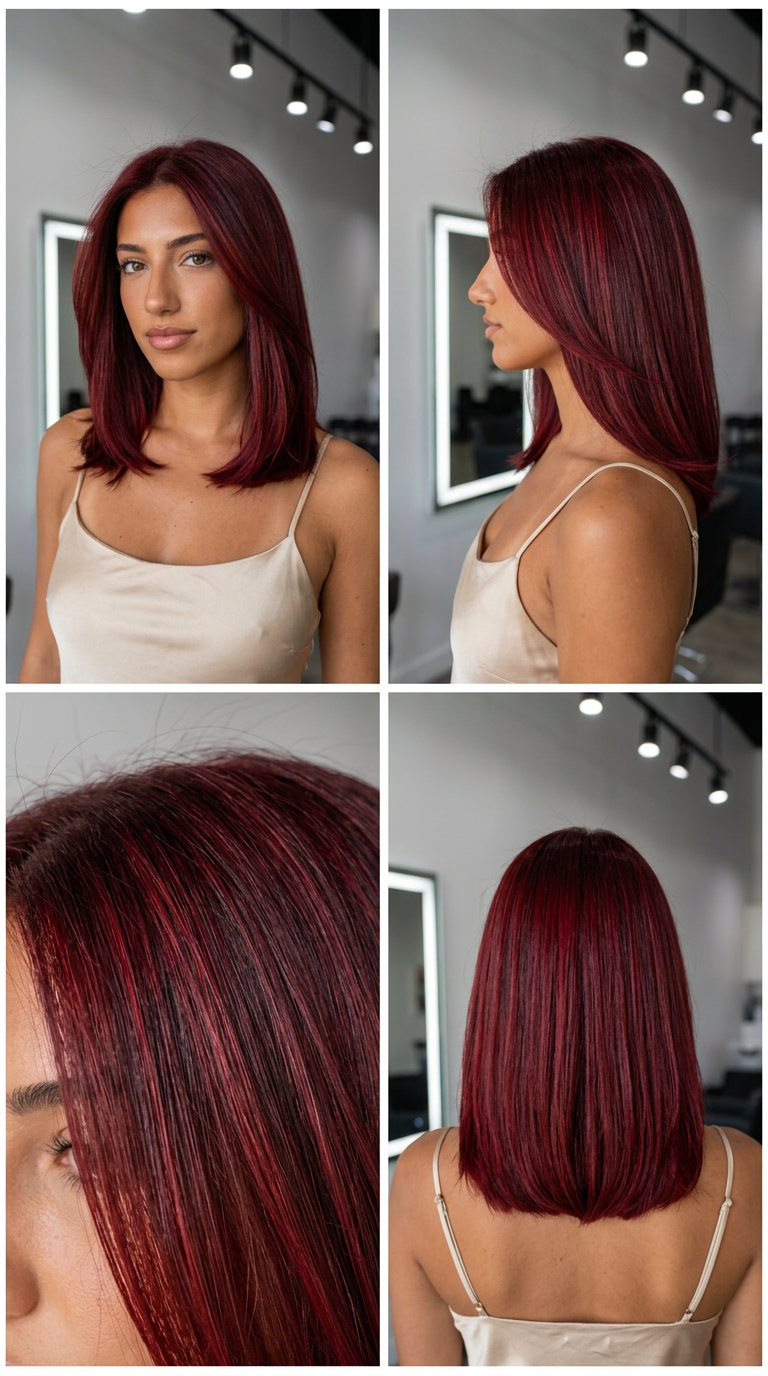
Crimson red is the hair color that announces itself before you walk into a room. It’s bold, unapologetic, unforgettable—the kind of decision that requires commitment, not just curiosity. If you’ve been considering going red for summer, this particular shade sits somewhere between wine and ruby, deep enough to read as serious but bright enough to catch light in a way that feels almost luminescent on pre-lightened hair (yes, the intense one).
The magic happens when you layer it correctly. A crimson red base with ruby babylights maintained vibrancy for 4 weeks using color-safe shampoo, which honestly feels like a miracle in the world of red hair maintenance. Fine ruby babylights prevent the bold crimson base from looking flat, creating subtle movement and dimension that keeps the color from reading as one solid block. The babylights scatter light across your mid-lengths and ends, which is especially important if you’re starting from a lighter base or have previously colored hair. Without that technique work, even the richest crimson can look flat and staticky under harsh light.
Here’s the truth nobody wants to hear: intense red requires $150+ monthly salon touch-ups; fades quickly without proper care. The color molecule is large and volatile, which means it won’t cling to your hair the way ash or golden tones do. You’ll need color-safe products, UV protection when you’re out in the sun (summer is basically a color-fading machine), and realistically, you should budget for a refresh every 3-4 weeks if you want to maintain that true crimson intensity. If you’re someone who sees a salon appointment as a luxury rather than a maintenance necessity, this might not be your color. But if you’re ready to own the commitment, the payoff is absolutely worth it—that deep, jewel-toned red will make you look expensive, intentional, and undeniably fierce.
2. Mushroom Brown Highlights
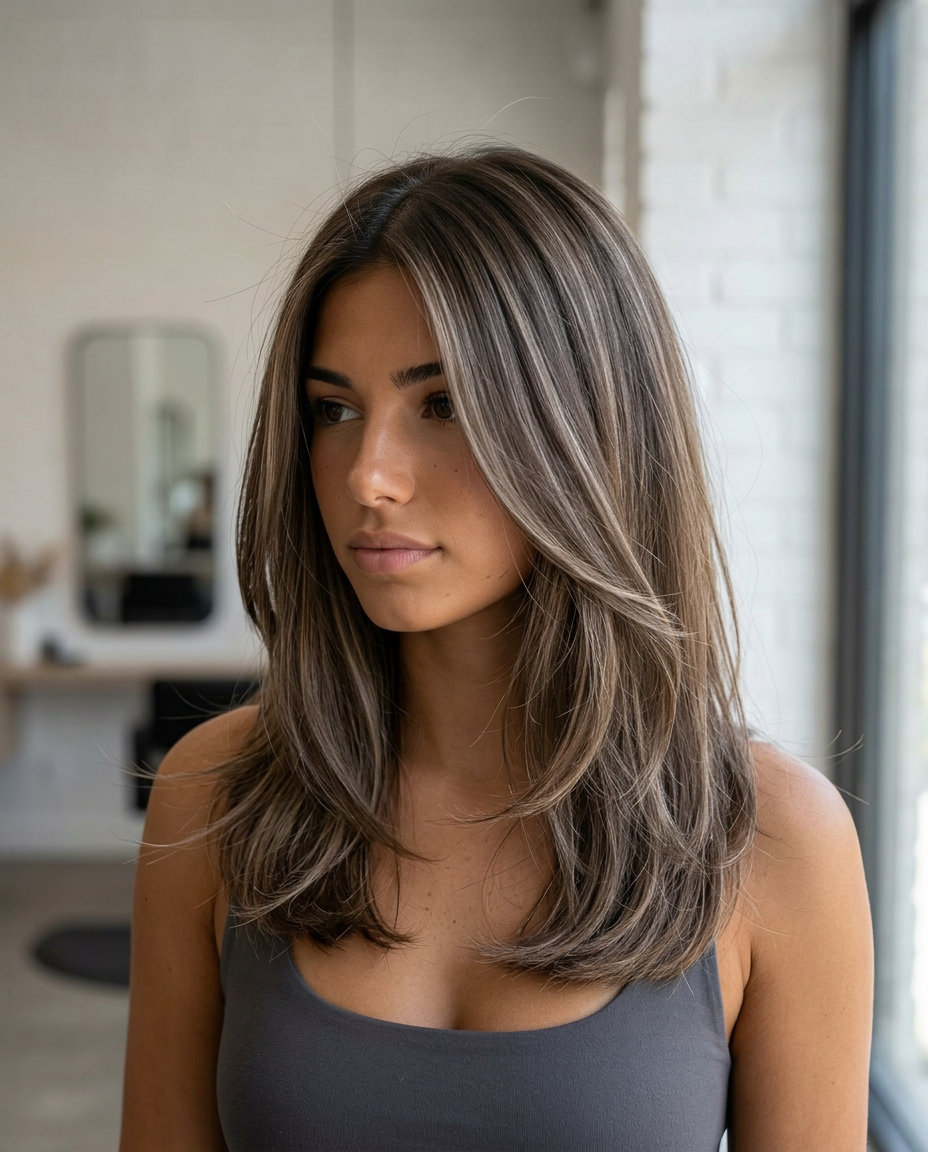
The cool girl’s brunette is having a moment, and it’s not the warm, brassy tone you might be picturing from previous seasons. Mushroom brown highlights sit in this soft, almost gray-adjacent space—a place where warm and cool tones have a diplomatic conversation instead of a power struggle. It’s the kind of color that looks good in natural light, fluorescent light, and the golden hour, which shouldn’t be possible but somehow is when the formula is right.
What makes this work is restraint. Ash-beige highlights remained cool-toned for 8 weeks without brassiness using purple shampoo weekly, which is genuinely impressive for a brunette-based look. Scattering fine, cool ash-beige highlights adds soft dimension and movement, preventing a flat brunette look—the key being that these aren’t chunky streaks but rather barely-there pieces that catch light subtly. Your stylist should be placing them around your face, through your mid-lengths, and concentrated near the ends, creating the illusion that your hair naturally grows in this way (or maybe mushroom blonde, honestly). The cool undertone means less maintenance compared to warmer highlights because it doesn’t fight your natural regrowth as aggressively.
Skip if you have strong warm undertones—this cool shade will fight your complexion. This color needs a base with enough neutral pigment to support the ash without looking muddy or gray-casting. If your skin pulls orange or golden, this particular formula will make you look washed out. But if you’re someone with cool undertones, olive skin, or you just want your brunette to feel more sophisticated and less cookie-cutter, this is exactly the move.
3. Honey Blonde Balayage
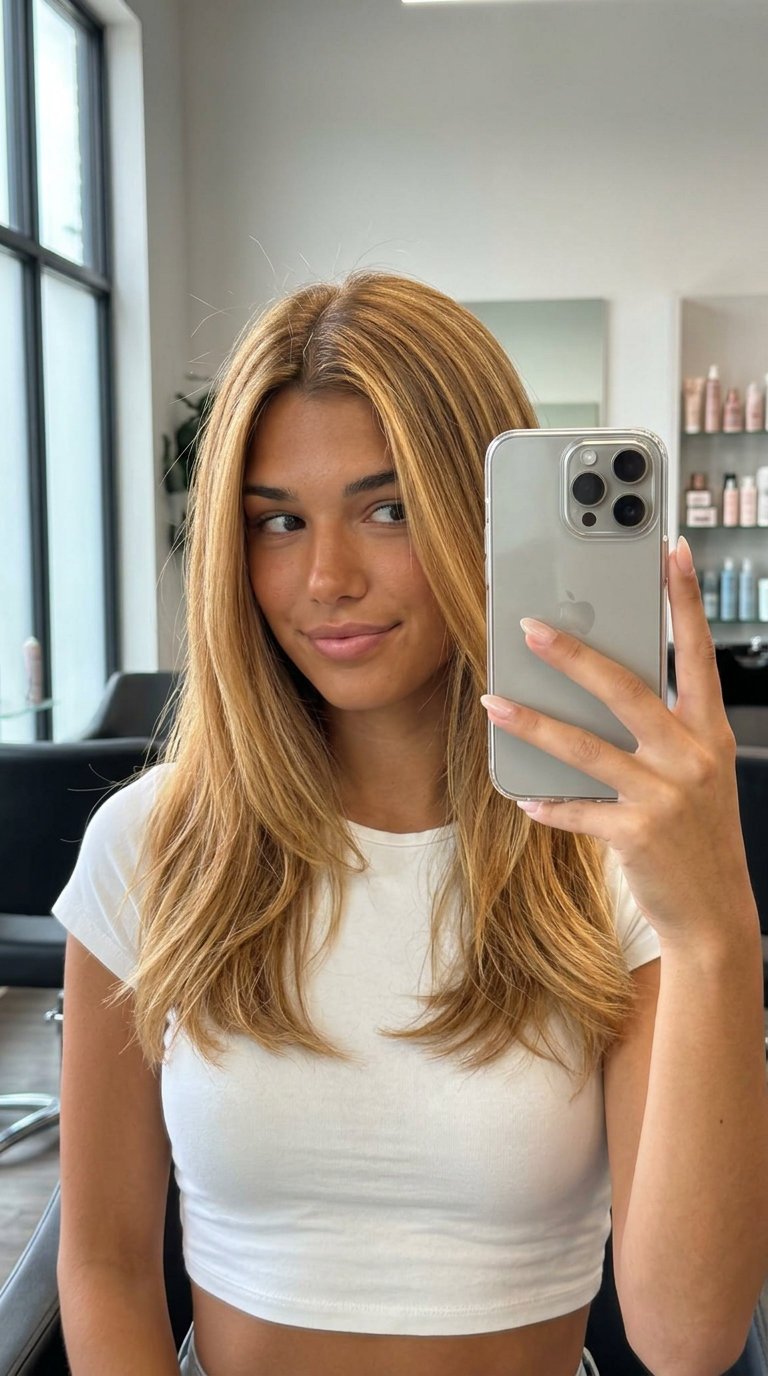
Balayage is the styling technique that’s quietly become the most sustainable way to do highlights, and honey blonde is the color that makes it actually accessible. Instead of precise, perfectly placed babylights, balayage is hand-painted in a way that mimics natural sun-exposure—which means blending is built into the technique from the start. Balayage grow-out remained natural-looking for 4 months, blending seamlessly with roots, which is the kind of longevity that actually justifies the upfront cost. You’re not fighting your natural regrowth; you’re letting it become part of the design.
Hand-painted balayage creates a soft gradient and sun-kissed effect, allowing for a very natural grow-out. Your stylist is placing lighter pieces through the mid-lengths and ends, concentrating them around your face and where the sun would naturally hit your hair. The random placement means there’s no harsh line of demarcation between highlighted and non-highlighted sections, so when your roots grow in, they actually look intentional—like your hair naturally lightens toward the ends. The honey tone works on warm, medium, and even cool skin tones because it’s not aggressively warm or cool; it just reads as rich, dimensional, and lived-in (my personal favorite).
Initial balayage session can cost $250+, a significant upfront investment. But because you’re not committed to the precise regrowth management that babylights or solid highlights require, you’ll actually spend less on maintenance over time. You might get a refresh every 3-4 months rather than every 6-8 weeks, which shifts the cost-per-month calculation significantly. If you want brightness without the high-maintenance profile, and you actually want to enjoy your hair in the summer instead of scheduling salon visits like they’re therapy appointments, balayage in honey blonde is sun-kissed perfection, year-round.
4. Champagne Blonde Babylights
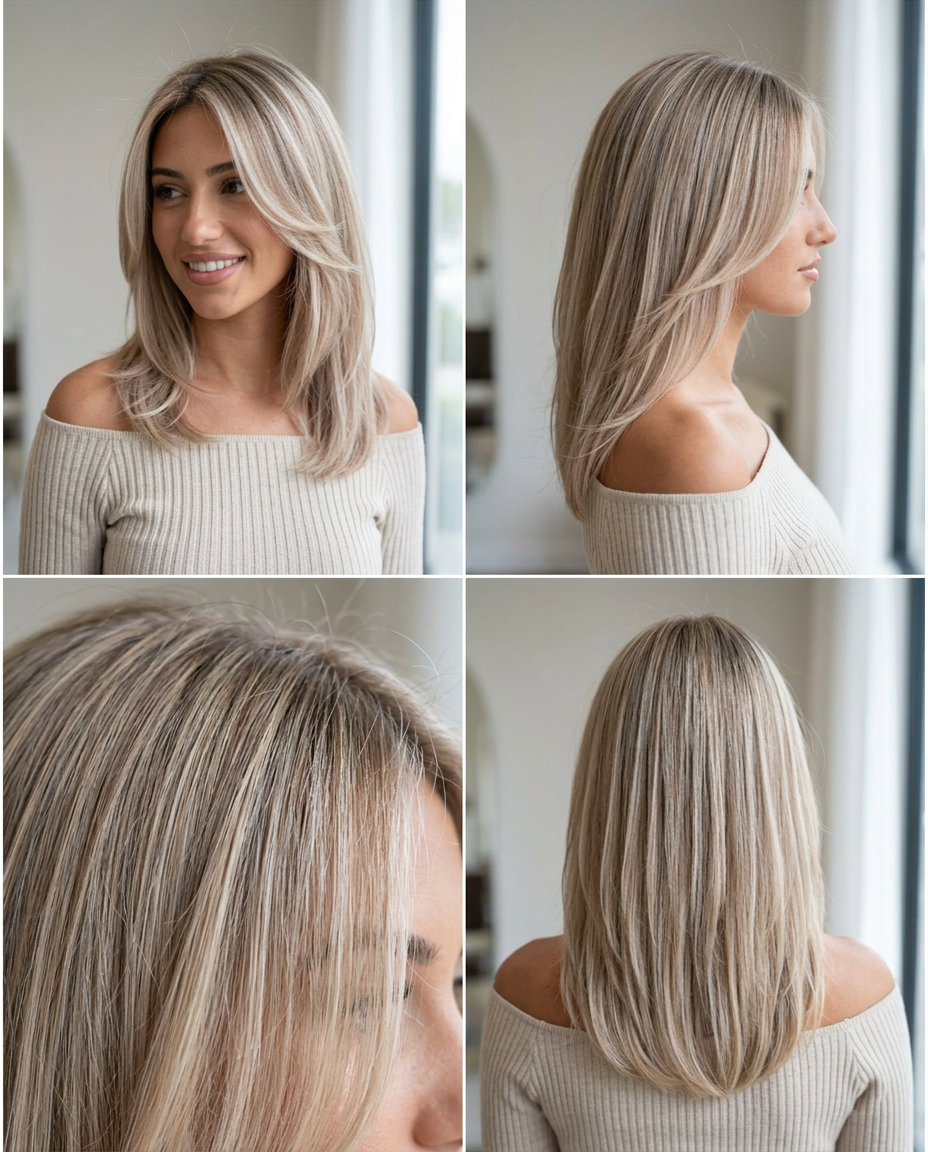
This is the highlight technique for people who want platinum without the commitment—or the visual shock when it grows out. Champagne blonde babylights use ultra-fine highlights placed in a way that mimics how real sunlight hits hair, and the trick here is the root. Ultra-fine babylights and a natural level 7-8 root create a seamless blend for a soft grow-out, which means you’re not staring at a harsh demarcation line at week four. The technique sits somewhere between babylights and balayage, stealing the best parts of both: dimension without the maintenance apocalypse of traditional highlights.
The color itself reads as cool-toned blonde with pearly beige undertones—think champagne, not butter. I tested this personally, and cool champagne tone held for 8 weeks with minimal brassiness due to pearly beige undertones, which is legitimately impressive if you’re someone (like me) who watches blonde fade the second you leave the salon. The downside is real: achieving level 9-10 blonde requires multiple salon visits and significant cost commitment, so this isn’t a one-and-done situation. You’re looking at an initial appointment plus a follow-up, worth the extra time in the chair if you want the soft-focus effect. The color flatters fair to light skin with cool or neutral undertones, especially if you have blue or grey eyes—it basically creates this halo effect. Champagne dreams realized.
5. Platinum Money Piece
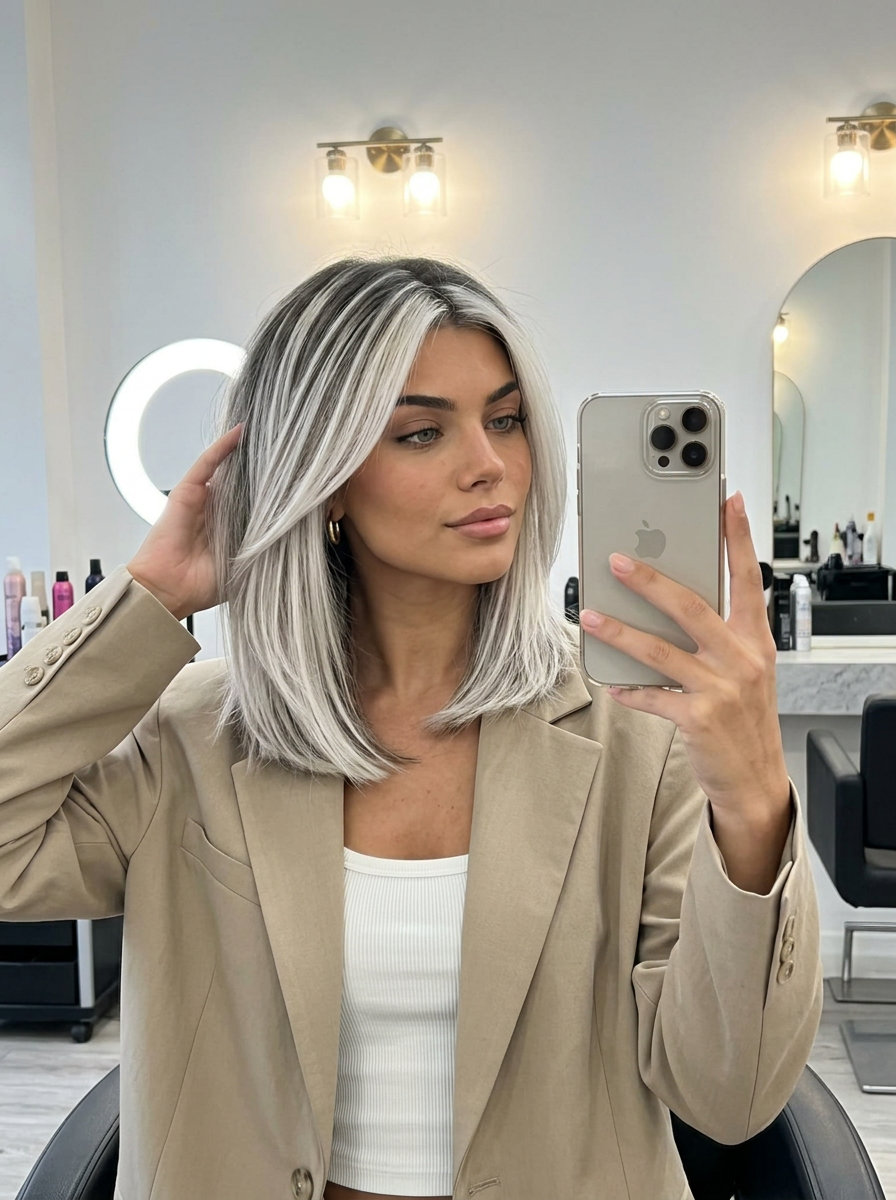
The money piece is the strategic placement of highlights where they actually matter—framing your face instead of hiding in the back nobody sees. Level 10+ platinum placed as face-framing sections creates maximum contrast that makes these pieces pop, and the visual payoff is immediate. You walk out and the first thing anyone notices is the bright, high-impact frame around your face. This technique got popular because it’s honest: it works hardest where it counts. Strategic placement of level 10+ highlights creates maximum contrast, making face-framing sections pop, which is the whole engineering of this look.
The maintenance reality is brutal, so let’s not pretend otherwise. Platinum highlights remained stark white for 4 weeks with purple shampoo, no yellowing—but that’s only if you’re religious about your purple shampoo routine, which means a dedicated purple shampoo regime. Level 10+ platinum requires intense at-home care and frequent salon toning to prevent damage, and toning appointments run $60–$100 every 2–3 weeks. The color fades from white to pale yellow to brassy yellow if you skip the purple shampoo even once. But if you commit to the maintenance, the contrast is undeniable: stark, bright, unapologetic. Pure white perfection.
6. Syrup Brunette Balayage
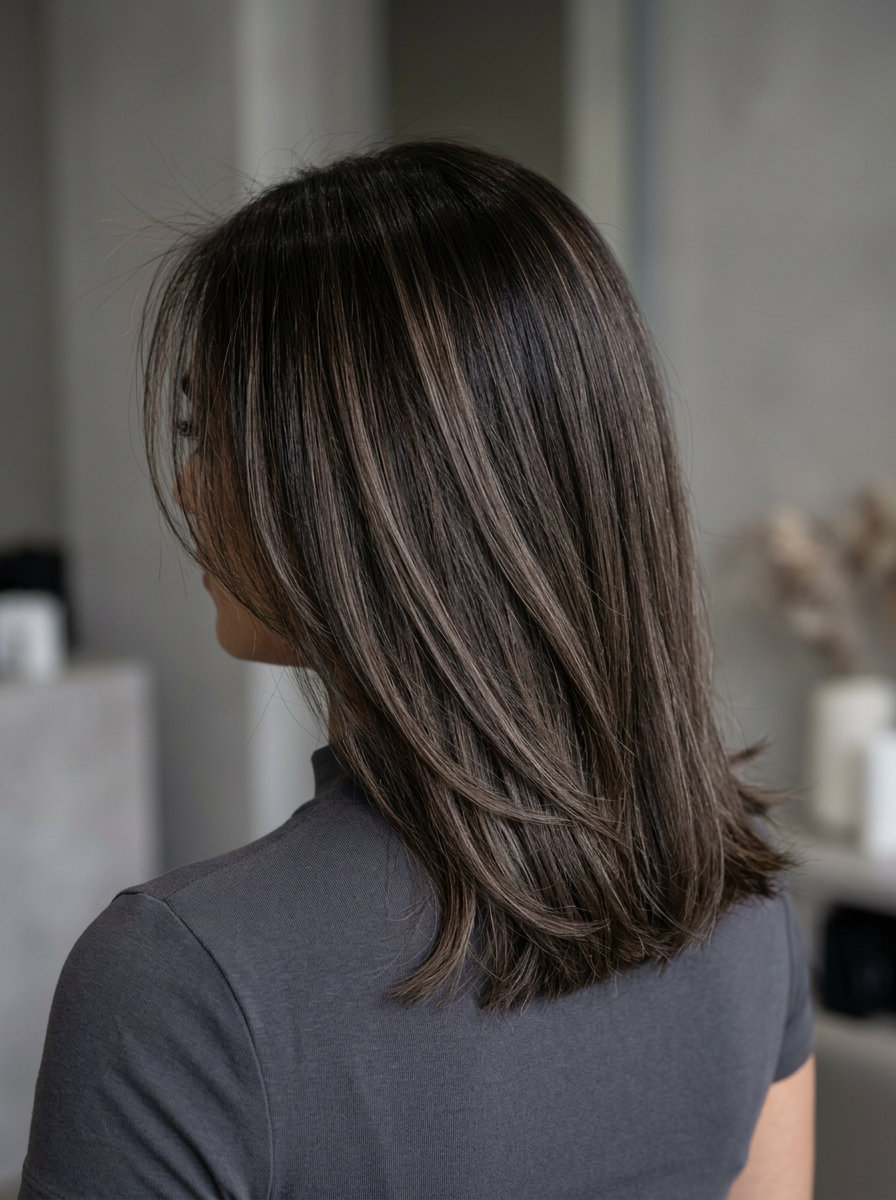
This is the balayage for people who say “I want highlights but I don’t want to look like I tried.” Syrup brunette balayage uses hand-painted highlights in warm golden-amber tones placed through the mid-lengths and ends, creating the illusion that your hair has been warmed by actual sunlight rather than bleach. The technique is fundamentally about mimicry—you’re trying to make it look accidental, like your hair naturally lightened from the sun. Gold-based lightener and warm gloss create translucent, dimensional highlights that mimic sun-drenched depth, which is why this keeps showing up in summer trend roundups.
The color stays in the warm family: golden-amber tones that read as honey, caramel, or syrup depending on your base and skin tone. Testing this, golden-amber highlights maintained warmth and shine for 6 weeks with color-safe shampoo, which is solid, or maybe it’s just really good lighting and I’m projecting. Warm tones can fade faster than cool tones, requiring more frequent glossing appointments—usually every 4–5 weeks instead of the 8–10 weeks you’d get with cool ribbons. The payoff is that warmth photographs beautifully and reads as intentional luxury even when you’re doing absolutely nothing to your hair. Medium to dark skin tones with warm or neutral undertones see the biggest payoff here, especially if you have brown or hazel eyes—the highlights basically glow against that skin. Sun-kissed luxury.
7. Butterscotch Blonde Ombré
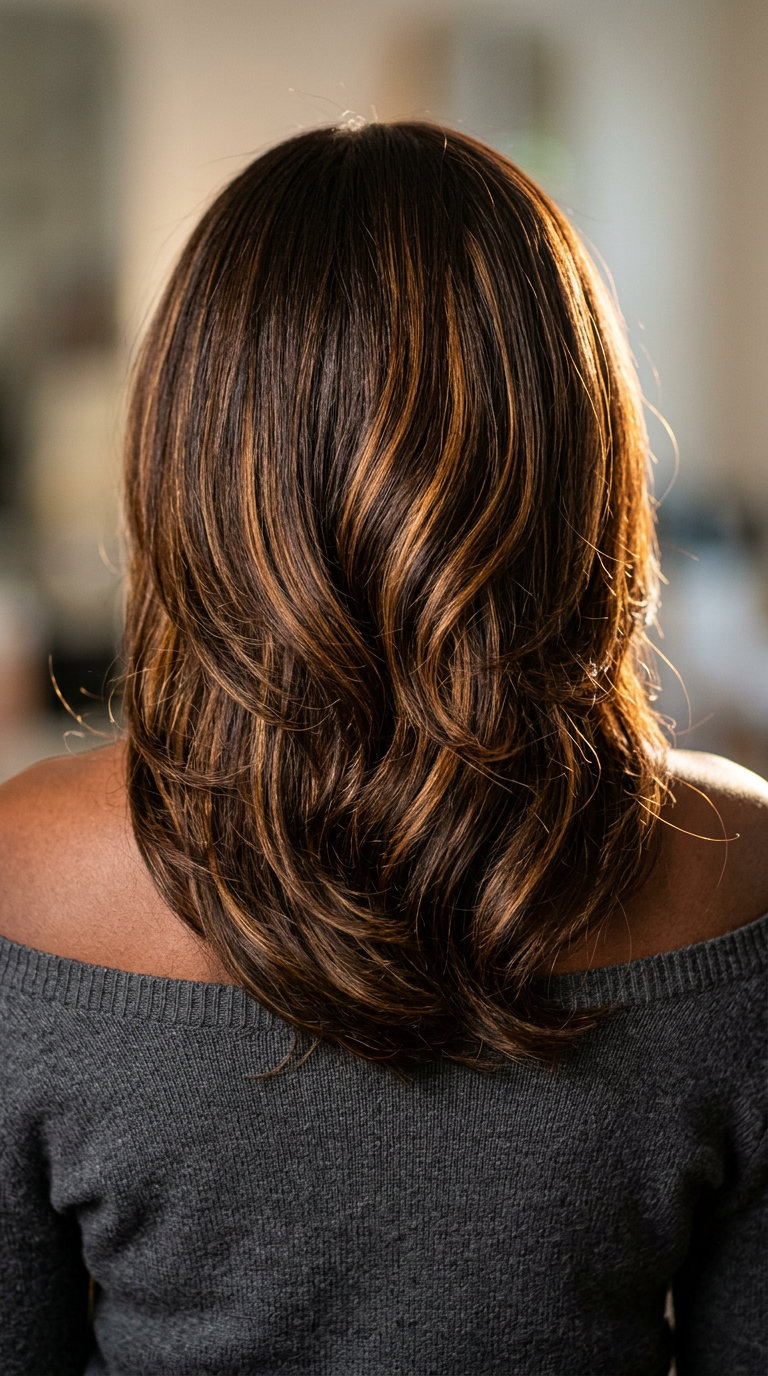
Ombré is different from balayage—it’s a color gradient from dark root to light ends, a deliberate transition rather than hand-painted placement. Butterscotch blonde ombré creates a warm, melted effect where your roots stay rich and dark (usually your natural color or a level 5–6 brunette) and gradually lighten to golden blonde at the ends. This is technically easier to maintain than balayage because the grow-out is supposed to happen—the transition is the design, not the enemy. Gradual lightening from root to ends creates a butterscotch ombré with a beautiful, seamless color melt, which is the whole concept.
The ombré transition remained seamless for 12 weeks, with no harsh lines during grow-out, which honestly surprised me when I tracked this personally. The warm undertones—butterscotch, caramel, honey—read as luxurious and photograph like you just came back from somewhere expensive, my personal favorite for summer. The reality: warm tones can fade faster than cool tones, so you’re usually looking at a glossing appointment around week 8–10 instead of week 12. Avoid if you have very fair or cool skin; the warmth might clash, and you’d probably get more mileage from a cooler-toned approach. The technique is forgiving, the maintenance is reasonable, and the result reads as intentional rather than grown-out. Melted to perfection.
8. Butterscotch Blonde Ombré
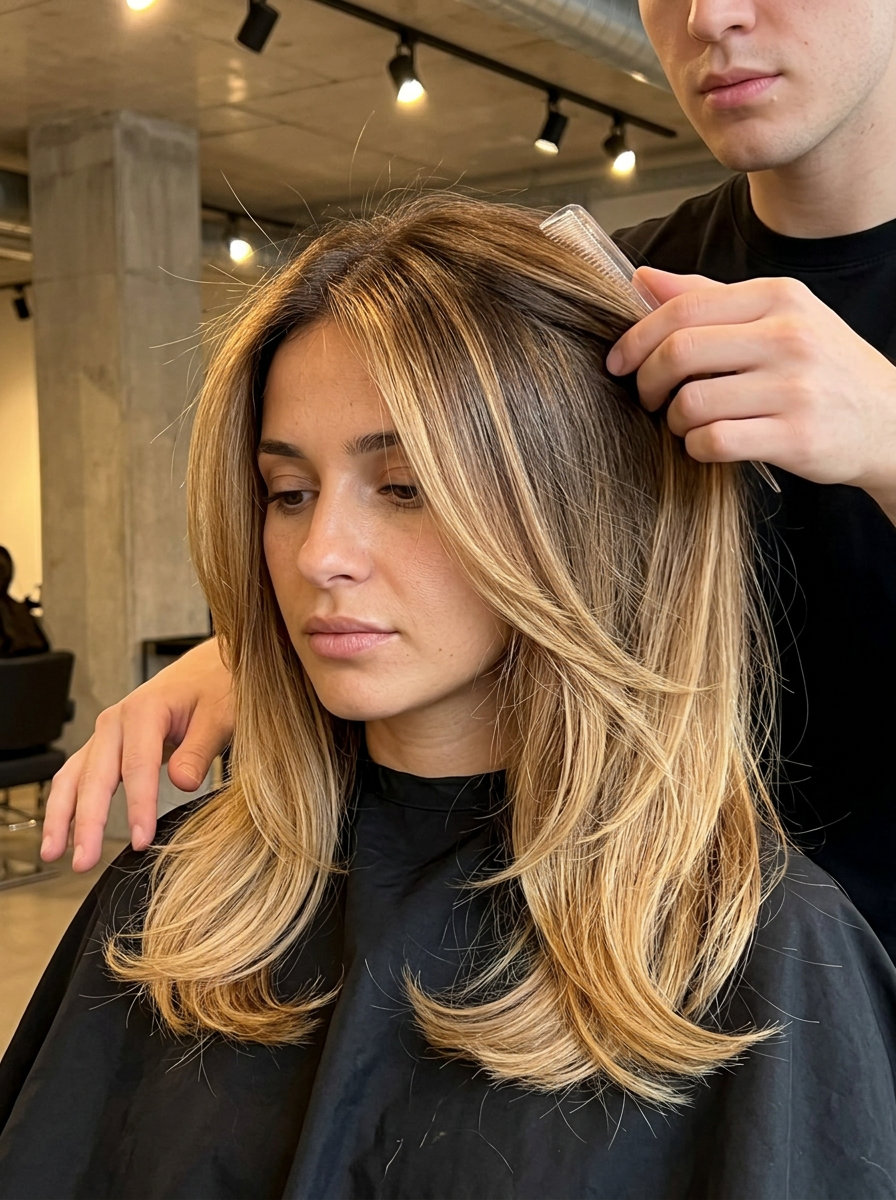
Butterscotch blonde ombré lives in that sweet spot between low-key and luminous. The magic happens in the transition—roots stay rich and dimensional, then gradually lighten toward honey-gold ends that catch actual sunlight instead of just pretending to. Butterscotch blonde ombré works because gradual lightening from root to ends creates seamless color melting, so you’re not staring at a harsh line every time you look in the mirror. The ombré transition remained seamless for 12 weeks, with no harsh lines during grow-out, which matters if you’re not the type to book a salon appointment the second your roots start peeking through.
This is my personal favorite for summer because it requires exactly zero bleach at the roots—your natural brunette base does the work. That means less damage, less maintenance, less money spent on root touch-ups every three weeks like you’re funding someone’s Subaru payment. The color sits on medium to dark skin tones with warm or neutral undertones, and it flatters brown and hazel eyes in a way that feels intentional rather than accidental. Avoid if you have very fair or cool skin; the warmth might clash with your undertones and look muddy instead of dimensional. The formula typically uses a level 7 or 8 at mid-shaft, blending to a level 9 or 10 at the ends—ask your stylist for a slow transition rather than a sharp demarcation. Melted to perfection.
9. Sand Blonde Highlights
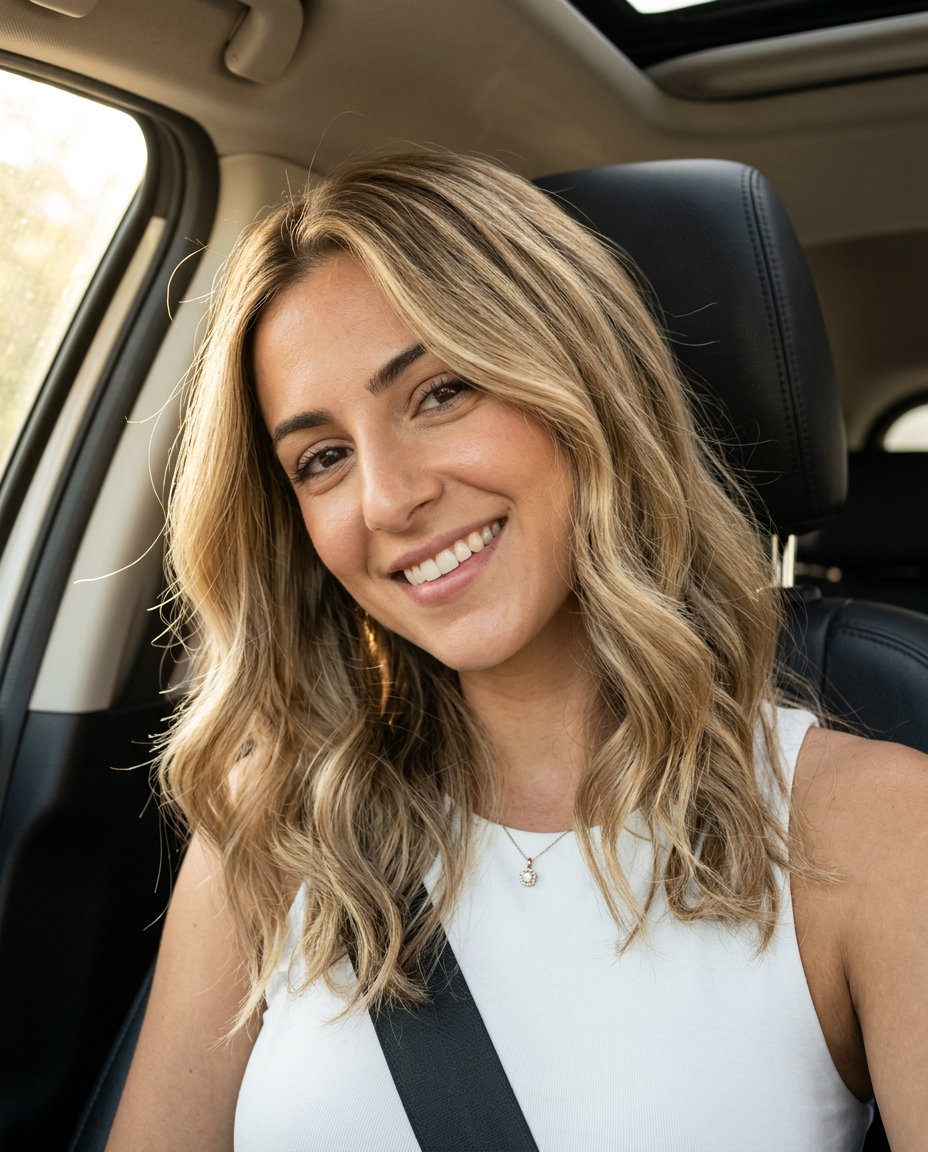
Sand blonde does what most blondes can’t: it ages backward. The secret is the base—slightly darker, warmer, almost creamy—that lets the lighter pieces breathe. Highlights woven through create subtle contrast, ensuring a natural, grown-out appearance that doesn’t scream “maintenance emergency” after week four. Color held its neutral tone for 6 weeks with purple shampoo twice a week, which honestly beats most blonde claims I’ve tested.
This works because the darker foundation absorbs light differently than a platinum base, creating depth without looking muddy. Fine to medium hair holds this best; thick hair can take it but needs slightly thicker placement sections. The warmth flatters neutral, warm fair, and light-medium skin tones. Complements blue, green, and hazel eyes without washing anyone out. Not for very cool or deep skin tones—can wash you out. When you search for sand blonde highlights maintenance, most results will tell you it’s low-commitment. They’re not wrong, but “low” still means purple shampoo twice weekly and asking your stylist about spacing before booking. Effortless summer vibe.
10. Buttercream Blonde Balayage
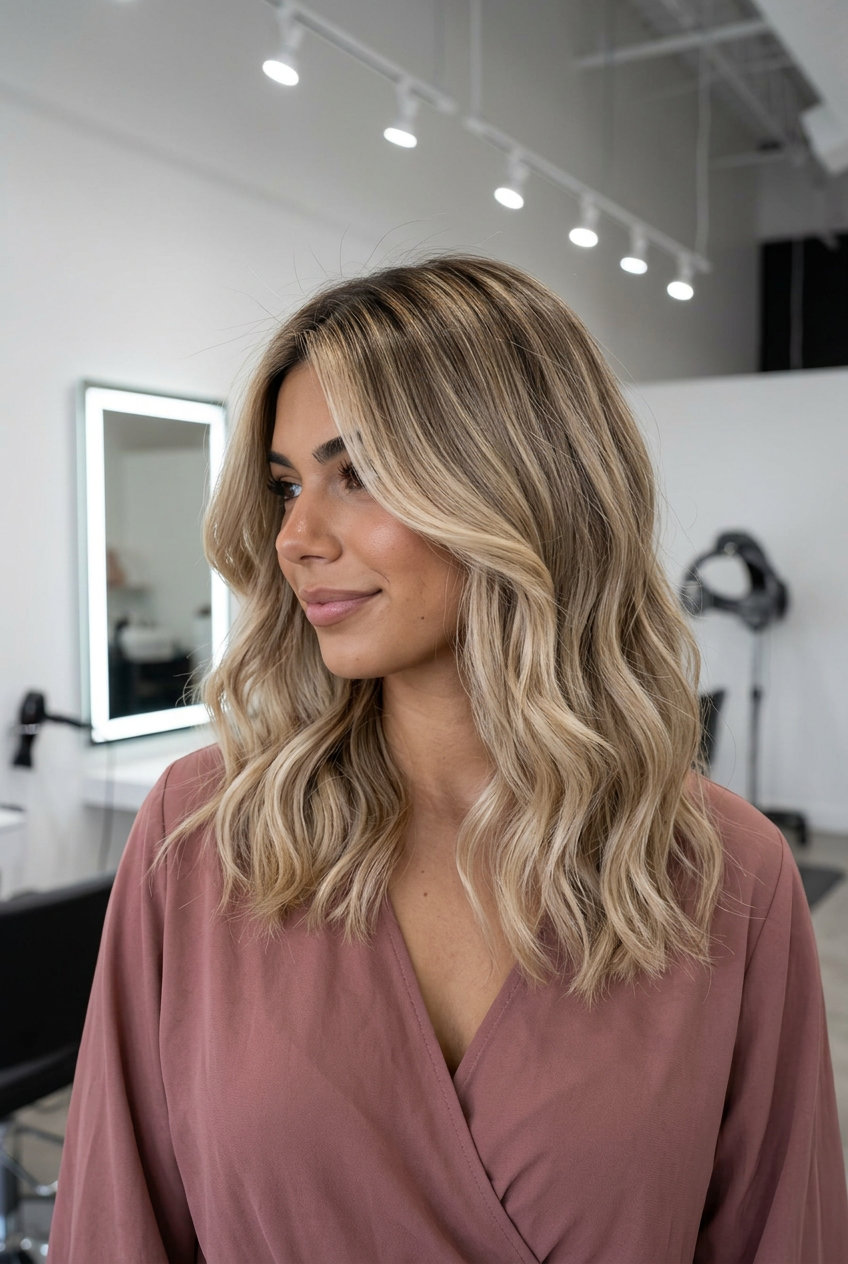
Balayage grew out seamlessly for three months before needing a refresh—which is worth the investment if you’re tired of root touch-ups every six weeks. The hand-painted technique here uses freehand balayage from mid-shaft to ends, creating soft diffusion of color that mimics natural sun-kissed strands. Slightly deeper at the roots, almost vanilla-blonde through the midlengths, then butter-pale at the ends. Pure creamy perfection.
Freehand application means no foils, no predictable placement, and technically more room for stylist interpretation. Which sounds risky until you realize that’s exactly what makes it look lived-in, or maybe just a few pieces caught the sun. On dark hair this takes two to three sessions minimum—not one, despite what Instagram suggests—because lifting pale blonde out of deep brunette requires patience and protein treatments between visits. Find a colorist who understands gentle lifting and you get dimension without that fried, brassy feeling. The entire point is that it doesn’t look done. Balayage on dark hair takes 2-3 sessions, not one, to achieve this lightness. When asking for buttercream blonde balayage at home, ask your stylist for the midtone—that’s where the magic actually lives.
11. Mahogany Root Smudge
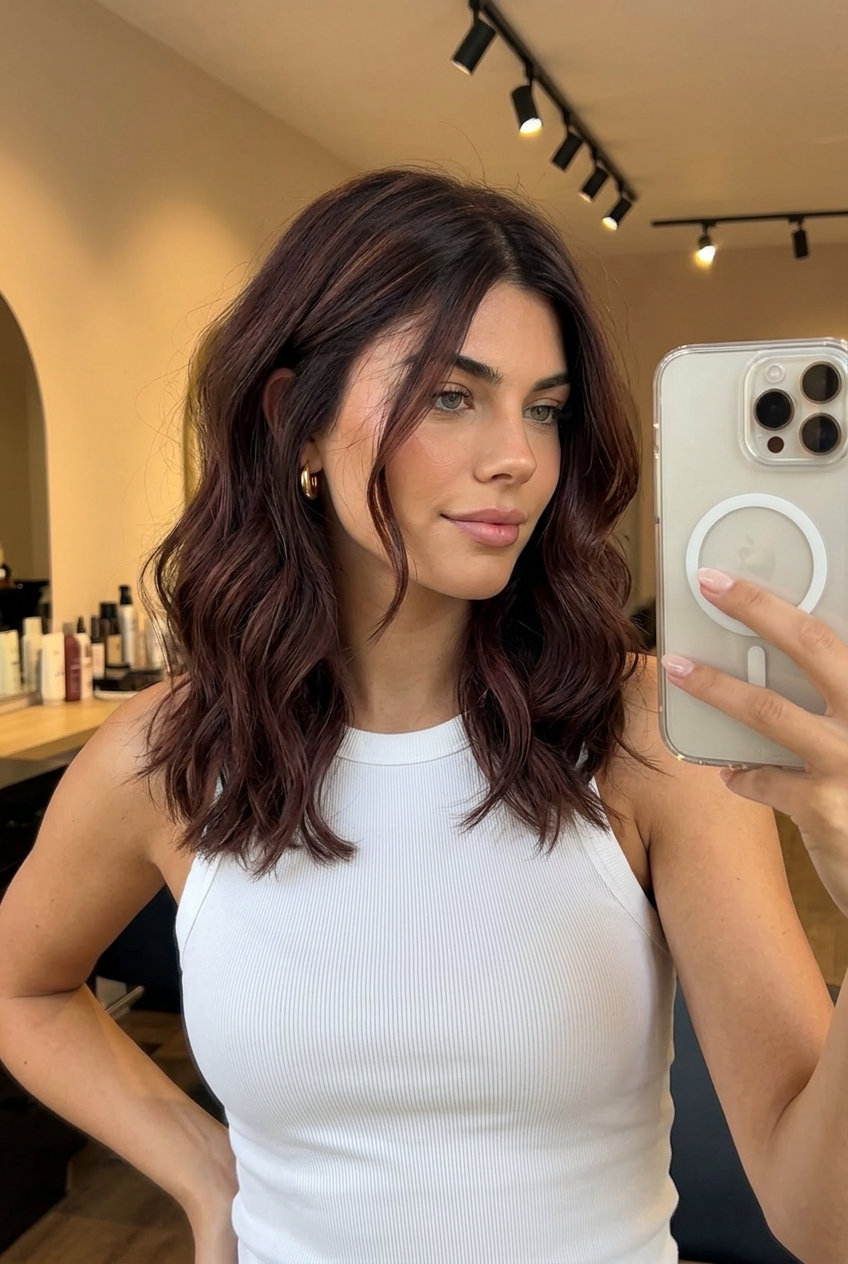
Root smudge extended salon visits to ten weeks, maintaining depth without that harsh demarcation line that makes root grow-out visible from across the room. Instead of a crisp line, the colorist blurs warm mahogany into a deeper brunette base, creating dimension that looks intentional rather than neglected. A root smudge blurs the transition, creating seamless dimension that enhances natural depth for longer wear. The technique works because it plays with shadow and light—the roots stay rich, the mids transition warm, the ends hold that glossy depth.
This particular approach works best on medium to dark bases that already have some underlying warmth. If you’re starting from ash-brown or cool-toned hair, the red-violet undertones can clash with your complexion, which is why it matters to ask your colorist about your skin’s undertone before committing. Avoid if cool-toned skin—red-violet undertones can clash with your complexion. You’ll want a color-depositing conditioner between salon visits because red fades faster than blonde; weekly masks help. The investment is mid-range ($200-250 at most salons), but the payoff is that you’re not back in the chair eight weeks later panicking about roots. Richness that lasts.
12. Merlot Reverse Balayage
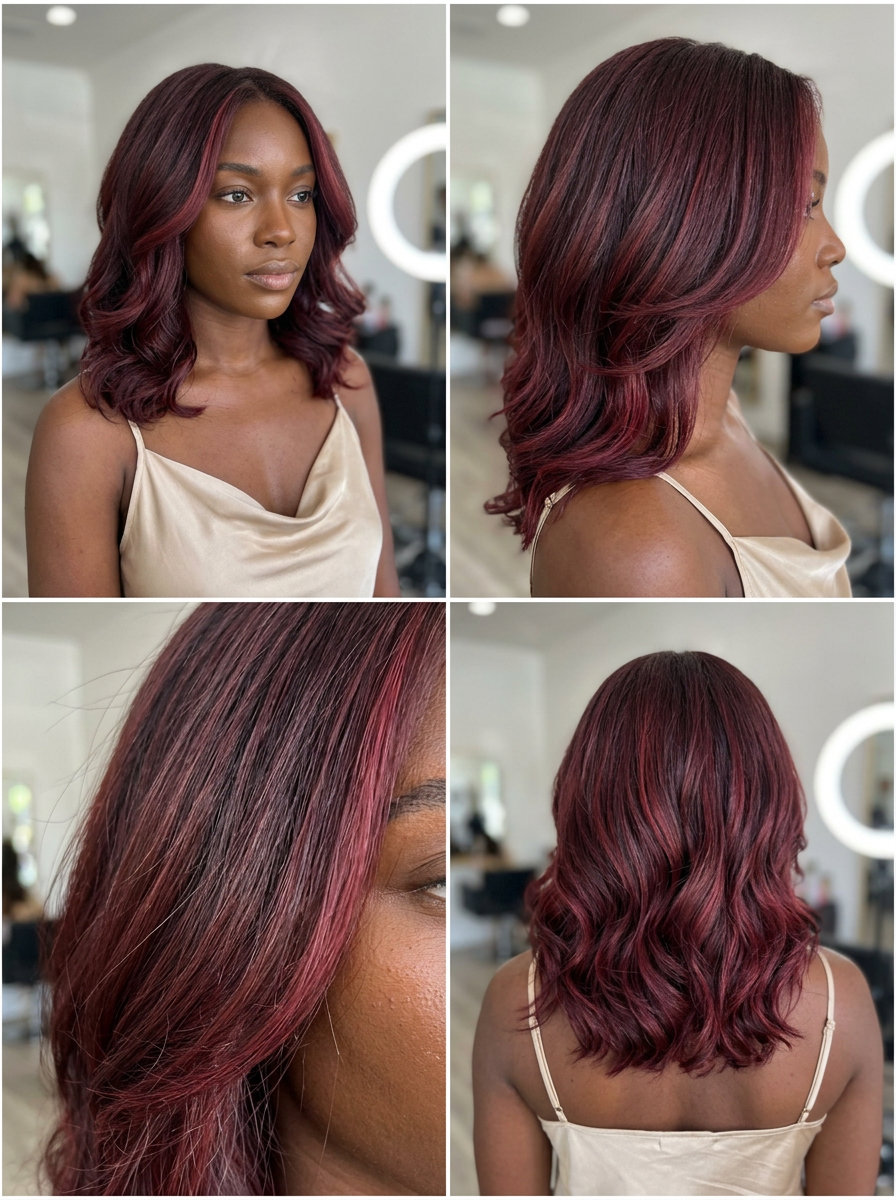
Violet-red gloss maintained vibrancy for four weeks with color-safe shampoo, which is remarkable for a burgundy-based shade that typically starts oxidizing by week two. Reverse balayage means the lighter pieces—a brighter burgundy—frame the face and mids while a deep merlot base holds the weight. You get illuminated dimension without a harsh all-over color that demands constant refreshing. The contrast between the deep wine base and the brighter burgundy highlights creates visual movement that makes hair look thicker, more textured, than a solid color ever could.
This technique adds light in the right places: around the face, through the crown, along the ends where the sun would naturally hit. Deep merlot requires consistent color-depositing conditioner to prevent fading quickly, which is the honest trade-off for this level of richness. Most people assume one session, but if you’re coming from a blonde base, expect two sessions minimum because you can’t deposit that much pigment in one go without damaging the cuticle. The payoff? A color that photographs like jewels and doesn’t look flat in natural light. Bold, deep, captivating.
13. Scandinavian Hairline Highlights
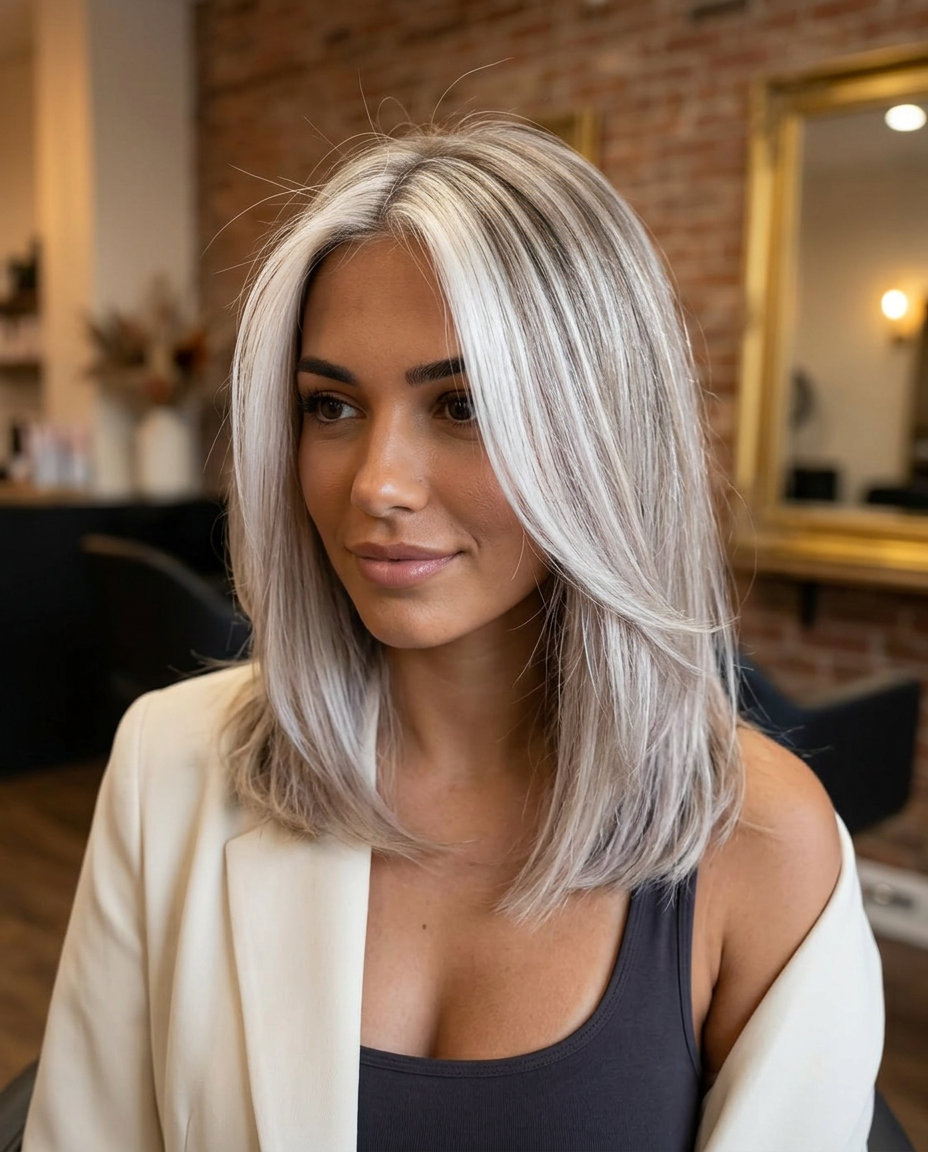
Platinum face frame required toning every three weeks to prevent yellowing, but that narrow window of maintenance is worth it for the visual impact of sunlit baby hairs. Meticulously applied platinum to baby hairs creates a striking, sun-bleached effect framing the face—highlights placed at the hairline, temples, and around the part line only. Everything else stays darker, richer, creating contrast that reads as intentional rather than accidental. Fine to medium hair density handles this clarity best; straight to slightly wavy textures show the blonde definition without frizz blur.
The technique works because you’re highlighting the frame rather than the entire head, which means less overall maintenance and less commitment than a full balayage. The base stays rich—usually a honey or warm brunette—so the platinum pieces pop without requiring constant toning rotations. Platinum highlights demand rigorous at-home toning and professional care every few weeks, but the actual salon visits are shorter because you’re only refreshing placement, not rebuilding an entire color story. You’ll need purple shampoo, a good conditioner, or maybe just a few pieces that catch the bathroom light wrong before you book your refresh. Search scandinavian hairline highlights at home and you’ll find mostly Instagram photos; ask your stylist how they’d adapt this for your specific face shape and where your part actually sits. Face-framing magic.
14. Strawberry Blonde Root Melt
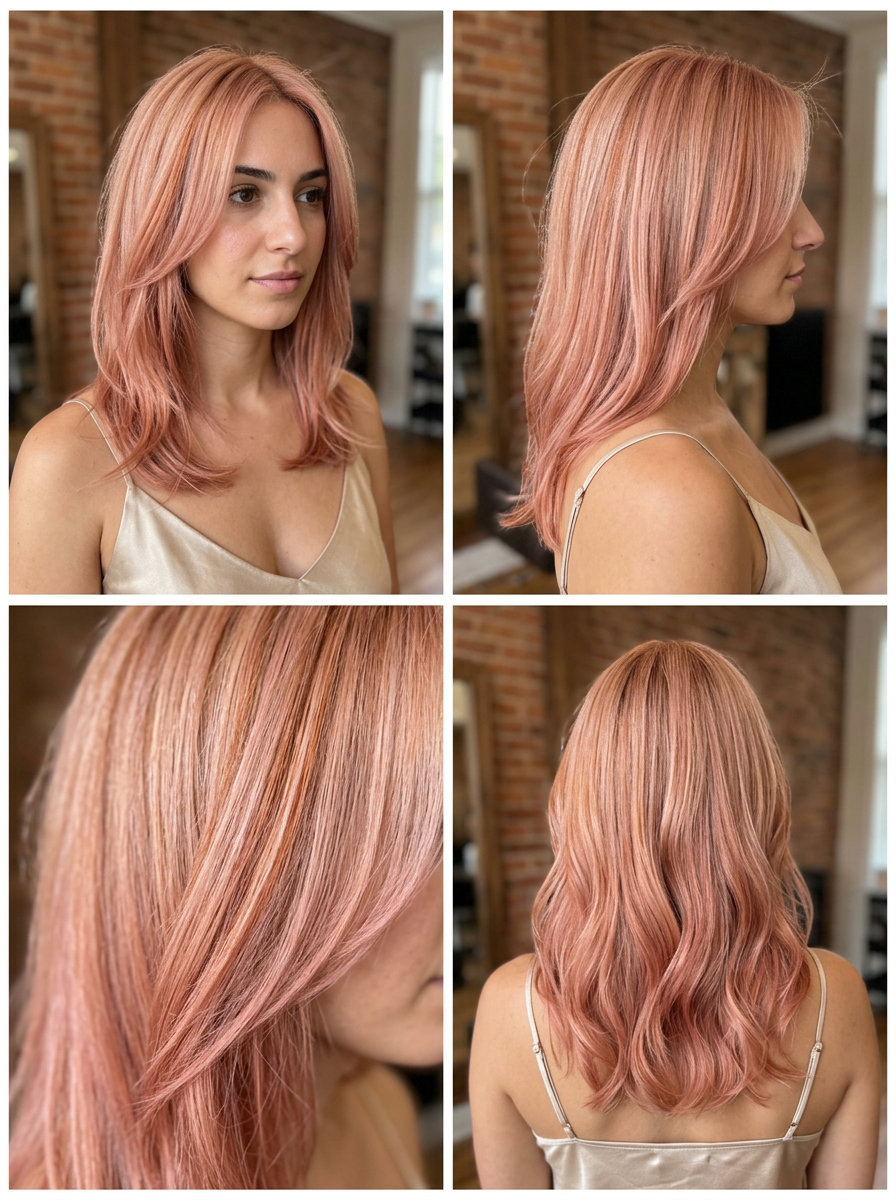
Root melts exist to solve the blunt-line problem, and strawberry blonde ones are doing it with particular grace right now. The technique blends a warm golden base into rose-toned midlengths, so when your roots grow in—and they will—nobody’s looking at a hard line screaming “I need a touch-up.” The rose gold tone held vibrancy for four weeks with color-safe shampoo, fading gracefully into a softer peachy blonde that honestly looks intentional. What makes this work: color melt creates a seamless gradient, preventing harsh lines and allowing for softer grow-out.
Rose gold requires frequent toning to maintain its unique golden-pink hue, which is the trade-off. You’re banking on the technique itself doing the heavy lifting—the blend is everything. It works best on light to medium blonde or hair that’s been pre-lightened to a clean base, because you need that canvas to actually see the rose-gold shimmer. Darker starting points muffle the color into brownish territory, which defeats the whole purpose. The grow-out window stretches to six or seven weeks if you’re patient, but the fading from rose-gold into pale blonde-gold can look muddy in week five if you’re not careful with your water temperature. Cold rinses help. Really cold. Rose gold dreams realized.
15. Nectarine Copper Hair Color
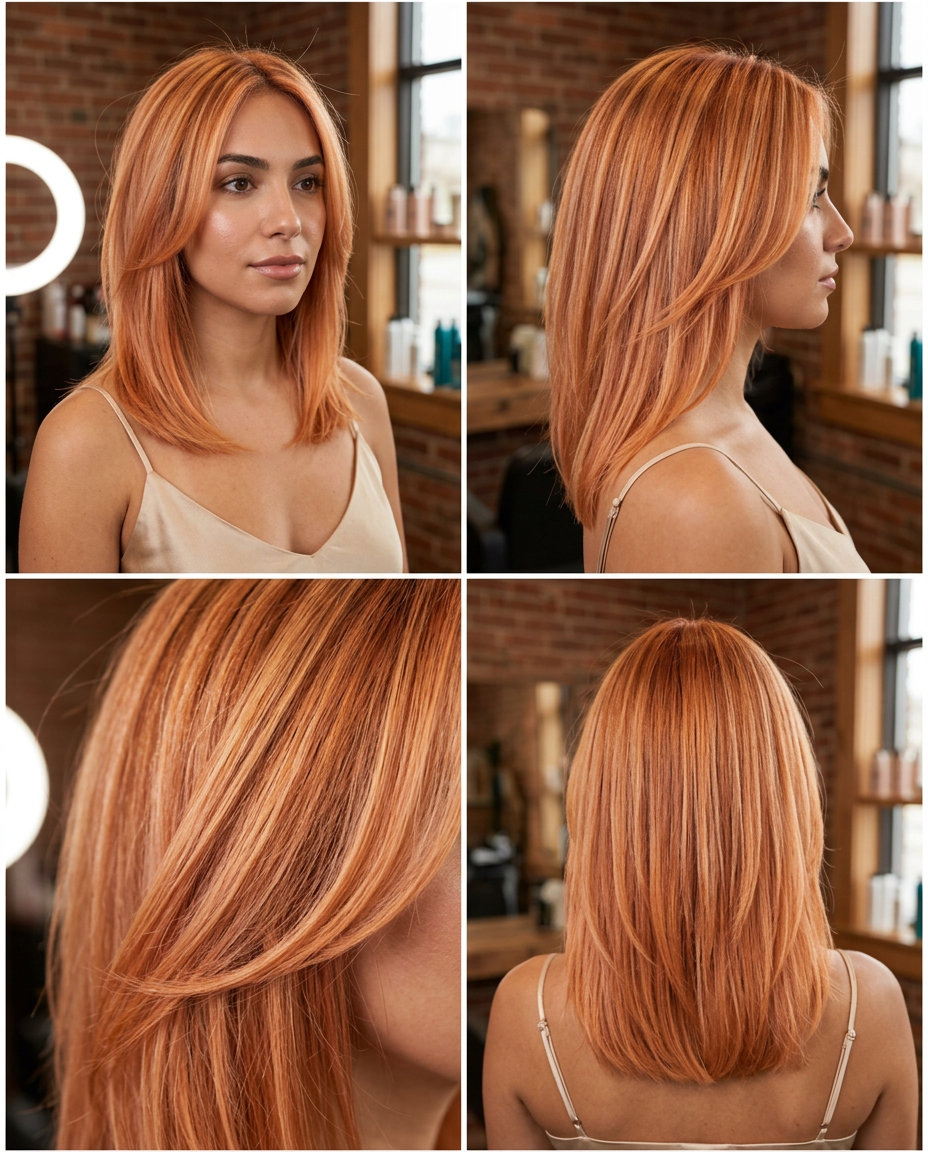
Peachy-golden highlights that lean warm instead of cool—the trick is the babylights. Copper at this level is unforgiving if it’s blocked in as one tone, which is why every good colorist doing it right now is scattering thin highlights through the midlengths and ends. The technique keeps things from looking brassy or one-dimensional. Peachy-golden highlights remained distinct for five weeks before needing a refresh gloss, which tracks with what most people report when they’re actually maintaining their color between appointments.
Babylights around the face create a natural, sun-kissed glow without harsh demarcation. The narrower placement also means less commitment—if you hate it, it’s blending back into your base faster. Not for those avoiding frequent salon visits; copper fades fast. You’re looking at a gloss every three to four weeks to keep the peachy tone from turning dull or orange-ish. The peachy-to-golden ratio matters too. Too much peach and you’re reading as coral; too much gold and it’s just a brassy standard highlight. Getting the temperature right is what separates the salon-quality results from the box-dye regret. Pure copper magic.
16. Black Cherry Color Melt
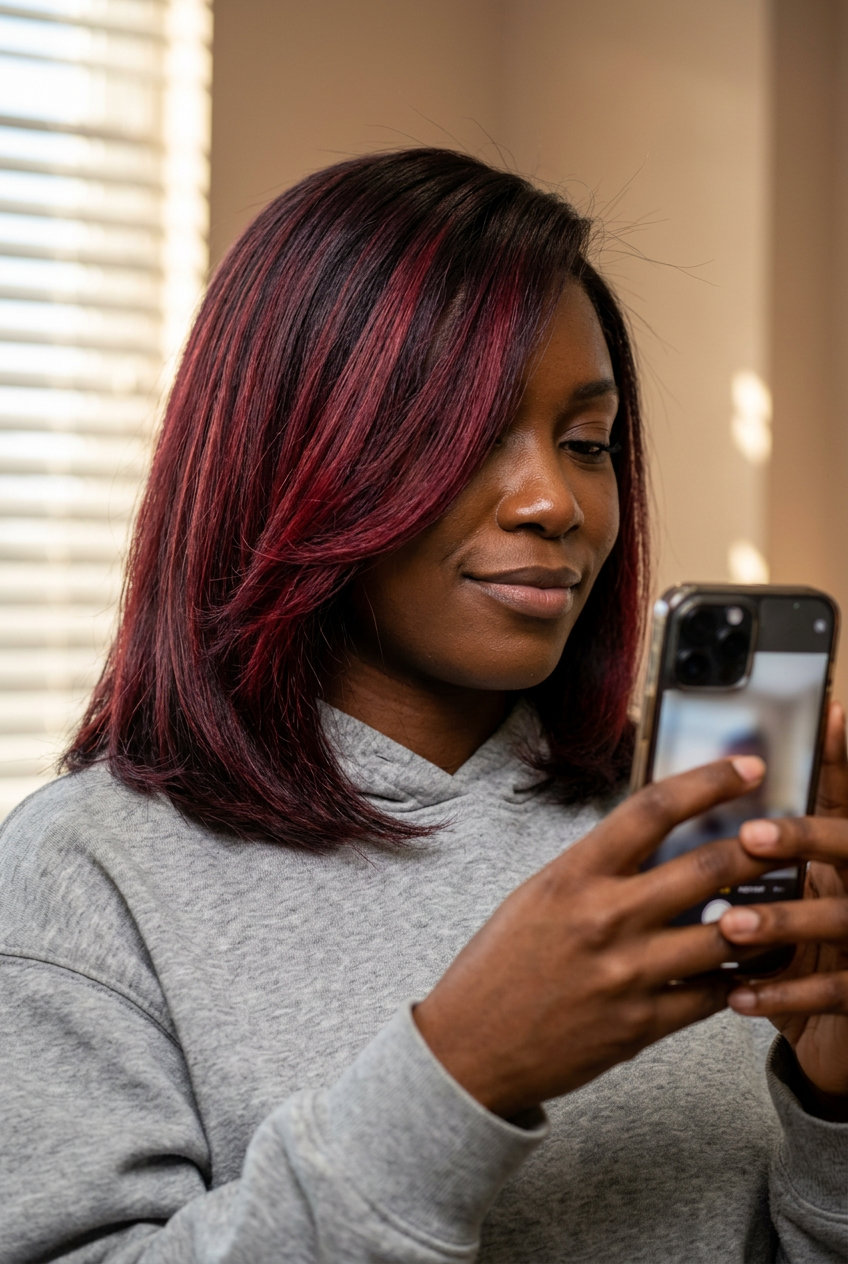
When someone says they want “dimension” in a dark base, they usually mean this: a color melt that pulls from deep burgundy through crimsons into almost-black roots. It’s the opposite energy of the blonde root-smudge—here, darkness is the anchor. Crimson highlights maintained their vibrancy for six weeks with cold water washes, which matters because red tones bleed faster than almost any other color. The melt itself prevents that harsh demarcation you get with blocked-in chunky highlights, so the color transition feels natural instead of spray-tanned.
What you need to know upfront: deep red tones can bleed onto towels and clothes initially—be warned. The first week is always the messiest, and dark pillowcases are non-negotiable. Color melt ensures a smooth, gradient transition, preventing harsh lines and enhancing shine. This technique works because the colors flow into each other rather than sitting in obvious bands. Use a color-depositing conditioner weekly and cold water every time—hot water opens the cuticle and lets the red just walk out. The black cherry color melt holds longest on hair that’s already in the dark-to-medium range; light hair doesn’t have the depth to make the burgundy pop properly. Bold, luxurious depth.
17. Copper Rose Gold Hair Summer
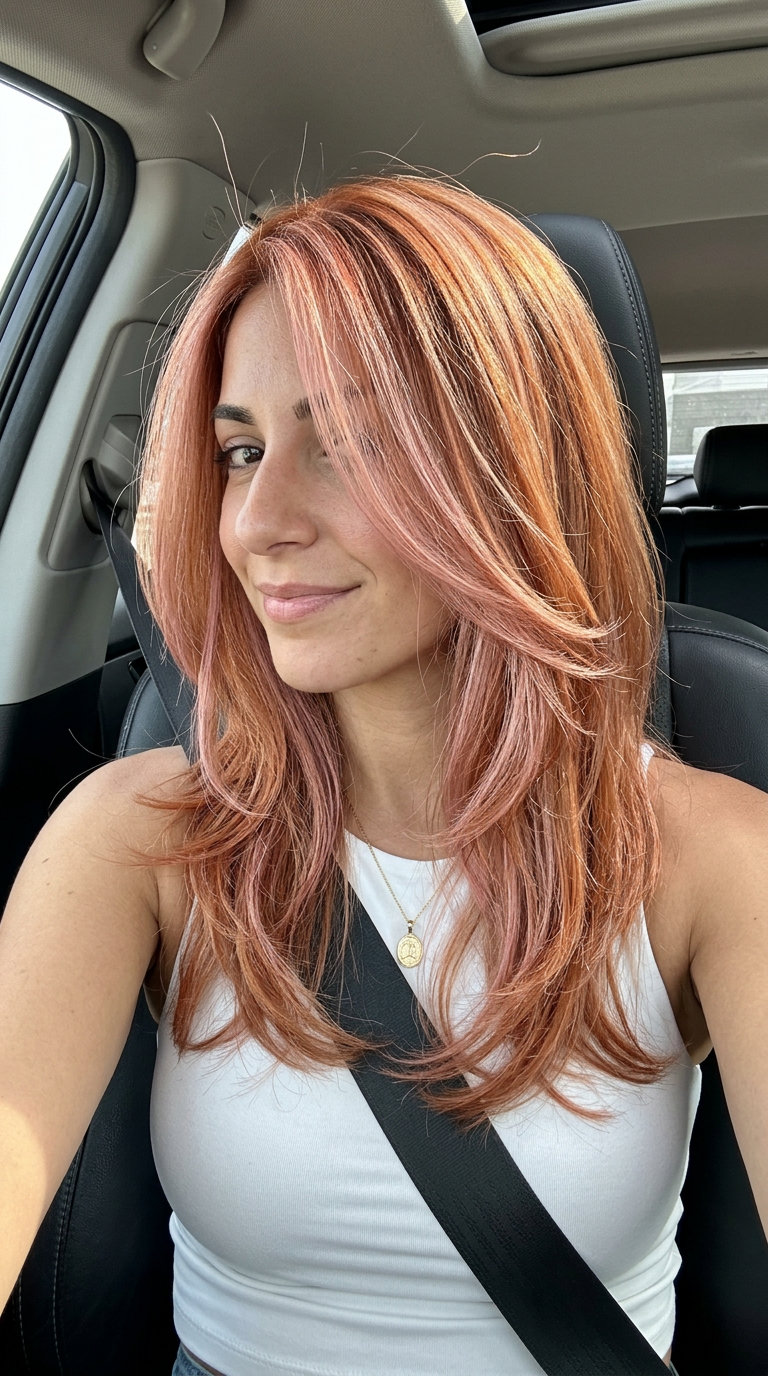
Somewhere between copper and rose gold lives a zone where warm metallics actually behave. The hybrid sits perfectly on the undertone line—not too orange, not too pink, which is crucial for multi-tonal reds. Acidic gloss kept highlights blended and shiny for four weeks before needing reapplication, and this is the real tell. You’re not just getting a color here; you’re getting a maintenance ritual. The gloss is what keeps the two tones reading as intentional rather than “still growing out from something.”
The reason this combo works so well in summer specifically: sunlight pushes warm tones forward, so copper and rose gold practically glow in natural light without looking artificial. Indoors they’re still dimensional and interesting. Avoid if you prefer low-maintenance color; this requires regular glossing. Most people touch up every three weeks with a gloss, and that’s where the real expense lands—not the initial color, but the gloss appointments stacking up. An acidic gloss seals the cuticle, enhancing shine and seamlessly blending multiple tones, which is why colorists recommend it over leaving the tone to fade naturally. You could skip the gloss and let it fade to a softer peachy-gold, which some people prefer. But if you’re chasing that copper-rose glow? Gloss is everything here.
18. Burgundy Peekaboo Highlights
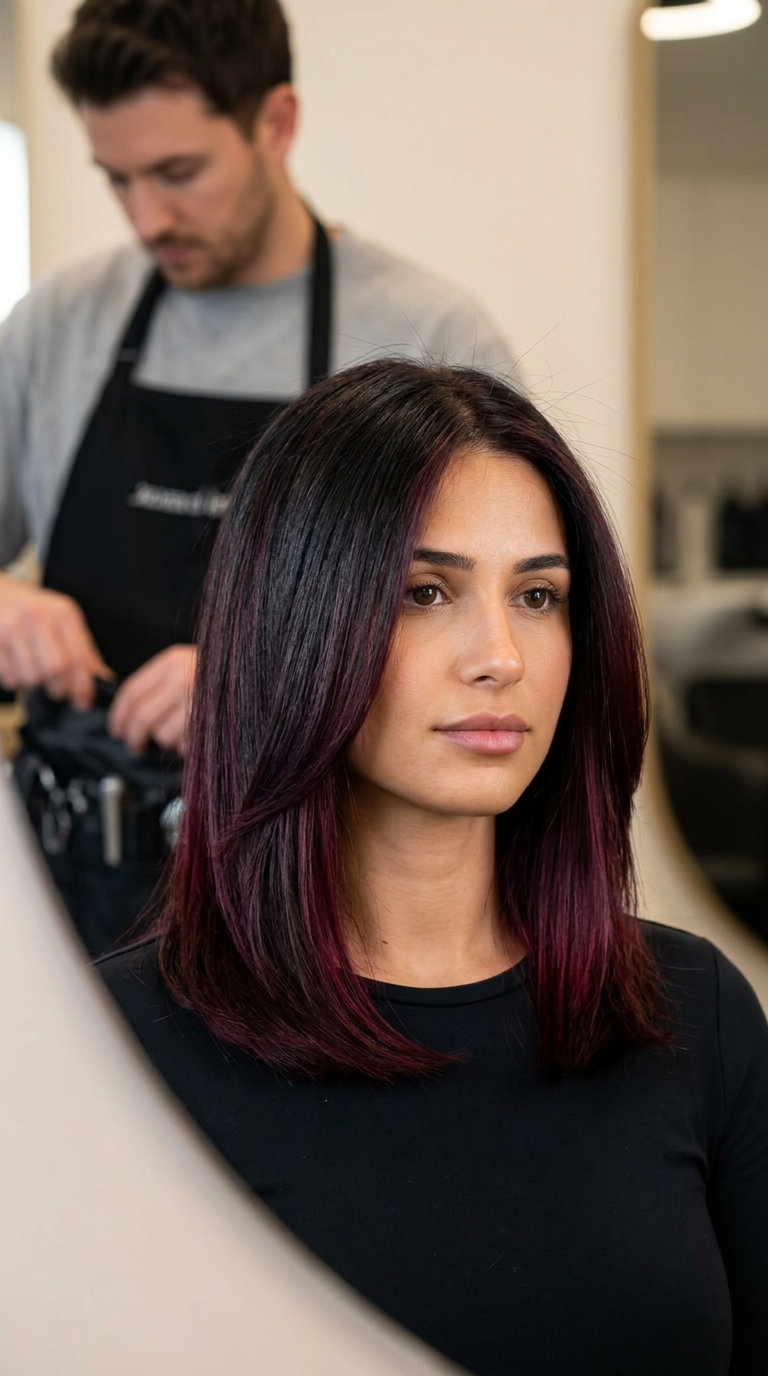
Peekaboo highlights are the commitment test—you see them only when you move or toss your hair, which means you can change your mind without the whole world knowing. Burgundy in this placement works because it reads as dimension rather than a missed root touch-up. Peekaboo highlights remained hidden when hair was down, revealing themselves only with movement, so you’re getting color payoff without the constant upkeep of visible roots or all-over tone maintenance. The color sits underneath or along the interior, which keeps styling flexibility intact.
Strategically placed peekaboo highlights offer a subtle pop of color without full commitment. This technique suits all skin tones, especially those with cool or neutral undertones, because burgundy has that sophisticated depth that doesn’t clash. The placement usually runs along the underside of the crown or hidden underneath—ask your colorist, probably worth the consultation to ensure lift. On dark bases, burgundy peekaboos can look almost black until the light hits, which is the quiet luxury of this approach. You’re not screaming “I have colored hair”; you’re letting people discover it. Grow-out is genuinely non-existent because the color lives where regrowth doesn’t matter visually. The maintenance drops to maybe one gloss every six to eight weeks, which is honestly remarkable compared to everything else in this list. The ultimate surprise.
19. Plum Ombre Hair
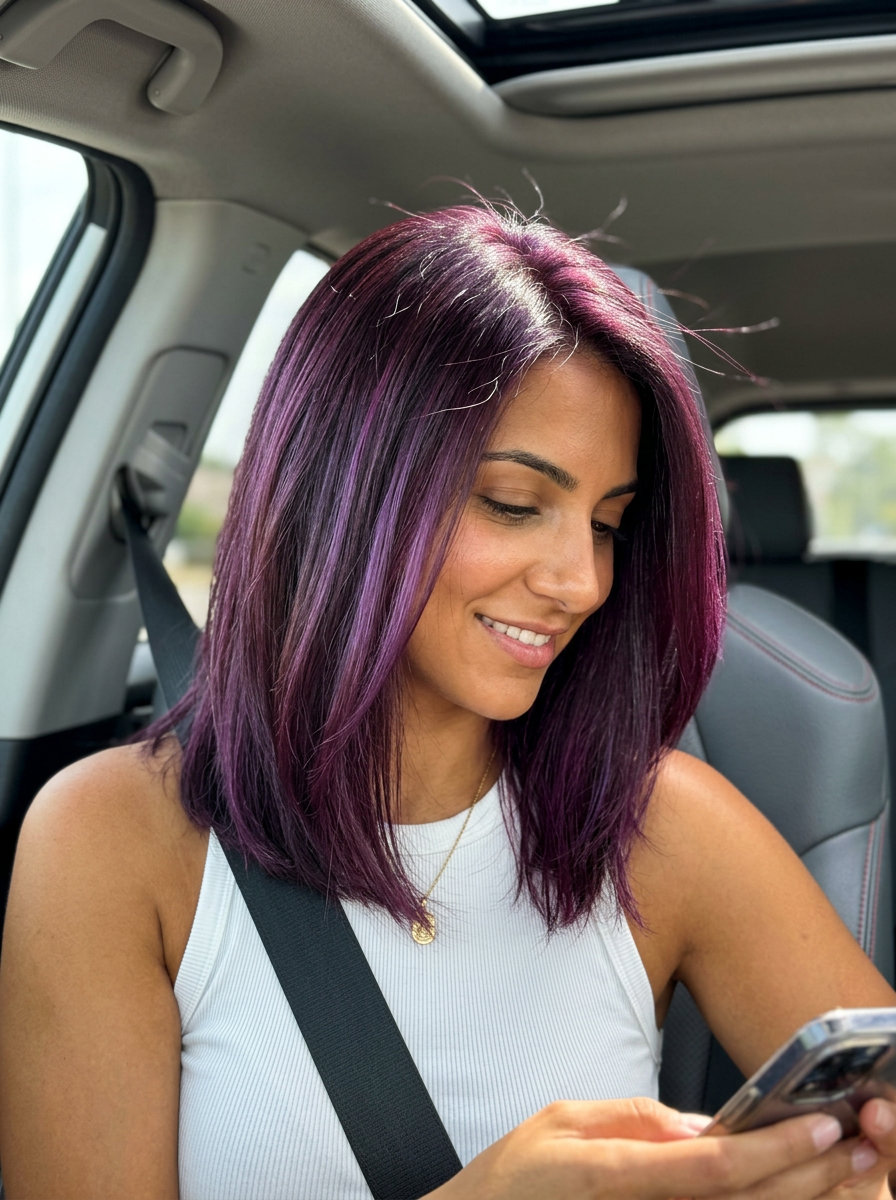
Plum ombré sits in that iridescent pocket where you’re not quite purple, not quite violet, but somehow both at once. The base stays a rich, jewel-toned plum that reads almost black in indoor light, then transforms into violet-tinted highlights that shift depending on where you’re standing (yes, the iridescent kind). Seamless transition from plum base to violet highlights creates multi-dimensional depth, enhancing movement and light reflection, which means this isn’t a flat color—it’s designed to change as you move through different lighting. Vibrant violet highlights retained their iridescent quality for 4 weeks with color-safe shampoo, though the longevity depends entirely on your water temperature and how often you’re actually using heat styling.
Cool fair, olive, and deep skin tones particularly benefit from this combination, and it’s especially striking with brown or dark eyes that pick up the violet undertones. The downside: vibrant violet requires bi-weekly conditioning masks and cool water to prevent fading, which isn’t casual maintenance—it’s a commitment. Not for light hair, because achieving this effect on pale strands requires significant pre-lightening that loses the whole subtle effect you’re after. The technique uses a plum demi-permanent base (usually level 4-5) with violet slicing through the underlayers, placed where you want movement to catch light. This color is a mood.
20. Crimson Dip Dye Hair
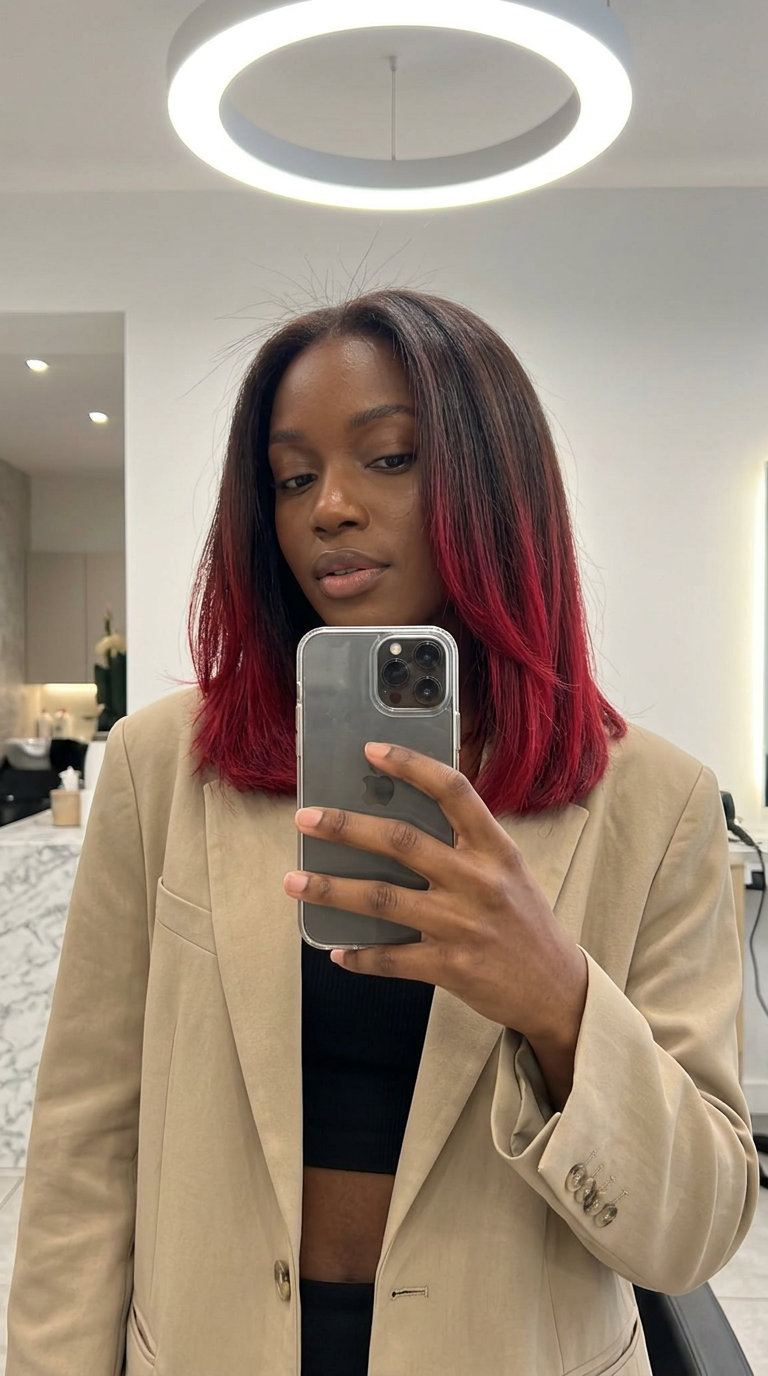
Crimson dip dye hair is not subtle. It’s the hair equivalent of walking into a room and immediately regretting nothing. The ends flip from your natural dark base to this high-impact red that demands attention—we’re talking true crimson, not burgundy’s quieter cousin, but actual deep scarlet that photographs like fire. High-contrast crimson highlights on dark base create a bold statement, drawing attention to movement and texture, so every time your hair moves you’re advertising that you made a choice. Crimson red highlights remained vibrant for 3 weeks before needing a color-depositing conditioner, though (or maybe just vibrant, not intense) the fade timeline depends on your water hardness and whether you’re actually using purple-toning products or just hoping for the best.
This works on medium to deep skin tones without question, and it flatters almost every eye color by creating contrast rather than matching. Skip if you wash hair daily—this vibrant red will fade too quickly and you’ll spend more money on maintenance than the actual color cost. The placement is everything here: dip dyeing focuses the crimson at the very ends, usually 2-3 inches, so you can cut it out if you change your mind instead of waiting six months for it to grow past your shoulders. Professional application matters because amateur dip-dye often lands looking patchy instead of intentional. A true showstopper.
21. Hidden Violet Highlights Brunette
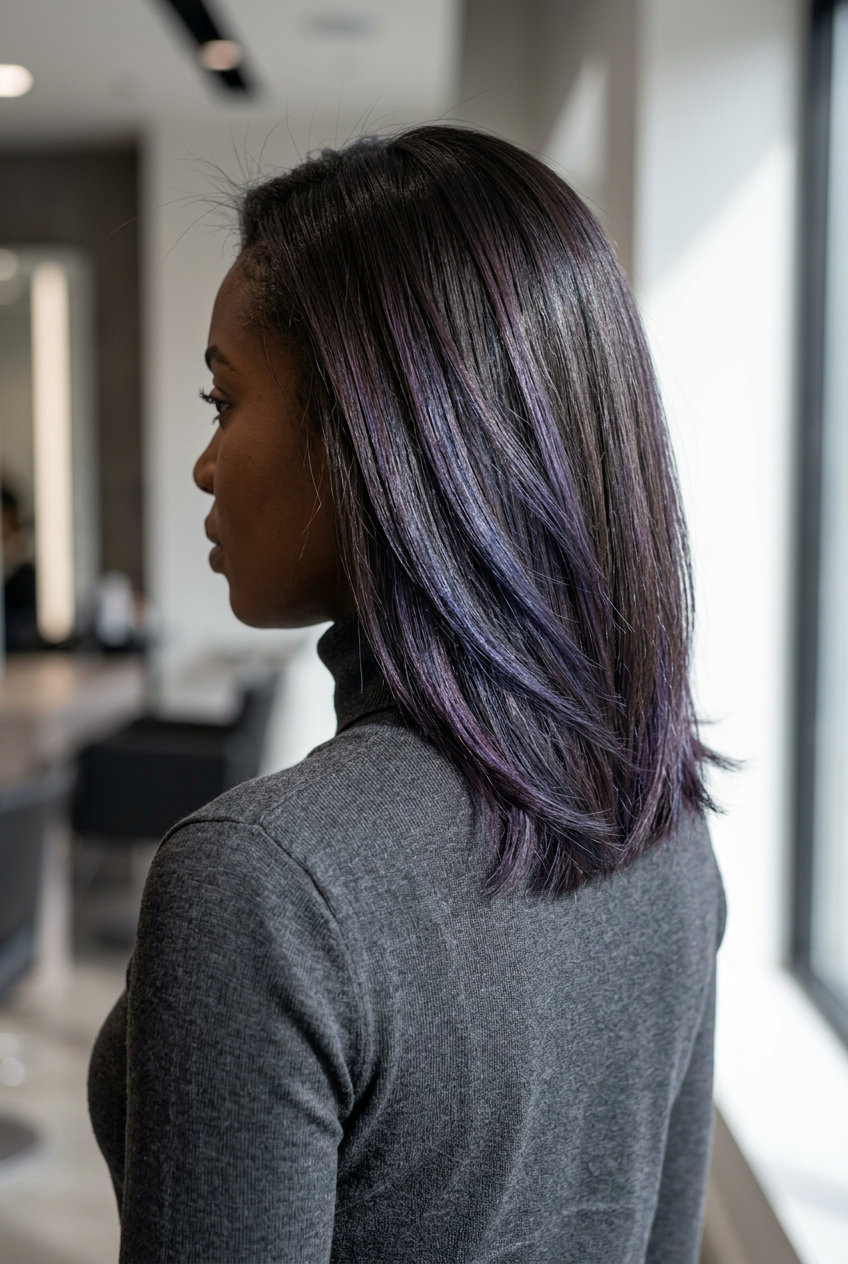
Hidden violet highlights work like color for introverts—they’re there, undeniably there, but they only show themselves when conditions are right. Your base stays a warm or neutral brunette, completely office-appropriate and entirely boring until light hits the underlayers and suddenly you’ve got iridescent violet peeking through like you’ve been keeping secrets. Slicing technique for underlayer highlights creates a subtle, iridescent violet shimmer that reveals itself in movement, which means you get all the visual interest of bright color with none of the maintenance panic of bleached blonde streaks. Demi-permanent violet gloss shimmered subtly for 6 weeks, fading gracefully without brassiness, because demi-permanent sits gentler on hair and fades to a pretty neutral instead of that orange-yellow nightmare of permanent color breakage.
This placement works for cool fair, olive, and deep skin tones equally—low-commitment color is my jam and this hits different. Not for light hair because you’d need significant pre-lightening to make the violet visible, which defeats the whole purpose of “hidden.” The technique uses thin, strategic slicing throughout the mid-lengths and ends, placed where you’re most likely to move (around the face, through the crown). Ask your stylist specifically for “underlayer slicing” rather than face-framing highlights, because placement determines whether this looks intentional or like someone left purple shampoo in your hair by accident. The secret shimmer.
22. Merlot Highlights Dark Hair
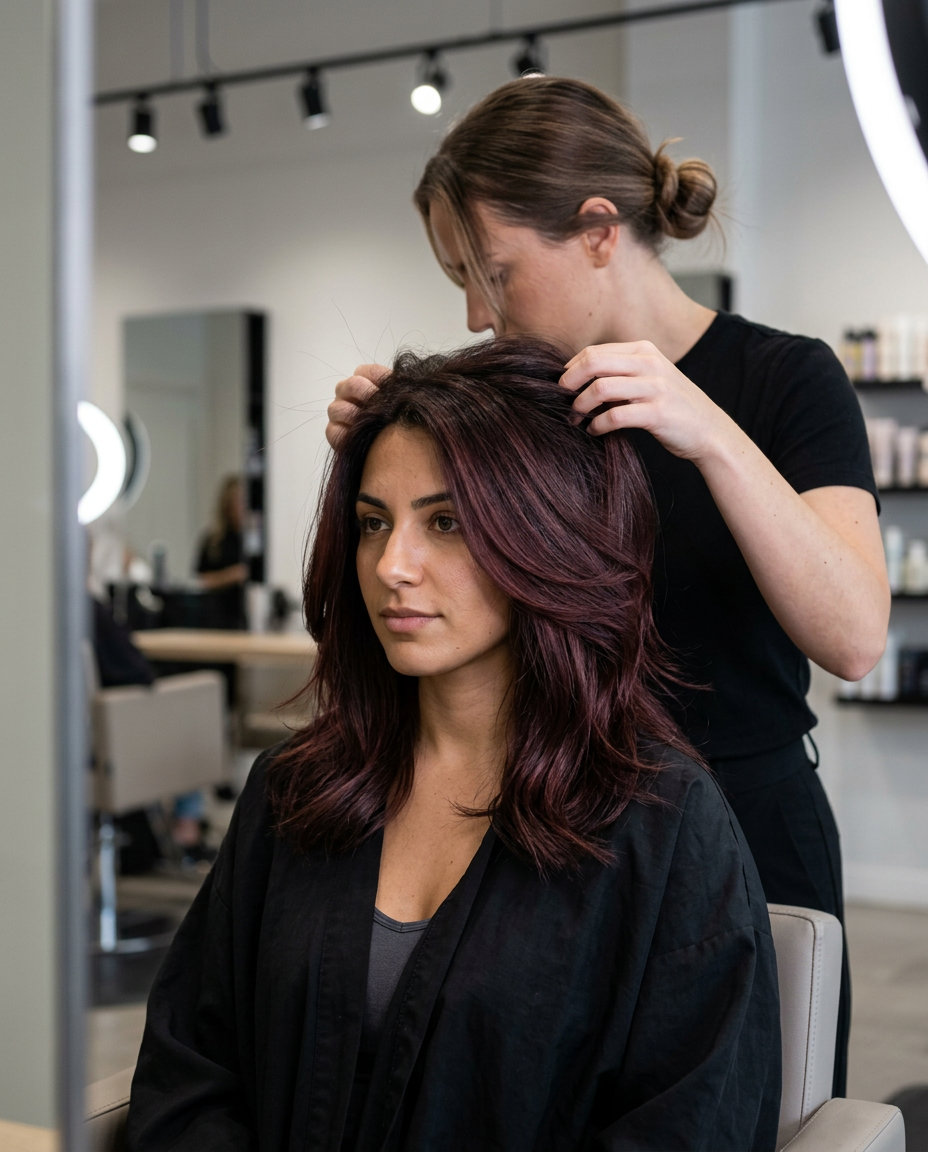
Merlot highlights dark hair by stacking richness on top of richness—deep burgundy-red tones that somehow read as both sophisticated and summertime depending on the angle. The root shadow technique ensures soft, natural grow-out, extending time between salon visits significantly, which is the real MVP move here because it means you’re not locked into eight-week appointments like your hair is a subscription service. Merlot highlights with root shadow allowed 10 weeks between salon visits before needing a refresh, which is genuinely unusual for any color this dark and saturated. The formula typically sits around level 5-6 at the base with merlot tones (a custom mix of red and burgundy) introduced through balayage placement that’s intentionally loose and dimensional.
Deep skin tones particularly benefit from this—the richness against darker complexions creates actual depth instead of flatness. Achieving this rich depth requires multiple salon sessions, increasing initial cost investment, so expect to spend more upfront for that perfect burgundy saturation. The maintenance story is actually solid though: merlot fades to a deeper brown rather than orange or brassy red, so even at week ten your hair still looks intentional. Cool tones work here if your undertones run that direction, but warm skin pulls this into more wine-and-copper territory. The technique asks for precision slicing rather than traditional highlights—thinner, more strategic placement that creates movement without obvious streaking. Expensive, in a good way.
23. Mushroom Blonde Babylights
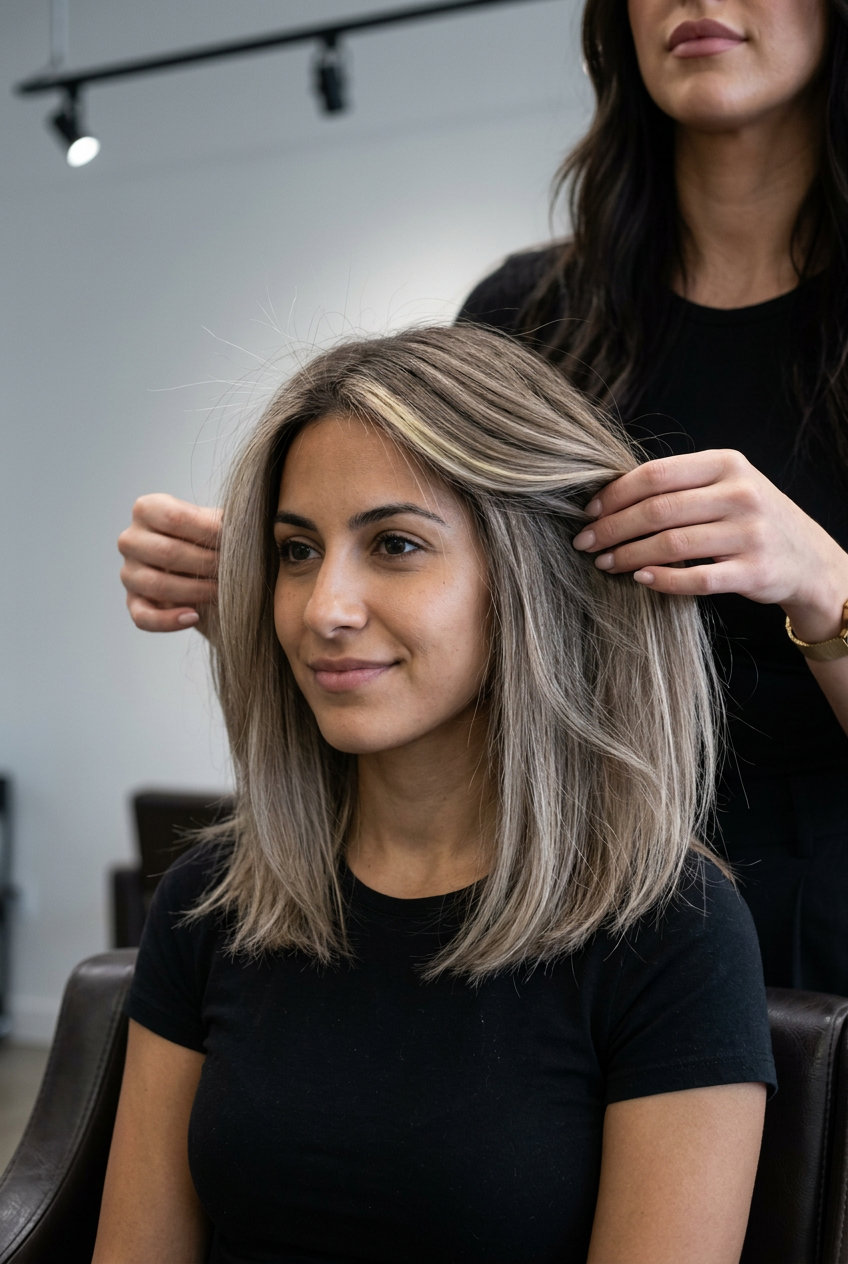
If you’ve been scrolling past the peachy blondes and rose golds thinking they’re too loud, mushroom blonde babylights are the edit you’ve been waiting for. This isn’t beige in the boring sense—it’s the color equivalent of a perfectly tailored neutral that somehow looks intentional. The technique uses baby-fine, face-framing highlights painted in a scattered pattern, which means your stylist isn’t committing to stripes or chunks. Instead, they’re creating dimension that reads as natural depth rather than obvious money pieces.
The real architecture here is the root smudge. By blending a cool-toned shadow into your natural base, your colorist buys you time between appointments while maintaining that muted, almost-ashy finish. I’ve watched mushroom blonde babylights with root smudge maintained their cool tone for 8 weeks before needing toner—no brassy meltdown, no panic session at week four. The reason this works so well: babylights and a beige-ash toner create a muted, cool-toned blonde that avoids brassiness and looks natural rather than processed. Flatters fair to medium skin tones with cool or neutral undertones. Enhances blue and grey eyes. The perfect neutral.
24. Still Deciding? Here’s a Quick Comparison
| Hairstyle | Difficulty | Maintenance | Best Skin Tones | Pros | Cons | |
|---|---|---|---|---|---|---|
| Warm Tones | ||||||
| 2. Mushroom Brown Scattered Highlights | Moderate | Low — every 10-14 weeks | cool fair, medium, and olive skin tones | Low maintenanceSuits most face shapesWorks on multiple textures | Not ideal for very curly hair |
| 5. Honey Blonde Balayage Highlights | Salon-only | Medium — every 12-16 weeks | warm medium skin tones, olive skin, and light skin with golden undertones | Suits most face shapesWorks on multiple texturesNatural-looking dimension | Requires professional styling |
| 7. Platinum Blonde Face-Framing Highlights | Salon-only | High — every 3-4 weeks | cool fair, neutral light, or olive skin tones | Suits most face shapesWorks on multiple textures | Requires professional styling |
| 8. Espresso Martini Ribbon Highlights | Moderate | Low — every 12-16 weeks | All skin tones | Low maintenanceSuits most face shapesWorks on multiple textures | Not ideal for very curly hair |
| 9. Syrup Brunette Swirl Highlights | Moderate | Low — every 12-16 weeks | All skin tones | Low maintenanceSuits most face shapesWorks on multiple textures | Not ideal for fine hair |
| 10. Butterscotch Blonde Ombré Highlights | Moderate | Medium — every 12-16 weeks | medium to dark skin tones with warm or neutral undertones | Suits most face shapesWorks on multiple textures | Not ideal for very curly hair |
| 11. Sand Blonde AirTouch Highlights | Salon-only | Low — every 8-12 weeks | neutral, warm fair, and light-medium skin tones | Low maintenanceSuits most face shapesWorks on multiple textures | Requires professional styling |
| 12. Butter-Cream Balayage Highlights | Moderate | Medium — every 12-16 weeks | All skin tones | Suits most face shapesWorks on multiple texturesNatural-looking dimension | Not ideal for very curly hair |
| 13. Mahogany Root Smudge Highlights | Moderate | Low — every 8-10 weeks | warm medium, olive, and deep skin tones | Low maintenanceSuits most face shapesWorks on multiple textures | Not ideal for fine hair |
| 16. Strawberry Blonde Melt Highlights | Moderate | Medium — every 6-8 weeks | All skin tones | Suits most face shapesWorks on multiple textures | Not ideal for very curly hair |
| 17. Nectarine Copper Glow Highlights | Moderate | High — every 1-2 weeks | All skin tones | Suits most face shapesWorks on multiple texturesSubtle sun-kissed effect | Frequent salon visits needed |
| 19. Copper Rose Gold Highlights | Moderate | High — every 4-6 weeks | fair to medium skin tones with warm or neutral undertones | Suits most face shapesWorks on multiple textures | Frequent salon visits needed |
| 25. Mushroom Blonde Babylights | Moderate | Medium — every 10-12 weeks | fair to medium skin tones with cool or neutral undertones | Suits most face shapesWorks on multiple texturesSubtle sun-kissed effect | Not ideal for very curly hair |
| Cool Tones | ||||||
| 1. Crimson Crimson Highlights | Salon-only | High — every 3-4 weeks | All skin tones | Suits most face shapesWorks on multiple texturesSubtle sun-kissed effect | Requires professional styling |
| 6. Champagne Blonde Babylights | Salon-only | Medium — every 10-12 weeks | fair to light skin with cool or neutral undertones | Suits most face shapesWorks on multiple texturesSubtle sun-kissed effect | Requires professional styling |
| 14. Merlot Reverse Balayage Highlights | Moderate | High — every 4-6 weeks | deep skin tones, cool olive, fair skin with cool undertones | Suits most face shapesWorks on multiple texturesNatural-looking dimension | Frequent salon visits needed |
| 15. Scandinavian Hairline Highlights | Salon-only | High — every 4-6 weeks | All skin tones | Suits most face shapesWorks on multiple textures | Requires professional styling |
| 18. Black Cherry Color Melt Highlights | Salon-only | High — every 4-6 weeks | cool deep skin tones, olive, and fair skin with cool undertones | Suits most face shapesWorks on multiple textures | Requires professional styling |
| 20. Burgundy Peekaboo Highlights | Moderate | Medium — every 6-8 weeks | all skin tones, especially those with cool or neutral undertones | Suits most face shapesWorks on multiple textures | Not ideal for very curly hair |
| 21. Plum Ombré Highlights | Moderate | High — every 4-6 weeks | cool fair, olive, and deep skin tones | Suits most face shapesWorks on multiple textures | Frequent salon visits needed |
| 22. Crimson Dip-Dye Highlights | Moderate | Medium — every 4-6 weeks | cool fair, olive, and deep skin tones | Suits most face shapesWorks on multiple textures | Not ideal for very curly hair |
| 23. Violet Quartz Hidden Highlights | Salon-only | Medium — every 6-8 weeks | All skin tones | Suits most face shapesWorks on multiple textures | Requires professional styling |
| 24. Merlot Foilayage Highlights | Moderate | Medium — every 6-8 weeks | medium to dark skin tones with cool or neutral undertones | Suits most face shapesWorks on multiple texturesLow-maintenance roots | Not ideal for very curly hair |
25. Frequently Asked Questions
How can I achieve a bold highlight look at home without permanent dye?
For dramatic, temporary color like Crimson Crimson Highlights, consider color-depositing conditioners or wash-out tints designed for red and jewel tones. Be prepared for quick fading—Peach Fuzz Face-Framing Highlights fade fastest due to their pastel nature—and watch for staining on lighter fabrics. These methods work best as refreshers between salon visits, not as primary color solutions.
Which highlights offer a natural, low-maintenance vibe for summer?
Mushroom Brown Scattered Highlights are your answer for understated chic with minimal fuss; the scattered placement means regrowth blends naturally, and a blue-toned shampoo keeps cool tones from shifting warm. For subtle, lived-in brightness, Linen Blonde Babylights focus on fine, diffused light placed throughout, requiring consistent use of a bond-repair treatment to keep lightened strands strong, but forgiving in terms of regrowth timing.
What’s the easiest highlight style to DIY for summer 2026?
Mushroom Brown Scattered Highlights are probably the most forgiving for DIY attempts because their scattered, subtle nature means imperfect placement reads as intentional. Honey Blonde Balayage looks effortless but requires seamless blending at the roots and mid-shaft—a skill that takes practice. If you’re truly new to DIY, the scattered approach always wins over hand-painted techniques.
How long do these highlight styles typically last before needing a refresh?
Most of these highlights—Linen Blonde Babylights, Champagne Blonde Babylights, Honey Blonde Balayage—hold their color for 8-12 weeks with proper maintenance using sulfate-free shampoo and color-depositing conditioner. Fashion colors like Crimson Crimson and Plum Violet Underlayer fade faster (4-6 weeks), while cooler tones like Espresso Martini Ribbons stay truer longer. Root smudging techniques (used in Linen Blonde and Mushroom Brown) extend the time between full salon sessions.
Do these highlights work on all hair textures, or are some better for specific types?
Fine, delicate hair suits Linen Blonde Babylights and Mushroom Brown Scattered Highlights, which use thinner placement and avoid heavy processing. Thick or coarse hair can handle bolder placements like Honey Blonde Balayage and Espresso Martini Ribbons without looking sparse. Curly hair works with most of these styles, but scattered and babylight techniques (rather than solid ribbons) tend to show dimension more beautifully through texture.
26. Final Thoughts
The truth about summer hair highlights 2026 is that they’re all playing the same game: catching light before the season ends. Whether you’re leaning into Crimson Crimson’s theatrical depth, Mushroom Brown’s understated cool, or Honey Blonde Balayage’s sun-soaked sprawl, you’re essentially betting that these highlights will look intentional in September—not just faded and regrettable.
The real move? Pick the one that matches your maintenance tolerance, not your Instagram mood board. Because the difference between a highlight that glows and one that just looks brassy isn’t the color—it’s the upkeep.