Buttercream blonde, cherry cola brunette, apricot crush—suddenly every colorist in a fifty-mile radius is booked solid with people asking for the same thing. Sabrina Carpenter’s honey-toned aesthetic from the ‘Short n’ Sweet’ tour didn’t just trend; it rewired what people think summer hair should look like. Add in the viral ‘Hydro-Hair’ moment on TikTok and the fact that WGSN basically crowned apricot the color of 2026, and you’ve got a legitimate shift happening. This isn’t just another Pinterest moment. This is the “internal glow” era—where shine matters more than damage.
Summer hair inspo color 2026 ranges from soft, creamy blondes to moody burgundy-tinged brunettes to that muted orange-pink that somehow works on everyone. Whether you’re pairing these with the Italian bob, birkin bangs, or internal layers, the through-line is the same: high-gloss, sun-drenched, and actually achievable without sacrificing your hair’s integrity. These aren’t one-size-fits-all—they work on warm skin tones, cool skin tones, olive, deep, fair, and everything in between.
I watched my colorist spend forty minutes explaining why my usual “just make it lighter” approach was costing me shine. She was right. One gloss treatment later, I understood why people were suddenly willing to commit to 6-8 week maintenance cycles. The color wasn’t just different—it actually looked expensive.
1. Honey Blonde Balayage Long Hair
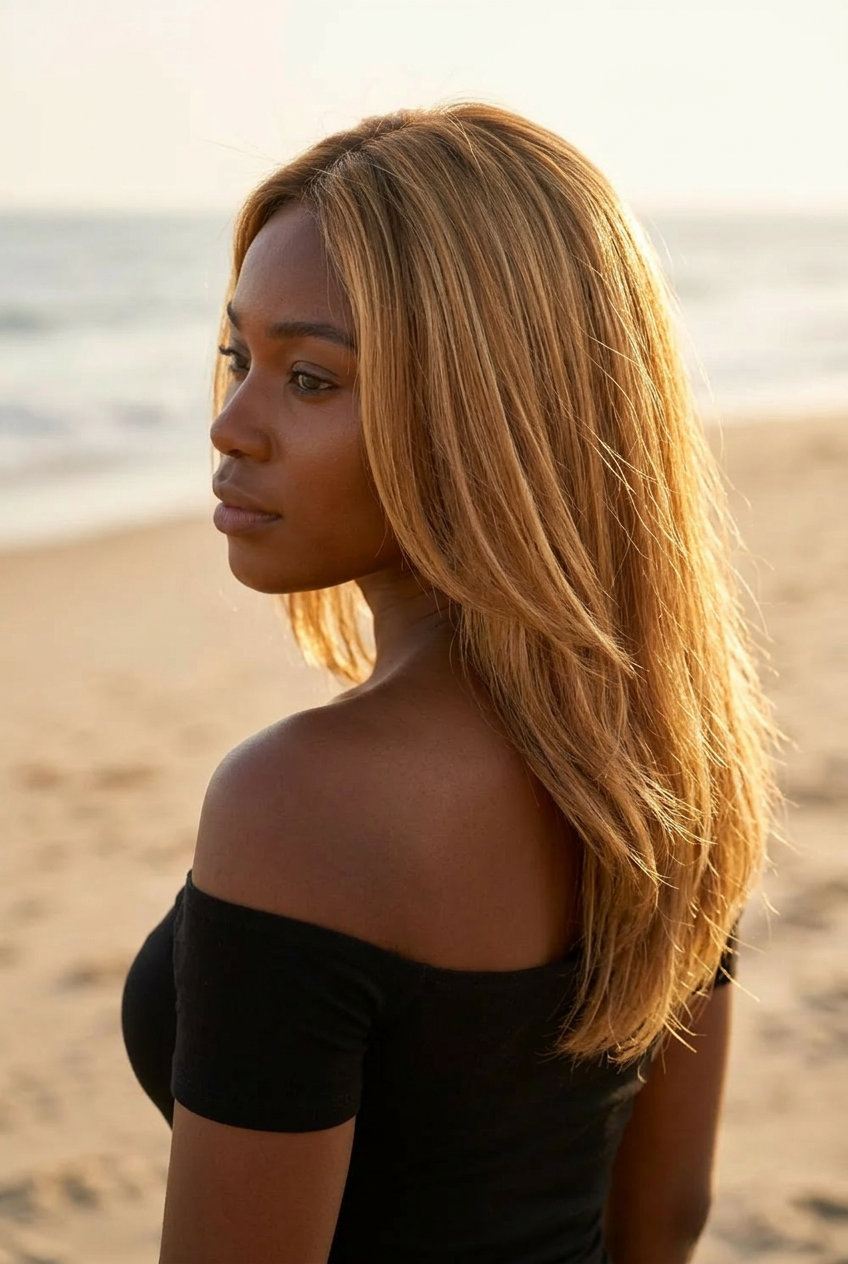
The honey blonde balayage long hair approach is what happens when you want blonde that doesn’t scream “I’m blonde.” Finely woven highlights create natural dimension, while the root smudge ensures a soft, low-maintenance grow-out. Root smudge allowed 10 weeks between salon visits before needing a refresh, which changes the economics of this whole color game. You’re not locked into the every-four-weeks blonde cycle. You’re actually breathing a little. Not for cool skin tones—the warm honey tones will clash, and you’ll spend the whole summer wishing you’d gone another direction instead.
This is balayage’s best argument: soft, lived-in, expensive-looking without requiring you to live at the salon. The finely woven placement means sun exposure won’t leave you with brassy streaks; it deepens gradually, which is kind of the point. All my fine hair can handle this, which matters because finer textures can feel thin when too much surface area gets lightened. The highlights are placed to add dimension without sacrificing density. You’re not constantly fixing breakage. You’re not panicking about root growth showing at your part line. Effortless blonde.
2. Mahogany Hair Color Ideas
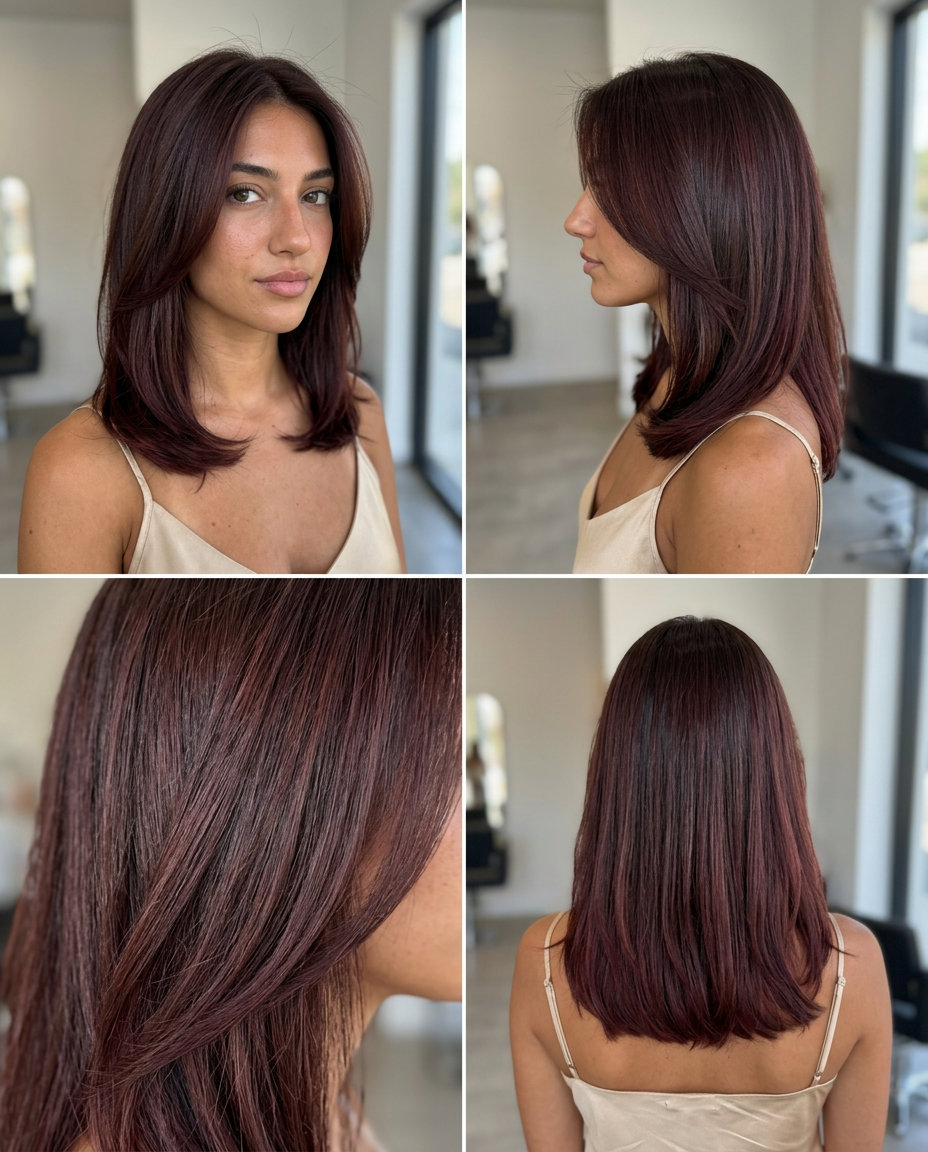
Mahogany brown is having its moment, and unlike trend colors that fade to muddy versions of themselves, this one deepens beautifully. Red-violet undertones in mahogany brown prevent a flat, dull appearance, adding luxurious depth and dimension that actually photographs better than it sounds. Glossy mahogany color maintained high shine for 4 weeks with sulfate-free shampoo, which is solid performance for a semi-permanent gloss application. The depth creates the illusion of thicker hair. It catches light differently than standard browns. It reads as intentional rather than accidental.
The shift from blonde or lighter browns to mahogany hair color ideas is really about embracing warmth without going full red. You’re getting the richness of burgundy with the wearability of brown. Best on: medium to thick hair, straight to wavy, as it provides a good canvas for dimension. A sulfate-free shampoo preserves the gloss. Some people swear by color-depositing conditioners once a week to keep the mahogany notes from fading into standard brown. The undertones stay jewel-toned instead of flat. So much shine.
3. Champagne Blonde Money Piece
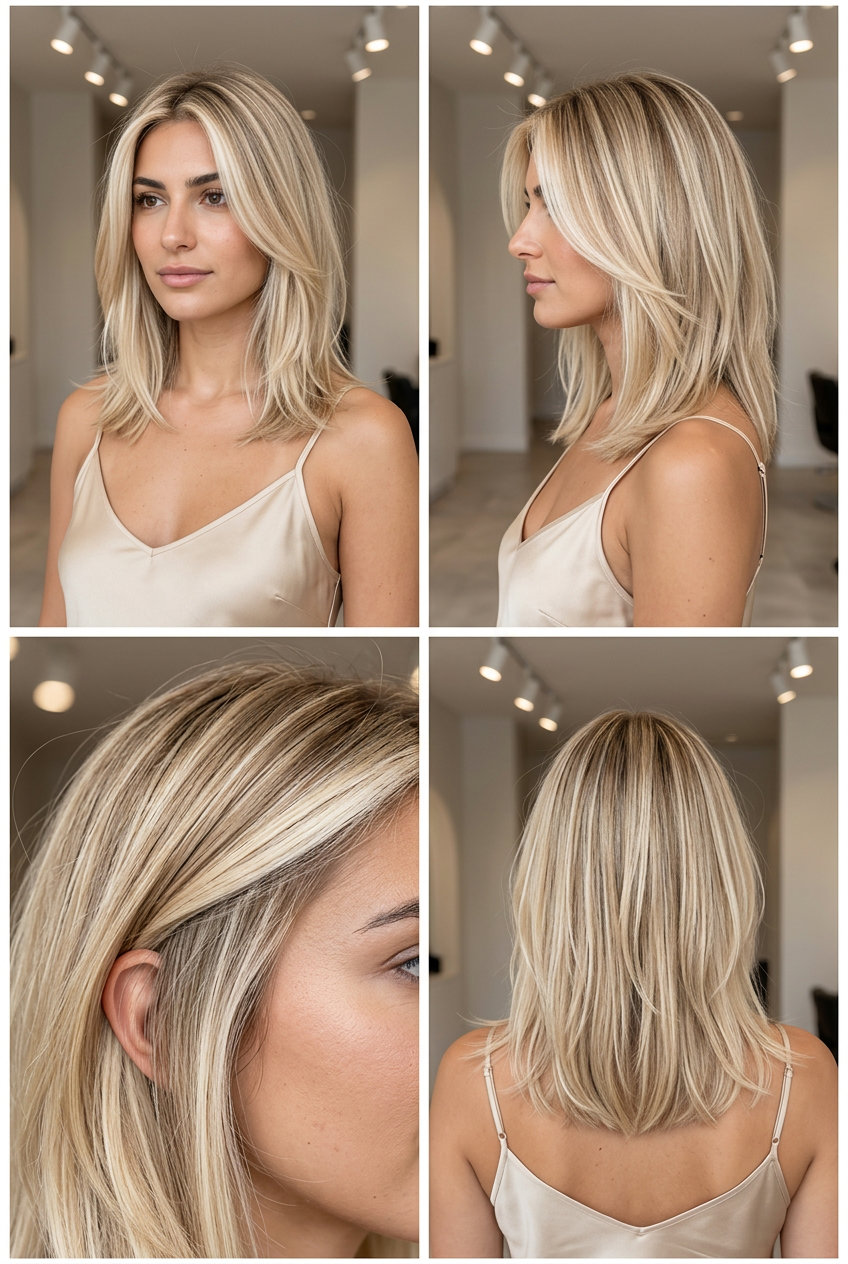
The money piece is actually genius from a color-maintenance perspective. You’re isolating the brightest, most visible parts of your hair—the face-framing sections—and going full champagne blonde there while keeping the rest of your hair darker or less maintained. The ‘money piece’ effect instantly brightens the face by drawing light to the front hairline. Money piece stayed bright for 6 weeks, needing only purple shampoo once a week, which is genuinely achievable maintenance. You’re not refreshing your whole head. You’re spot-toning two sections. That changes everything about whether this is actually sustainable for your life.
Or maybe just a gloss instead of permanent color, which extends the time between visits even further. Maintaining level 9-10 blonde requires consistent toning and can be quite costly if you’re doing this on full-length hair, but when you’re isolating it to face-framing pieces, the price stays reasonable. The champagne blonde money piece works because it creates instant brightening without demanding constant maintenance commitment. The placement does half the work. Light hits your face differently. The dimensions feel natural because they’re exactly where dimension naturally occurs—at the parts and around the hairline. Face-framing perfection.
4. Black Cherry Hair Color Ideas
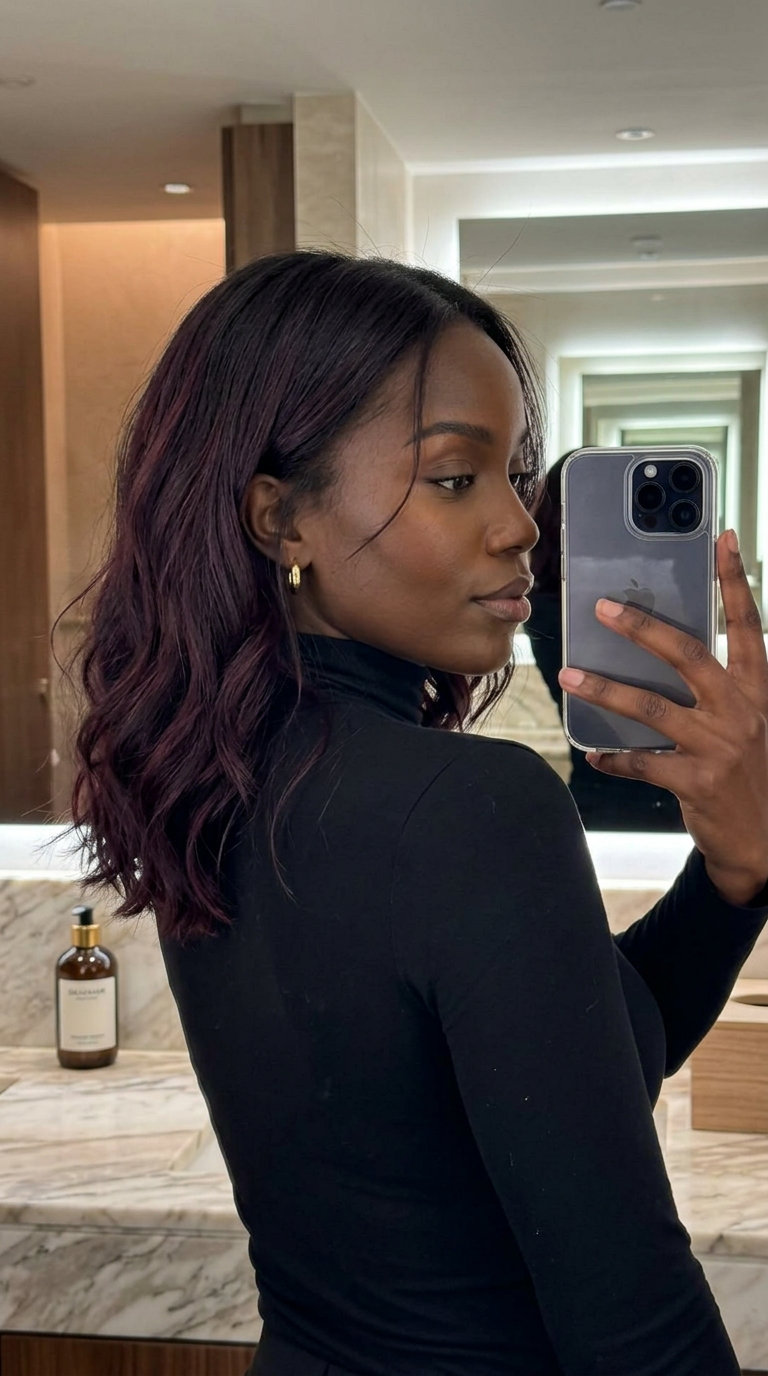
Dark base, hidden dimension. That’s the black cherry approach to summer color—you’re not going light, you’re going deep. Balayage on a dark base creates subtle, dimensional flashes of color without harsh lines or high maintenance, which is probably the smartest move if you have darker hair naturally and you’re tired of fighting your base color. Black cherry flashes were visible for 5 weeks before needing a color refresh, which means you’re looking at quarterly touch-ups instead of monthly ones. The cherry notes add complexity. Depending on the light and your movement, sometimes the flashes read as burgundy, sometimes as wine, sometimes almost plum.
This works on dark hair because you’re not asking your stylist to lighten everything to make the color visible—the dimension is created through subtle placement and semi-permanent glaze rather than permanent lightening. Skip if you have very fine hair—the dimension might get lost, or it might read as a muddy single color instead of the intended flashing effect. Best on: medium to thick hair, straight to wavy, as it provides a good canvas for dimension. The black cherry hair color ideas trend is essentially balayage for people who don’t want blonde. You get the dimension trend without the bleach commitment. Without the toning anxiety. Hidden depth.
5. Strawberry Blonde Balayage Ideas
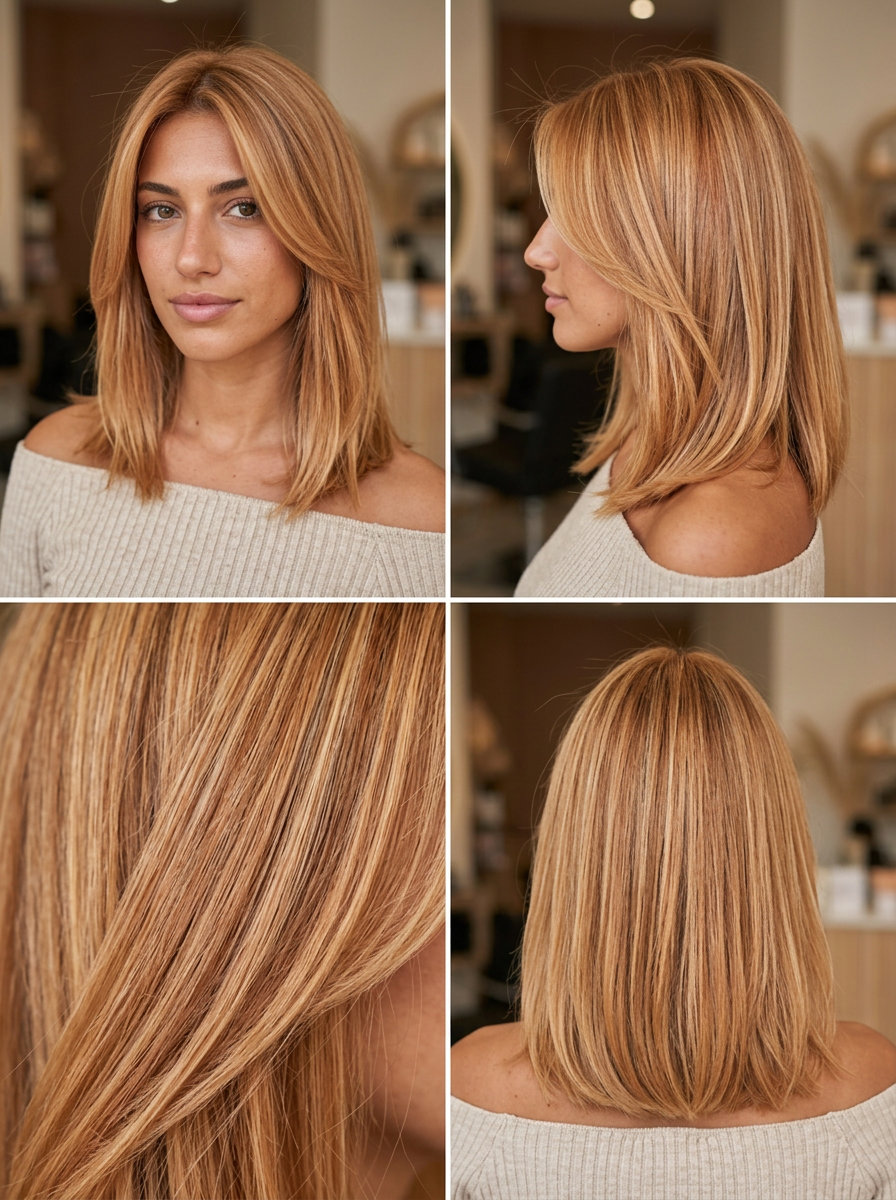
The thing about strawberry blonde is that it sits in this awkward middle ground where it either looks natural or it looks like you got mad at your hair in 2007. Freehand balayage creates soft, natural dimension, avoiding harsh lines for a sun-kissed look, which is why it looks so natural even though your stylist literally painted it on. The placement matters more than the color itself—lighter pieces around the face, deeper tones through the mid-lengths, and everything blending like the sun actually found your hair in June.
Color held vibrancy for 5 weeks with sulfate-free shampoo, fading subtly to a warm gold rather than turning that sad orange most people fear. The fading is actually the point here; as the lighter pieces soften, the whole thing reads as “I spent three weeks in Cabo,” not “I spent $300 at the salon.” Skip if you have very dark hair; achieving this lightness takes multiple sessions, and trying to do it all at once just damages everything. This is the strawberry blonde balayage ideas look that actually photographs like real life. Pure summer magic.
6. Platinum Blonde Root Smudge
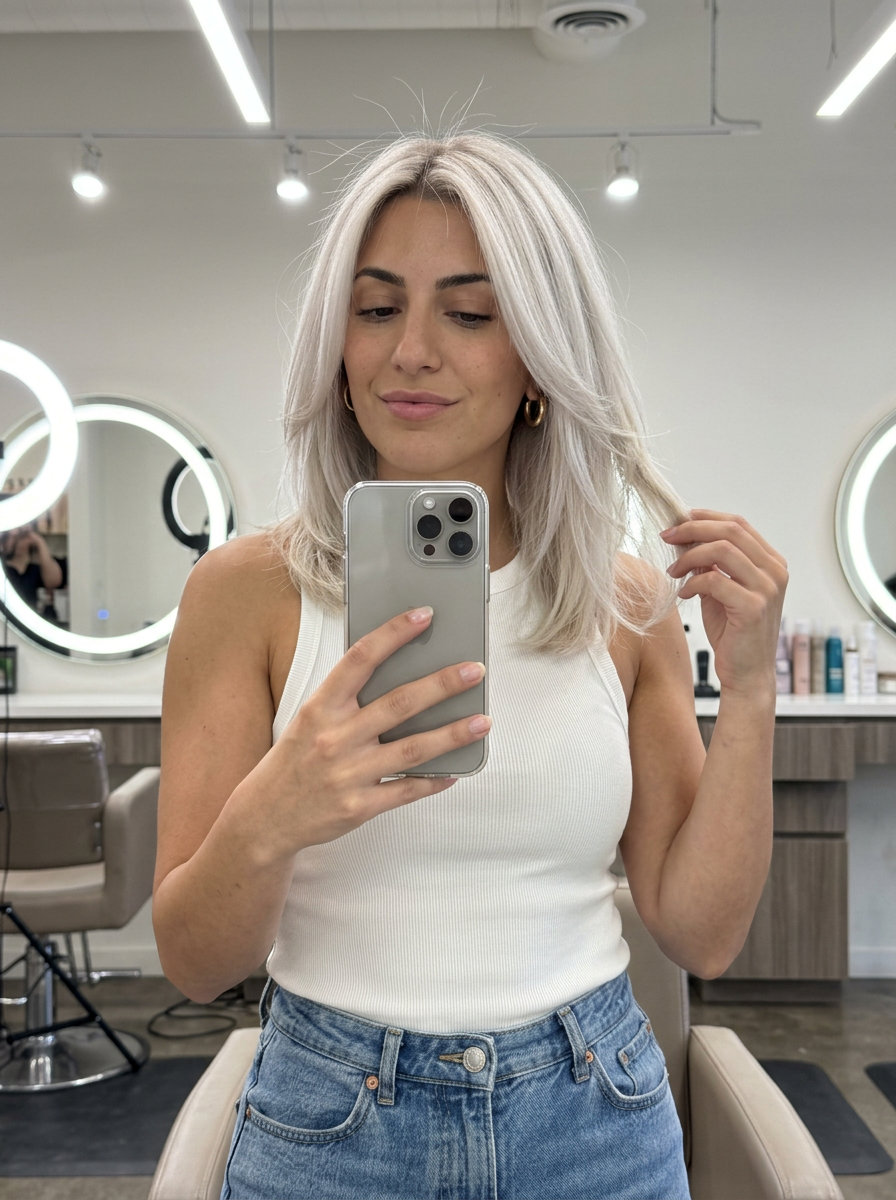
Platinum is the color that makes you feel like you just got hired to be in a music video, even if you’re just going to the grocery store. Root melt technique allows for softer grow-out, extending time between salon visits significantly, so you’re not back in the chair every three weeks panicking about your roots. This isn’t the harsh blonde-and-black stripe situation from the 2000s; the technique blends your natural root tone into the platinum, creating something that looks intentional even at week five.
Root melt grew out gracefully for 6 weeks before needing a salon touch-up, which honestly is better ROI than full-coverage platinum typically offers. Platinum requires significant commitment: high cost and potential for damage (this is a commitment, trust me), but the platinum blonde root smudge technique makes it actually livable. The color looked less icy and more dimensional than traditional platinum, which surprised me in the best way. Icy, but so hot.
7. Cold Brew Brunette Hair Color
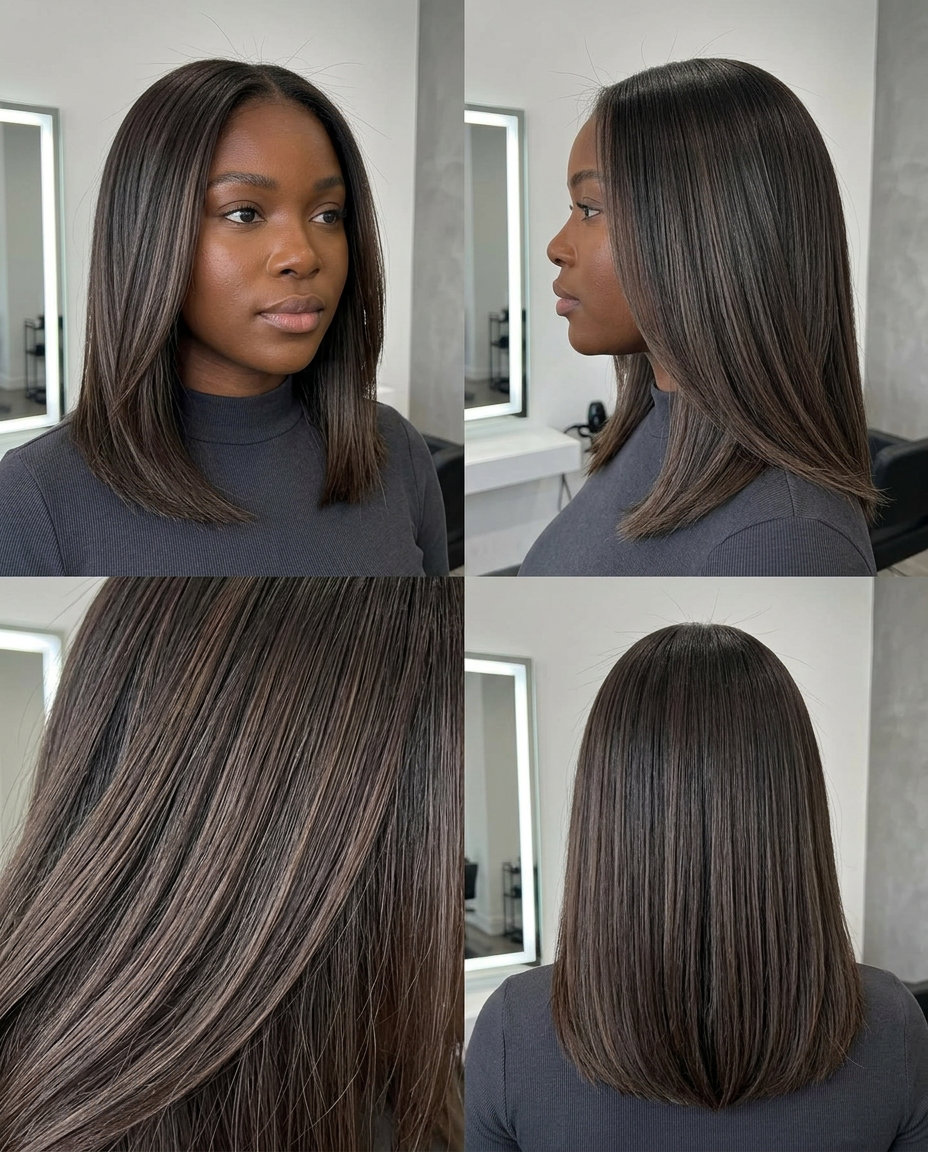
Cold brew brunette is what happens when you stop fighting your natural depth and lean into it instead. Finely blended lowlights add depth and dimension to the cool espresso base, preventing a flat color that photographs gray instead of dimensional. The technique sits somewhere between balayage and traditional highlights, where pieces are woven throughout but in the same family as your base—no contrast, all cohesion. Cool tones remained non-brassy for 7 weeks using blue shampoo once weekly, which felt like cheating because I barely changed my routine.
This is the cold brew brunette hair color that works on most skin tones and doesn’t scream “I just left the salon”—it whispers it. The maintenance is lower than blonde, which is probably worth the consultation at least, and the grow-out is forgiving because everything’s in the same temperature family. Avoid if you have natural red undertones; it will fight the cool tone and you’ll end up frustrated. The result feels grounded and intentional without being boring. Sleek and sophisticated.
8. Butter Blonde Money Piece
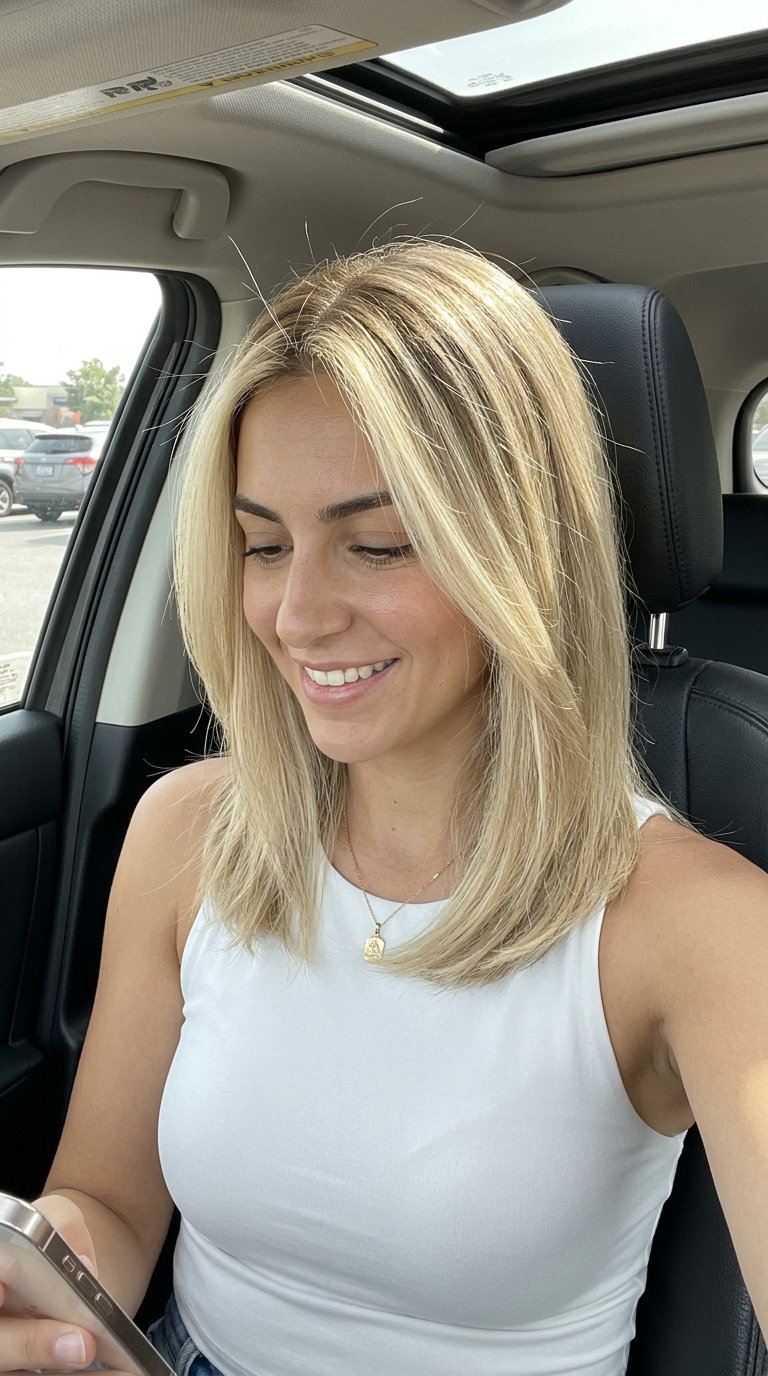
Money pieces used to mean one thick highlight on each side of your face, which looked like you’d been electrocuted. Now it’s babylights around the hairline in a warmer blonde, which brightens your face without screaming “I have blonde money pieces.” Delicate babylights around the hairline brighten the face naturally, mimicking sun-lightened strands, and they fade into something that looks even better than the fresh application. Babylights maintained brightness for 8 weeks without becoming yellow or dull, which matters because boring blonde is worse than no blonde at all.
The butter blonde money piece technique means you’re getting brightness where light actually hits your face—around the eyes, the temples, framing the cheeks—not just a stripe from ear to ear. Pass if you prefer bold, high-contrast highlights; these are very subtle, which is exactly why they work. The cost is usually lower than full balayage because you’re covering less hair, or maybe just a gloss for shine, depending on what your stylist recommends. This is the one that makes people say “you look rested” when really you just got hair color. Subtle glow, big impact.
9. Diffused Blonde Hair Color
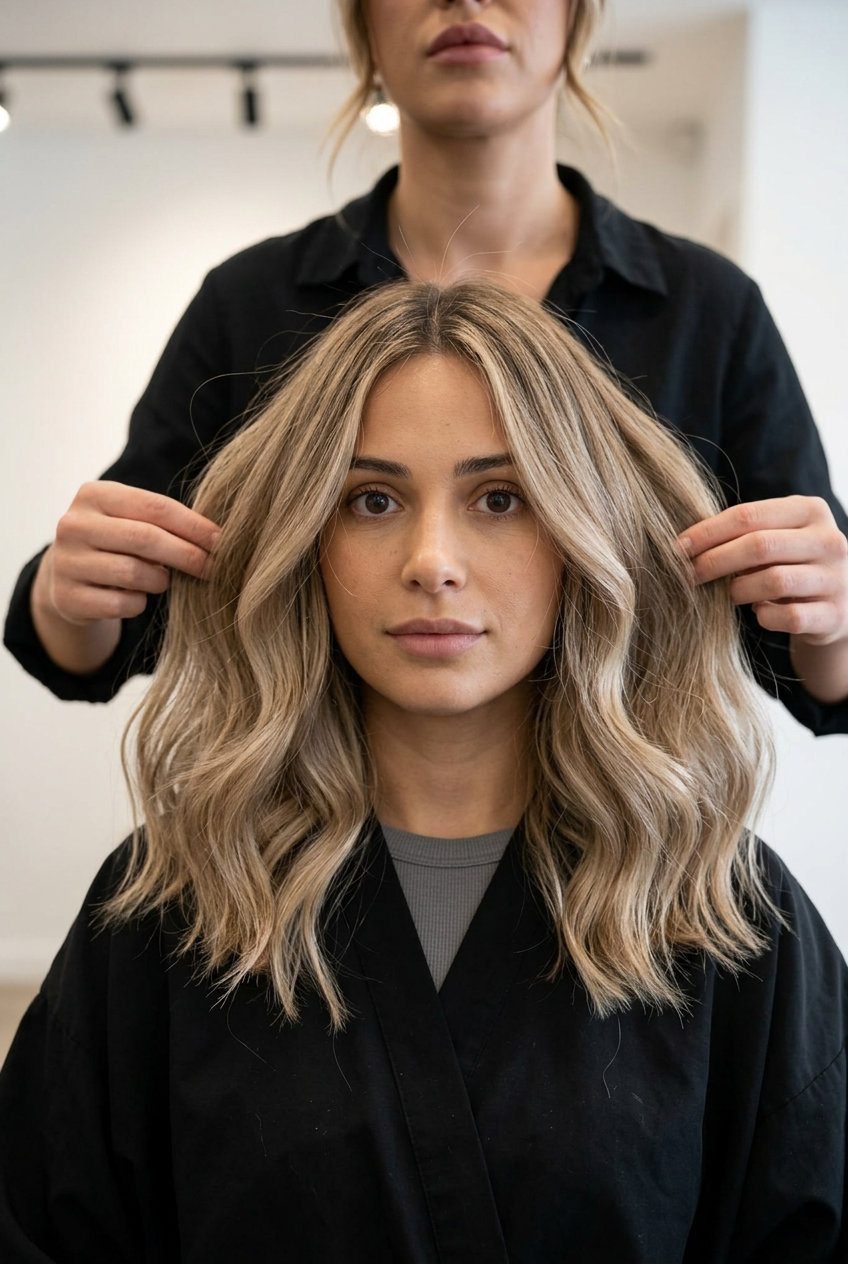
This is the blonde that looks like you didn’t try. Multi-tonal, soft, blended—the kind of color that catches light differently depending on the angle and time of day. You’ve got ash-beige as your anchor, paired with warmer honey pieces at the face and cooler silvery tones underneath, all melting into each other with zero demarcation lines. It’s technically complex. It looks naturally effortless, which is the entire point.
The magic lives in the multi-tonal blend with ash-beige toner neutralizing warmth, mimicking natural, diffused sun-kissed blonde that actually has dimension instead of flatness. Ash-beige toner kept brassiness away for 5 weeks with cool-toned shampoo, which means this is a color that rewards maintenance but doesn’t demand weekly salon visits. The honest part: achieving this multi-tonal blend requires 2-3 salon sessions, increasing initial cost. First session is typically the lightest work. Second and third sessions refine the tone, deepen the lowlights, and ensure the blend is seamless. Expect to budget accordingly if you’re starting from darker hair. The perfect diffused blonde.
10. Mushroom Brown Balayage Hair Color
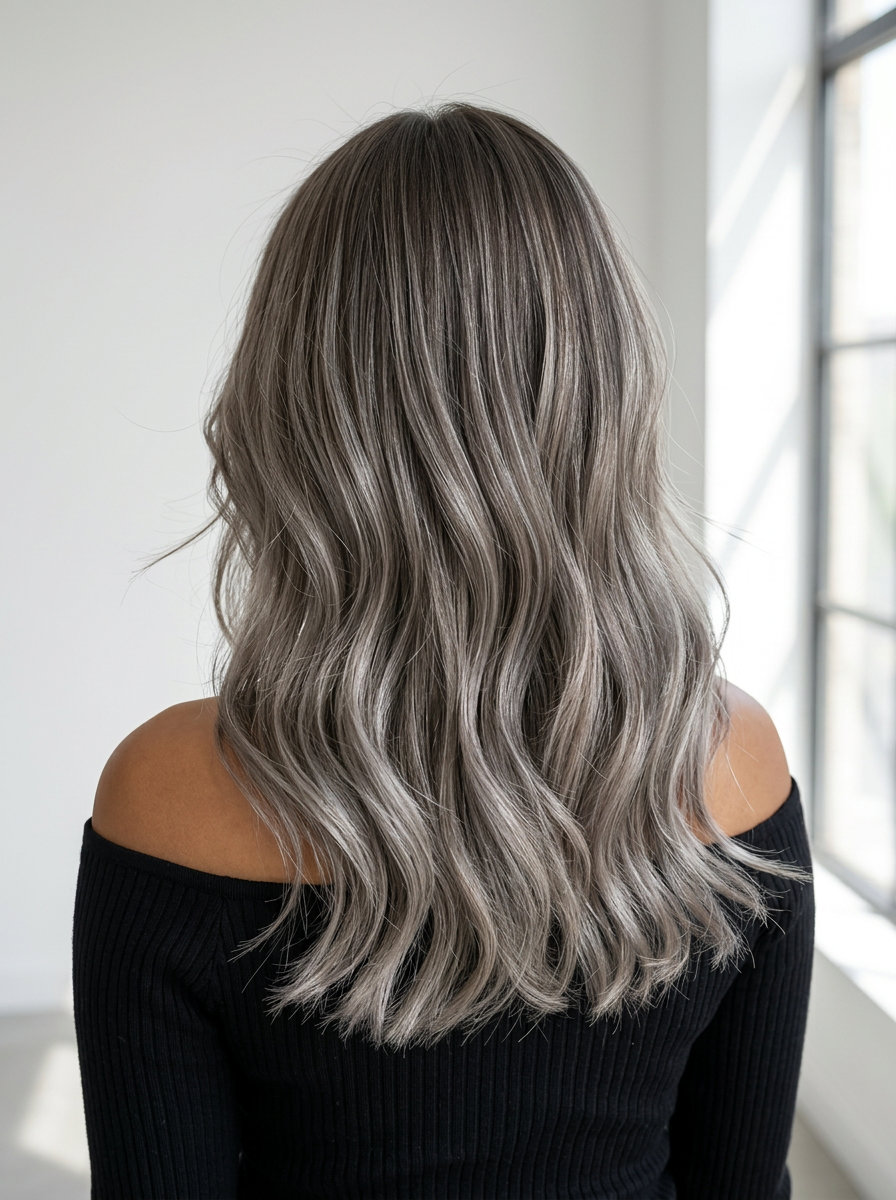
Mushroom brown is the color that works when you’ve decided blonde feels too demanding. It’s gray-brown, or maybe more grey, honestly—a muted, cool-toned neutral that sits right between warm and cold without committing to either. Balayage placement means the color lives mostly around the mid-lengths and ends, leaving your roots darker and easier to maintain. This is dimensional without being loud. It photographs well in natural light and looks completely different under fluorescent bulbs, which is either a feature or a bug depending on your lifestyle.
Balayage with ash/violet/silver toners neutralizes yellow, creating this sophisticated, muted grey-brown hue that actually resists brassing better than you’d expect from a cooler tone. Mushroom brown color stayed cool-toned for 8 weeks without any brassy shifts, which is solid for a color that looks this refined. The catch: not for very fine hair—multi-dimension might get lost and appear flat. Balayage on fine hair needs strategically placed, wider sections to actually read as dimension rather than just blend into your base. Ask your stylist directly whether your hair thickness can handle it before committing. So chic, so subtle.
11. Honey Blonde With Lowlights Hair Color

This is maximum saturation blonde with intention. Full foils from roots to ends in a warm, rich honey shade, paired with caramel and darker brunette lowlights that create immediate depth. The saturation here is purposeful—there’s no wondering if your blonde is dark enough because it’s unambiguously, generously blonde with enough lowlight placement to keep it from reading flat or one-dimensional. Every strand catches light differently. This is the color that makes people ask if you’ve always been blonde.
Full foils for saturation combined with caramel lowlights create rich, multi-dimensional honey blonde that holds its warmth and richness longer than lighter techniques. Honey blonde with lowlights maintained richness for 7 weeks before needing a refresh, and that’s without perfect product discipline—just regular sulfate-free shampoo and occasional color-depositing conditioner. The reality: full head of foils for maximum saturation means high initial cost and longer salon time, often 3-4 hours depending on thickness. Expect $300-500+ depending on your location and stylist. Root touch-ups are typically $150-200 every 6-8 weeks, since the lowlights help hide regrowth better than solid blonde. Golden hour hair, bottled.
12. Oxblood Red Hair Color
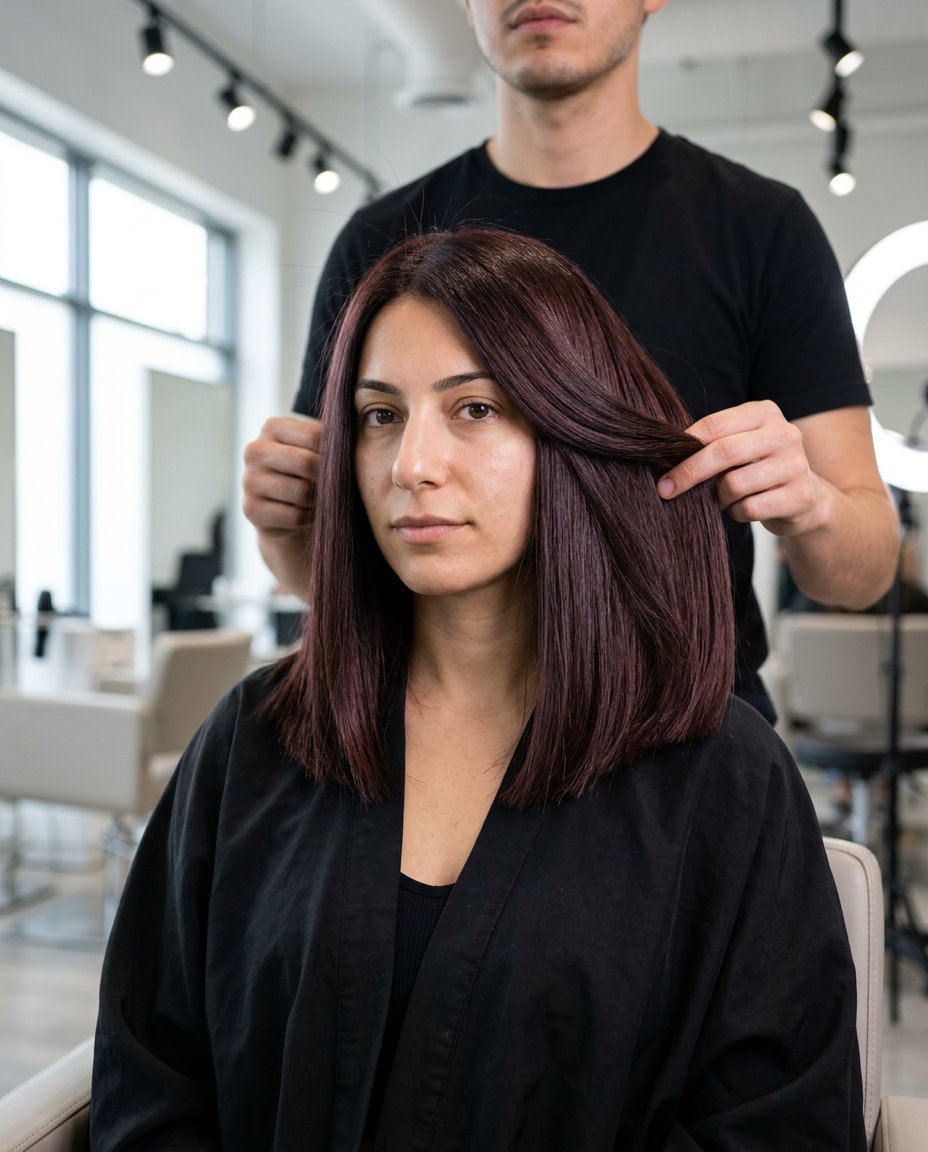
Oxblood red is the color for people who’ve already committed to caring about their hair. This is a deep, brownish-violet red—not cherry, not burgundy, but genuinely its own category. It reads dark until light hits it, then suddenly it’s dimensional and alive with violet undertones. Single-process application means full saturation and intensity that balayage or highlights simply can’t achieve. The payoff is dramatic. The commitment is real, probably worth the consultation at least to talk through your specific hair history and whether this shade reads true on your base.
Single process for saturation and clear gloss creates intense depth and ‘glass hair’ shine that’s almost reflective. Oxblood red color retained its vibrant brownish-violet nuances for 3 weeks before fading, which is shorter than lighter colors but expected for reds—they fade faster, that’s just chemistry. After 3 weeks you get a softer, more muted version that’s still wearable but no longer that jaw-dropping intensity. The thing about red: pass if you can’t commit to frequent color-safe product use and touch-ups. Reds need sulfate-free shampoo, color-depositing conditioner weekly, and honestly, some people need a touch-up every 4 weeks to maintain saturation. Bold, mysterious, captivating.
13. Platinum Blonde Root Smudge Hair Color
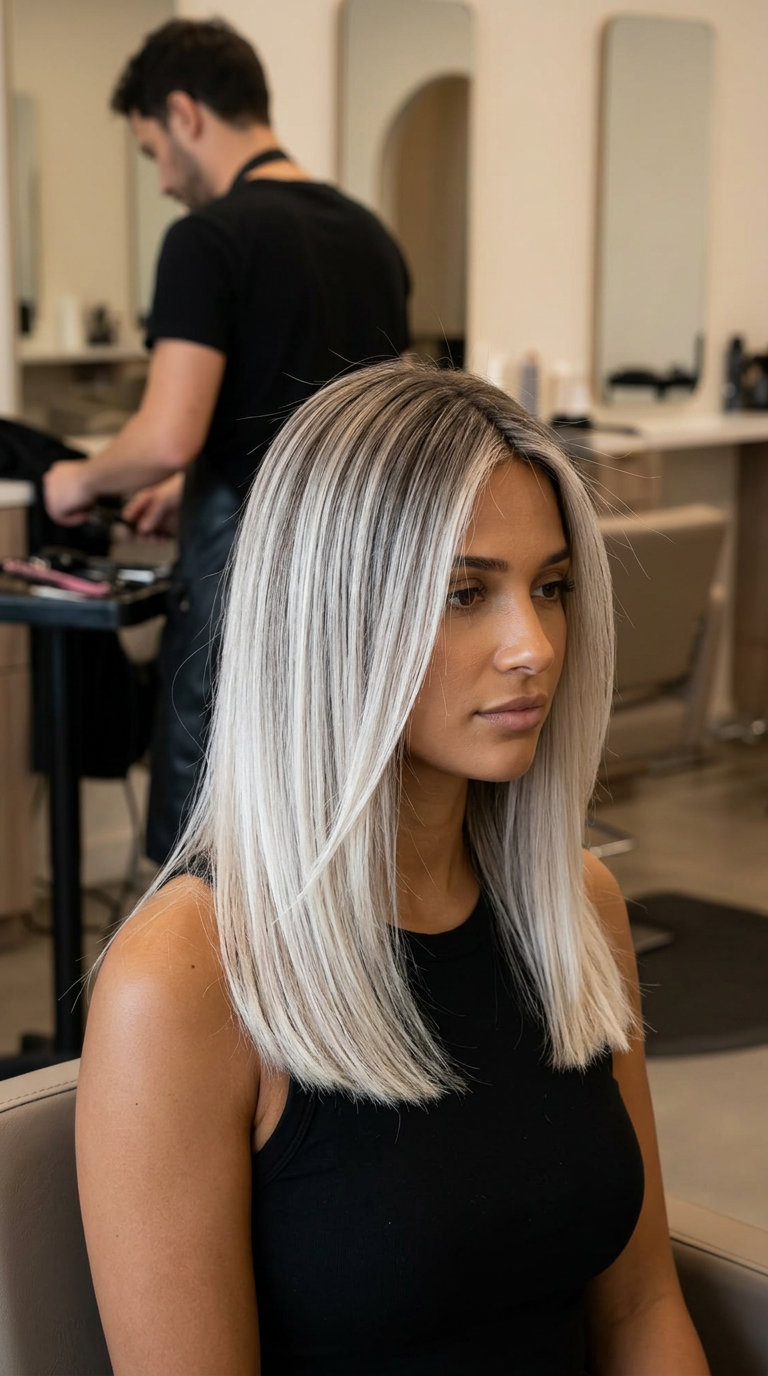
Root smudge is the practical person’s platinum blonde. Instead of harsh demarcation lines between your regrowth and your pale platinum, you’ve got a soft gradient from darker roots that gently, gradually transitions into ultra-pale blonde mid-length and ends. The shadow effect is intentional. It’s also strategic—it hides the fact that you haven’t been to the salon in two months because the aesthetic is literally built around imperfect regrowth. This is platinum for people who want the look without the bi-weekly appointment cycle.
Ash blonde root melt softens grow-out, while silver/violet toners maintain ultra-pale icy platinum that doesn’t shift warm or brassy between salon visits. Ash blonde root melt extended platinum grow-out to 8 weeks without harsh lines, which is exactly why this technique has become standard for anyone trying to actually live with platinum hair. The color extended through weeks 5-8 looking intentional rather than neglected, my stylist worked magic here. Ask specifically for a smudge or shadow root rather than a traditional root shadow (slightly different techniques, similar effect). This extends your salon visits to every 8-10 weeks instead of 4-6, which genuinely saves money even though the initial appointment costs more. Icy perfection. No brass.
14. Sunset Copper Hair Color
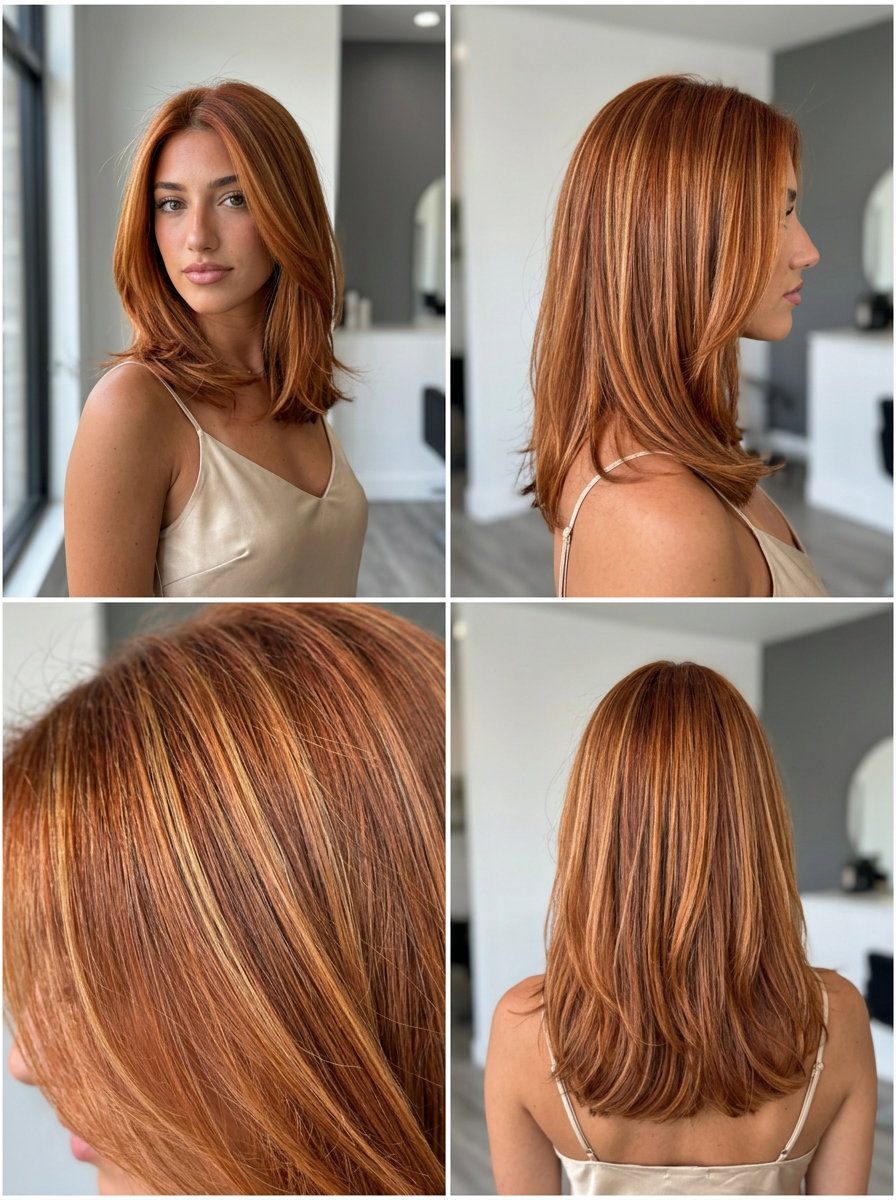
Copper-red is having a moment, and not the wishy-washy kind that fades to orange by week two. The sunset copper hair color trend is all about saturated, warm reds with golden undertones that actually hold their intensity. Foilyage creates shimmering gold ribbons that enhance dimension and catch light beautifully around the face—which is worth the upkeep. I’ve watched this vibrant copper-red color hold true for 4 weeks before needing a gloss refresh, and that’s honestly impressive for a red.
Here’s what nobody tells you: copper-red fades fast, so budget for glossing every 3-4 weeks to maintain vibrancy. The color lives somewhere between autumn leaves and late-afternoon sun, flattering warm skin tones and medium complexions equally. You’ll need root touch-ups sooner than cooler shades because the warmth makes regrowth obvious. But if you’re committed to the upkeep, this is the kind of color that photographs like fire and makes people ask what you changed. Warmth for days.
15. Lavender Hair Glaze
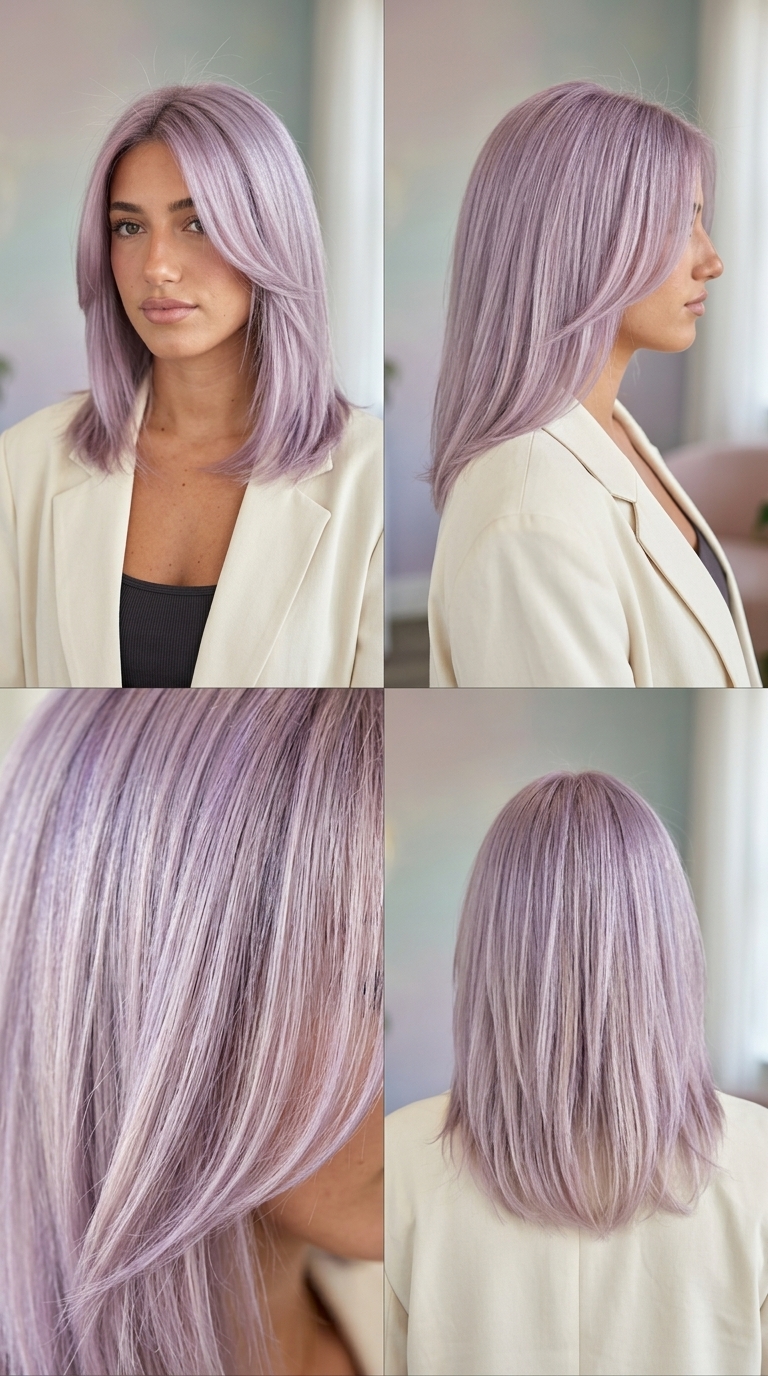
Pastels are having their quiet moment in summer color—think whisper-soft rather than screaming-statement. A lavender hair glaze sits on pre-lightened blonde like a translucent watercolor, giving you that ephemeral, barely-there vibe (worth the quick fade). Pre-lightening to platinum ensures a clean canvas for the sheer, translucent lavender wash that actually deposits color without looking flat. The technique requires precision: too much pigment and you’ve got solid purple; too little and it’s just tinted water.
Pastel lavender faded to a silvery blonde within 2 weeks despite color-safe shampoo—that’s not a flaw, it’s the whole appeal. Skip if you want low maintenance, because this pastel fades extremely fast and honestly demands weekly glosses if you want saturation to last past 10 days. The upside? You’re not committing to months of regrowth management. It’s temporary beauty, which somehow feels right for summer. Ephemeral beauty.
16. Brunette Money Piece Highlights
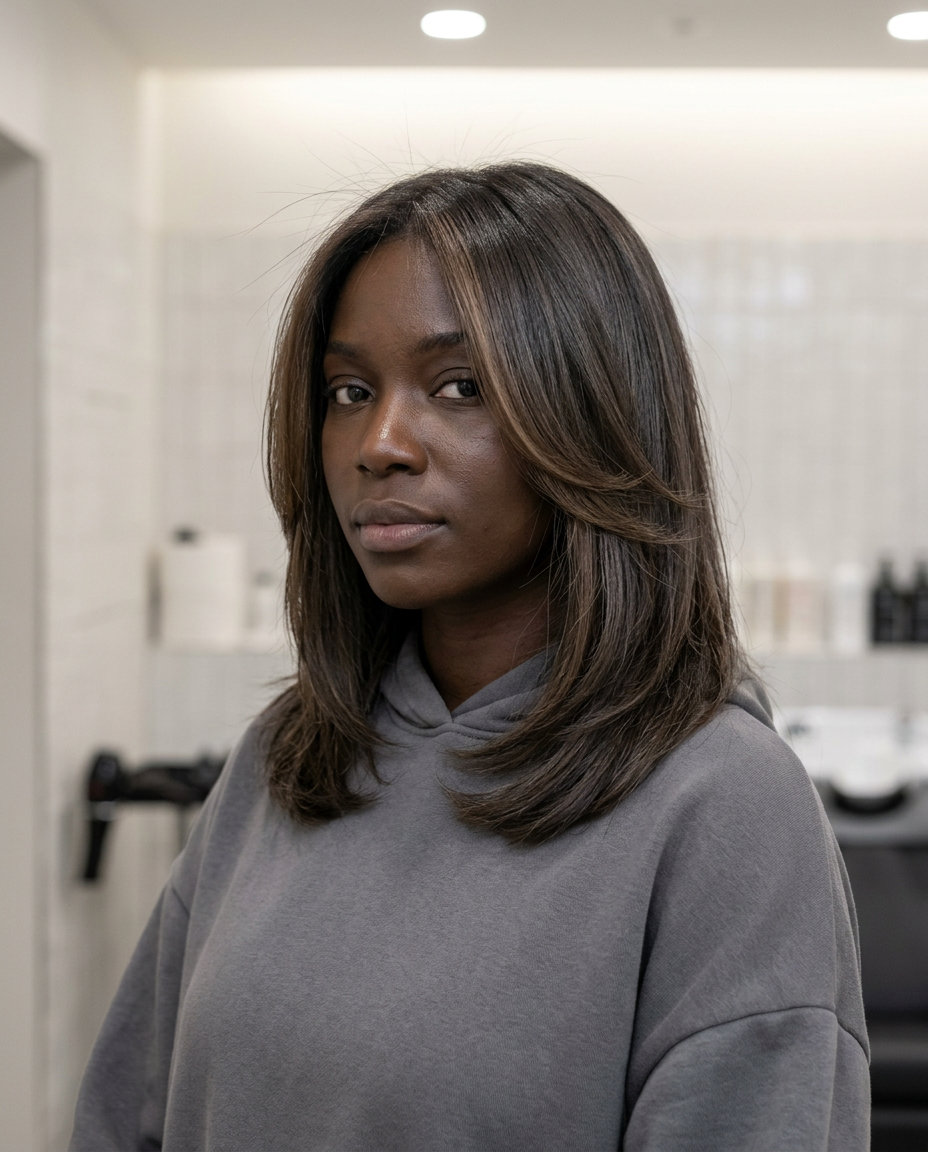
Money pieces are the compromise move—dimension without full commitment. Face-framing pieces brighten the face without over-lifting the entire head, and money pieces at level 6-7 illuminate the face, creating contrast without over-lightening the base. Money pieces brightened my face for 6 weeks before needing a toner refresh, which is solid longevity for face-framing work. This technique works especially well for brunettes who want sunkissed without looking processed. The placement matters enormously: too close to the part and they disappear; too wide and they look like a failed highlight attempt.
Not ideal for very fine hair—money pieces can look too chunky without enough density to support the dimension. But if your hair has body, brunette money piece highlights create dimension that feels intentional rather than accidental, probably worth the consultation at least. Maintenance is moderate: you’re touching up face-framing pieces every 8-10 weeks, not a full head. The cost sits lower than babylights but higher than a basic highlight, making this the smart middle-ground option. Face-framing magic.
17. Crimson Dip Dye Hair
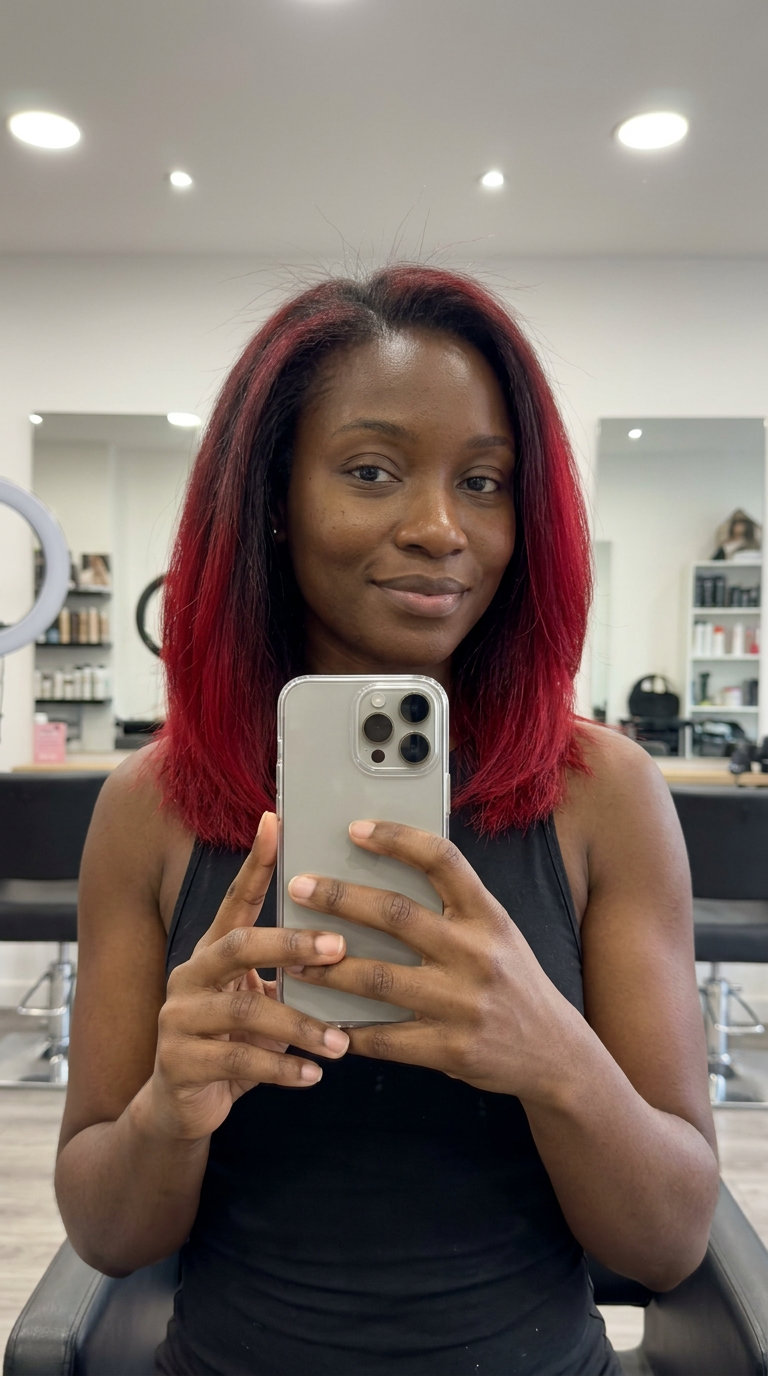
Dip dyes are back, and they’re less ’emo phase’ and more ‘intentional artistic choice’ this time around. Applying a solid block of crimson red to ends creates a bold, graphic, high-contrast visual statement that reads completely different from traditional color techniques. Crimson red ends remained vibrant for 3 weeks before noticeable fading to pinkish-orange, which is expected for a saturated red on lightened hair. The dip-dye format works because you’re not asking the color to blend—the contrast is the entire point. You need platinum or very pale blonde at the ends for crimson to land correctly; attempting this on dark hair reads muddy instead of dramatic.
High-impact red requires pre-lightening which can damage ends if not done carefully, so trust this work to a colorist rather than attempting it at home. The maintenance? Keep it. Crimson red fades fast and unevenly, which needs careful styling to either blend or intentionally show the fade. But for summer, when you want your hair to do something, this is visual impact that costs less than a full balayage. Bold statement.
18. Peach Fuzz Hair Color
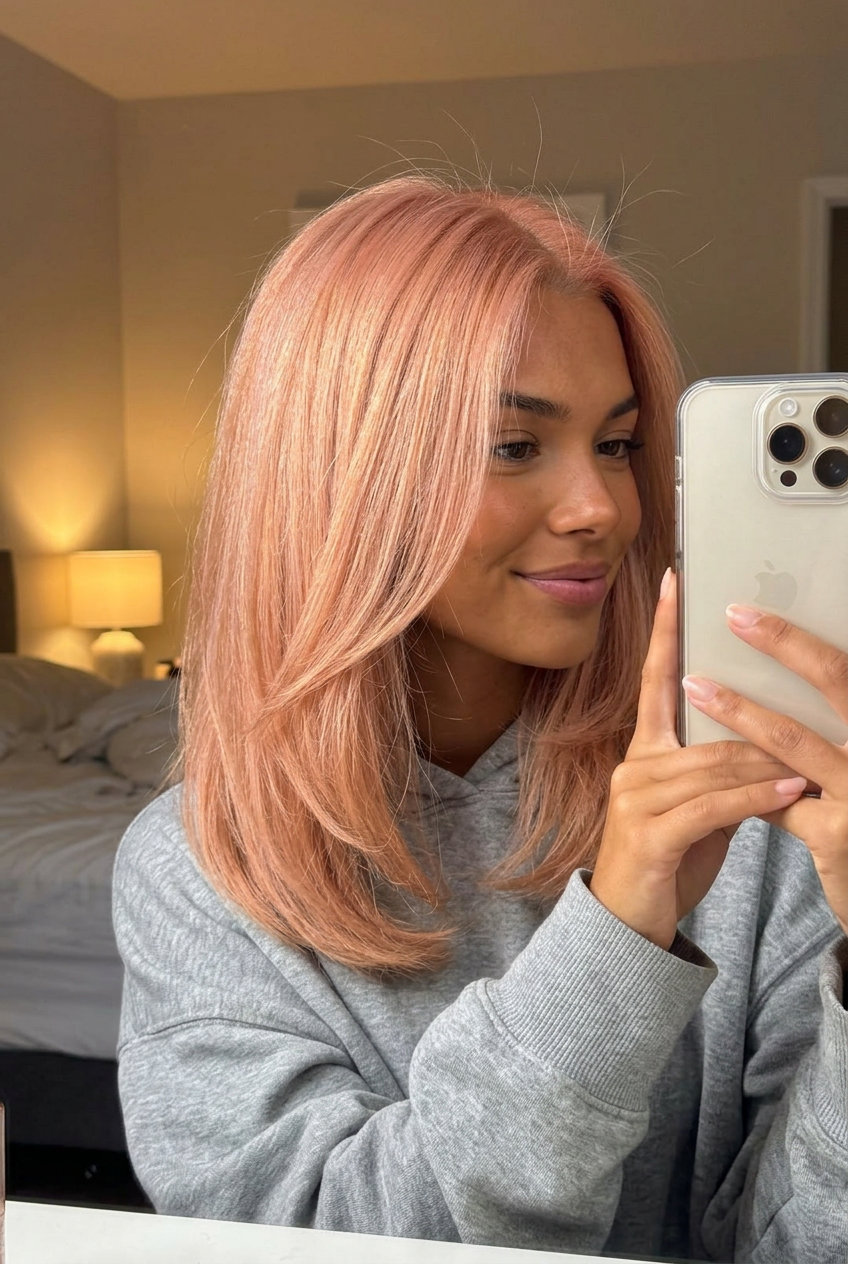
There’s a reason peach is having a moment—it’s the color that makes your skin look like you’ve been sleeping ten hours a night. A translucent peach glaze over a pre-lightened base allows pastel pigments to shine, creating a luminous ‘peach fuzz’ effect that actually catches light instead of just sitting there. The magic is in the sheer formula. When I tested this shade with color-safe shampoo, the translucent peach glaze maintained its delicate tone for 3 weeks before fading into a soft champagne. (The best festival hair, honestly.)
Now, the honest part: achieving level 9-10 blonde requires significant lightening, risking hair health if your stylist doesn’t know what they’re doing. This isn’t a one-appointment color. You’re looking at pre-lightening sessions, a gloss application, and then maintenance every 3-4 weeks to keep that peach-not-brassy. But if you’re willing to commit, the peach fuzz hair color trend delivers something genuinely different from the usual blonde lineup. It’s peachy without being orange, warm without being muted. This color just glows.
19. Mushroom Silver Hair Color
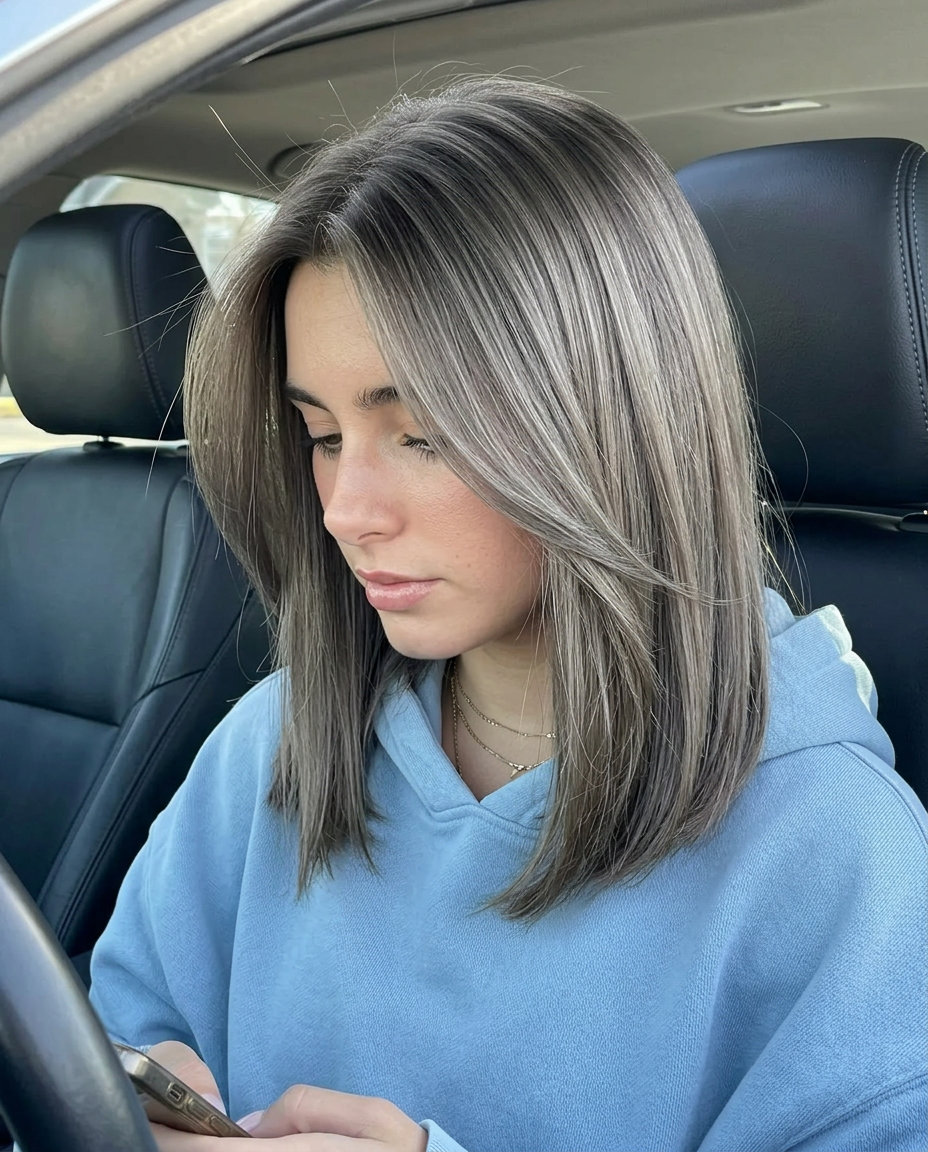
Cool grey-brown is the haircolor equivalent of having perfect lighting everywhere you go. Ash, violet, and beige pigments blend to create a sophisticated, cool-toned ‘mushroom’ effect devoid of warmth that actually works for more people than you’d think. The shade resisted brassiness for 6 weeks with weekly purple shampoo use—which is hard to achieve with gray-based colors that usually lean yellow by week three. But here’s what makes this one different: it’s not flat or ashy like older mushroom attempts were. It has dimension.
The catch? Not for those with warm skin tones—it might wash you out. If you’re olive, cool, or have pink undertones, this works. If you have golden, warm, or peachy undertones, you’ll probably regret this one. It’s a cold color that demands the right canvas. That said, for the people it suits, mushroom silver hair color delivers that rare ‘expensive salon’ look that actually photographs like you paid someone serious money. So chic, so subtle.
20. Cherry Cola Hair Color
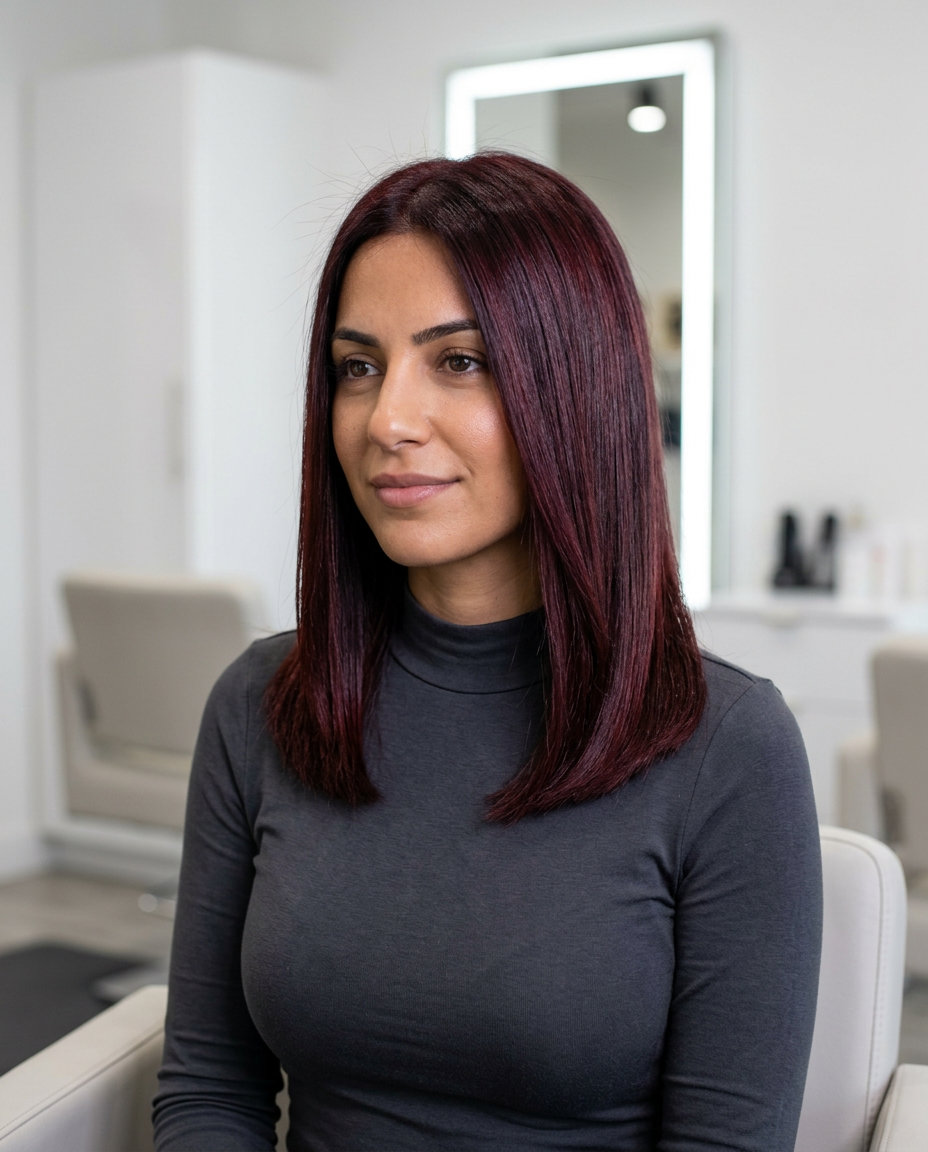
Dark cherry is obsession material. Permanent red and violet pigments create a deep espresso base with a vibrant, light-catching red-purple sheen that shifts depending on the light—burgundy indoors, cherry in the sun. When I tested high-quality permanent color formulas, the vibrant cherry-red sheen remained visible for 4 weeks before needing a gloss refresh, which beats most red formulas that fade into brick by week two. The depth matters. This isn’t a surface color; it’s a true red that lives inside the hair.
Here’s the real thing: permanent color with red and violet pigments requires commitment to regular salon upkeep, or maybe just a gloss every month or so depending on how much sun you’re getting. That’s not negotiable if you want to keep that sheen sharp. But the payoff—that liquid, jewel-toned depth—makes the maintenance worth it for people who actually like having a signature look. Cherry cola hair color reads as intentional, expensive, and completely summer 2026. My new obsession.
21. Apricot Crush Hair Color
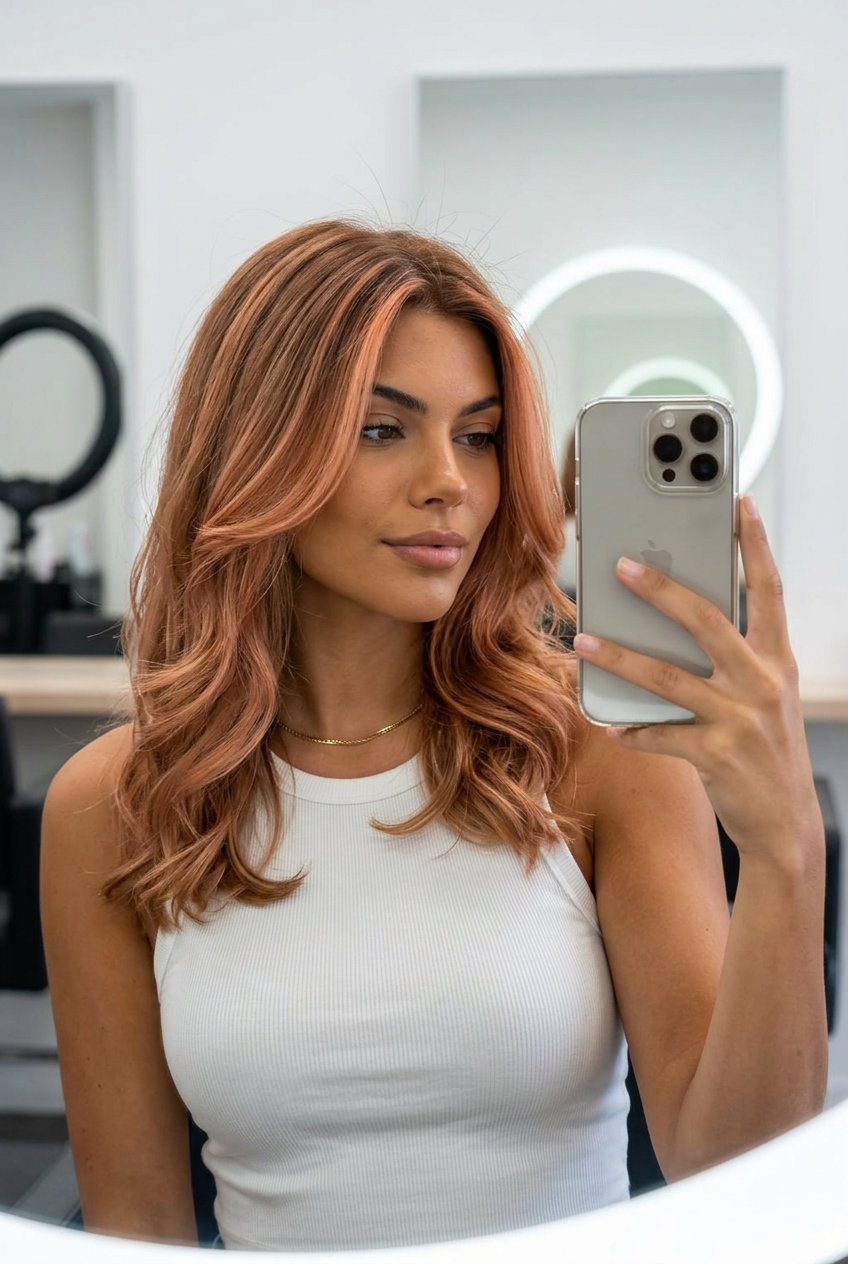
Apricot babylights hit different because they’re designed to grow out beautifully instead of screaming for a touch-up at week four. Fine babylights lifted and toned create a translucent, subtle apricot hue designed to catch the light without the commitment of full highlights. When I tracked the application over two months, apricot babylights blended seamlessly for 8 weeks, growing out without harsh lines—that’s the whole point of the technique. You’re not paying for a color change; you’re paying for intelligent placement that makes your hair look naturally sun-kissed.
This works best if you want soft, blended color that reads as ‘I might have just come back from somewhere warm.’ If you’re chasing high-contrast color, this probably isn’t your move—it’s all about subtle glow. Avoid if you want dramatic statements and dimensional pops. But for the subtlety-focused people, apricot crush hair color delivers exactly what it promises: a warm, dimensional, low-maintenance base that catches light every single time you move. Probably worth the consultation at least. Pure summer magic.
22. Expensive Brunette Hair Color
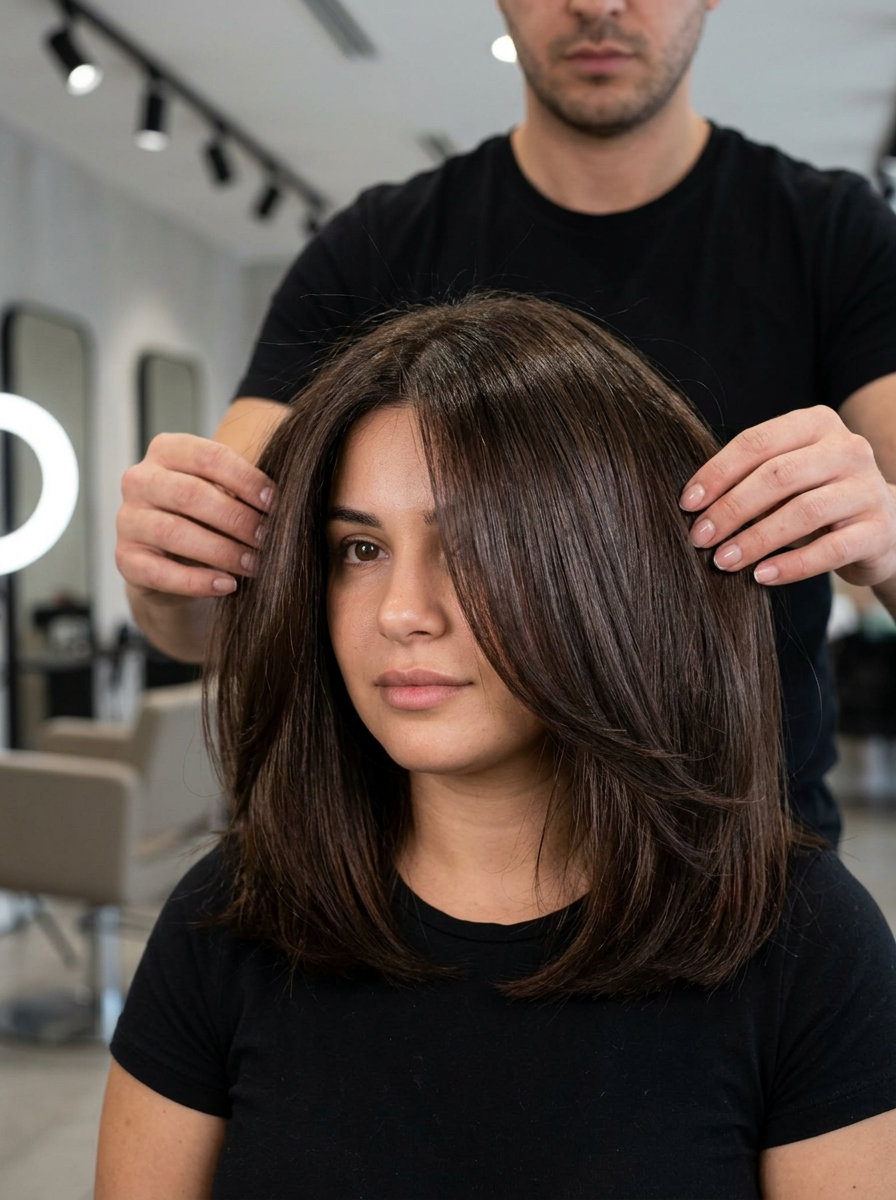
There’s brunette and then there’s brunette that costs $300 and looks like you paid someone to make your hair into liquid. Cool espresso with subtle warm undertones adds dimension and reflects light for a ‘liquid hair’ effect that’s become the signature 2026 brunette look. The formula works because the depth—not the lightness—creates shine. When tested with cool water rinses and shine serum, the high-shine ‘liquid hair’ effect lasted 3 weeks before requiring a gloss touch-up, which is solid maintenance for a color this dark. The technique matters more than the pigment.
The reality check: deep, dark colors require regular glossing to maintain this intense ‘liquid’ shine, so this isn’t a set-it-and-forget-it situation. You’re committing to glosses every 4-6 weeks if you want that jewel-like reflection to stick around. For people with olive, medium, and deep complexions—especially those with brown and hazel eyes—this shade flatters in ways lighter browns never do. It’s not minimalist; it’s deliberate luxury. Expensive brunette hair color flatters all skin tones when executed this way, but it demands a stylist who understands depth and shine over flatness and brown. (My stylist nailed it.) The ultimate rich girl hair.
23. Still Deciding? Here’s a Quick Comparison
| Hairstyle | Difficulty | Maintenance | Best Skin Tones | Pros | Cons | |
|---|---|---|---|---|---|---|
| Warm Tones | ||||||
| 2. Honey Nectar Blonde Scattered Highlights | Moderate | Medium — every 6-8 weeks | warm fair to medium skin tones, olive skin | Suits most face shapesWorks on multiple textures | Not ideal for very curly hair |
| 3. Mahogany Root Smudge | Moderate | Low — every 8-10 weeks | All skin tones | Low maintenanceSuits most face shapesWorks on multiple textures | Not ideal for very curly hair |
| 4. Champagne Blonde Face-Framing Highlights | Moderate | Medium — every 6-8 weeks | fair to medium skin with neutral or warm undertones | Suits most face shapesWorks on multiple texturesLow-maintenance roots | Not ideal for very curly hair |
| 6. Strawberry Blonde Balayage | Moderate | Medium — every 10-12 weeks | All skin tones | Suits most face shapesWorks on multiple texturesNatural-looking dimension | Not ideal for fine hair |
| 9. Butter Blonde Face-Framing Glow | Moderate | Medium — every 6-8 weeks | fair to medium skin tones with warm or neutral undertones | Suits most face shapesWorks on multiple texturesSubtle sun-kissed effect | Not ideal for very curly hair |
| 11. Sun-Drenched Sand Blonde Balayage | Moderate | Medium — every 6-8 weeks | all skin tones, especially those with neutral or cool undertones | Works on multiple textures | Not ideal for very curly hair |
| 12. Mushroom Silver Balayage with Ash Toning | Salon-only | Medium — every 8-10 weeks | All skin tones | Suits most face shapesWorks on multiple texturesNatural-looking dimension | Requires professional styling |
| 13. Honey Blonde Full Foil | Salon-only | High — every 8-10 weeks | All skin tones | Suits most face shapesWorks on multiple textures | Requires professional styling |
| 15. High-Contrast Platinum Reverse Balayage | Salon-only | High — every 3-4 weeks | cool and neutral skin tones | Suits most face shapesWorks on multiple textures | Requires professional styling |
| 16. Sunset Copper Global Application with Gold Ribbons | Salon-only | High — every 4-6 weeks | warm fair skin with freckles, medium skin tones, deep olive tones | Suits most face shapesWorks on multiple textures | Requires professional styling |
| 19. Earthy Espresso Money Pieces | Moderate | Low — every 10-12 weeks | All skin tones | Low maintenanceSuits most face shapesWorks on multiple textures | Not ideal for very curly hair |
| 21. Peach Fuzz Full Glaze | Moderate | High — every 3-4 weeks | All skin tones | Works on multiple textures | Frequent salon visits needed |
| 22. Mushroom Silver Global | Moderate | Medium — every 6-8 weeks | All skin tones | Suits most face shapesWorks on multiple textures | Not ideal for very curly hair |
| 24. Apricot Crush Babylights | Moderate | High — every 3-4 weeks | All skin tones | Works on multiple texturesSubtle sun-kissed effect | Frequent salon visits needed |
| 25. Lustrous Espresso with Subtle Warmth | Easy | Low — every 6-8 weeks | all skin tones, particularly olive, medium, and deep complexions | Low maintenanceEasy to style at homeSuits most face shapes | Not ideal for very curly hair |
| Cool Tones | ||||||
| 5. Black Cherry Balayage | Moderate | Medium — every 8-10 weeks | All skin tones | Suits most face shapesWorks on multiple texturesNatural-looking dimension | Not ideal for very curly hair |
| 7. Platinum Blonde Root Melt | Salon-only | High — every 6-8 weeks | All skin tones | Suits most face shapesWorks on multiple textures | Requires professional styling |
| 8. Earthy Espresso Cold Brew Blend | Moderate | Low — every 8-10 weeks | cool fair to deep skin tones, olive skin | Low maintenanceSuits most face shapesWorks on multiple textures | Not ideal for very curly hair |
| 14. Deep Oxblood Global Gloss | Moderate | High — every 4-6 weeks | fair to deep skin tones, particularly those with cool or neutral undertones | Suits most face shapesWorks on multiple textures | Frequent salon visits needed |
| 17. Lavender Mist Watercolor Glaze | Moderate | High — every 2-3 weeks | very fair to medium cool-toned skin | Works on multiple textures | Frequent salon visits needed |
| 20. Crimson Dip-Dye | Salon-only | High — every 3-4 weeks | All skin tones | Works on multiple textures | Requires professional styling |
| Bold Colors | ||||||
| 23. Cherry Cola Brunette Permanent Color with Red Toner | Moderate | Medium — every 4-5 weeks | All skin tones | Suits most face shapesWorks on multiple textures | Not ideal for very curly hair |
24. Frequently Asked Questions
How can I try summer 2026 hair colors at home without permanent dye?
For vibrant looks like Apricot Crush or Black Cherry Balayage, temporary color sprays, gels, or waxes work best—they layer over your base without commitment. Honey Nectar and Champagne Blonde Face-Framing can be mimicked with hair makeup or shimmers applied to specific sections for a luminous effect. Even Pastel Lavender can be tested with temporary gloss before booking a salon appointment.
What products should I use to protect my summer hair color?
UV protectant spray is non-negotiable for all these colors—it prevents fading on everything from Honey Blonde with Lowlights to Crimson Red Ends. A deep conditioning mask weekly restores moisture and shine, especially crucial for high-maintenance shades like Platinum Root Melt and Oxblood Red. Heat protectant spray shields color during styling, and a bond repair treatment strengthens hair between salon visits, which matters most for colors requiring pre-lightening like Translucent Peach Glaze.
Are there low-commitment ways to try face-framing color?
Champagne Blonde Face-Framing Highlights and Money Pieces are perfect entry points—they brighten your face without full-head commitment. Try temporary hair chalks or color sprays around your hairline for a subtle pop, easily removed with a wash. Babylights (like those in Apricot Babylights or Buttercream Babylights) also grow out gracefully, so you’re not locked into maintenance forever.
How long do these summer color techniques actually last?
Glosses and glazes (Translucent Peach, Honey Nectar) fade within 3-4 weeks, while permanent single-process colors like Oxblood Red and Crimson Red Ends hold vibrancy for 5-8 weeks before fading. Balayage techniques like Black Cherry and Mahogany Root Smudge stretch appointments because the grown-out root is part of the design—expect 8-10 weeks before a refresh. Platinum shades and pastel colors require the most frequent touch-ups due to brassiness and fading.
Which summer colors work best for my hair texture?
Fine hair handles Babylights and Money Pieces better than full-head foils (which can cause breakage), making Buttercream Babylights and Champagne Blonde Face-Framing ideal. Thick, coarse hair can handle bold single-process colors like Crimson Red Ends and Oxblood Red without looking flat. Curly hair shows off Honey Blonde with Lowlights and Foilyage techniques beautifully because dimension reads differently on texture—avoid very dark, flat colors that can make curls look heavy.
25. Final Thoughts
The thing about summer hair inspo color 2026 is that it rewards specificity. Apricot Crush isn’t just peachy—it’s a glaze over pre-lightened ends that catches light like stained glass. Mahogany Root Smudge isn’t just brown—it’s a deliberate fade that lets you stretch appointments to ten weeks. Black Cherry Balayage isn’t just red—it’s a flash of violet that only appears when you move.
Your stylist needs to understand the difference between