
You’ve probably seen tea tree oil in everything from spot treatments to all-purpose cleaners, and you’re wondering if it deserves a spot in your routine. The short answer is yes, with one non-negotiable rule: always dilute it before it touches your skin. This guide walks you through safe dilution, targeted uses for acne and dandruff, and the mistakes that turn a helpful remedy into a problem.
Key Takeaways
- Always dilute tea tree oil with a carrier oil before applying it to your skin.
- Do a 24-hour patch test on your inner forearm before using it more widely.
- Never ingest tea tree oil; it is toxic if swallowed.
- For acne or dandruff, expect several weeks of consistent use before seeing improvement.
- See a doctor or dermatologist if skin issues persist despite consistent use.
1. What is Tea Tree Oil and How Does It Work?
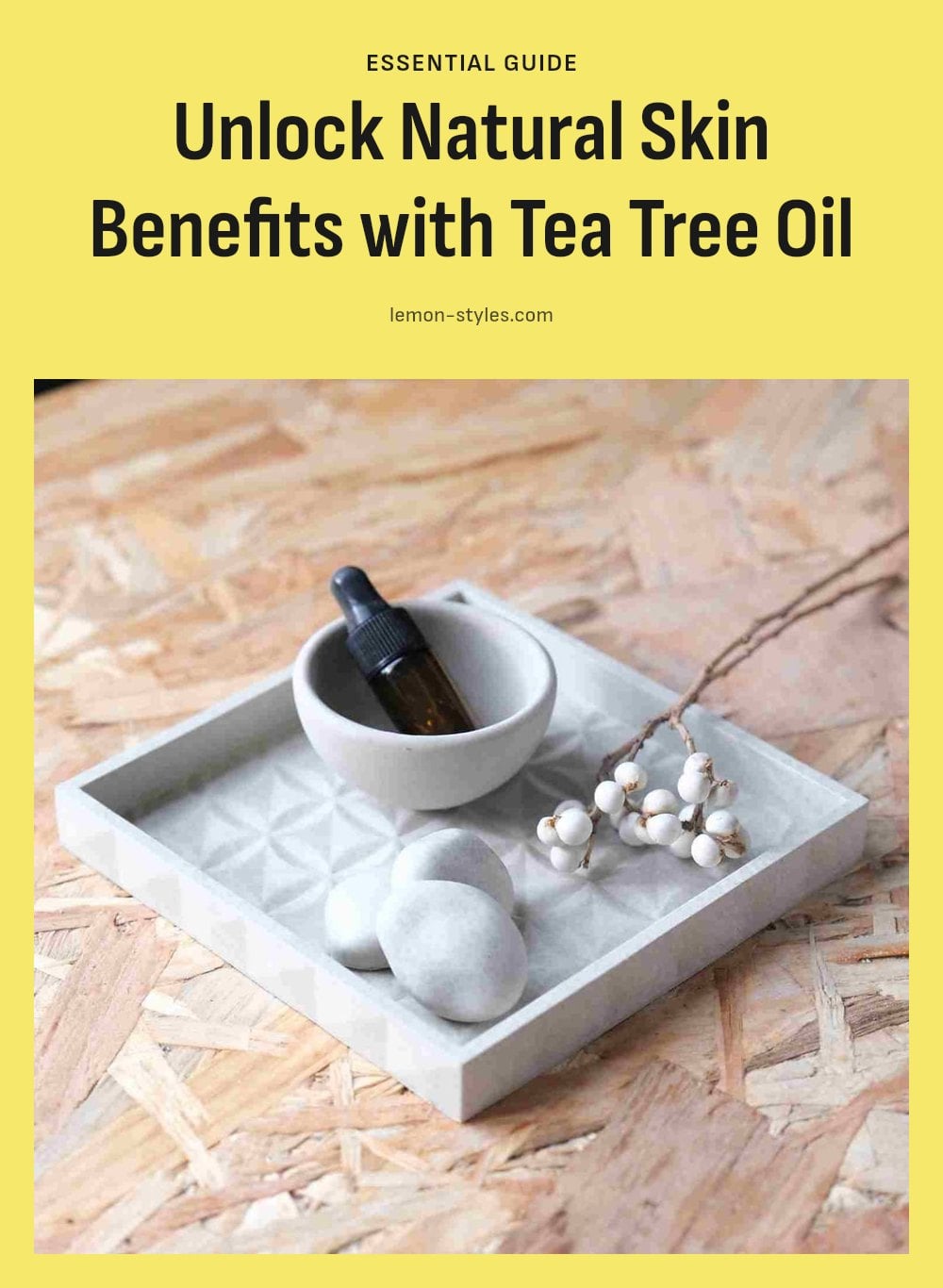
Tea tree oil comes from the leaves of the Melaleuca alternifolia tree, native to Australia. It’s an essential oil known for its antiseptic, anti-inflammatory, and antifungal properties. The main active compound, terpinen-4-ol, gives it antimicrobial activity that can help with acne, dandruff, and minor skin irritations. Always dilute tea tree oil with a carrier oil before applying it to skin or hair, since undiluted oil can cause irritation or burns.
2. Essential Supplies for Using Tea Tree Oil Safely

To use tea tree oil safely and effectively, gather these supplies:
- Pure tea tree essential oil: Look for 100% Melaleuca alternifolia on the label, without added fragrance or fillers.
- Carrier oils: Coconut, jojoba, almond, or olive oil for diluting the essential oil.
- Cotton swabs or pads: For precise application on spots or small areas.
- Small mixing bowls or bottles: To prepare your own blends in small batches.
- Shampoo or conditioner: A plain, unscented formula works best for adding tea tree oil for scalp care.
- Gentle facial cleanser or moisturizer: To layer over treated skin without irritation.
3. How to Dilute and Apply Tea Tree Oil for Skin
Follow these steps to dilute and apply tea tree oil safely on your skin.
- Perform a patch test: Mix one drop of tea tree oil with half a teaspoon of carrier oil. Apply a small amount to your inner forearm and wait 24 hours. If you see redness, itching, or swelling, do not proceed.
- Dilute to 5%: For skin application, combine 5 drops of tea tree oil with 1 teaspoon of carrier oil. This ratio is a common guideline for safe topical use. Adjust the amount based on how much you need, but keep the ratio consistent.
- Apply with a cotton swab: Dip a cotton swab into the diluted oil and dab it onto the affected area. Avoid rubbing, which can spread the oil to sensitive areas.
- Allow absorption: Wait a few minutes for the oil to absorb before applying moisturizer, makeup, or other products. This prevents dilution of the tea tree oil and reduces the risk of irritation.
Tip: Prepare only as much diluted oil as you need for one use, as carrier oils can go rancid over time.
4. Targeted Uses of Tea Tree Oil for Common Concerns
Tea tree oil can be adapted for several common concerns. Always dilute with a carrier oil unless you’re adding it to a product like shampoo.
Acne spot treatment
Dab a 5% diluted solution directly onto blemishes with a cotton swab. The antimicrobial and anti-inflammatory properties may help reduce redness and bacteria.
Tip: Apply at night and follow with a gentle moisturizer to prevent dryness.
Dandruff relief
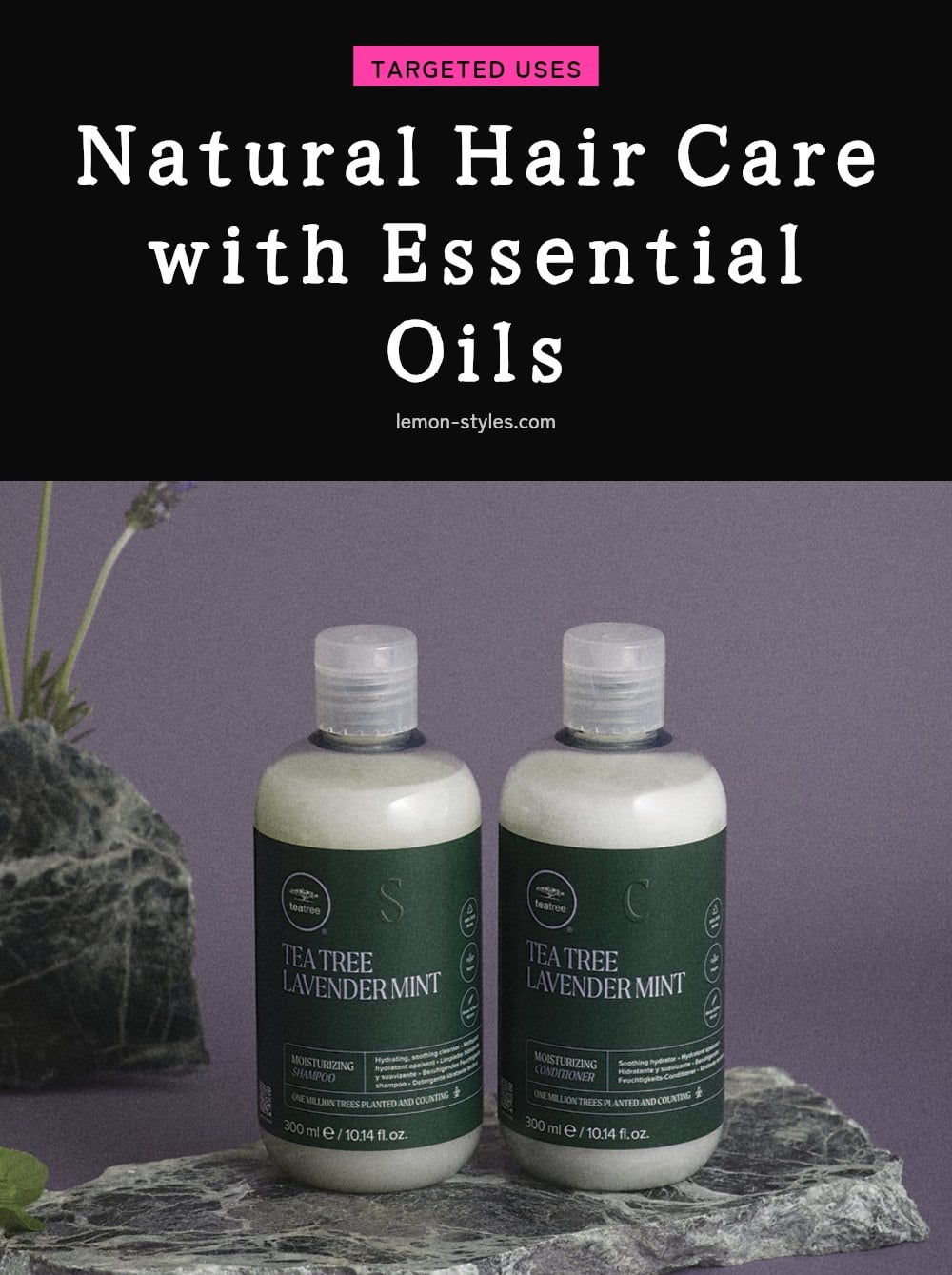
Add 5 to 10 drops of tea tree oil to a bottle of mild shampoo. Shake well before each use. Massage into the scalp and leave for 3 to 5 minutes before rinsing. Many people find this helps reduce flaking and itching over time.
Caution: Avoid contact with eyes; if the shampoo gets into your eyes, rinse thoroughly with water.
Natural hand sanitizer
Combine 10 drops of tea tree oil with 2 tablespoons of aloe vera gel and 1 tablespoon of witch hazel in a small bottle. Shake to mix. Use as you would a commercial hand sanitizer.
Minor irritations
For insect bites or small cuts, apply a diluted solution (5%) with a cotton swab up to twice a day. Tea tree oil may help soothe irritation and support healing.
Caution: Do not apply to broken or severely irritated skin without professional advice.
Foot odor or athlete’s foot
Mix 10 drops of tea tree oil with 1 tablespoon of carrier oil and massage into clean, dry feet, especially between the toes. Alternatively, add a few drops to a foot soak. Use daily until symptoms improve.
Tip: Wear breathable footwear and change socks daily to enhance results.
5. Common Mistakes to Avoid When Using Tea Tree Oil
Tea tree oil is potent, and a few common mistakes can turn a helpful remedy into a problem. The biggest one is applying it undiluted. Straight tea tree oil can cause redness, burning, or even chemical burns on skin. Always mix it with a carrier oil or a product like shampoo.
Never ingest tea tree oil. It is toxic when swallowed and can cause serious health issues. Keep the bottle out of reach of children and pets.
Another frequent error is using too high a concentration in DIY blends. Stick to a 5% dilution for skin, roughly 5 drops per teaspoon of carrier oil. Skipping a patch test is also risky, especially if you have sensitive skin. Test on your inner forearm and wait 24 hours before using it elsewhere.
Finally, don’t expect overnight results. Tea tree oil works gradually, so consistent daily or every-other-day use matters more than occasional heavy application.
6. How Long Until You See Results and What to Expect
Tea tree oil is not a quick fix. For skin issues like acne or dandruff, noticeable improvement may take several weeks of consistent use. Apply it daily or every other day, and give your skin time to respond.
Individual results vary. Some people see changes within a couple of weeks, while others need a month or more. If you don’t see improvement after several weeks, reassess your dilution or consult a professional.
On the cost side, pure tea tree oil is a one-time purchase. A small bottle lasts months because you only use a few drops per application. That makes it an affordable addition to your routine compared to many commercial products.
7. When to Consult a Professional About Skin Concerns
Tea tree oil can help with mild concerns, but it is not a substitute for medical care. See a doctor or dermatologist if your skin issue persists despite consistent use for several weeks. Also consult a professional before using tea tree oil for any diagnosed condition, like eczema or psoriasis.
Stop use immediately and seek medical help if you develop a severe allergic reaction, such as a spreading rash, swelling, or intense itching. If skin irritation worsens or does not improve even with proper dilution, that is another sign to get professional advice.
Pregnant or breastfeeding individuals should talk to their doctor before using tea tree oil. When in doubt, a quick consultation is safer than guessing.
8. Frequently Asked Questions
Is tea tree oil good for all skin types?
No, it’s not for everyone. People with sensitive skin may be more prone to irritation, redness, or dryness, even when diluted. Always do a patch test first, and if you have a known allergy to tea tree oil or other essential oils, skip it. If you have a diagnosed skin condition, ask your dermatologist before trying it.
How often can I use tea tree oil on my face?
You can use diluted tea tree oil once or twice a day, but start slowly. For acne, applying a 5% diluted solution as a spot treatment once daily is a reasonable start. If your skin tolerates it well, you can increase to every other day or as needed. Stop if you notice irritation.
Can tea tree oil help with insect bites?
Diluted tea tree oil may help soothe minor skin irritations like insect bites thanks to its anti-inflammatory properties. Apply a small amount of diluted oil to the bite, but avoid broken skin. If the bite becomes very swollen, painful, or shows signs of infection, see a doctor.
What’s the best way to store tea tree oil?
Keep tea tree oil in a cool, dark place in an airtight container. Heat and light can cause it to oxidize, and oxidized oil is more likely to irritate your skin. A cupboard away from the stove is fine. If the oil smells unusually sharp or has changed color, it’s best to replace it.
Can I use tea tree oil for cleaning my home?
Yes, tea tree oil can be an effective ingredient in natural household cleaners because of its antimicrobial properties. Add a few drops to water or a carrier like vinegar for cleaning surfaces. Keep the area ventilated, and remember it’s not a substitute for proper disinfection when needed.
9. Final Thoughts
My tip: treat tea tree oil like a concentrated active, not a gentle botanical. Dilute it, patch test it, and give it several weeks of consistent use before you judge the results. If you’re using it for acne or dandruff, apply it daily or every other day and expect noticeable improvement after several weeks, not overnight. Keep a small bottle on hand for spot treatments and minor skin irritations, and store it in a cool, dark place so it doesn’t oxidize. If your skin issue doesn’t budge after a few weeks of proper use, or if it gets worse, stop and check in with a dermatologist.
This article is for general information only and is not a substitute for professional medical advice. Tea tree oil can cause irritation or allergic reactions, and it is toxic if ingested. Always consult a doctor or dermatologist for persistent skin issues or before using tea tree oil on broken skin, during pregnancy, or for any diagnosed condition.

