
If you are tired of waiting for your hair to grow, you are not alone. The truth is, your hair grows at a steady pace determined by your genetics, but there are ways to make the most of it. By focusing on gentle care, a nutrient-rich diet, and a healthy scalp, you can minimize breakage and support your hair’s natural growth cycle. This article walks you through practical, natural strategies to help your hair reach its full potential.
Key Takeaways
- Hair grows about 0.5 inches per month, so patience is key.
- Eat a balanced diet with protein and vitamins A, C, D, E, and B.
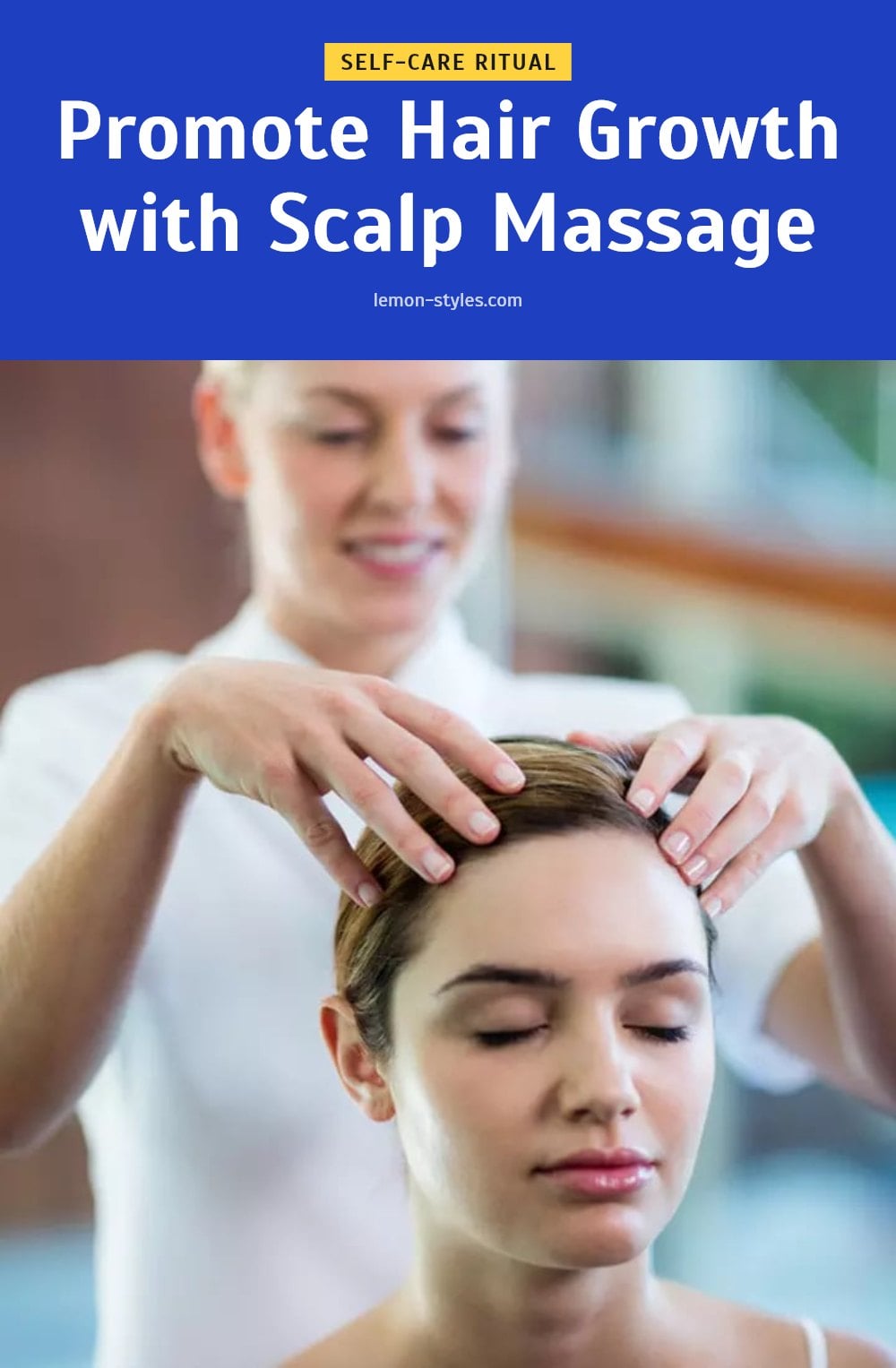
- Massage your scalp regularly to stimulate blood flow.
- Use a wide-tooth comb on wet hair to prevent breakage.
- See a doctor if you experience sudden or patchy hair loss.
1. Can You Really Make Your Hair Grow Faster?
Yes, but not in the way you might hope. Your hair’s growth rate is largely set by genetics, averaging about 0.5 inches per month, and no product or trick can change that biological speed. What you can do is create the best possible environment for your hair to grow healthily and minimize breakage so it actually stays on your head long enough to get longer. A combined approach of gentle care, solid nutrition, and regular scalp attention gives your natural growth cycle the support it needs to reach its full potential.
2. Essential Tools and Products for Healthy Hair Growth
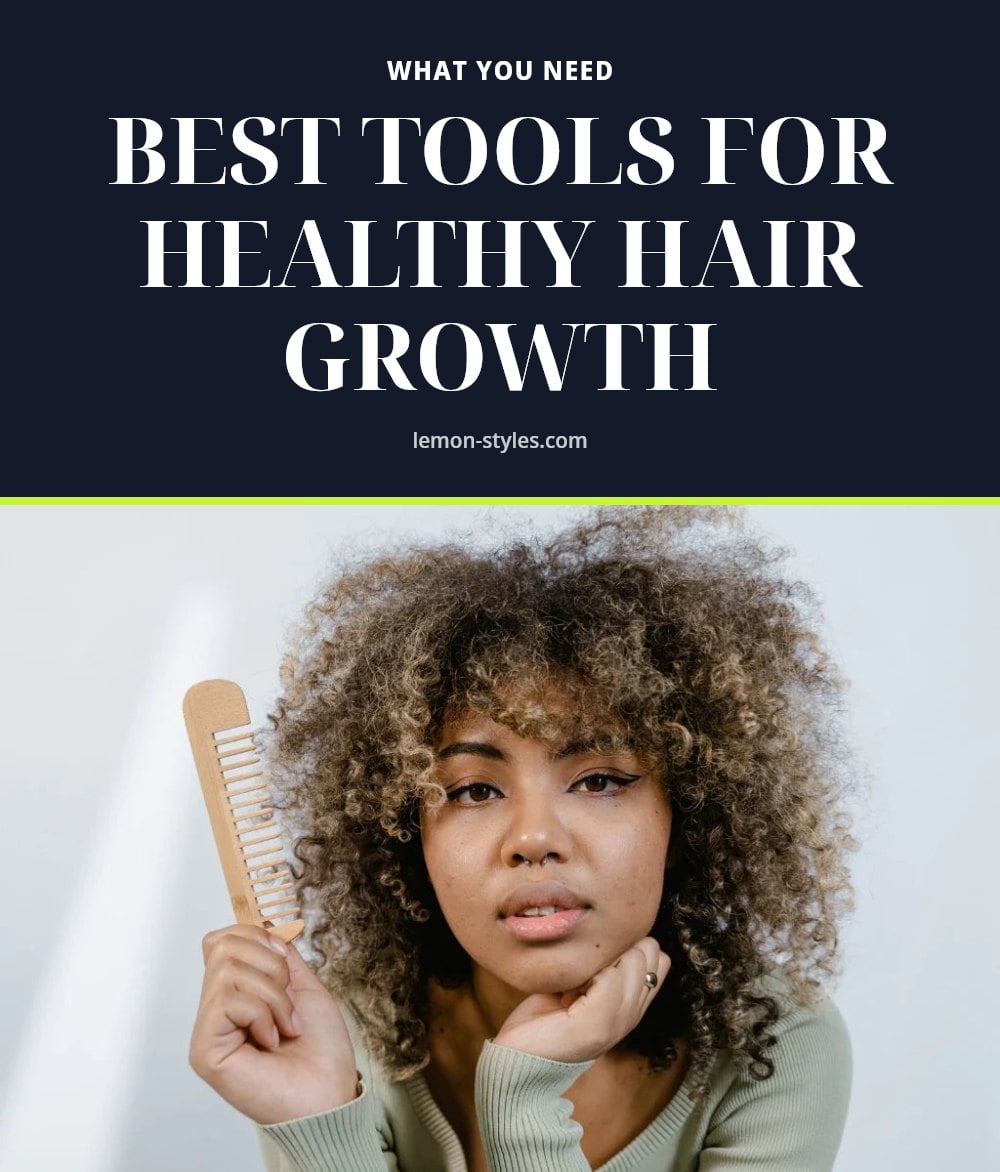
Stocking your bathroom with the right basics makes a real difference. Here is what I keep on hand:
- Sulfate-free shampoo and conditioner: They clean gently without stripping your scalp’s natural oils.
- Wide-tooth comb: The only tool I use on wet hair to prevent breakage.
- Silk or satin pillowcase: Reduces friction while you sleep, so you wake up with fewer tangles and less damage.
- Heat protectant: A must if you ever use a blow dryer, flat iron, or curling wand.
- Carrier oils (coconut, jojoba): Great for scalp massage and sealing in moisture.
- Diluted essential oils (rosemary, peppermint): Optional, but some people find them stimulating for follicles. Always mix with a carrier oil first.
3. Nourishing Your Hair from the Inside Out
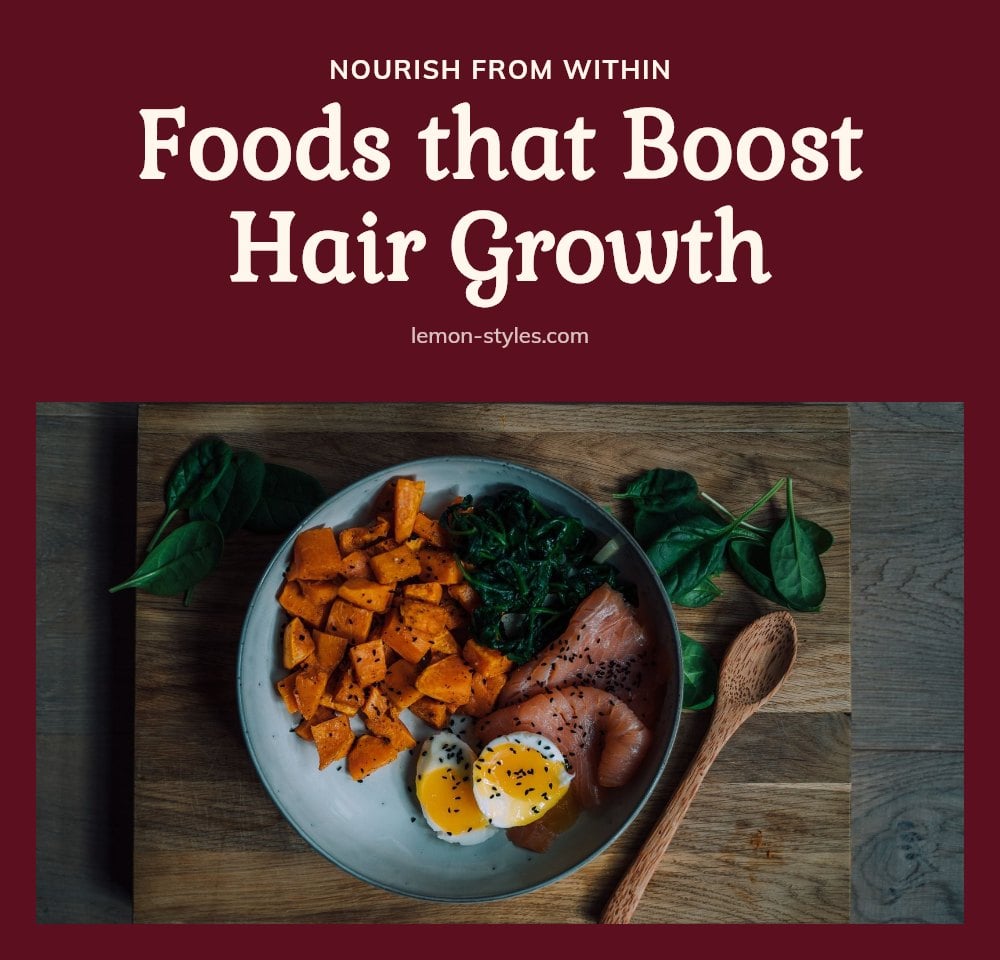
What you eat directly feeds your hair follicles. Hair is mostly a protein called keratin, so adequate protein intake is non-negotiable. I aim to include a source at every meal, eggs, chicken, fish, beans, or lentils.
Beyond protein, several vitamins and minerals play supporting roles. Vitamin C helps your body absorb iron and produces collagen for hair structure. B-vitamins, especially biotin, support keratin production. Iron, zinc, and selenium are also linked to healthy growth cycles. A varied diet rich in vegetables, fruits, lean proteins, and whole grains usually covers these bases.
Think of your hair like a plant
It needs good soil, your body, and proper nutrients to flourish. My tip: if you wouldn’t put a certain food in a smoothie for energy, your hair probably won’t benefit from it either. Focus on whole foods rather than supplements unless a doctor has identified a specific deficiency.
4. Gentle Hair Care Routine to Prevent Breakage
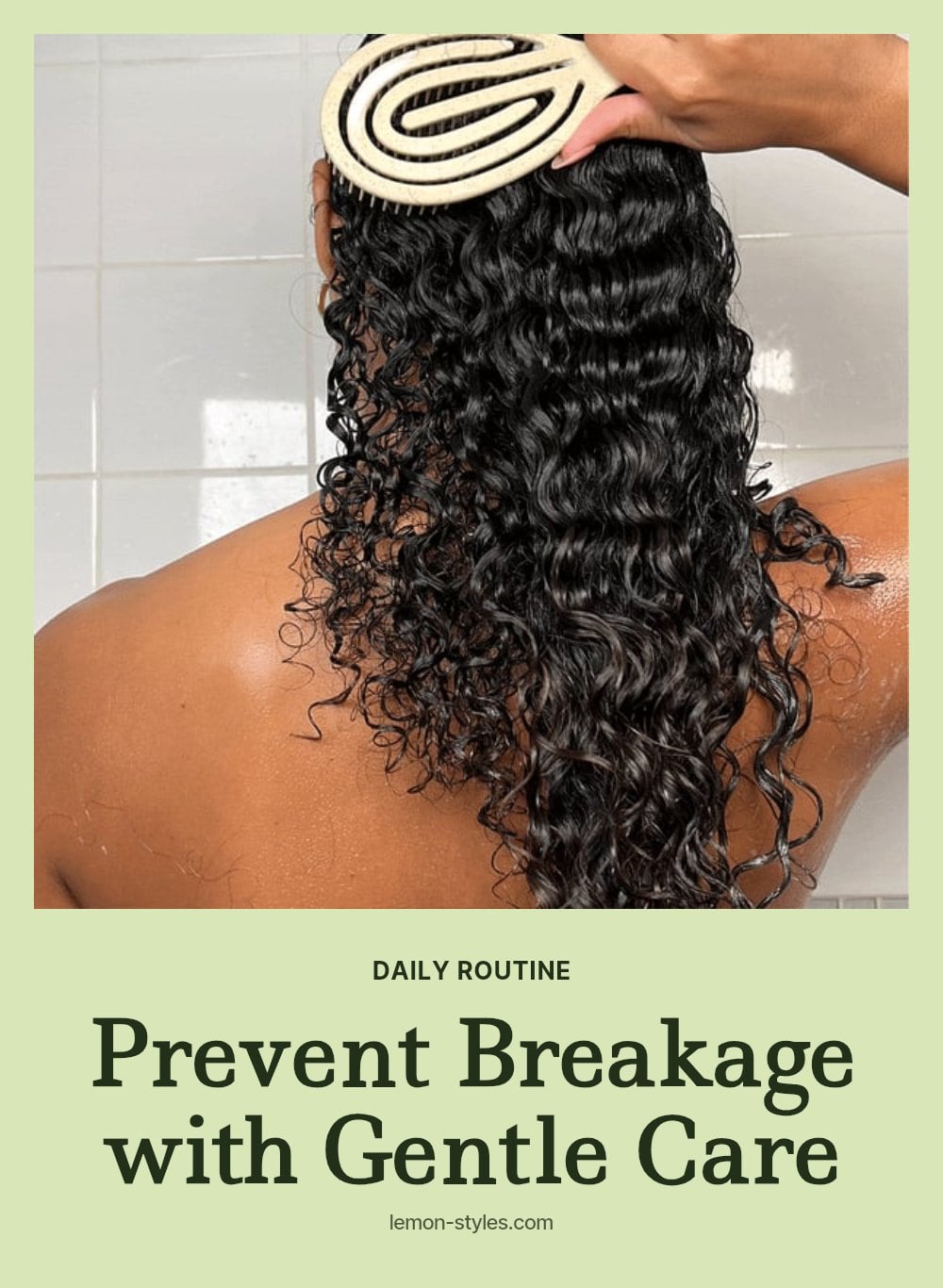
How you handle your hair day to day matters as much as what you put on it. Here is the routine I follow to keep breakage to a minimum:
- Wash gently: Use a sulfate-free shampoo only on your scalp, and apply conditioner from mid-length to ends. This avoids stripping natural oils where they are needed most.
- Detangle wet hair: Hair is most fragile when wet. Use a wide-tooth comb, starting at the ends and working upward in small sections. Never pull through from the roots.
- Rinse with cool water: A quick cool rinse at the end helps seal the hair cuticle, which reduces frizz and makes strands less prone to snagging.
- Limit heat and protect it: Air-dry whenever possible. If you must use heat, always apply a protectant spray first. Keep the temperature on the lower side.
- Shield from the sun: UV rays weaken hair over time. A hat or a leave-in product with UV protection is an easy fix on bright days.
5. Stimulating Your Scalp for Optimal Growth
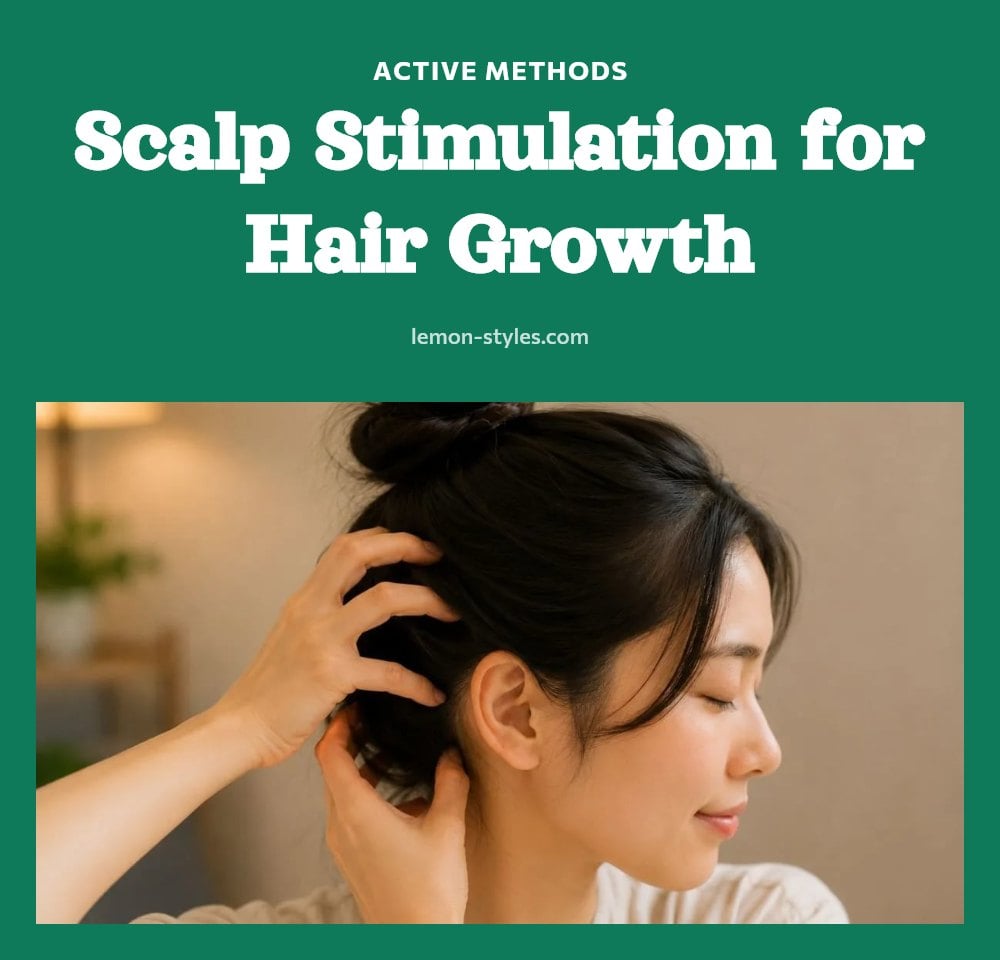
A healthy scalp is the foundation for strong hair growth. I make scalp massage a regular habit because it increases blood circulation to the follicles, which may encourage them to stay in the growth phase longer.
My tip: Work a few drops of a carrier oil like jojoba or coconut oil into your fingertips and massage your scalp in small circles for 3-5 minutes. Do this before washing your hair or as a relaxing pre-bedtime ritual. For an extra boost, some people add a few drops of rosemary or peppermint essential oil to the carrier oil. These oils are sometimes suggested for their potential to stimulate follicles, but always dilute them first and do a patch test on your inner arm to check for sensitivity. Never apply undiluted essential oils directly to your scalp.
6. Common Mistakes That Hinder Hair Growth
Even with the best intentions, a few habits can quietly sabotage your progress. Here are the ones I watch for:
- Believing trims make hair grow faster: Trims remove split ends, which prevents breakage from traveling up the shaft, but they don’t speed up growth at the root.
- Aggressive brushing of wet hair: Hair is most fragile when wet. Always detangle gently with a wide-tooth comb, starting from the ends.
- Ignoring scalp health: Product buildup can clog follicles and hinder growth. A clean, balanced scalp is the foundation for healthy hair.
- Over-shampooing: Washing too often strips natural oils, leading to dryness and potential damage. Stick to 2-3 times a week unless your hair is very oily.
- Expecting overnight results: Hair growth is a slow process. Consistency over months makes the real difference.
7. Lifestyle Habits to Support Healthy Hair

What you do outside your hair care routine matters just as much. These habits support growth from every angle:
- Manage Stress: High stress can disrupt the hair growth cycle and lead to shedding. I find meditation or a short yoga session helps keep cortisol in check.
- Sleep on Silk: A silk or satin pillowcase reduces friction while you sleep, which minimizes breakage compared to cotton.
- Avoid Tight Hairstyles: Constantly pulling your hair back tightly can cause tension and breakage, especially around the hairline. Use soft scrunchies and vary your style.
- Regular Trims: Schedule a trim every 8-12 weeks to remove split ends and maintain overall hair health, preventing damage from traveling up the hair shaft.
8. What to Expect: Timeline for Hair Growth Results
Hair typically grows about 0.5 inches per month, or 6 inches per year. Visible improvements from diet changes, scalp care, and gentle handling usually take at least 3-6 months to become noticeable. Consistency is key because hair growth is a continuous cycle. The good news: most methods involve low to moderate cost for products and tools, so a significant investment is not required.
9. When to Consult a Professional About Hair Loss
If you experience sudden or excessive hair loss beyond normal shedding, it is time to see a doctor or dermatologist. Patchy hair loss, bald spots, or a scalp that feels itchy, red, or painful also warrant professional evaluation. An underlying health condition, a new medication, or significant stress may be contributing to your hair issues. A professional can help identify the cause and recommend appropriate steps, as some conditions require medical treatment rather than lifestyle changes alone.
10. Frequently Asked Questions
How long does it take to see results from hair growth efforts?
Most people notice visible improvements after 3 to 6 months of consistent care. Since hair grows about 0.5 inches per month, changes are gradual. Stick with your routine, and you will likely see less breakage and healthier strands over time.
Can stress really impact hair growth?
Yes, high stress can disrupt the hair growth cycle and lead to increased shedding, a condition called telogen effluvium. Managing stress through meditation, yoga, or adequate sleep can help support healthy hair growth and reduce shedding.
Is it true that trimming hair makes it grow faster?
No, trims do not speed up growth. They remove split ends, which prevents breakage from traveling up the hair shaft, so your hair can appear longer and healthier. Regular trims are still important for maintaining hair health.
What are the best foods for hair growth?
Foods rich in protein, like eggs, chicken, fish, beans, and lentils, are essential because hair is made of keratin. Also include sources of vitamins A, C, D, E, and B, as well as minerals like iron, zinc, and selenium, found in leafy greens, nuts, and whole grains.
Should I wash my hair every day for faster growth?
Washing every day is not necessary and may strip natural oils, leading to a dry scalp. Over-washing can harm scalp health and indirectly affect growth. Find a balance, usually 2 to 3 times a week, using a sulfate-free shampoo to keep your scalp clean without over-drying.
11. Final Thoughts
To grow your hair faster naturally, focus on creating a healthy environment for your strands. Eat a protein-rich diet, handle your hair gently, and make scalp massage a habit. Expect to wait at least 3 to 6 months to see visible changes, since hair grows slowly. Consistency is your best ally, so stick with your routine and give your hair time to respond. If you notice sudden or severe shedding, consult a professional to rule out underlying issues.
This article provides general information and is not a substitute for professional medical advice. If you are experiencing sudden, severe, or patchy hair loss, or have concerns about your scalp, consult a doctor or dermatologist. Always patch test new products and dilute essential oils properly before use.

