
If your nails seem to grow at a snail’s pace or break the moment they get a little length, you’re not alone. The truth is, genetics and overall health largely set your nail growth rate, but that doesn’t mean you’re stuck with weak, short nails. With the right care, you can support healthy growth and reduce breakage, helping your nails look their best.
This article covers the tools, daily habits, and nutrition that can make a real difference, plus what to realistically expect from your nail growth journey.
Key Takeaways
- Fingernails grow about 3 mm per month; toenails about 1 mm.
- File in one direction with a glass or fine-grit file.
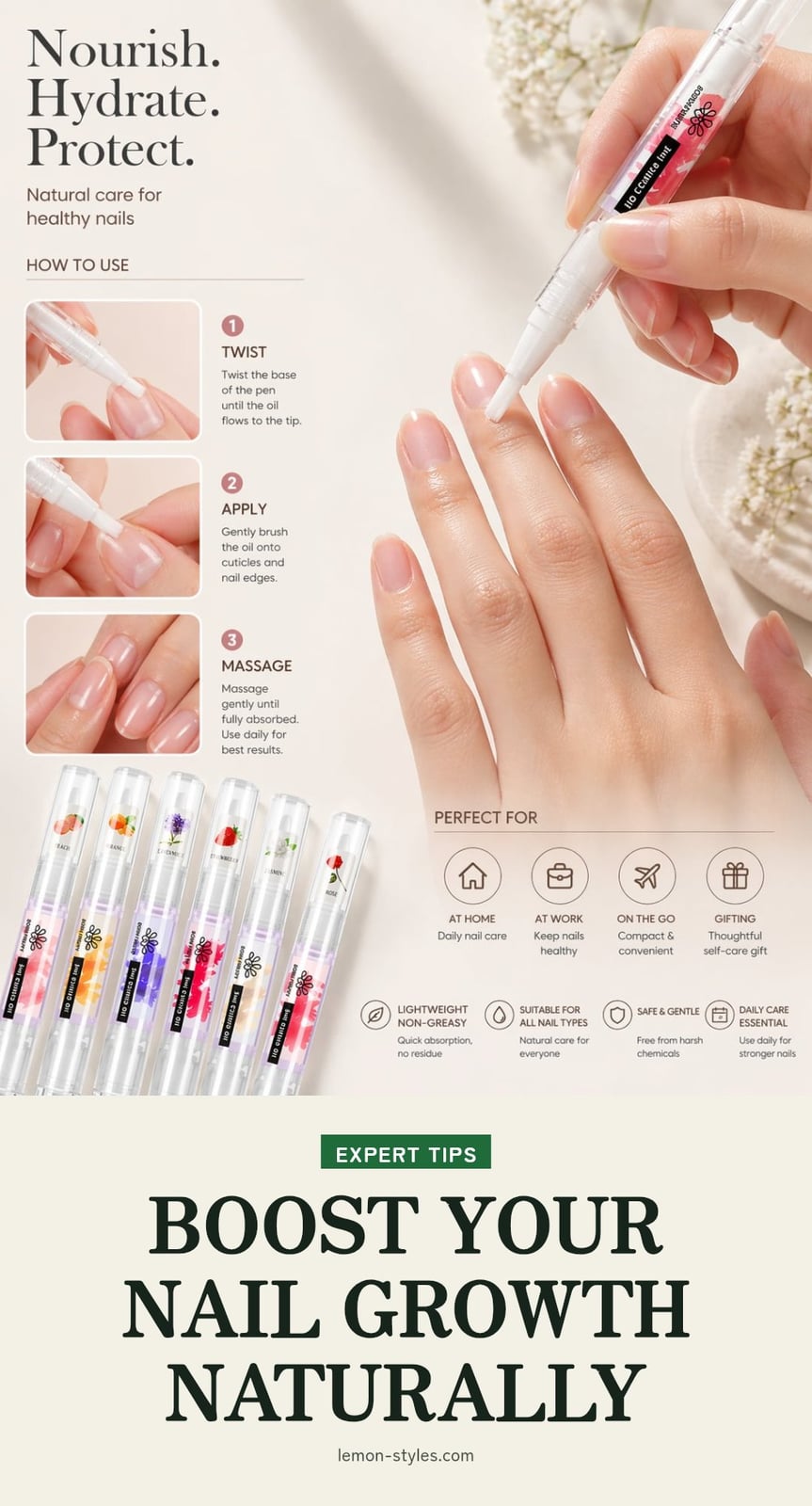
- Moisturize nails and cuticles daily with oil or cream.
- Eat enough protein and stay hydrated for stronger nails.
- See a doctor for persistent discoloration, pain, or swelling.
1. The Truth About How Nails Grow
The truth is, your nail growth rate is mostly set by your genetics and overall health. On average, fingernails grow about 3 millimeters per month, while toenails grow at just 1 millimeter per month. You can’t dramatically speed up that biological clock, but you can absolutely create the best conditions for your nails to grow strong and reach their full length without breaking.
2. Essential Tools for Stronger, Longer Nails
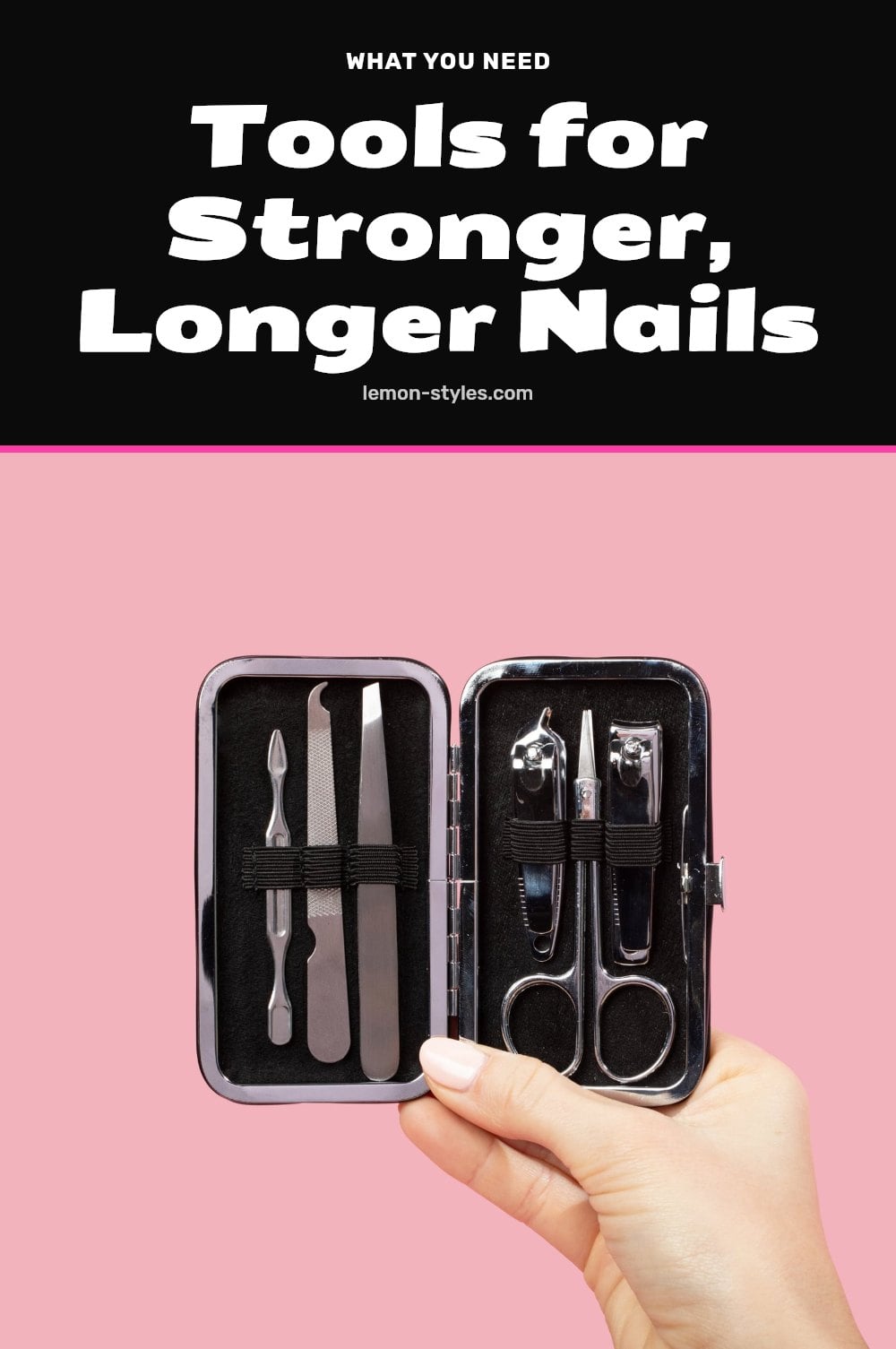
Swapping out a few basic tools can make a real difference in nail health. Here is what you need:
- Glass or fine-grit nail file: These files are gentler than coarse emery boards and leave a smooth edge that resists snags and splits.
- Cuticle oil or rich hand cream: Daily hydration keeps the nail plate flexible and the cuticle area healthy, which supports new growth.
- Protective gloves: Wear them for dishes, cleaning, and gardening to shield nails from harsh chemicals and excess water.
- Acetone-free polish remover: Acetone strips natural oils and dries out nails, so a gentler remover helps prevent brittleness.
3. Daily Habits to Encourage Healthy Nail Growth
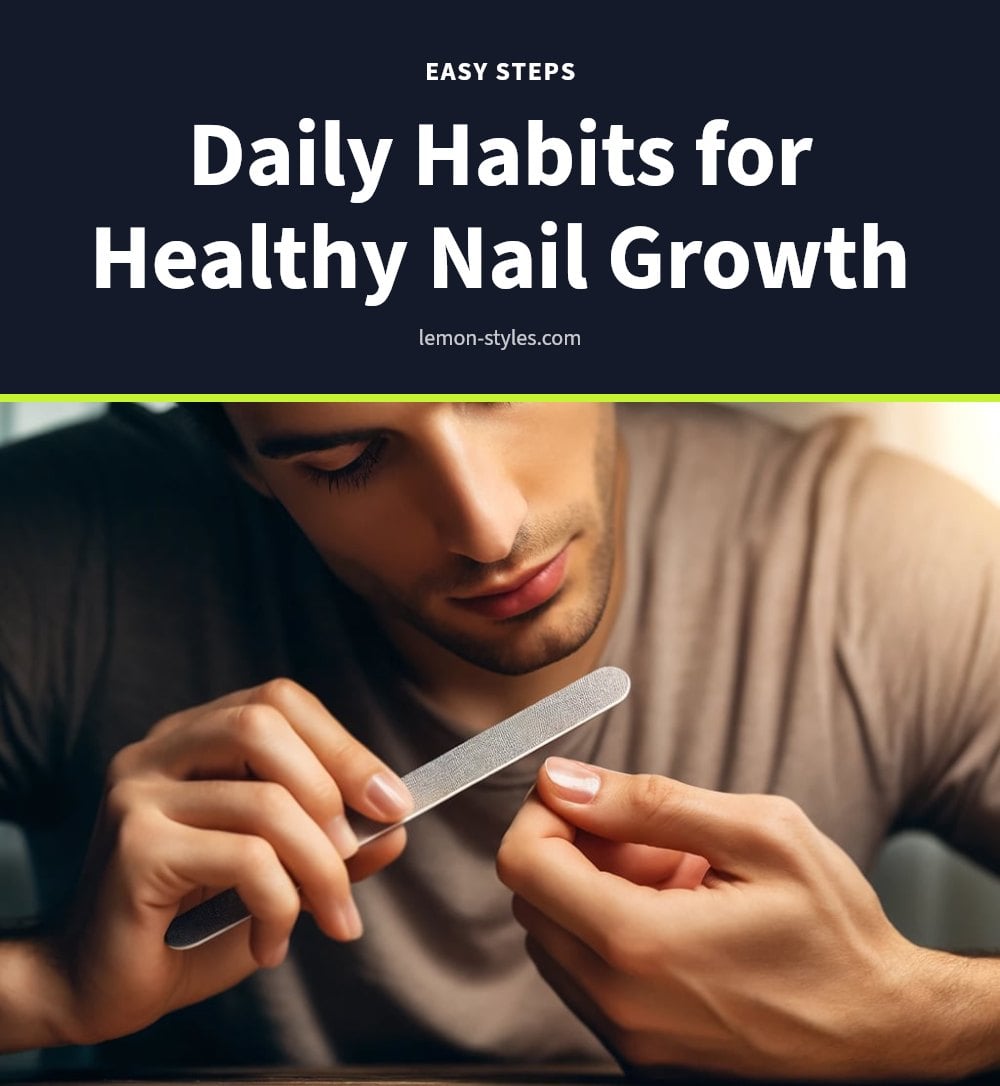
- File in one direction: Always move the file from the side of the nail toward the center in one smooth stroke. Sawing back and forth creates tiny cracks that lead to peeling and breakage.
- Moisturize nails and cuticles daily: Apply cuticle oil or a thick hand cream every night before bed. Keeping the nail plate flexible reduces the chance of cracks and splits as the nail grows out.
- Wear gloves for wet chores: Soaking your hands in water repeatedly swells and shrinks the nail plate, which weakens its structure. Put on rubber gloves for dishwashing, cleaning, or any extended water contact.
- Eat for nail strength: Nails are made of keratin, a protein. Include lean meat, eggs, beans, and nuts in your meals. A balanced diet with plenty of fruits and vegetables also supplies the vitamins and minerals your nail matrix needs to produce healthy cells.
4. Common Mistakes That Hinder Nail Growth
Even with the best products, certain habits can undo your progress. Avoid these common pitfalls:
- Biting or picking at nails: This damages the nail bed and can cause permanent ridges or slow growth in that area.
- Using nails as tools: Opening cans or peeling stickers with your nails puts stress on the nail plate and leads to breaks or splits.
- Over-filing or aggressive buffing: Filing too often or using a harsh buffer thins the nail plate, making it weak and prone to peeling.
- Peeling off gel or acrylics: Ripping off artificial nails takes layers of your natural nail with them, leaving the surface rough and fragile.
- Ignoring cuticle care: The cuticle protects the nail matrix where new growth starts. Pushing or cutting it aggressively can disrupt new nail formation and invite infection.
5. The Role of Nutrition in Strong Nail Development
The Role of Nutrition in Strong Nail Development
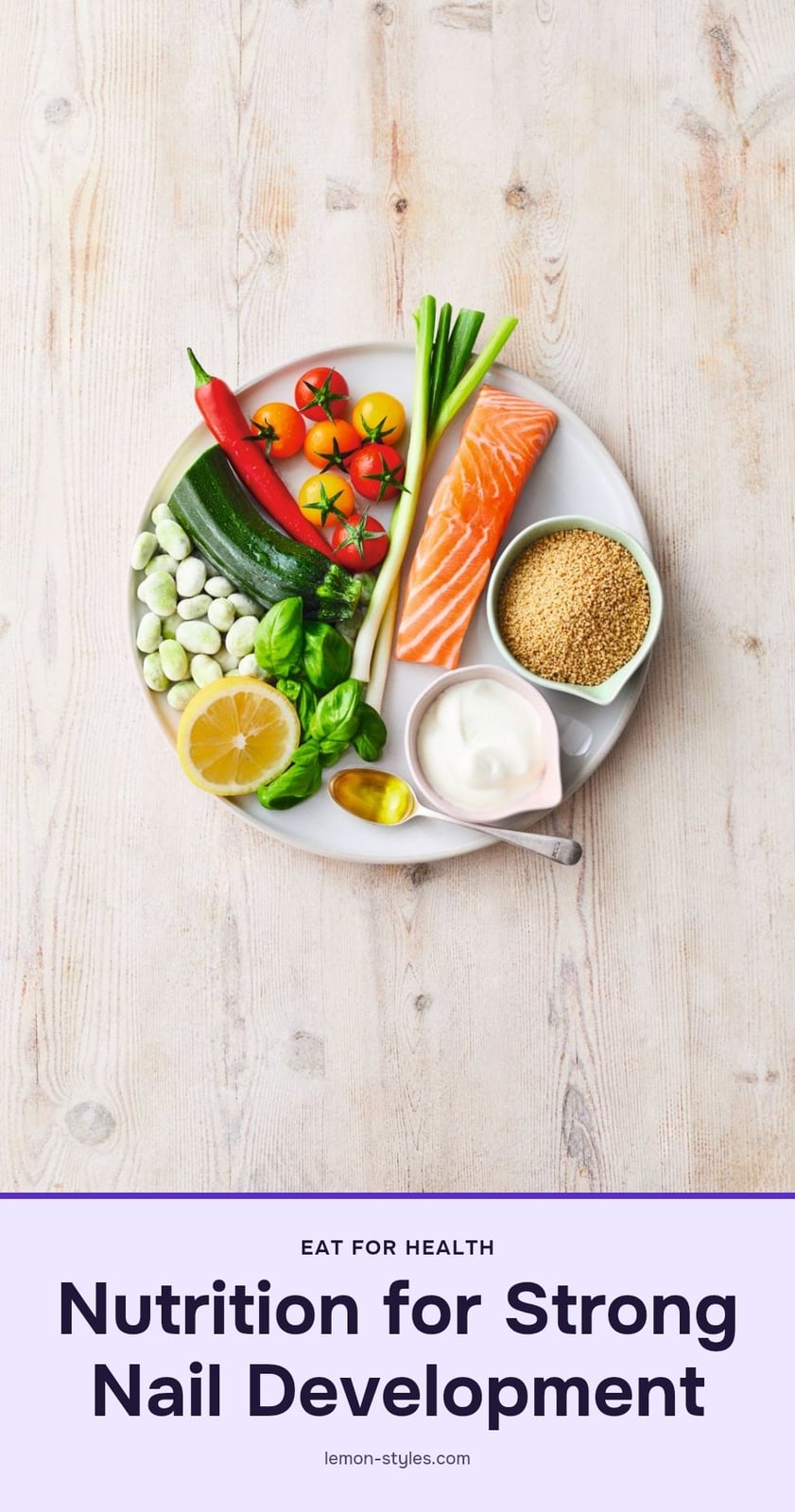
Your nails are made of keratin, a protein, so getting enough protein in your diet is essential for strong growth. Think lean meats, eggs, beans, and nuts. Hydration matters too; water keeps nails flexible and prevents brittle, snap-prone edges. A balanced diet with plenty of fruits and vegetables provides the vitamins and minerals that support overall nail health. Biotin (vitamin B7) is often mentioned for nails, but the evidence for its effectiveness in healthy people is mixed. My tip: talk to a healthcare professional before starting any supplement, including biotin, to see if it’s right for you.
6. What to Expect: Nail Growth Timeline and Results
What to Expect: Nail Growth Timeline and Results
Don’t expect overnight changes. With consistent care, you may notice stronger, less breakable nails within a few weeks to a couple of months. But remember, a full fingernail replacement takes 4 to 6 months, and toenails take 12 to 18 months. Patience and daily habits are what add up to real results.
7. When to Consult a Doctor About Nail Concerns
When to Consult a Doctor About Nail Concerns
While most nail issues are cosmetic, some signs warrant a professional opinion. See a doctor if you notice persistent discoloration, pain, or swelling around the nail. Also seek advice for sudden changes in nail texture or shape, like pitting or splitting. And if you’re considering supplements like biotin, discuss it with your healthcare provider first, especially if you have medical conditions or take medication.
8. Frequently Asked Questions
How long does it take for nails to grow longer?
On average, fingernails grow about 3 millimeters per month, so visible length may take a few weeks to a couple of months. A full fingernail replacement cycle takes 4 to 6 months, while toenails take 12 to 18 months. Patience is key, as growth is largely determined by genetics and health.
Does biotin really help nail growth?
Biotin, or vitamin B7, is often associated with nail health, but scientific evidence for its effectiveness in healthy individuals is mixed. Many people find that a balanced diet with adequate biotin supports nail strength, but it’s not a magic solution. If you’re considering a supplement, talk to your doctor first.
Can stress affect nail growth?
Yes, stress can influence nail growth indirectly. High stress levels may affect your overall health, including hormone balance and nutrition, which in turn can slow growth or cause changes in nail texture. Managing stress through relaxation techniques and a healthy lifestyle may help support normal nail health.
What foods are best for nail health?
Since nails are made of keratin, a protein, foods rich in protein like lean meats, eggs, beans, and nuts are excellent choices. Fruits and vegetables provide vitamins and minerals that support overall nail health, and staying hydrated helps maintain flexibility and prevent brittleness.
Is it bad to wear nail polish all the time?
Wearing polish isn’t inherently bad, but frequent use of harsh removers containing acetone can dry out nails and cuticles. To minimize damage, use an acetone-free remover and give your nails occasional breaks from polish. Always moisturize after removing polish to keep nails hydrated.
9. Final Thoughts
The best approach to healthier nails is a combination of gentle care, protective habits, and good nutrition. Start by swapping your file and adding a daily moisturizing routine; these small changes can reduce breakage within a few weeks. Remember, full nail replacement takes 4 to 6 months for fingernails, so be patient and consistent.
If you notice persistent changes in nail color, texture, or comfort, don’t hesitate to consult a doctor. Otherwise, keep up the routine and let your nails do their thing.
This article is for general informational purposes only and is not a substitute for professional medical advice. If you have persistent nail problems such as discoloration, pain, swelling, or changes in texture, consult a doctor or dermatologist. Always speak with a healthcare professional before starting any supplement.

