You’ve been calling yourself lazy, but that label may be doing more harm than good. The stuck, unmotivated feeling you’re dealing with is usually a sign of something deeper, like overwhelm, unclear goals, exhaustion, or fear of failure. It’s rarely a character flaw.
This article helps you spot the real reason behind the block and gives you practical strategies to move forward. You’ll also find tools, common mistakes to avoid, and guidance on when to get professional help.

Key Takeaways
- Identify the root cause of your ‘laziness’ before trying to force productivity.
- Break big tasks into the smallest possible steps to make starting easier.
- Use the two-minute rule for quick tasks to build momentum.
- Prioritize sleep, nutrition, and movement to support your energy and mood.
- If lack of motivation persists for weeks or comes with hopelessness, consult a professional.
1. Why You Might Be Feeling ‘Lazy’ (It’s Not What You Think)
If you’ve been calling yourself lazy, it’s time to rethink that label. That feeling of being stuck or unmotivated is almost never a character flaw. It’s usually a symptom of something deeper, like overwhelm, unclear goals, exhaustion, fear of failure, or even an underlying mental or physical health issue. Trying to force yourself to be productive without addressing those root causes rarely works long-term. The real fix is to figure out what’s actually going on.
2. Understanding the Real Reasons Behind Your Lack of Motivation

Why Motivation Fizzles Out
Before you try to fix the problem, it helps to know what’s causing it. Here are the most common culprits behind that “lazy” feeling:
- No clear direction: Without a specific goal, your brain has nothing to aim for. A vague task like “get organized” feels overwhelming and leads to procrastination.
- Exhaustion and low energy: Poor sleep, dehydration, or a diet lacking nutrients can drain your energy and make even small tasks feel huge.
- Mental health factors: Depression, anxiety, and ADHD can all make it genuinely hard to start or finish tasks. If this resonates, it’s worth speaking with a professional.
- Fear of failure or perfectionism: Sometimes you avoid a task because you’re afraid you won’t do it perfectly, so it’s safer not to start at all.
- Missing the payoff: If a task feels pointless or doesn’t offer any reward, your brain has no reason to engage.
Once you spot which one applies to you, you can pick the right strategy instead of just pushing harder.
3. Practical Strategies to Overcome Feelings of ‘Laziness’

Strategies That Actually Work
Once you know what’s behind the block, you can use targeted tactics to move forward. Here are the methods I’ve found most effective:
- Name the real problem: Is it fatigue, overwhelm, fear, or something else? Be honest with yourself. My tip: Write down what you’re feeling and see if a pattern emerges.
- Chop tasks into tiny pieces: Instead of “clean the kitchen,” start with “put three dishes in the sink.” The smaller the step, the easier it is to begin.
- Set realistic goals: Aim for one or two meaningful accomplishments per day, not a dozen. Unrealistic expectations set you up for guilt and defeat.
- Prioritize basic self-care: Sleep, water, and a real meal come first. You can’t think straight or feel motivated when you’re running on empty.
- Move your body: Even a five-minute walk can shift your mood and energy. Physical activity is one of the fastest ways to reset your brain.
- Talk to yourself kindly: Replace “I’m so lazy” with “I’m having a hard time starting right now.” Self-compassion lowers the mental resistance that keeps you stuck.
- Create a simple routine: A predictable structure reduces the number of decisions you have to make. Your brain uses less energy when tasks become habits.
- Use the two-minute rule: If a task takes less than two minutes, do it immediately. It’s a sneaky way to build momentum without waiting for motivation.
- Reward every win: Finished a tiny step? Acknowledge it. A quick stretch, a sip of coffee, or a checkmark on your list can reinforce the behavior.
You don’t have to try all of them at once. Pick one or two that address your specific root cause and start there.
4. Essential Tools to Support Your Motivation Journey
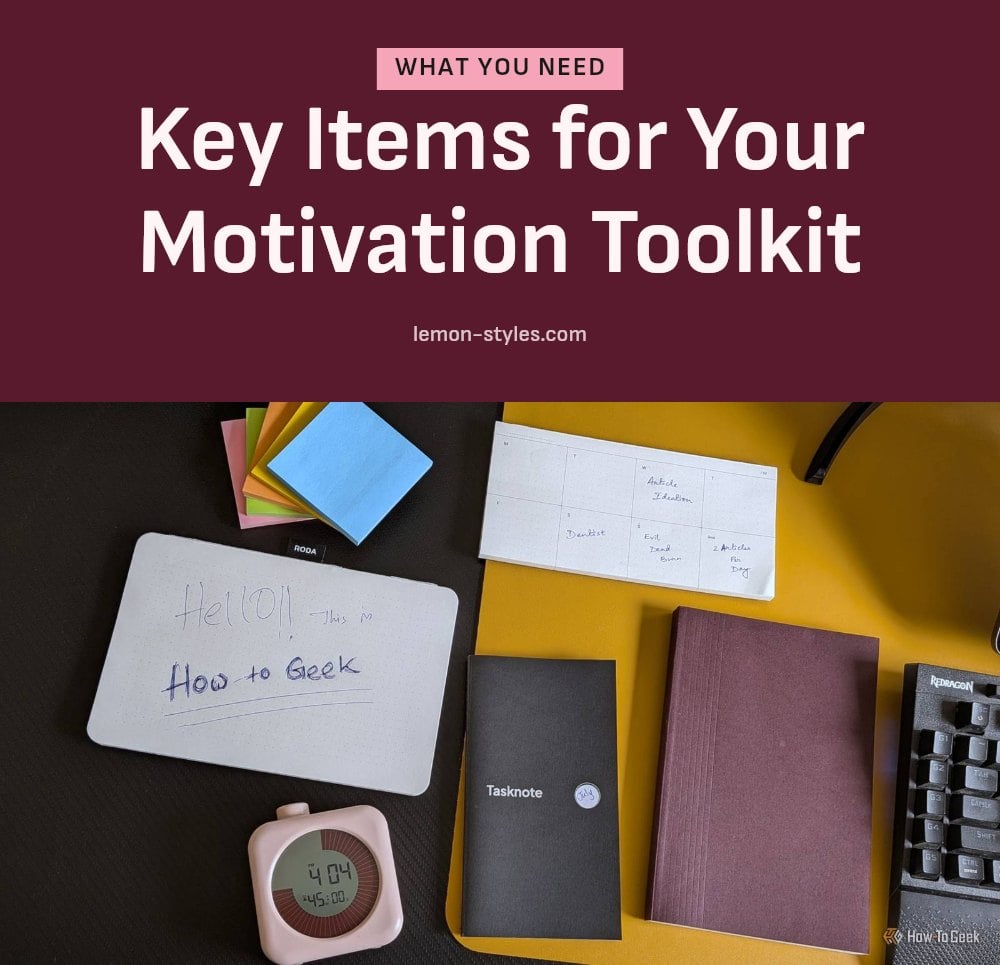
A few simple tools can make these strategies much easier to stick with. Here’s what I keep on hand:
- A planner or calendar: Use it to map out your day and set clear, achievable goals. Seeing your tasks written down reduces mental clutter.
- A journal or notebook: Write down what you’re feeling, what’s blocking you, and what works. Self-reflection helps you spot patterns.
- A timer: Set it for 25 minutes (the Pomodoro Technique) and focus on one small task. When it rings, take a five-minute break. It turns work into a manageable game.
- Comfortable shoes: Keep them by the door so you can step outside for a quick walk. Movement is a direct route to better energy and mood.
5. Common Mistakes That Keep You Stuck and How to Avoid Them
One of the biggest traps is believing ‘laziness’ is who you are. It’s not a fixed trait, it’s a state. Focus on the behaviors you can change and the underlying causes, not on labeling yourself.
Another common mistake is trying to force productivity while ignoring what’s really going on. If you’re exhausted or afraid, willpower won’t fix it. Prioritize self-care and address fear directly. Also, setting unrealistic expectations sets you up for guilt. Break tasks into small steps and celebrate each win.
Don’t neglect your physical health. Sleep, nutrition, and movement directly affect your energy. And stop waiting for motivation to strike. Start with tiny, consistent efforts, even when you don’t feel like it. Tackle one manageable step at a time instead of the whole project.
6. Building Habits to Maintain Motivation and Prevent Future Slumps

To keep motivation steady, build routines that reduce the mental effort of starting. A simple morning or evening routine can make tasks feel automatic.
Review your goals regularly and adjust them so they stay relevant and inspiring. Keep your environment organized and supportive, it’s easier to act when your space isn’t cluttered.
Practice self-compassion and positive self-talk daily. And never skip the basics: sleep, nutrition, and movement are the foundation for sustained energy. Make them non-negotiable.
7. What to Expect: Timeline and Investment in Your Well-being
Some improvements show up right away. Using the two-minute rule or breaking a task into one small step can give you an immediate sense of progress.
Deeper changes in motivation and habits take longer, often weeks or months of consistent effort. The main cost is your time and attention, not money. A planner or journal is a minimal investment that pays off in clarity and structure.
8. When to Seek Professional Help for Persistent Lack of Motivation
If your lack of motivation persists for weeks, or if it comes with fatigue, hopelessness, or other signs of depression or anxiety, talk to a healthcare professional. These symptoms can point to an underlying condition that needs proper care.
Avoid self-diagnosing or relying only on self-help when you suspect a deeper issue. A doctor or therapist can help you figure out what’s really going on and guide you toward the right support.
9. Frequently Asked Questions
Is ‘laziness’ a real personality trait?
No, ‘laziness’ is not a fixed personality trait. It’s usually a temporary state or a symptom of underlying issues like fatigue, overwhelm, or fear of failure. Labeling yourself as lazy can actually make it harder to take action, so focus on behaviors you can change instead.
How can I stay motivated for long-term goals?
Break long-term goals into smaller milestones and reward yourself for hitting them. Review your goals regularly to keep them relevant and inspiring. Build routines that reduce the mental effort of starting, and remember that motivation often follows action, not the other way around.
What if I don’t feel like doing anything at all?
Start with the smallest possible step, even if it’s just two minutes. If that feels impossible and the feeling persists for weeks or comes with hopelessness, talk to a healthcare professional. It could be a sign of depression or another condition that needs proper care.
Can diet and exercise really impact my motivation?
Yes, what you eat and how much you move can significantly affect your energy and mood. Poor nutrition and lack of physical activity can leave you feeling drained and unmotivated. Even small amounts of exercise and balanced meals can help boost your energy levels and improve your mindset.
How long does it take to overcome feelings of ‘laziness’?
It varies. Some improvements, like using the two-minute rule, can give you an immediate sense of progress. Deeper changes in motivation and habits often take weeks or months of consistent effort. Be patient and focus on small, steady steps rather than quick fixes.
10. Final Thoughts
My advice: pick one small action today, like using the two-minute rule or breaking a task into a single step. Don’t wait for motivation to strike, because action often comes first. Expect some quick wins, but give deeper habit changes weeks or months of consistent effort. Be patient with yourself and focus on progress, not perfection.
This article is for general information only and is not a substitute for professional medical or mental health advice. If you’re struggling with persistent lack of motivation, fatigue, or feelings of hopelessness, consult a doctor or mental health professional. Self-help strategies work best alongside proper care when needed.