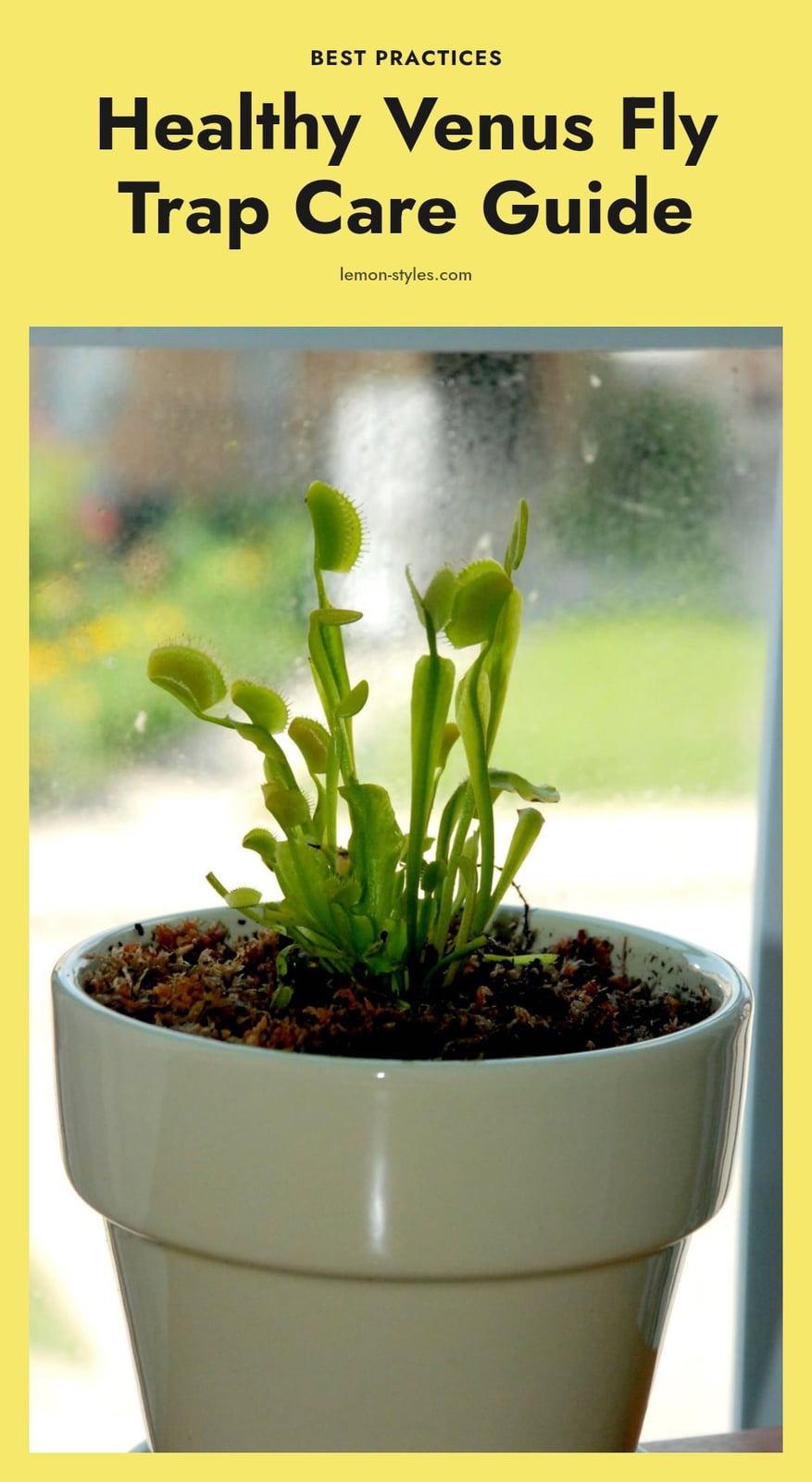
Getting a Venus flytrap to thrive indoors isn’t as hard as you might think, but it does require a few non-negotiable rules. Forget the tap water and regular potting soil, and instead focus on giving it lots of direct sun and mineral-free water. This article covers everything you need to know about watering, feeding, lighting, and dormancy so you can keep your carnivorous plant healthy year after year.
Key Takeaways
- Use only distilled, rainwater, or reverse osmosis water for your Venus flytrap.
- Provide at least 4-6 hours of direct sunlight daily or strong artificial grow lights.
- Allow a 3-5 month winter dormancy period with reduced light and cooler temperatures.
- Feed live insects that fit inside the trap only every 2-4 weeks if no prey is caught.
- Repot every 1-2 years using a 1:1 peat moss and perlite mix.
1. How to Care for Your Venus Flytrap
Venus flytraps are not your average houseplant. They need at least 4-6 hours of direct sunlight daily, water that contains no minerals (distilled, rainwater, or reverse osmosis only), and consistently moist soil made from a peat moss and perlite mix. A winter dormancy period of 3-5 months is non-negotiable for long-term health. Skip tap water, regular potting soil, and poking the traps. Do that, and your plant will thrive.
2. Essential Supplies for Your Venus Flytrap
Here is what you need to get started.
- Venus flytrap plant: Choose a healthy specimen with active traps that snap shut quickly.
- Distilled, rainwater, or reverse osmosis water: Tap water contains minerals that will harm the plant.
- Peat moss and perlite or horticultural sand: A low-nutrient growing medium, mixed 1:1.
- Plastic pot with drainage holes: Essential for drainage and moisture retention.
- Shallow tray: For the tray method of watering.
- Grow lights: Needed if natural light is less than 4-6 hours daily.
- Small live insects: Optional, for feeding if the plant is not catching its own food.
3. Step-by-Step: Growing a Thriving Venus Flytrap
Follow these steps for a healthy Venus flytrap.
- Choose the right location: Place your plant where it gets at least 4-6 hours of direct sunlight daily. A south-facing window is ideal.
- Prepare the correct soil mix: Combine peat moss and perlite (or horticultural sand) in a 1:1 ratio. Make sure it has no added fertilizers.
- Pot your plant: Gently repot into a plastic pot with drainage holes. Be careful not to damage the roots or traps.
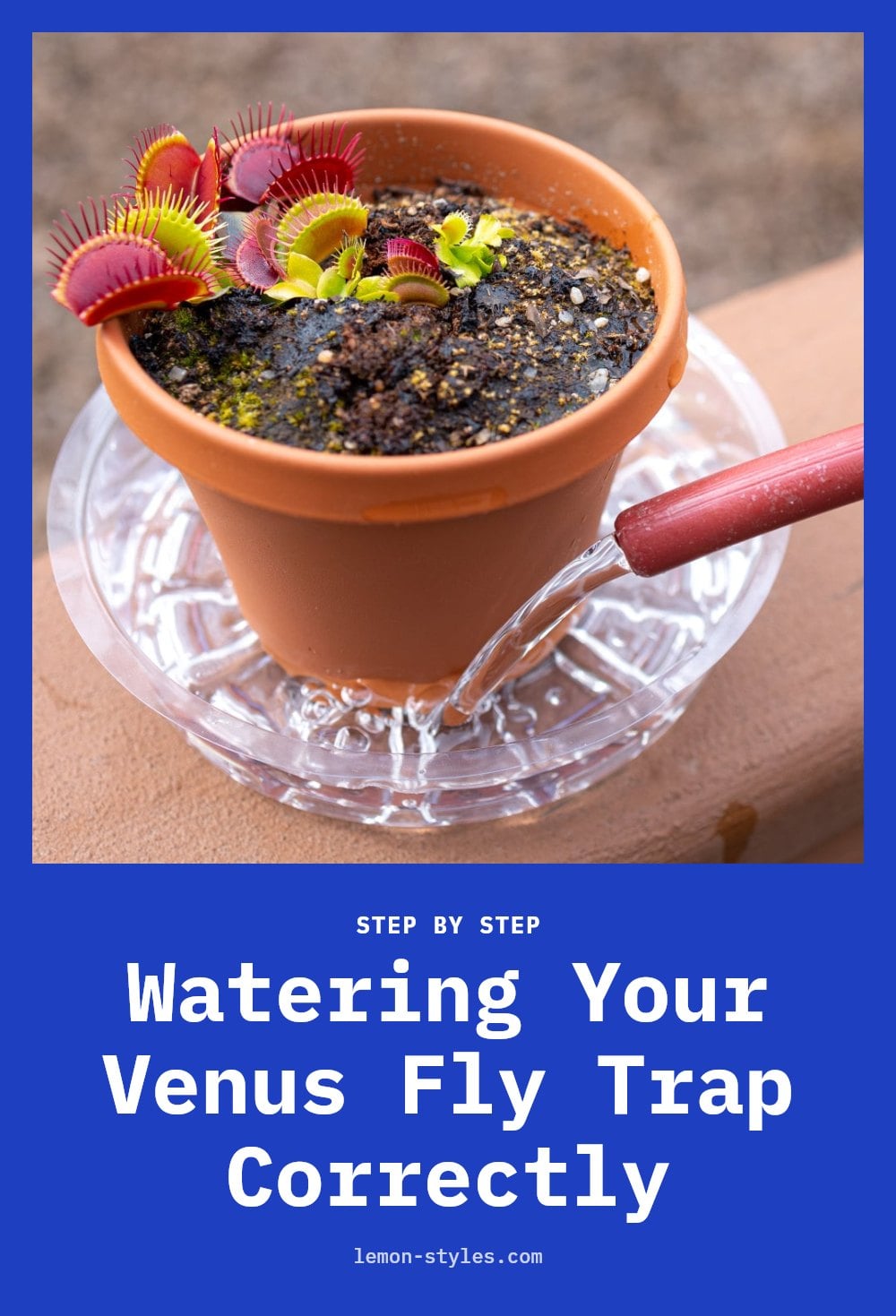
- Water properly: Use only distilled, rainwater, or reverse osmosis water. Keep the soil consistently moist using the tray method. Fill the tray with about an inch of water.
- Understand feeding: Only feed live insects that fit completely inside the trap every 2-4 weeks if the plant is not catching its own. Each trap can only close 5-7 times before it dies.
- Ensure dormancy: In winter, provide a cool, dormant period of 3-5 months. Reduce light and watering, but keep the soil slightly moist. This is crucial for long-term health.
4. Common Venus Flytrap Care Mistakes to Avoid
Avoid these common mistakes to keep your Venus flytrap alive.
- Using tap water: The minerals in tap water are toxic and will slowly kill your plant. Always use distilled, rainwater, or reverse osmosis water.
- Planting in regular potting soil: Standard potting mixes contain fertilizers that burn the roots. Stick to a peat moss/perlite blend.
- Not enough light: Venus flytraps need strong, direct light. Low light leads to weak growth and small, ineffective traps.
- Forgetting dormancy: Without a winter dormancy period, your plant will eventually weaken and die. Provide a cool, less active phase.
- Triggering traps unnecessarily: Each trap has a limited number of closures before it dies. Do not poke or play with the traps.
- Overfeeding or feeding dead insects: Overfeeding can lead to rot. Dead insects often do not trigger the full digestion process, causing the trap to rot.
5. Pro Tips for a Healthy Venus Flytrap
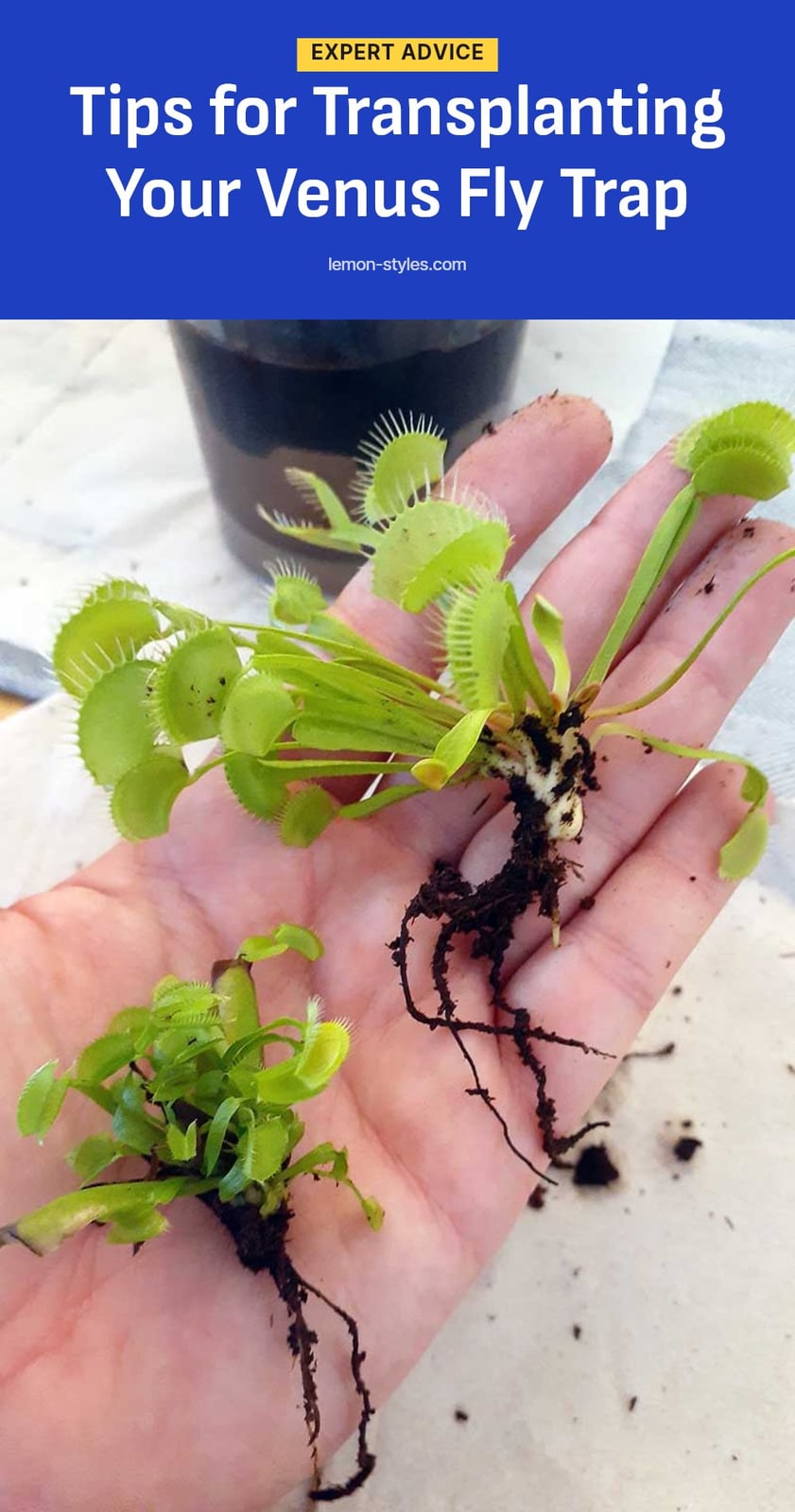
Repot every 1-2 years to refresh the growing medium. This prevents mineral buildup and gives your plant fresh nutrients from the peat moss, not fertilizer. Use the same 1:1 peat moss and perlite mix each time.
If you live in USDA zones 7-10, consider moving your flytrap outdoors. In full sun, it will catch its own food and grow stronger than it ever could indoors. Even indoors, if your plant attracts flies, let it feed itself. Supplemental feeding is only for hungry indoor plants that aren’t catching anything.
Don’t panic if traps blacken. Older traps naturally die off after closing multiple times or digesting prey, and new ones will grow in their place.
My tip: Always check the water source. Distilled water is the easiest and most reliable if you don’t collect rainwater.
6. Post-Dormancy and Ongoing Maintenance
As spring approaches, gradually increase light and watering to transition your plant out of dormancy. New growth signals the end of the resting phase.
Maintain the tray method during active growth, ensuring the soil never dries out completely. Check the tray daily in warm weather.
Monitor for pests like aphids or mealybugs. Use horticultural oil or neem oil if needed, and avoid harsh pesticides that can damage the plant.
Observe trap health regularly. If traps aren’t closing properly, it could mean insufficient light or improper feeding. Healthy traps snap shut quickly when triggered.
7. Venus Flytrap Care Timeline and General Costs
Repotting: Every 1-2 years to refresh the growing medium.
Feeding: Once every 2-4 weeks if the plant isn’t catching its own prey.
Dormancy: 3-5 months during winter, starting around late fall.
Initial Cost: A Venus flytrap plant typically costs $10-$30, depending on size and variety.
Ongoing Costs: Distilled water is the main recurring expense, plus occasional peat moss and perlite for repotting.
8. Frequently Asked Questions
How often should I feed my Venus flytrap?
You only need to feed your Venus flytrap if it is not catching its own prey. In that case, offer one small live insect every 2-4 weeks during the active growing season. Overfeeding can stress the plant, so less is more.
Can Venus flytraps live outdoors?
Yes, Venus flytraps can live outdoors in USDA zones 7-10, where winters are mild but still cool enough to trigger dormancy. If you live outside these zones, keep it indoors or bring it inside during extreme cold.
What kind of pot is best for a Venus flytrap?
A plastic pot with drainage holes is best for a Venus flytrap. Terracotta or clay pots can leach minerals into the soil, which can harm the plant. The pot should sit in a shallow tray of water for the tray watering method.
Why are my Venus flytrap’s traps turning black?
Individual traps naturally turn black and die after closing 5-7 times. This is normal. However, if many traps blacken at once, it could be due to tap water, insufficient light, or overfeeding. Check your care conditions.
Do Venus flytraps need fertilizer?
No, Venus flytraps do not need fertilizer. They get nutrients from the insects they digest. Fertilizer, especially in the soil, can burn the roots and kill the plant. Stick to the peat moss and perlite mix.
9. Final Thoughts
My tip: the single most important rule is to never use tap water. Stick with distilled or rainwater, give it a sunny window, and don’t skip the winter dormancy. Expect your plant to slow down and lose some traps in winter, then bounce back in spring. With these basics, your Venus flytrap can be a long-lasting, fascinating houseplant.