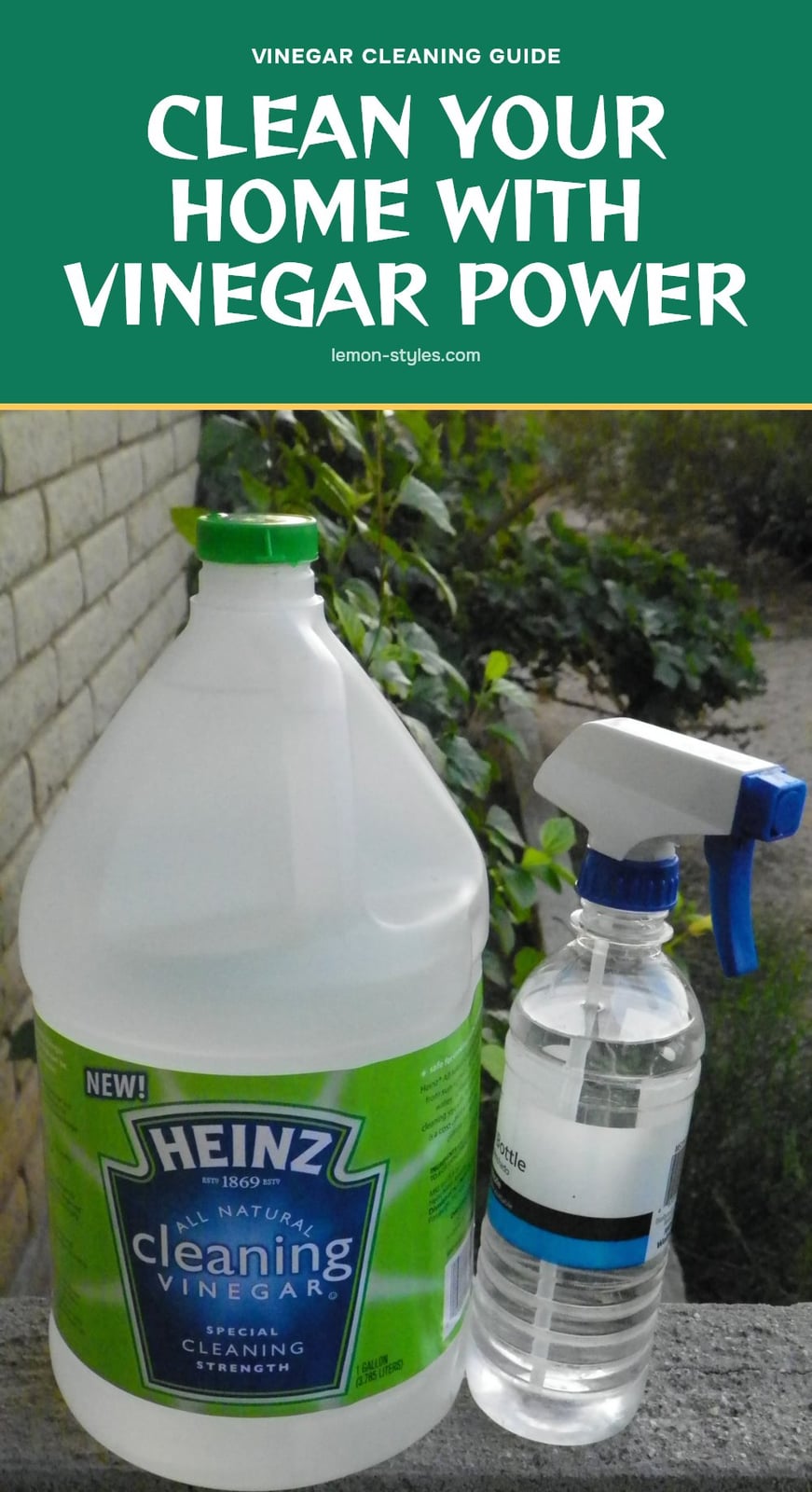
If you are looking to cut down on harsh chemicals in your home, white distilled vinegar is a fantastic starting point. Its natural acidity tackles everything from cloudy glass to stubborn mineral deposits without a hefty price tag. This article covers the most effective ways to use vinegar for cleaning, where it works best, and the common pitfalls to avoid so you can clean smarter.
Key Takeaways
- Always dilute white vinegar with water in a 1:1 ratio for general cleaning tasks.
- Never use vinegar on natural stone surfaces like marble or granite to avoid etching.
- Use undiluted vinegar for hard water stains and soap scum, letting it sit for 15-30 minutes.
- Rinse surfaces thoroughly after cleaning to remove any faint vinegar residue or smell.
- Keep vinegar and bleach separate at all times to prevent toxic chlorine gas.
1. Your Go-To Guide for Cleaning with Vinegar
White distilled vinegar, with its 5% acetic acid, is a powerhouse natural cleaner for many household tasks. It cuts through hard water stains, soap scum, grease, and odors without harsh chemicals. For general cleaning, always dilute it with water (a 1:1 ratio works well) and test on an inconspicuous spot first. Skip it on natural stone, waxed surfaces, cast iron, and electronic screens to avoid damage.
2. 1. Sparkling Glass and Mirrors
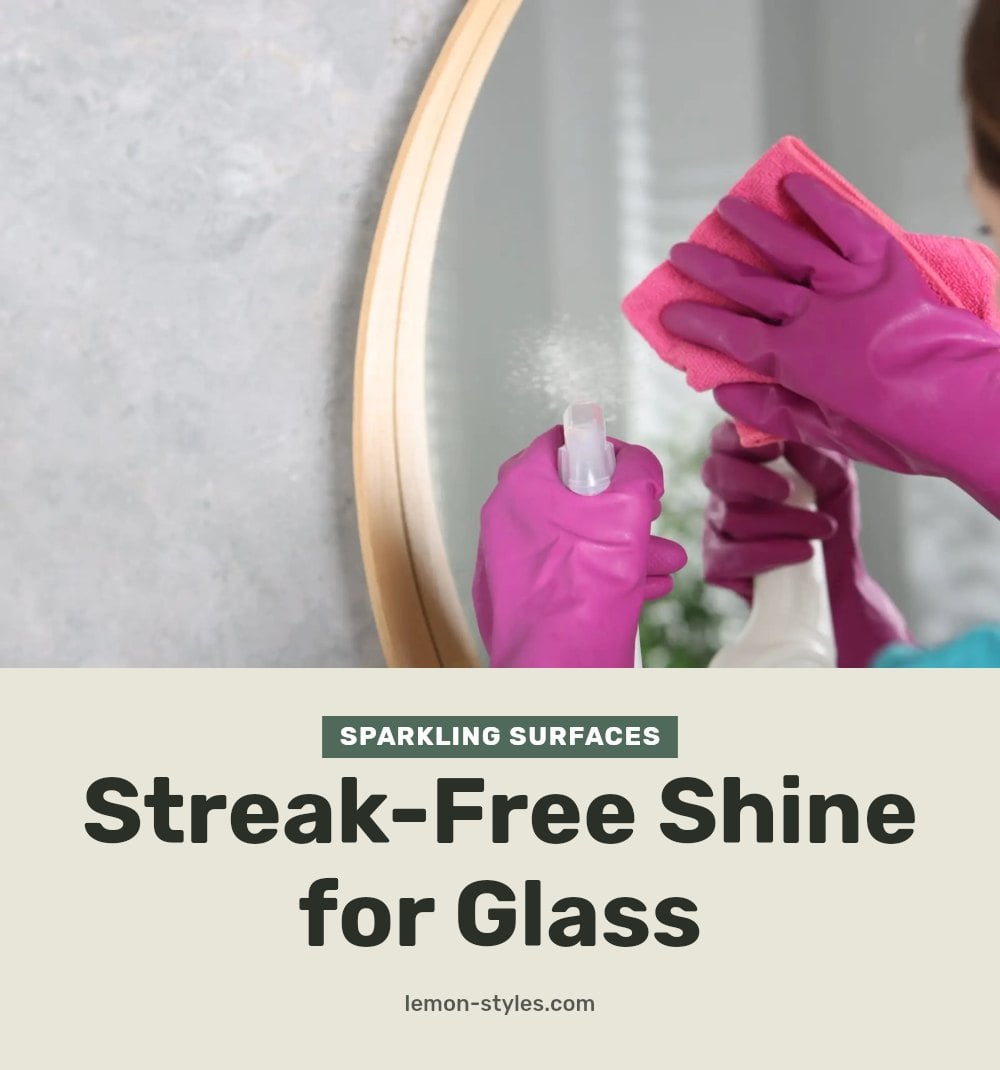
Mix equal parts white vinegar and water in a spray bottle. Spray directly onto glass or mirrors and wipe with a clean microfiber cloth for streak-free results. The acid dissolves grime without leaving residue.
- Work in a zigzag pattern to avoid streaks.
- My tip: Use crumpled newspaper for an extra shine. It polishes better than cloth and leaves no lint.
3. 2. Banishing Hard Water Stains
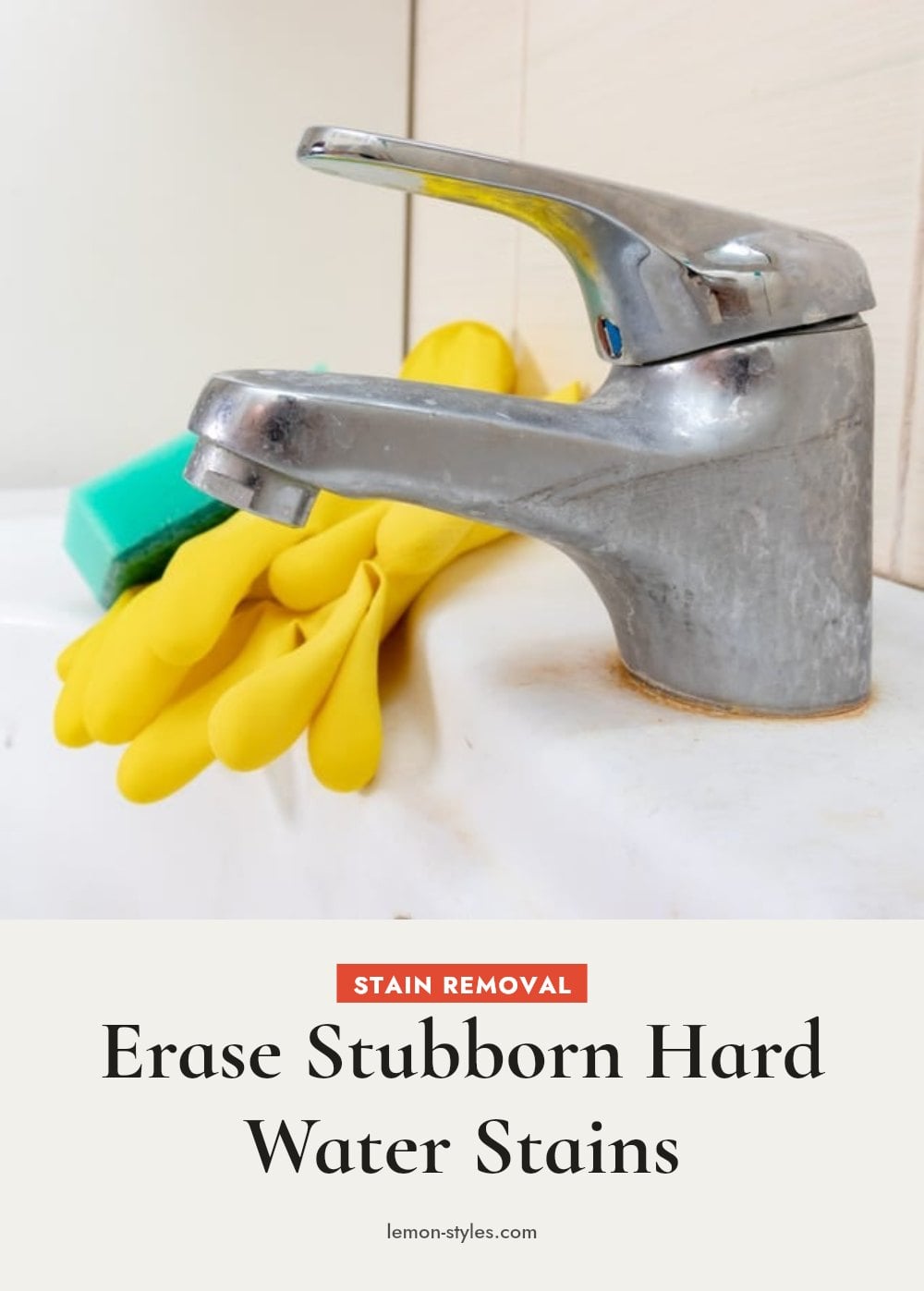
Apply undiluted white vinegar directly to hard water stains on faucets, showerheads, and tiles. The acidity dissolves mineral deposits that plain water can’t budge.
- Let it sit for 15-30 minutes to penetrate the buildup.
- Scrub with a brush or sponge, then rinse thoroughly.
- For stubborn spots, repeat or use a toothbrush for tight corners.
4. 3. Descaling Coffee Makers and Kettles

Fill the water reservoir with a 1:1 solution of white vinegar and water. Run a brewing cycle (or boil in a kettle) then discard the solution. This dissolves limescale and mineral buildup inside.
- Follow with two cycles of plain water to rinse completely.
- For kettles, let the solution boil, then sit for 15 minutes before pouring out.
- Do this monthly to keep your appliances efficient.
5. 4. Shining Stainless Steel Appliances
Spray a light mist of diluted vinegar (1:1 with water) onto stainless steel surfaces. The acidity cuts through grease and fingerprints without damaging the finish. Wipe immediately with a clean microfiber cloth, always following the grain of the steel to avoid streaks.
My tip: After wiping, apply a tiny dab of olive oil to a separate cloth and buff the surface. This adds extra shine and helps prevent future fingerprints from sticking.
6. 5. Tackling Soap Scum in Bathrooms

For stubborn soap scum buildup, use undiluted white vinegar. Spray or apply it directly to tubs, shower walls, and sinks. The acetic acid breaks down the soap residue and mineral deposits that form that cloudy film.
Let it sit for at least 10 minutes before scrubbing with a brush or sponge. Rinse thoroughly with water to remove all residue and prevent any lingering vinegar smell.
7. 6. Deodorizing Drains and Garbage Disposals
Pour one cup of white vinegar down the drain, then follow with half a cup of baking soda. The fizzing reaction helps dislodge grime and food particles while neutralizing odors mechanically.
Let the mixture work for 15-30 minutes. The bubbles push debris loose and the vinegar deodorizes. Flush with hot water to rinse everything away and leave the drain fresh.
8. 7. Cleaning and Deodorizing Microwaves

Combine 1 cup of water and 1/4 cup of white vinegar in a microwave-safe bowl. The vinegar steam softens dried-on food and neutralizes odors inside the appliance.
Heat on high for 5 minutes. Let the bowl sit inside for another minute to let the steam work. Carefully remove the bowl (it will be hot) and wipe down the interior with a sponge or cloth. Grime wipes away easily without scrubbing.
9. 8. Refreshing Cutting Boards
Spray or wipe undiluted white vinegar directly onto wooden or plastic cutting boards. The acidity helps reduce bacteria and neutralize lingering odors from garlic, onions, or fish. Let it sit for a few minutes before rinsing thoroughly with water. Allow the board to air dry completely to prevent warping or cracking.
10. 9. Shining Chrome Fixtures

Dampen a cloth with undiluted white vinegar and wipe down chrome faucets, showerheads, and towel racks. The acid dissolves water spots and mineral residue, restoring the original shine. Buff immediately with a dry microfiber cloth for a brilliant, streak-free finish.
11. 10. Cleaning Mildew from Non-Porous Surfaces
Spray undiluted white vinegar directly onto mildew spots on non-porous surfaces like tiles, shower curtains, or plastic. The acidity breaks down mildew and kills spores over time. Let it sit for at least an hour to penetrate the growth, then scrub with a brush. Rinse well to remove loosened mildew and any vinegar residue.
12. 11. Cleaning Your Dishwasher
Place a bowl filled with one cup of white vinegar on the top rack of an empty dishwasher. Run a hot water cycle to descale the interior, dissolve mineral deposits, and neutralize odors. My tip: This also helps clean the spray arms and filter, keeping your machine running efficiently.
13. Common Vinegar Cleaning Mistakes to Avoid
Mixing with Bleach: Never combine vinegar with bleach. This creates toxic chlorine gas, which is extremely dangerous. Always use them separately.
Using on Natural Stone: Vinegar’s acidity will etch and dull marble, granite, and travertine. Use a pH-neutral cleaner for those surfaces instead.
Applying to Waxed Surfaces: Vinegar strips wax finishes from furniture or floors, leaving them dull and unprotected. Stick to products designed for waxed surfaces.
Cleaning Electronic Screens: The acid damages anti-glare coatings on TVs, computers, and phone screens. Use a microfiber cloth with plain water or a screen-safe cleaner.
Using on Cast Iron: Vinegar removes the seasoning from cast iron cookware, making it prone to rust. Clean cast iron with mild soap and water, then dry immediately.
Not Rinsing Thoroughly: Always rinse surfaces after cleaning with vinegar to prevent a lingering smell or residue. A final wipe with a damp cloth removes any trace.
14. Frequently Asked Questions
Is vinegar a good disinfectant for all germs?
No, vinegar is not a strong disinfectant against all types of bacteria and viruses. While it can help reduce some germs, it should not be relied on for full sanitization. For high-risk areas like cutting boards used for raw meat, consider using a proper disinfectant or hot soapy water instead.
Can I use apple cider vinegar for cleaning?
It is best to stick with white distilled vinegar for cleaning. Apple cider vinegar can stain surfaces and leave a sticky residue due to its natural sugars and darker color. White vinegar is clear, odorless after drying, and contains the same 5% acetic acid that makes cleaning effective.
How often should I clean with vinegar?
You can use vinegar as often as needed for tasks like glass cleaning, hard water stain removal, or deodorizing. For descaling coffee makers or kettles, once a month is usually enough depending on your water hardness. Always rinse surfaces well after each use to prevent any lingering smell.
Will vinegar leave a strong smell in my home?
The vinegar smell is strong while you are cleaning, but it fades quickly as the surface dries. Proper ventilation helps speed this up. If you find the scent bothersome, you can add a few drops of essential oil to your vinegar-water mix, though this does not affect the cleaning power.
Can vinegar damage appliance finishes?
Yes, vinegar can dull some finishes if left on too long. On stainless steel, wipe it off promptly and always follow the grain. Avoid using vinegar on waxed surfaces, cast iron, or electronic screens, as it can strip coatings or cause rust. A quick test in an inconspicuous area is always wise.
What is the best way to store vinegar for cleaning?
Keep white distilled vinegar in its original bottle or a labeled spray bottle away from direct sunlight and heat. A dark, cool cabinet works well. If you mix a vinegar-water solution, label it clearly and use it within a few weeks for best results, as the acidity remains effective but the mix can degrade over time.
15. Final Thoughts
For most everyday messes, a simple spray bottle of diluted white vinegar will become your go-to. Just remember that it is not a strong disinfectant, so save it for dissolving grime and deodorizing rather than sanitizing. With proper ventilation and a quick test on any new surface, you can enjoy sparkling results without the chemical fumes.