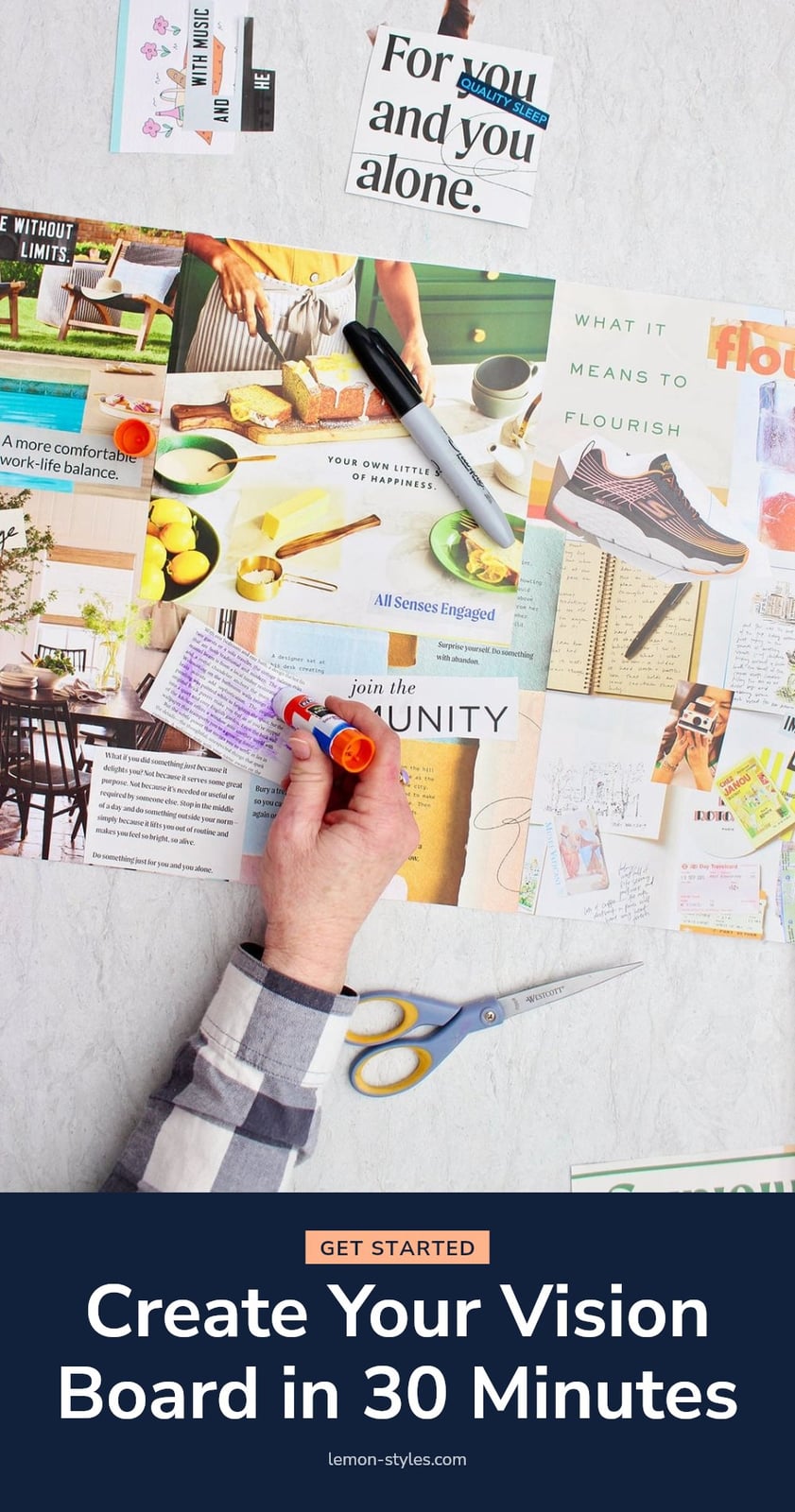
You have goals swirling in your head, but turning them into something real feels overwhelming. A vision board is the simple, creative tool that brings those dreams into clear focus. This guide walks you through making your own vision board in just 30 minutes, from gathering supplies to placing it where it will inspire you daily.
Key Takeaways
- Reflect on your true desires for career, relationships, health, and growth before you start.
- Gather a poster board, magazines, scissors, glue, and markers before you begin cutting.
- Choose images and words that evoke strong positive emotions, not just pretty pictures.
- Place your finished board where you will see it every day, like near your desk or mirror.
- Review your board regularly and take small actions toward your goals; the board is a tool, not a magic solution.
1. What is a Vision Board and Why Should You Make One?
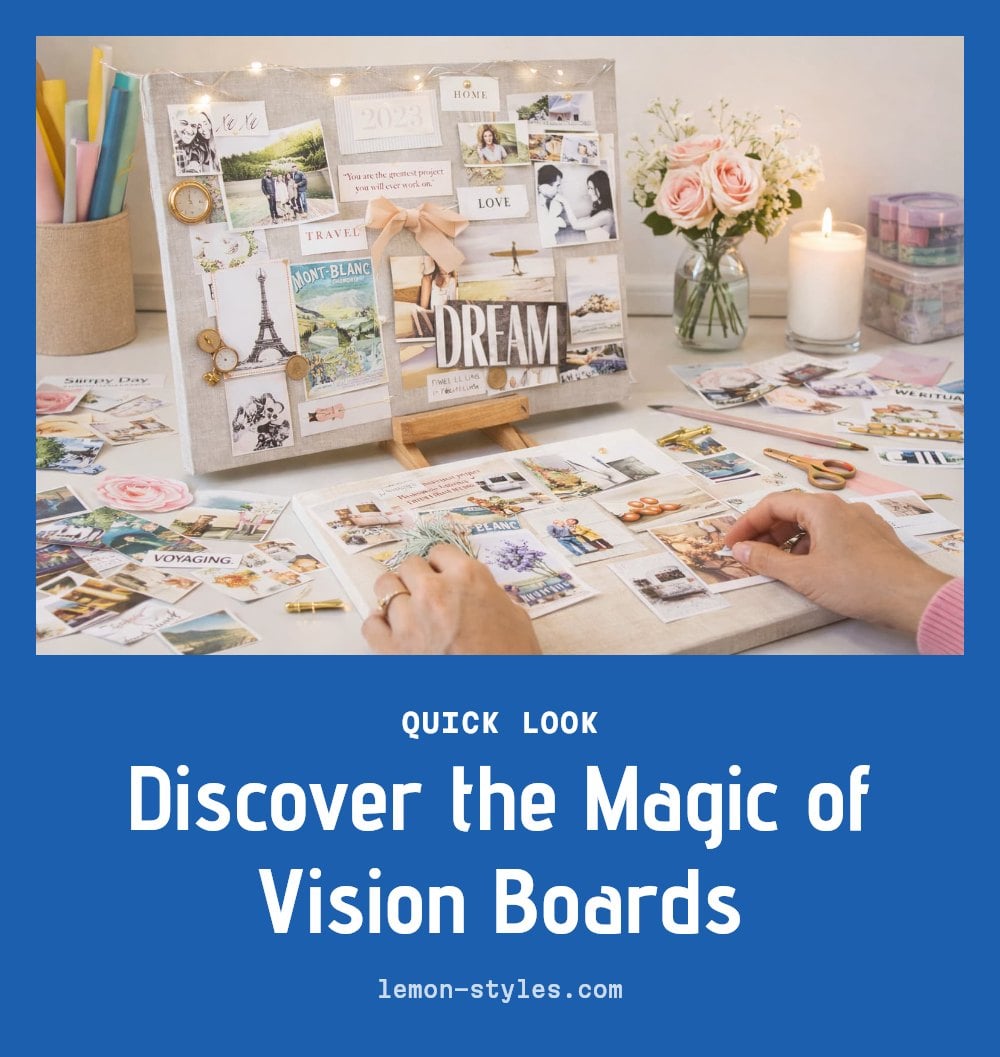
A vision board is a visual collage of your goals and dreams. It uses images, words, and affirmations to keep those aspirations front and center in your mind. The process of creating one helps you clarify what you truly want, while the finished board acts as a daily motivational tool. It is not magic, but a focused way to remind yourself of your intentions and nudge you toward action.
2. Gather Your Vision Board Materials
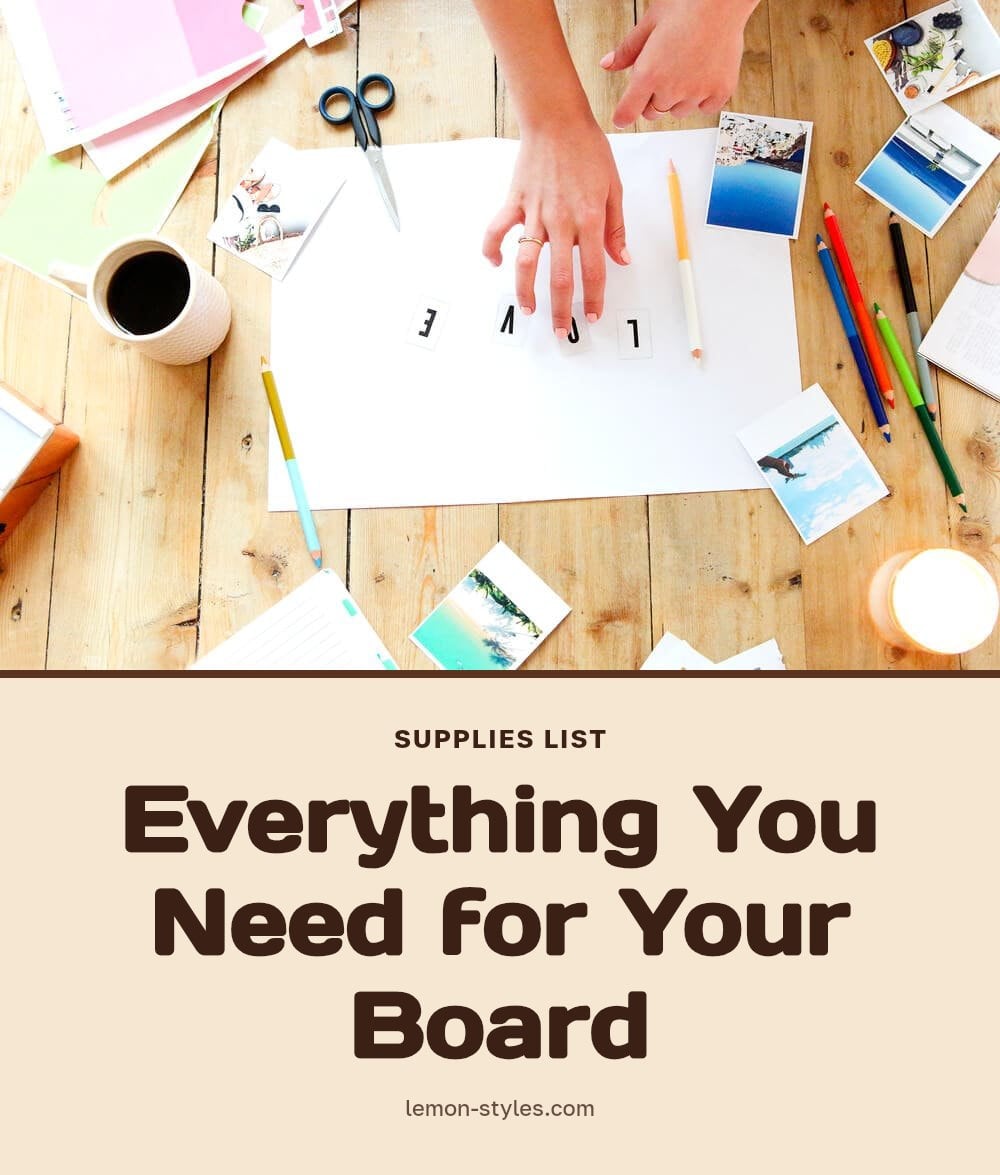
You will need a few basic items to get started. Gather these before you begin so the creative flow isn’t interrupted.
- Poster board or cork board: This is your base.
- Magazines, newspapers, or printed images: Look for visuals that spark something in you.
- Scissors: For cutting out your selections.
- Glue stick or tape: To secure everything in place.
- Markers or pens: For writing words and affirmations.
- Personal photos or embellishments: These are optional but add a personal touch.
Choose materials that genuinely resonate with you, not just what looks pretty.
3. Step-by-Step: Creating Your Vision Board in 30 Minutes
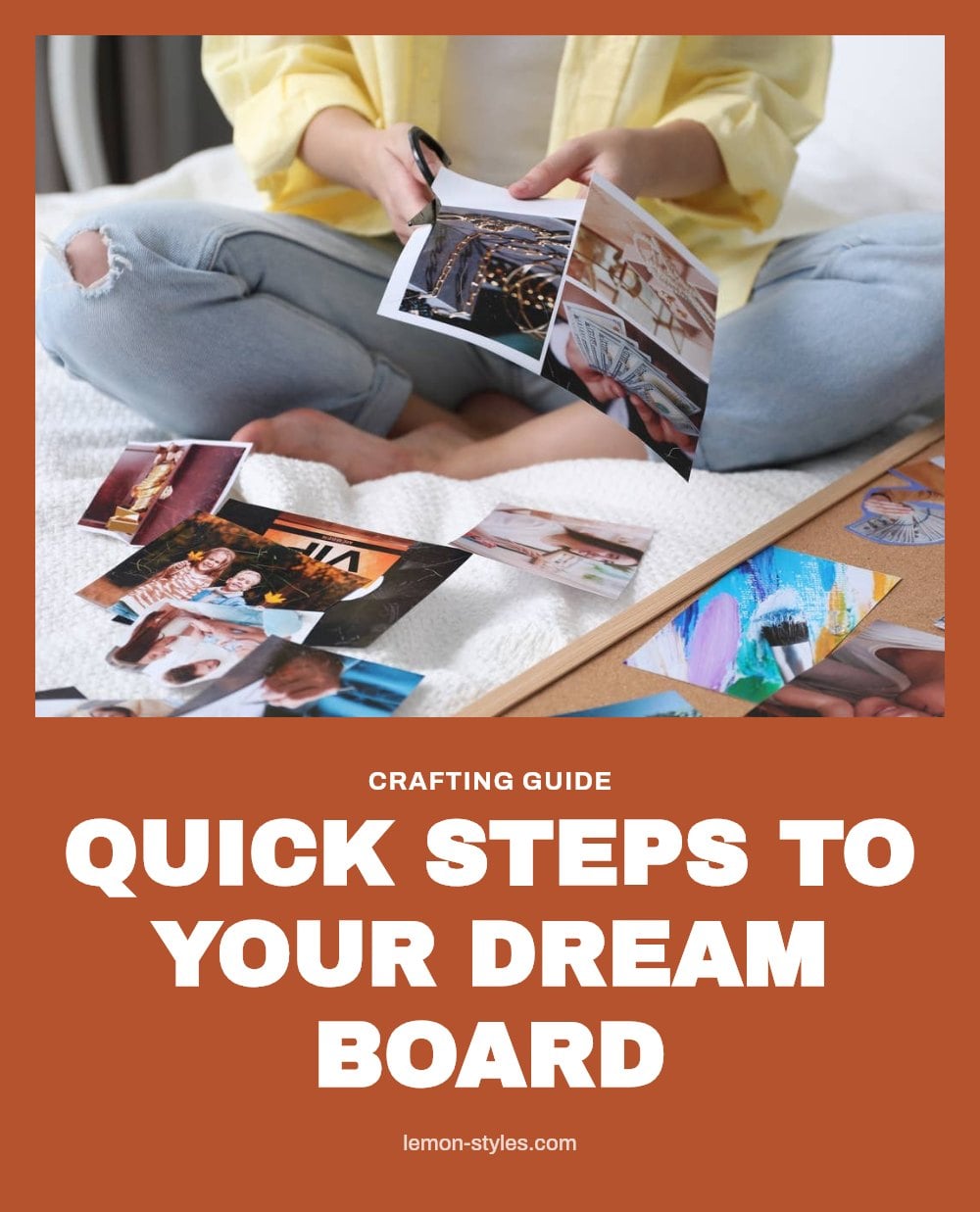
You can complete your vision board in 30 minutes if you move quickly and trust your instincts. Here is how.
- Reflect on your desires: Take 2 minutes to think about what you want in key areas like career, relationships, health, and personal growth. Do not overthink it, just note what comes to mind.
- Brainstorm keywords and feelings: Set a timer for 5 minutes and write down words that describe your goals and how you want to feel. Phrases like “confident,” “financially free,” or “energized” work well.
- Flip and cut quickly: Spend 10 minutes scanning your magazines and printed images. Cut out anything that sparks joy, catches your eye, or aligns with your brainstormed words. Do not judge your choices yet.
- Arrange without gluing: Place the cut-outs on your board and play with the layout. Move things around until the arrangement feels balanced and satisfying. You can overlap items or leave intentional empty space.
- Glue and add words: Once you are happy with the placement, glue everything down. Use your markers to write affirmations, quotes, or single words that reinforce your goals directly on the board.
- Place it where you will see it: Put your finished board somewhere you pass daily, like beside your mirror, on your desk, or on your bedroom wall. This ensures it stays top of mind.
4. Top Tips for an Effective Vision Board
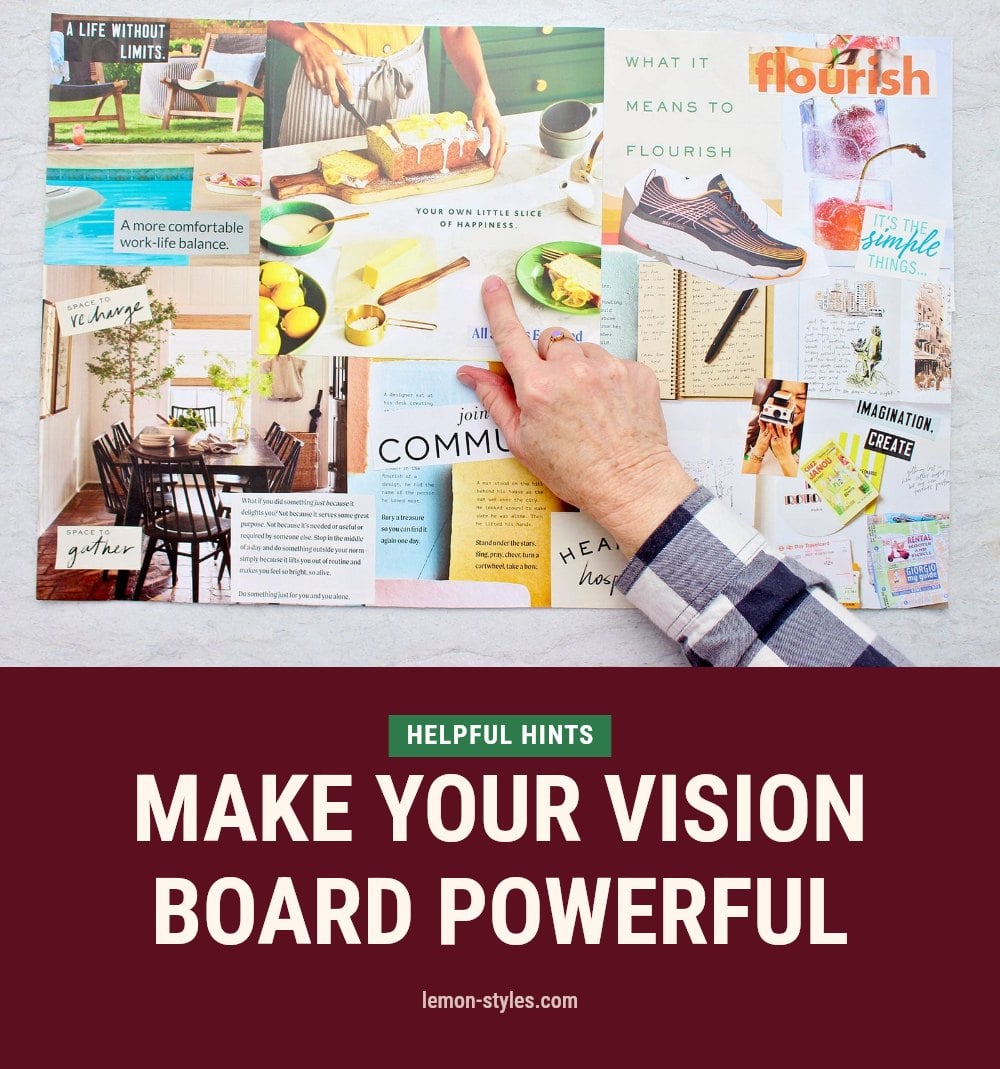
These tips will help you get the most out of your vision board, turning it from a simple collage into a tool that actually supports your goals.
Be specific but intuitive: Know what you want, but let your gut guide you when selecting images. A picture that stirs emotion is more effective than one that merely matches a checklist.
Choose images and words that evoke strong positive feelings: If a photo makes you feel excited, calm, or hopeful, include it. The emotional pull is what makes the board work.
Do not compare your board to others: Your vision board is a personal tool. What works for someone else may not fit your goals or style, and that is fine.
Review and visualize regularly: Spend 1-2 minutes each day looking at your board and imagining your goals as already real. This reinforces your focus.
Make the process fun: If it feels like a chore, you will avoid it. Play music, work in a comfortable spot, and treat it as a creative break, not another task.
5. Common Vision Board Mistakes to Avoid
Lack of Clear Intentions: Don’t just stick things on randomly. Take a few minutes to think about what you genuinely want in areas like career, relationships, health, or personal growth. A board without intention is just a collage.
Uninspiring Images: Avoid using visuals that don’t truly resonate or evoke strong positive feelings. If an image doesn’t make you feel something, leave it out. Your board should spark motivation every time you look at it.
Creating and Forgetting: Don’t hide your board away in a closet or drawer. Place it where you’ll see it daily, next to your desk, on your nightstand, or inside your planner. Out of sight means out of mind.
Expecting Magic: Understand that the board is a tool, not a substitute for personal effort and action. It helps you focus, but you still need to take steps toward your goals.
Focusing Only on Material Things: Include experiences, feelings, and personal growth, not just possessions. A vision board that reflects how you want to feel is more powerful than one filled only with objects.
6. The Power Behind Your Vision Board: How it Works
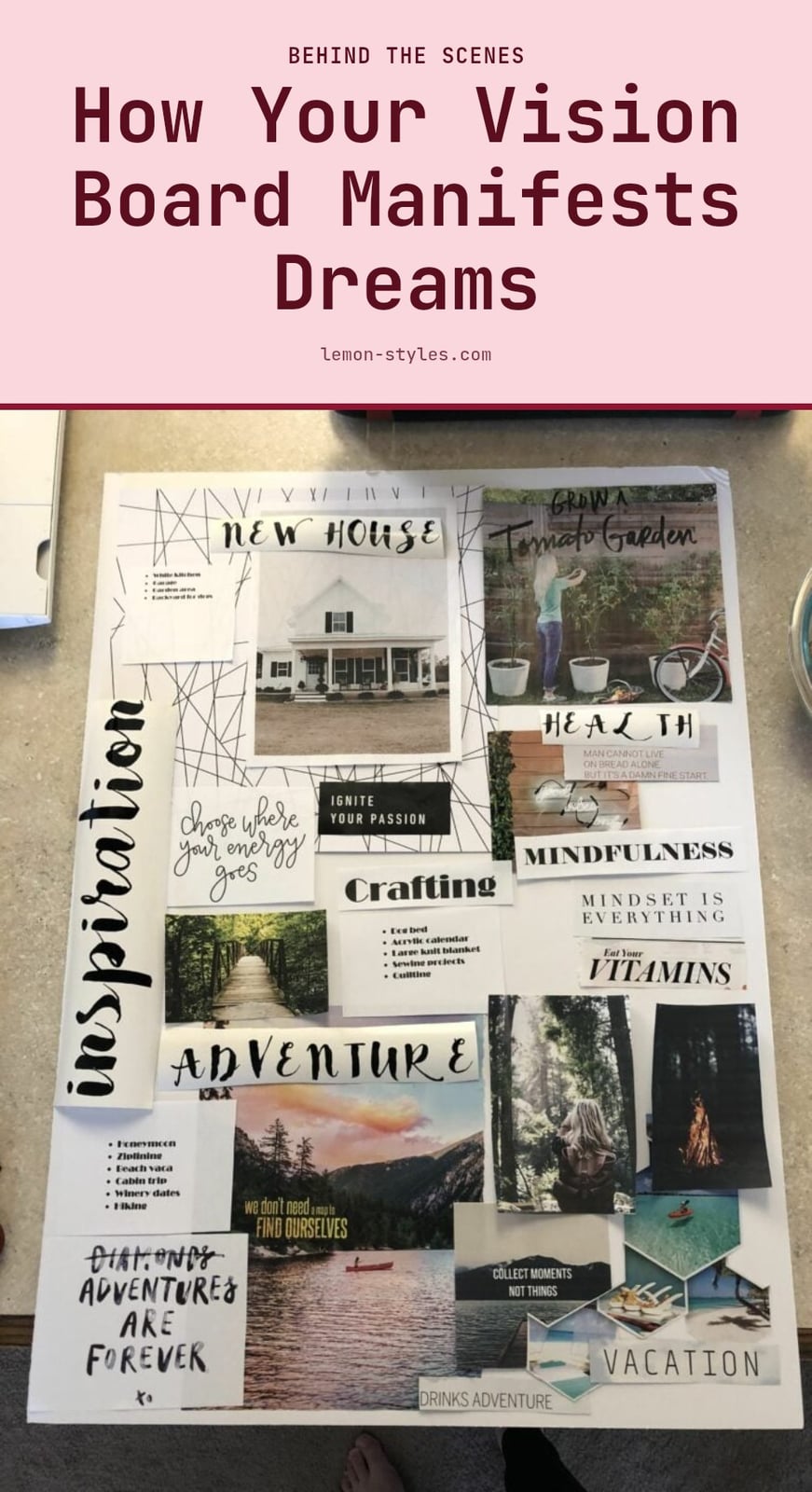
A vision board keeps your aspirations front and center in your mind. By seeing your goals daily, you train your brain to notice opportunities and take small actions that align with them.
The act of creation itself helps clarify your desires and intentions. Cutting out images and arranging them forces you to decide what truly matters, turning vague wishes into concrete targets.
Regularly viewing your board reinforces your goals and motivates action. It serves as a visual reminder of why you started, especially on days when motivation dips.
The concept is often linked to the ‘law of attraction,’ which suggests that focusing on desires can help bring them into reality. Whether or not you subscribe to that idea, the board works because it keeps your priorities visible and your mind engaged.
7. Timeline and Cost of Your Vision Board
Initial Creation: Can take 30 minutes to several hours, depending on preparation and detail. If you gather materials ahead of time and move quickly, you can finish in half an hour. Taking longer is fine if you enjoy a more deliberate process.
Review Frequency: Should be reviewed daily for maximum impact. A quick glance in the morning or before bed is enough to keep your goals top of mind.
Update Schedule: Can be updated annually or as goals evolve and manifest. When you achieve something, replace it with a new aspiration.
Cost: Minimal, often using materials you already have. Magazines, old photos, scrap paper, and a glue stick are all you need. No special supplies required.
8. Frequently Asked Questions
How often should I look at my vision board?
Look at your vision board daily, ideally for a few minutes each morning or evening. The goal is to keep your aspirations top of mind and reinforce your motivation. Place it somewhere you naturally pass by, like near your bed or workspace, so it becomes a regular part of your day.
Can a vision board be digital?
Yes, a vision board can be digital. You can create one using a photo collage app, a design tool, or even a simple document on your computer or phone. The key is the same: use images, words, and affirmations that resonate with you, and make sure you see it regularly.
What if my goals change after I make my board?
That is completely normal. When your goals shift, update your vision board to reflect your new priorities. You can replace images, add new words, or even start fresh. The board is a flexible tool meant to evolve with you, not a permanent commitment.
How long does it take to create a vision board?
You can create a vision board in as little as 30 minutes if you gather materials ahead of time and move quickly. If you prefer a more deliberate process, it can take a few hours. The timeline depends on how much time you spend reflecting, selecting images, and arranging them.
Where should I put my vision board for the best results?
Place your vision board in a prominent location you see every day, such as near your desk, beside your bed, or on a wall in your hallway. The goal is to make it a constant visual reminder. Avoid hiding it in a closet or drawer where you will forget about it.
9. Final Thoughts
My tip: make your vision board a living part of your routine, not a one-time project. Expect to spend 30 minutes on the initial creation, but plan to look at it daily and refresh it as your goals evolve, maybe once a year. The real power comes from combining that daily visual reminder with consistent, intentional action toward what you want.