
You already know vitamin C is good for you, but do you know exactly what it does and how to get enough of it every day? This essential nutrient supports your immune system, keeps your skin firm with collagen, and acts as a powerful antioxidant. In this article, I break down the key benefits of vitamin C and share the best food sources to add to your daily routine.
Key Takeaways
- Eat vitamin C-rich foods daily since your body cannot store this water-soluble nutrient.
- Pair vitamin C foods with plant-based iron sources to boost iron absorption.
- Red bell peppers and kiwifruit are among the highest food sources of vitamin C.
- Lightly cook or eat raw vegetables to preserve their vitamin C content.
- Smokers need an extra 35 mg of vitamin C per day beyond the standard RDA.
1. What is Vitamin C and Why Do We Need It?
Vitamin C, or ascorbic acid, is a water-soluble nutrient your body needs every single day. It acts as a powerful antioxidant, supports your immune system, and is essential for making collagen, the protein that keeps your skin firm and healthy. Because your body can’t produce it on its own, you have to get it from food or supplements daily.
2. 1. Supports Your Immune System

Vitamin C is essential for the production and function of white blood cells, which help your body fight infections. While it won’t cure a cold, consistent daily intake may help shorten its duration or reduce its severity.
- Eat vitamin C-rich foods every day for steady immune support.
- Don’t wait until you feel sick to boost your intake, prevention is key.
3. 2. Boosts Collagen Production for Skin

Your body needs vitamin C to build collagen, the protein that gives skin its firmness and elasticity. This process also supports wound healing and keeps tendons and blood vessels healthy. Many people find topical vitamin C serums helpful for targeting skin benefits directly, but dietary intake matters too.
- Consistent use over several weeks may show visible improvements in skin texture.
4. 3. Acts as a Powerful Antioxidant
As a powerful antioxidant, vitamin C neutralizes free radicals, unstable molecules that can damage your cells and speed up aging. This protection helps combat oxidative stress from pollution, UV exposure, and other environmental factors.
- Eating vitamin C-rich foods throughout the day keeps antioxidant levels stable.
- Include a variety of colorful fruits and vegetables to maximize protection.
5. 4. Enhances Iron Absorption
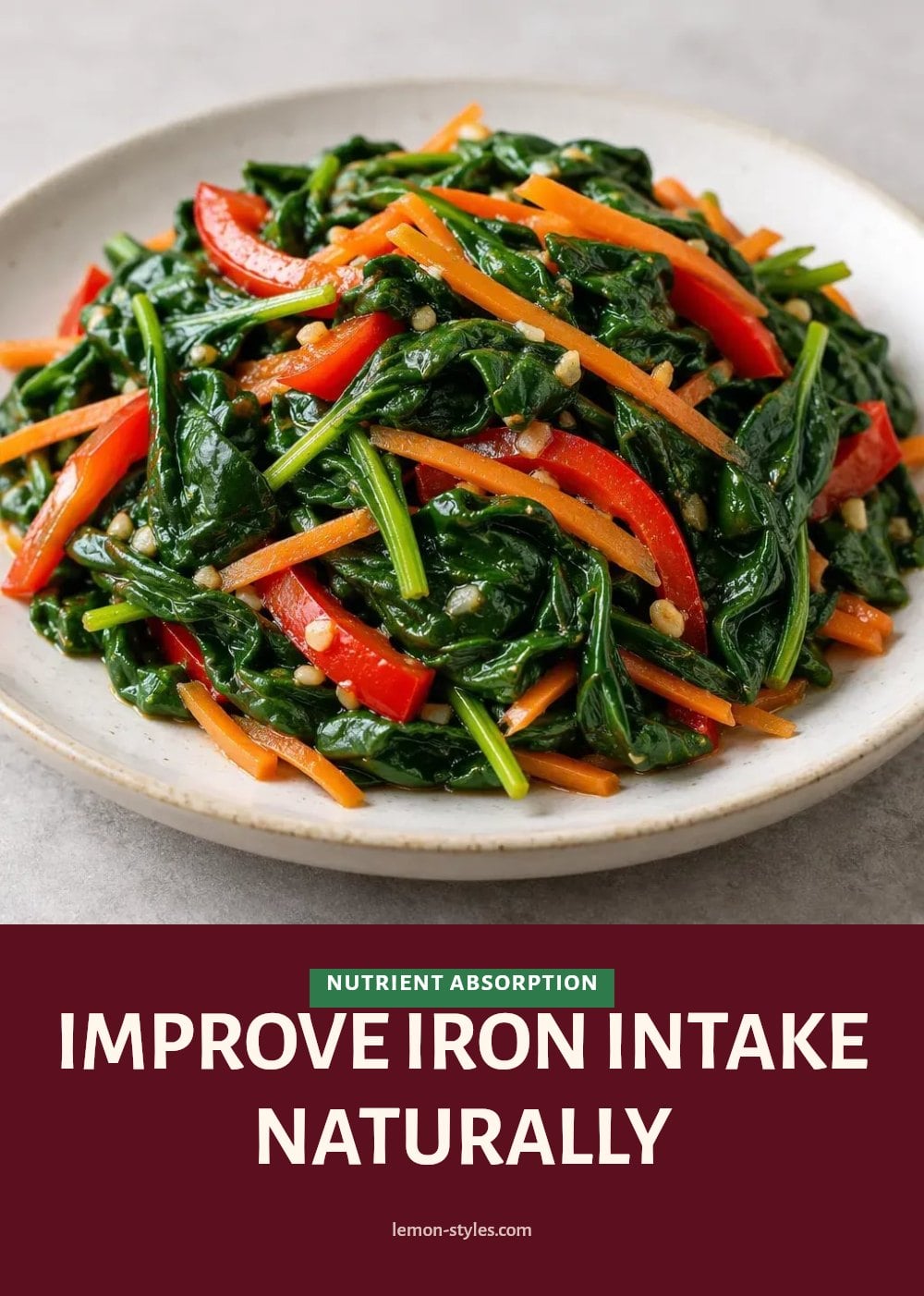
Pair vitamin C-rich foods with plant-based iron sources like beans, lentils, or spinach to significantly boost iron absorption. The vitamin C converts non-heme iron into a form your body can absorb more easily, which is especially helpful for vegetarians and vegans.
- My tip: Add bell peppers to a lentil soup or squeeze lemon over a spinach salad.
- This simple pairing can help prevent iron deficiency over time.
6. 5. Red Bell Peppers

Red and yellow bell peppers pack more vitamin C per cup than an orange, making them one of the best sources you can add to your plate. Eat them raw in salads or lightly stir-fried, since high heat and long cooking times break down the vitamin.
My tip: toss chopped bell peppers into scrambled eggs, pasta sauce, or grain bowls for a nutrient boost that barely changes the flavor.
7. 6. Citrus Fruits

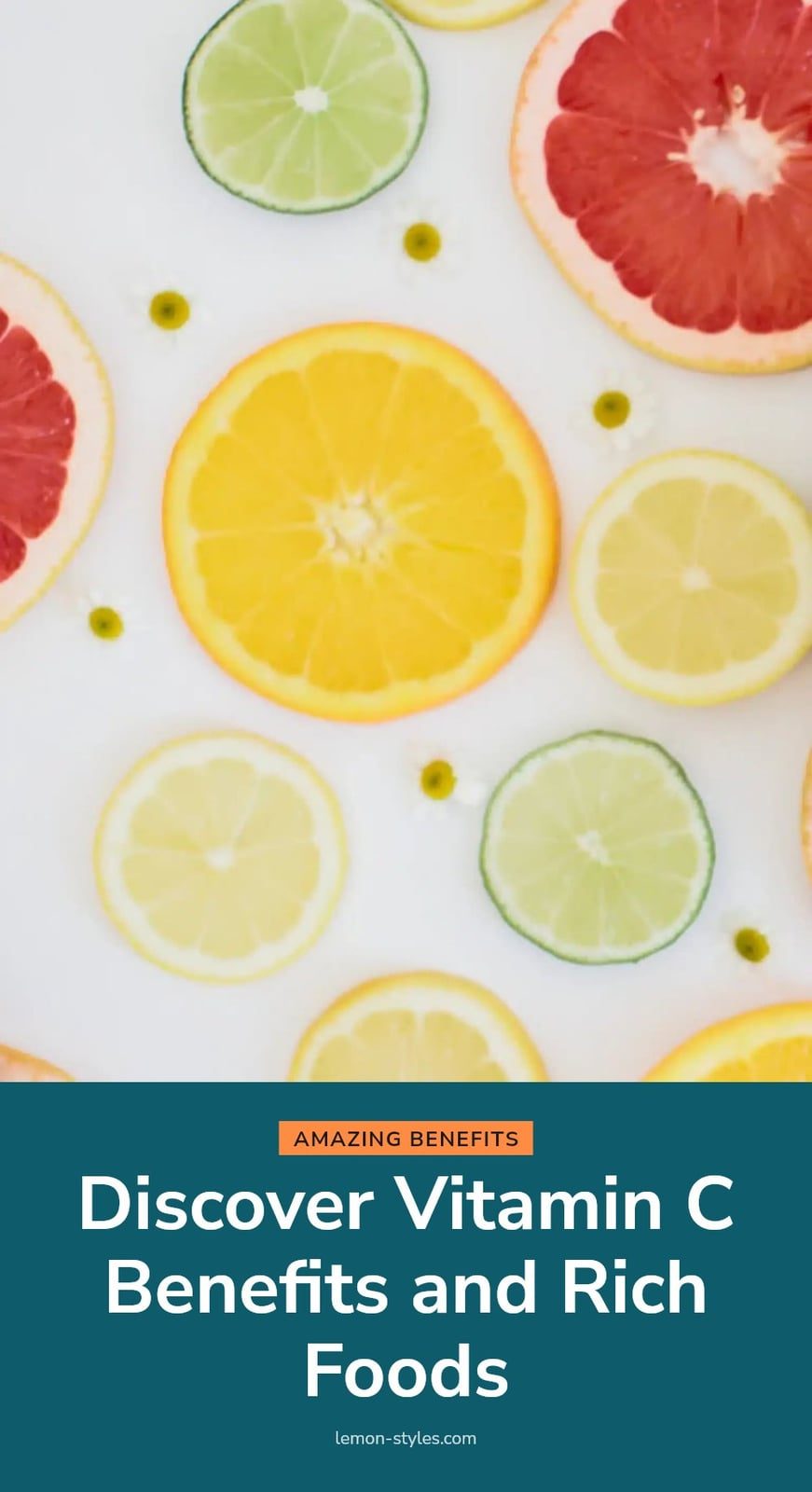
Oranges, grapefruits, lemons, and limes are the classics for a reason. They deliver a solid vitamin C hit in every serving, and you can eat them as a snack, squeeze them into water, or use the juice to brighten salads and marinades.
- Fresh is best: Eat them raw or freshly squeezed, since vitamin C degrades with heat and time.
- Easy daily habit: Keep a bowl of citrus on the counter so you grab one instead of a processed snack.
8. 7. Strawberries and Kiwifruit

Strawberries and kiwifruit are two of the sweetest ways to hit your daily vitamin C target. A single cup of strawberries provides more than your entire daily need, while one medium kiwifruit delivers nearly all of it.
Strawberries shine in smoothies, tossed over salads, or eaten plain as a snack. Kiwifruit brings a tangy twist that pairs well with yogurt or sliced on top of oatmeal.
- My tip: Keep a bowl of washed strawberries and whole kiwifruit on the counter for grab-and-go snacking.
- Slice kiwifruit with the skin on for extra fiber, just rinse it first.
9. 8. Broccoli and Brussels Sprouts
Broccoli and Brussels sprouts are cruciferous vegetables that deliver a solid vitamin C boost along with fiber and other nutrients. A single cup of cooked broccoli provides a meaningful chunk of your daily needs, and Brussels sprouts are right there with it.
To keep the vitamin intact, lightly steam or roast them until just tender. Overcooking or boiling them in lots of water leaches out the vitamin C, so aim for a quick cook that leaves a little crunch.
Pro move: Toss them in a hot pan with a splash of olive oil for 5 to 7 minutes, then season with garlic and lemon zest. You get the flavor without destroying the nutrients.
10. 9. Tomatoes and Potatoes
Tomatoes and potatoes may not top the vitamin C charts, but they earn their place because you likely eat them often. A medium baked potato with the skin still on delivers a decent amount of your daily need, and tomatoes add a fresh boost in everything from salads to sauces.
- Keep the skin on potatoes: most of the vitamin C sits just beneath it.
- Use tomatoes raw or lightly cooked: heat and water can reduce their vitamin C content.
11. 10. Other Great Sources
Cantaloupe, papaya, and dark leafy greens like kale are easy to overlook but worth adding to your rotation. A half-cup of cantaloupe gives you a solid boost, and a cup of chopped kale delivers more vitamin C than you might expect.
The best approach is variety. Aim for a rainbow of colors on your plate, from orange cantaloupe to green kale to yellow peppers, so you naturally cover a wide range of nutrients beyond just vitamin C.
12. 11. Daily Intake and Storage Tips
Because your body doesn’t store vitamin C, you need a fresh supply every day. The recommended daily allowance is 75 mg for adult women and 90 mg for adult men, and smokers should add 35 mg more since smoking depletes the vitamin.
To get the most from your food, store vitamin C-rich produce in a cool, dark place and eat it within a few days of buying. Cut fruits and vegetables just before eating to minimize nutrient loss.
13. Common Vitamin C Mistakes to Avoid
Believing it cures colds: Vitamin C may shorten a cold’s duration or reduce its severity, but it is not a cure. Focus on prevention through good sleep, handwashing, and a balanced diet for overall immune health.
Overcooking vegetables: High heat destroys vitamin C. Opt for raw, lightly steamed, or quickly stir-fried methods to keep more of the nutrient intact. My tip: toss bell pepper strips into a stir-fry in the last minute of cooking.
Assuming only citrus has it: Many other foods pack more vitamin C than oranges, including red bell peppers, broccoli, and Brussels sprouts. Variety in your produce choices covers more ground than sticking to one fruit.
Thinking higher doses are always better: Excessive vitamin C from supplements can cause digestive upset like diarrhea or cramps. Stick to the amount you can get from a balanced diet unless a healthcare professional advises more.
Not replenishing daily: Since your body doesn’t store vitamin C, you need a fresh supply every day. Consistent intake from meals matters more than occasional mega-doses.
14. Frequently Asked Questions
Can I get enough vitamin C from food alone?
Yes, most people can meet their daily vitamin C needs by eating a variety of fruits and vegetables. The recommended daily allowance for adult women is 75 mg and for adult men is 90 mg. A single cup of strawberries or a medium kiwifruit provides nearly your entire daily requirement.
What are the signs of low vitamin C?
Early signs of low vitamin C include fatigue, weakened immunity, and slow wound healing. Severe deficiency can lead to scurvy, which causes bruising, gum disease, and joint pain. If you suspect you are low, talk to a healthcare professional for guidance.
Is topical vitamin C good for skin?
Yes, many people find topical vitamin C serums helpful for their skin. They provide antioxidant protection and may boost collagen production when applied consistently. However, dietary vitamin C is still essential for overall health, and topical products should not replace a balanced diet.
Can vitamin C interact with medications?
High doses of vitamin C supplements may interact with certain medications, including blood thinners and chemotherapy drugs. If you take prescription medications or have a condition like hemochromatosis, consult your doctor before starting a high-dose supplement.
How does cooking affect vitamin C in foods?
Vitamin C is water-soluble and sensitive to heat, so cooking methods like boiling or long baking can significantly reduce its content. To preserve more vitamin C, eat fruits and vegetables raw or lightly steam or stir-fry them. The shorter the cooking time and the less water used, the better.
15. Final Thoughts
My recommendation is to focus on whole foods like bell peppers, citrus fruits, strawberries, and broccoli rather than relying on supplements alone. Realistic expectation: if you eat a variety of these foods throughout the day, you will meet your daily needs and support your immune system, skin health, and iron absorption. Keep it simple and consistent for the best results.
This article is for general informational purposes only and is not a substitute for professional medical advice. Always consult a doctor, dietitian, or other qualified health provider with any questions about your health, a medical condition, or before starting a new supplement regimen.

