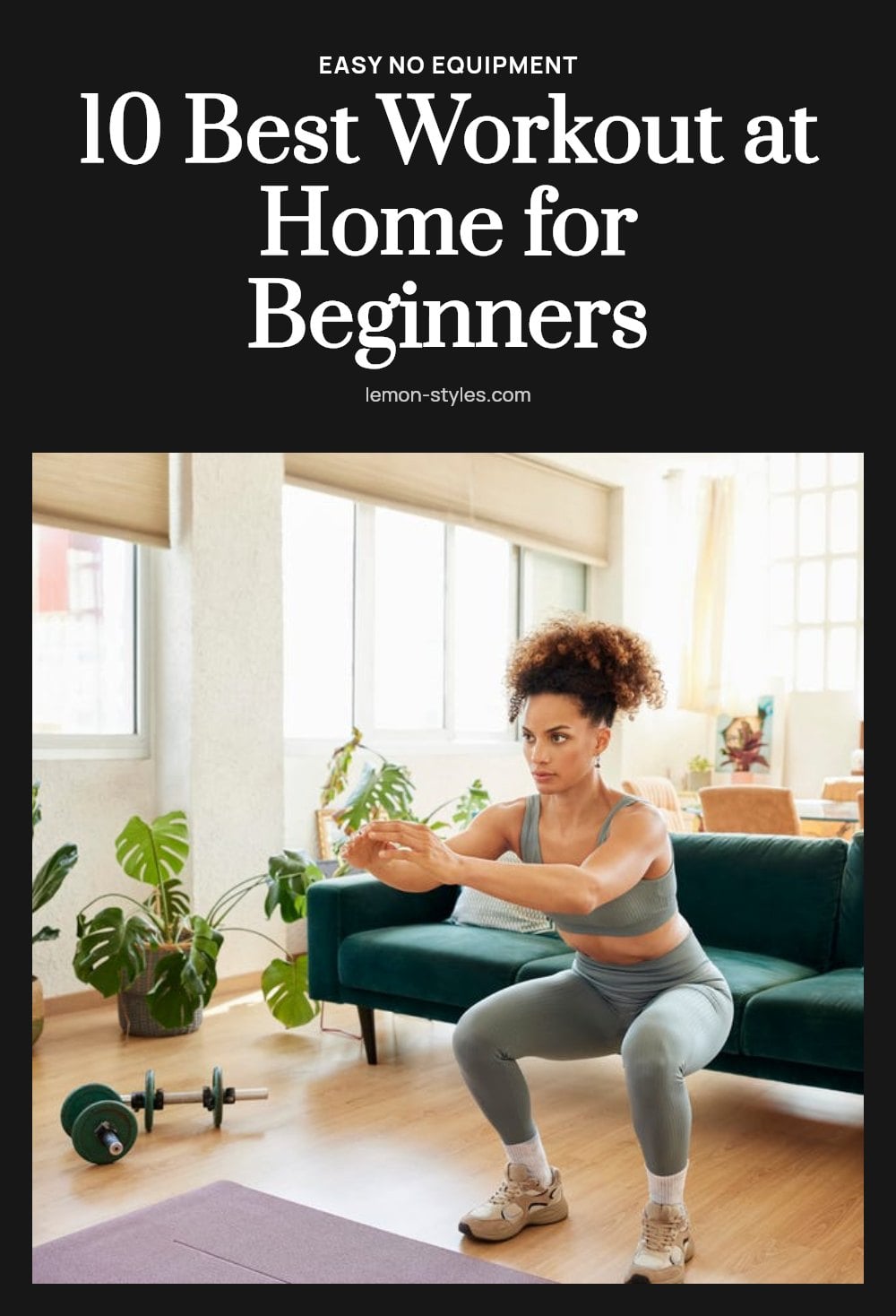
Starting a home workout routine can feel overwhelming, especially when you don’t have any equipment. The truth is, you don’t need a gym or fancy gear to build strength and improve your fitness. This article covers 10 beginner-friendly bodyweight exercises you can do at home, plus a simple weekly schedule to keep you on track.
Whether you’re short on time or just prefer the privacy of your living room, these moves are designed to be effective and accessible. My tip: Focus on mastering each movement before worrying about speed or reps.
Key Takeaways
- Aim for at least 150 minutes of moderate-intensity activity or 75 minutes of vigorous activity per week.
- Include strength training for all major muscle groups at least two days per week.
- Always warm up for 5-10 minutes and cool down for 5-10 minutes to prevent injury.
- Listen to your body and take rest days for muscle recovery and to avoid overtraining.
- With consistent effort, you can notice improvements in strength and endurance within 4-6 weeks.
1. 1. Warm-up: Arm Circles
Stand tall with your feet shoulder-width apart and extend your arms straight out to the sides at shoulder height. Make small forward circles with your arms for 30 seconds, then switch to backward circles for 30 seconds. Keep the movements smooth and controlled to gently prepare your shoulders and upper body for the workout ahead.
- Time: 30 seconds forward, 30 seconds backward
- Form cue: Keep your shoulders relaxed and down, not hunched up toward your ears
- Make it easier or harder: Use smaller circles for a gentler start or larger circles for more range of motion
2. 2. Squats
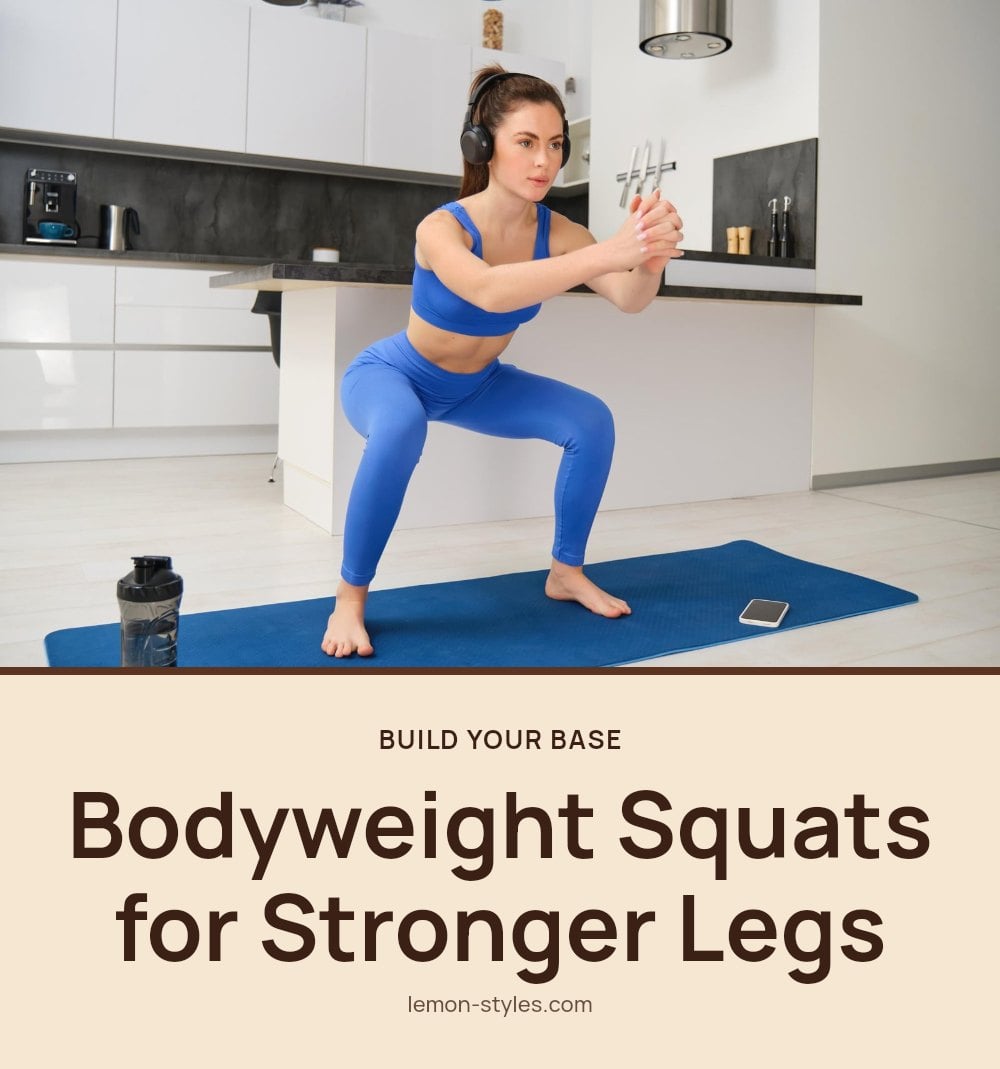
Stand with your feet shoulder-width apart and your toes turned slightly outward. Lower your hips as if you are sitting back into a chair, keeping your chest lifted and your back straight. Go as low as feels comfortable, aiming to get your thighs parallel to the floor, then push through your heels to return to standing.
- Sets and reps: 3 sets of 10-12 repetitions
- Form cue: Keep your weight in your heels and your knees tracking over your toes, not caving inward
- Make it easier or harder: Reduce the range of motion for an easier version or hold a squat at the bottom for 2 seconds for a challenge
3. 3. Push-ups (Knee or Full)
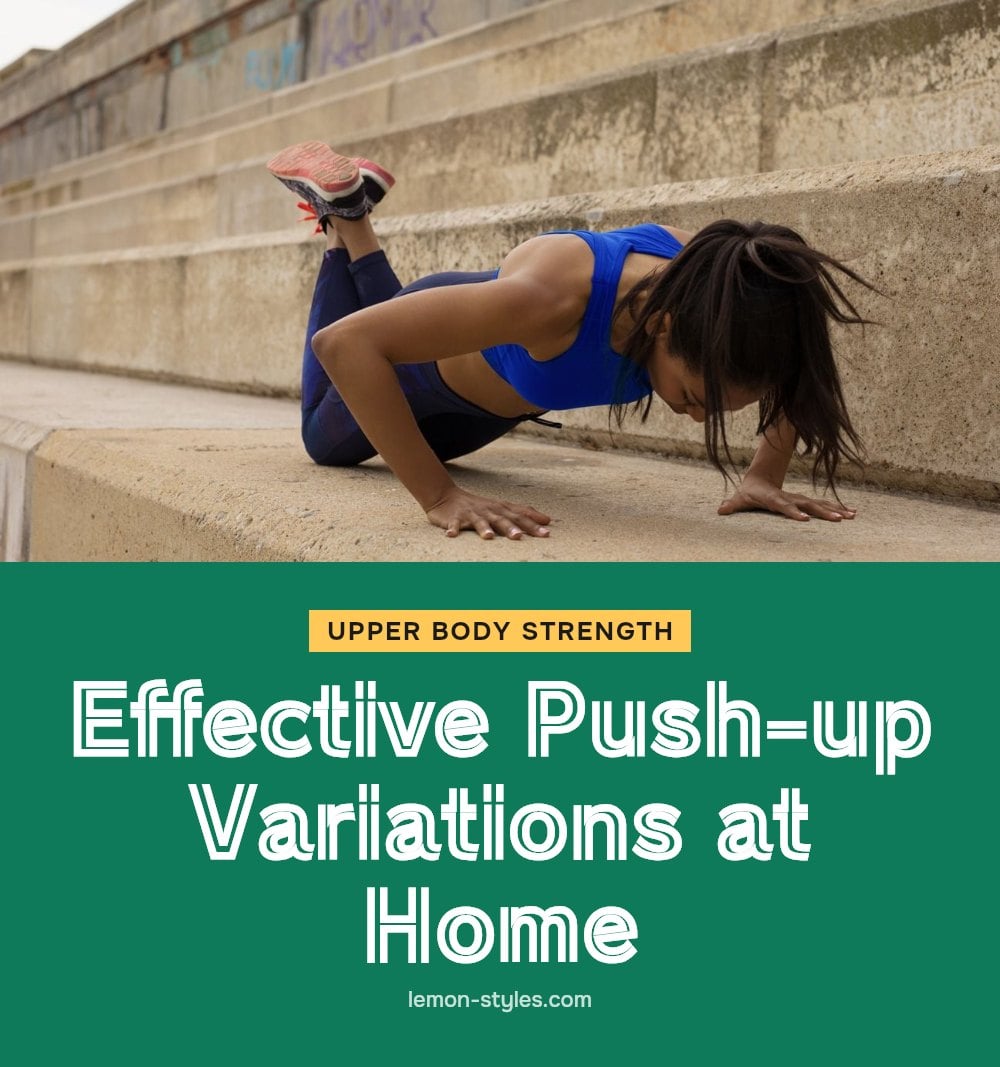
Start in a plank position with your hands placed slightly wider than shoulder-width apart. For knee push-ups, lower your knees to the floor and keep a straight line from your head to your knees. For full push-ups, maintain a straight line from your head to your heels. Lower your chest toward the floor, then push back up to the starting position.
- Sets and reps: 3 sets of 8-10 repetitions (modify as needed)
- Form cue: Engage your core to keep your body stable and prevent your hips from sagging
- Make it easier or harder: Use knee push-ups for an easier option or incline push-ups (hands on a sturdy surface) for a gentler angle
4. 4. Lunges
Stand with your feet hip-width apart. Step one foot forward and lower your hips until both knees bend at a 90-degree angle. Your front knee should be directly above your ankle, and your back knee should hover just above the floor. Push off your front foot to return to the starting position, then repeat on the other leg.
- Sets and reps: 3 sets of 8-10 repetitions per leg
- Form cue: Keep your torso upright and avoid leaning forward over your front knee
- Make it easier or harder: Hold onto a wall for balance for an easier version or add a pulse at the bottom for extra challenge
5. 5. Plank
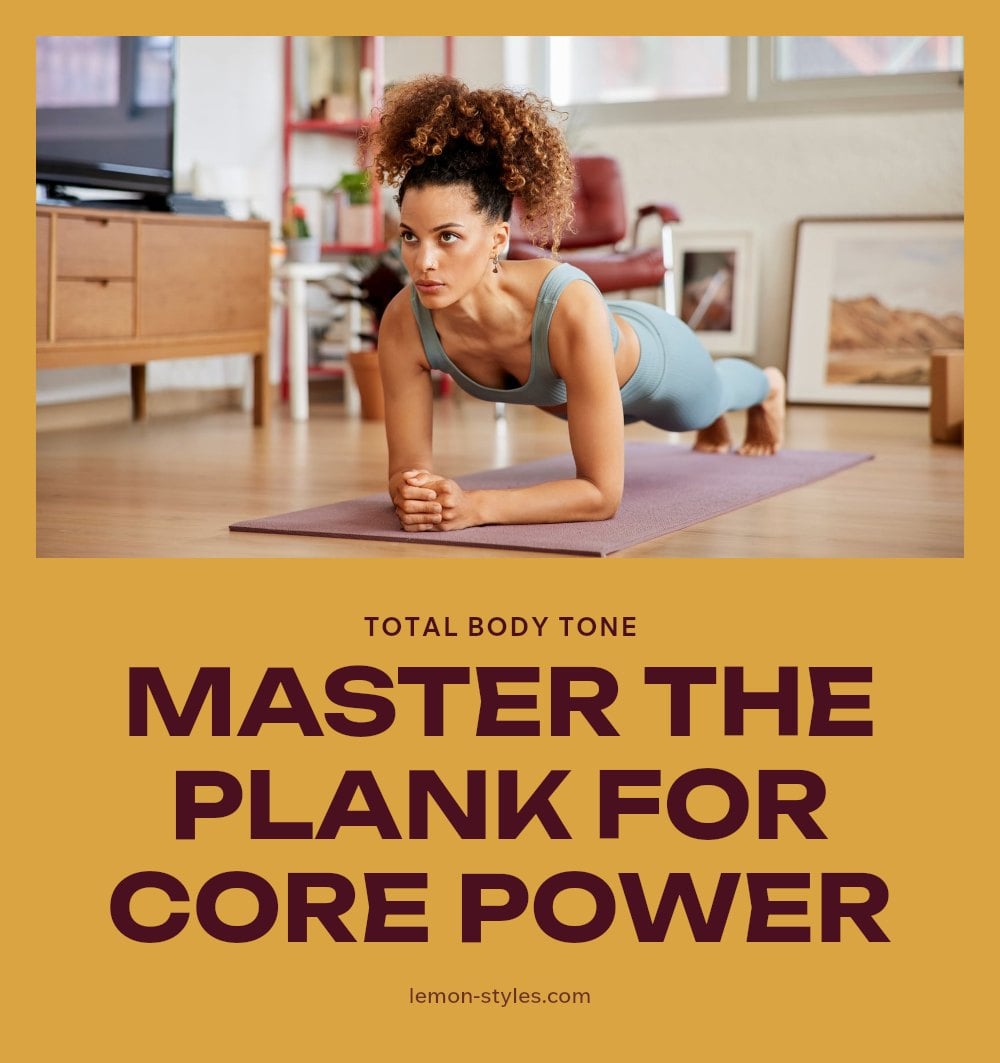
Start in a push-up position, then lower onto your forearms with your elbows directly under your shoulders. Form a straight line from your head to your heels, engaging your core and glutes so your hips neither sag toward the floor nor pike up. The whole point is to hold still: a plank you can keep for 30 seconds with clean form beats a shaky 90-second one.
- Time: Hold 30-60 seconds, 3 sets.
- Form cue: Imagine pulling your belly button toward your spine to keep your core switched on.
- Make it easier or harder: Drop to your knees or rest on your hands instead of forearms; lift one foot for more challenge.
6. 6. Glute Bridges
Lie on your back with your knees bent, feet flat on the floor hip-width apart, and arms relaxed by your sides. Press through your heels and lift your hips until your body forms a straight line from shoulders to knees, squeeze your glutes at the top, then lower with control instead of dropping. If you feel this mostly in your lower back rather than your glutes, your hips are probably going too high.
- Sets and reps: 3 sets of 12-15.
- Form cue: Keep your core engaged the whole time to protect your lower back.
- Make it easier or harder: Slow the tempo down or pause 2 seconds at the top; try single-leg reps to add difficulty.
7. 7. Bird-Dog
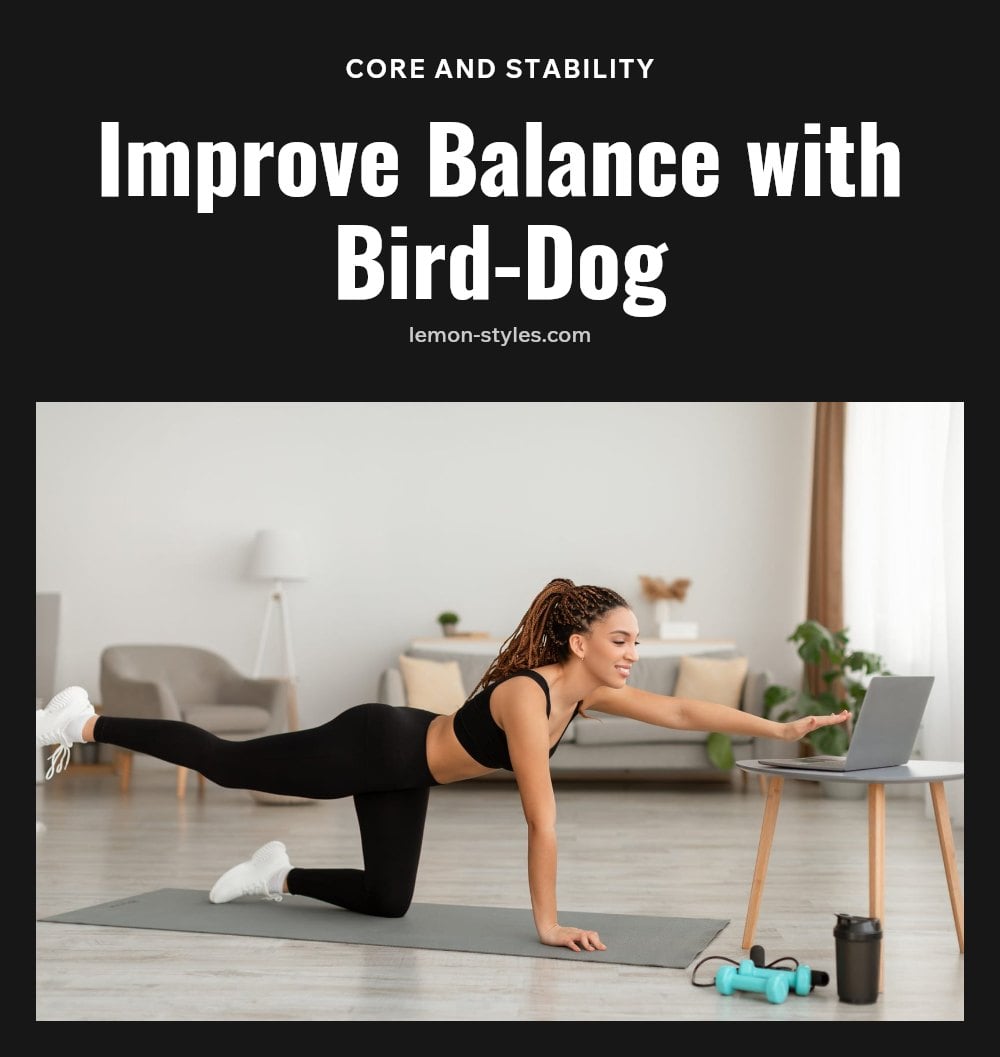
Start on all fours with hands under shoulders and knees under hips. Engage your core, then extend your right arm forward and your left leg straight back at the same time, keeping your back flat and hips level, with no rotation. Return with control, then repeat on the other side. If your hips start to tilt, shorten the reach rather than rushing the rep.
- Sets and reps: 3 sets of 8-10 per side.
- Form cue: Move slowly and deliberately; balance and control matter more than range.
- Make it easier or harder: Extend just the arm or just the leg at first; hold the top position for 2-3 seconds to progress.
8. 8. Calf Raises
Stand tall with your feet hip-width apart. Slowly raise up onto the balls of your feet, lifting your heels as high as you can, hold briefly at the top, then lower your heels back down slowly rather than letting them drop. The slow lowering is where most of the work happens, so resist the urge to bounce.
- Sets and reps: 3 sets of 15-20.
- Form cue: Keep your ankles steady and your weight centered over your big toe.
- Make it easier or harder: Hold a wall for balance; go one leg at a time for an extra challenge.
9. 9. Cool-down: Hamstring Stretch
Sit on the floor with one leg extended straight out and the other bent, with your foot tucked toward your inner thigh. Gently lean forward from your hips, reaching toward your extended foot, until you feel a stretch in the back of your thigh. Avoid rounding your back as you lean.
- Time: Hold for 20-30 seconds per leg
- Form cue: Keep your chest lifted and hinge at the hips, not the waist
- Make it easier or harder: For a gentler stretch, bend your extended knee slightly; to deepen, reach further forward as you relax
10. 10. Cool-down: Triceps Stretch
Stand or sit tall, then reach one arm overhead and bend your elbow to let your hand drop behind your head. Use your other hand to gently press down on the bent elbow until you feel a stretch along the back of your upper arm. Keep your shoulders relaxed and avoid forcing the stretch.
- Time: Hold for 20-30 seconds per arm
- Form cue: Keep your head upright and your bent elbow pointing toward the ceiling
- Make it easier or harder: For a lighter stretch, press less on the elbow; to increase intensity, reach your hand further down your back
11. Your Weekly Home Workout Schedule
Aim for at least 150 minutes of moderate-intensity activity per week, spread across 3-5 workouts. Listen to your body and take rest days when you need them for recovery. As you get stronger, gradually increase the duration or intensity of your sessions.
| Day | Workout Focus | Duration |
|---|---|---|
| Monday | Full body (squats, push-ups, plank) | 25-30 min |
| Tuesday | Rest or light stretching | 10-15 min |
| Wednesday | Lower body (lunges, glute bridges, calf raises) | 20-25 min |
| Thursday | Rest or active recovery (walking) | 15-20 min |
| Friday | Upper body and core (bird-dog, push-ups, plank) | 20-25 min |
| Saturday | Full body or HIIT circuit | 20-30 min |
| Sunday | Rest | Full rest |
Consistency matters more than intensity, especially when starting out. Modify the schedule to fit your energy levels and recovery needs.
12. Common Home Workout Mistakes to Avoid
Ignoring Proper Form: Prioritize correct form over the number of repetitions. Incorrect form can lead to ineffective workouts and potential injury. Watch videos or use a mirror to check your alignment.
Skipping Warm-up and Cool-down: These are crucial for preparing your body for exercise and aiding recovery. A proper warm-up prevents injury, and a cool-down improves flexibility and reduces muscle soreness.
Lack of Variation: Doing the same routine every day can lead to plateaus and boredom. Incorporate different exercises or modify existing ones to challenge your muscles in new ways.
Not Listening to Your Body: Pushing through sharp pain is a big no-no. Your body gives signals for a reason. Take rest days, modify exercises, or stop if something feels wrong.
Holding Your Breath: Remember to breathe steadily throughout your exercises. Holding your breath can increase blood pressure and reduce oxygen flow to your muscles.
13. Frequently Asked Questions
How often should I work out at home as a beginner?
Aim for 3 to 5 workouts per week, with at least one rest day in between to allow your muscles to recover. As a beginner, starting with three sessions a week and gradually adding more as you feel comfortable is a smart approach. Listen to your body and adjust based on how you feel.
Can I build muscle with just bodyweight exercises?
Yes, bodyweight exercises are effective for building strength and endurance, especially for beginners. Moves like squats, push-ups, and lunges challenge your muscles through your full range of motion. To keep progressing, you can increase the number of reps, slow down the movement, or try more challenging variations.
What should I do if I feel pain during a workout?
If you feel sharp pain, stop the exercise immediately and rest. Mild muscle fatigue is normal, but sharp or sudden pain is a sign to stop. If the pain persists, consult a healthcare professional before continuing. Never push through sharp pain; modify the movement or take a break instead.
How can I stay motivated to work out at home?
Set a consistent schedule, such as working out at the same time each day, to build a habit. Vary your exercises to keep things interesting and prevent boredom. Tracking your progress, like noting how many reps you can do or how long you can hold a plank, can also help you stay motivated.
Is it okay to skip rest days when working out at home?
No, rest days are essential for muscle recovery and preventing overtraining. Working out every day can lead to fatigue, poor form, and a higher risk of injury. Plan at least one or two rest days per week, and use them for light stretching or a gentle walk if you want to stay active.
14. Final Thoughts
If you are new to working out, try starting with just two or three of these bodyweight exercises, focusing on proper form over speed. Expect to feel some muscle soreness at first, but that is a normal sign of progress. Remember, consistency matters more than intensity when you are just beginning.
Set a schedule that works for you, stay hydrated, and gradually increase the challenge as you get stronger. Your home is already a gym.
This article is for general informational purposes only and does not constitute medical or professional advice. Always consult a healthcare professional before starting any new exercise program, especially if you have underlying health conditions or concerns. Stop immediately if you experience sharp pain, dizziness, or shortness of breath.