Starting yoga can feel a little intimidating when you don’t know where to begin, but the truth is you don’t need to be flexible or strong to start. The poses in this article are the ones I usually recommend to friends who are brand new: they build a solid foundation, help you learn proper alignment, and let you listen to your body without pressure. Below, I’ll walk you through 15 beginner-friendly poses, explain how to do each one, and share tips for making them work for your body.
From Mountain Pose to Legs-Up-the-Wall, this list covers standing, seated, and floor postures that improve flexibility, strength, and balance. I’ve also included a sample weekly schedule and a quick guide to the props that make everything easier.
Key Takeaways
- Start with 2-3 yoga sessions per week, each 20-30 minutes, to see improvements in a few weeks.
- Use props like blocks, straps, and blankets to make poses accessible without forcing your body.
- Focus on your breath and proper alignment rather than how a pose looks from the outside.
- Always stop if you feel sharp pain, dizziness, or nausea, and consult a doctor before starting if you have health concerns.
- Don’t skip Savasana (Corpse Pose) at the end of your practice; it helps your body integrate the benefits and promotes relaxation.
1. Starting Your Yoga Journey: Essential Poses for Beginners
Starting yoga doesn’t require advanced flexibility or strength. Focus on foundational poses that build strength, flexibility, and body awareness. These basic postures establish proper alignment and prepare your body for more challenging movements. Use props like blocks and straps to make poses more accessible and comfortable. Most importantly, listen to your body and modify poses as needed. This approach helps prevent injury and ensures a safe, enjoyable practice.
2. 1. Child’s Pose (Balasana)
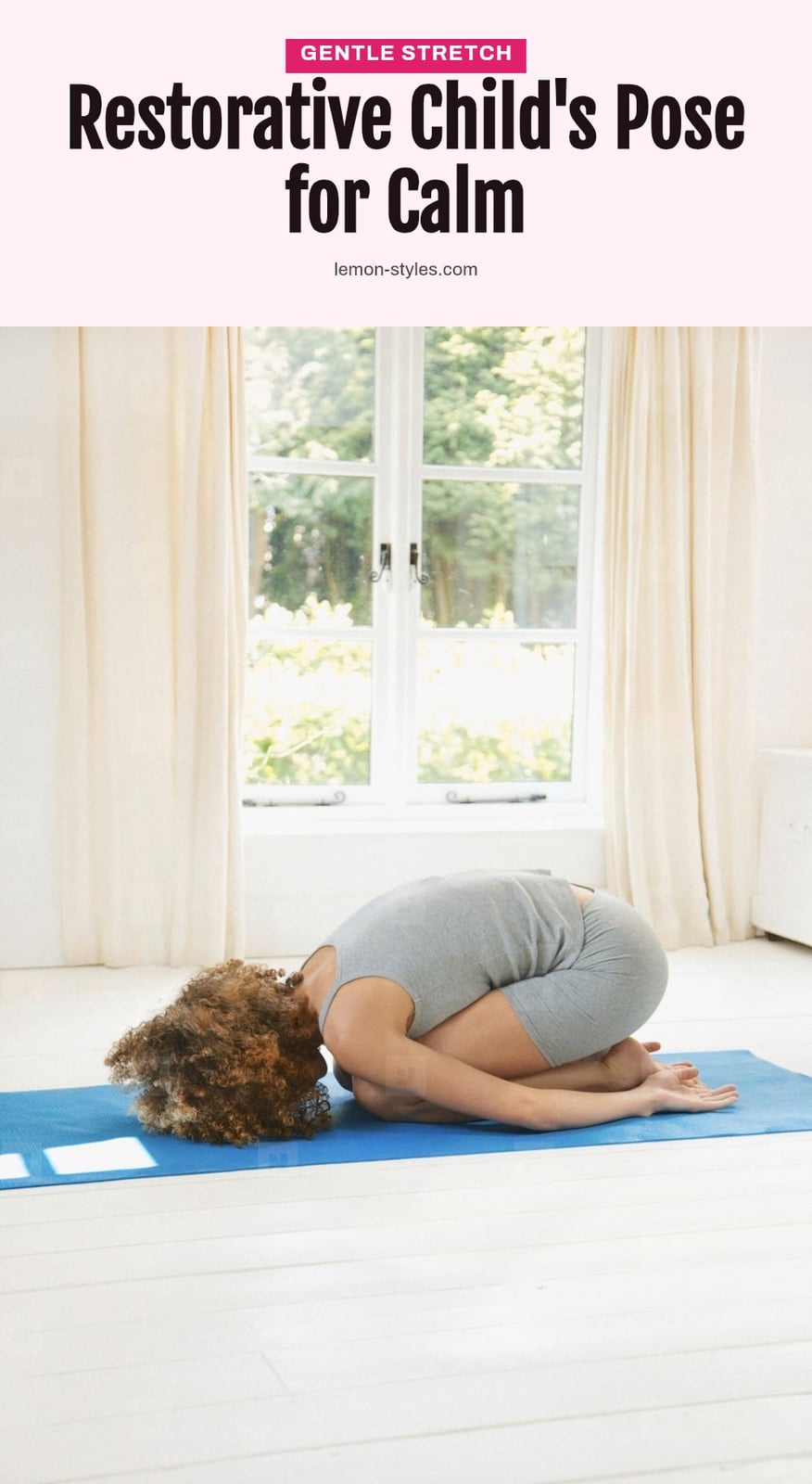
Kneel on your mat with your big toes touching and knees either wide or together. Sink your hips back toward your heels, then fold forward, resting your torso between or on your thighs. Extend your arms forward or rest them alongside your body.
- Time: Hold for 30 seconds to 1 minute, or longer as a resting pose.
- Form cue: Allow your forehead to rest on the mat or a block, releasing tension in your neck and back.
- Make it easier or harder: Place a blanket under your knees for extra cushioning, or widen your knees for a deeper stretch.
3. 2. Cat-Cow Pose (Marjaryasana-Bitilasana)
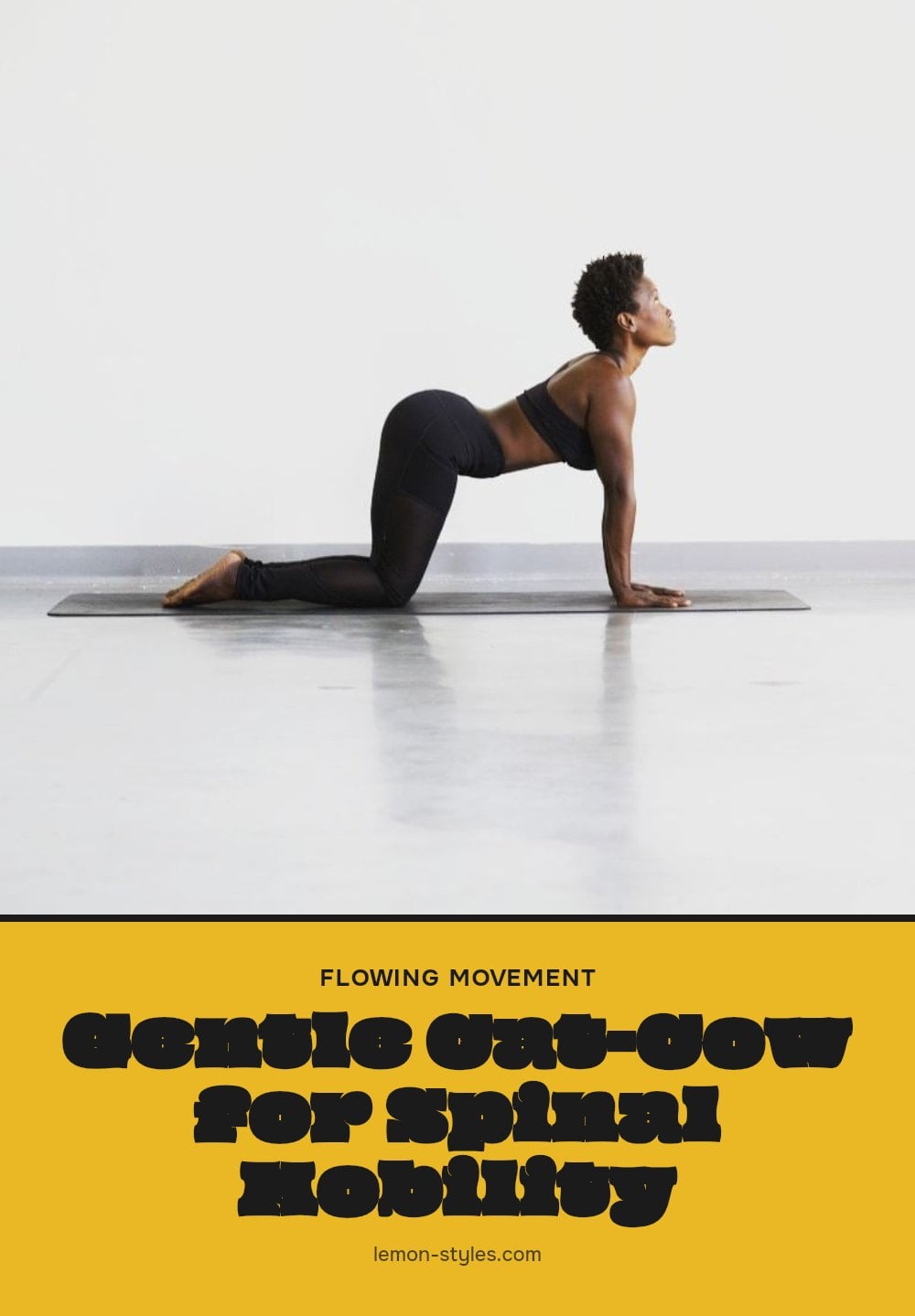
Start on all fours with your wrists under your shoulders and knees under your hips. Inhale, drop your belly, lift your chest and tailbone for Cow. Exhale, round your spine, tuck your chin to your chest for Cat.
- Sets and reps: Repeat 5-10 times, flowing with your breath.
- Form cue: Move slowly and mindfully, articulating each vertebra of your spine.
- Make it easier or harder: For less strain on your wrists, make fists and rest on your knuckles.
4. 3. Mountain Pose (Tadasana)
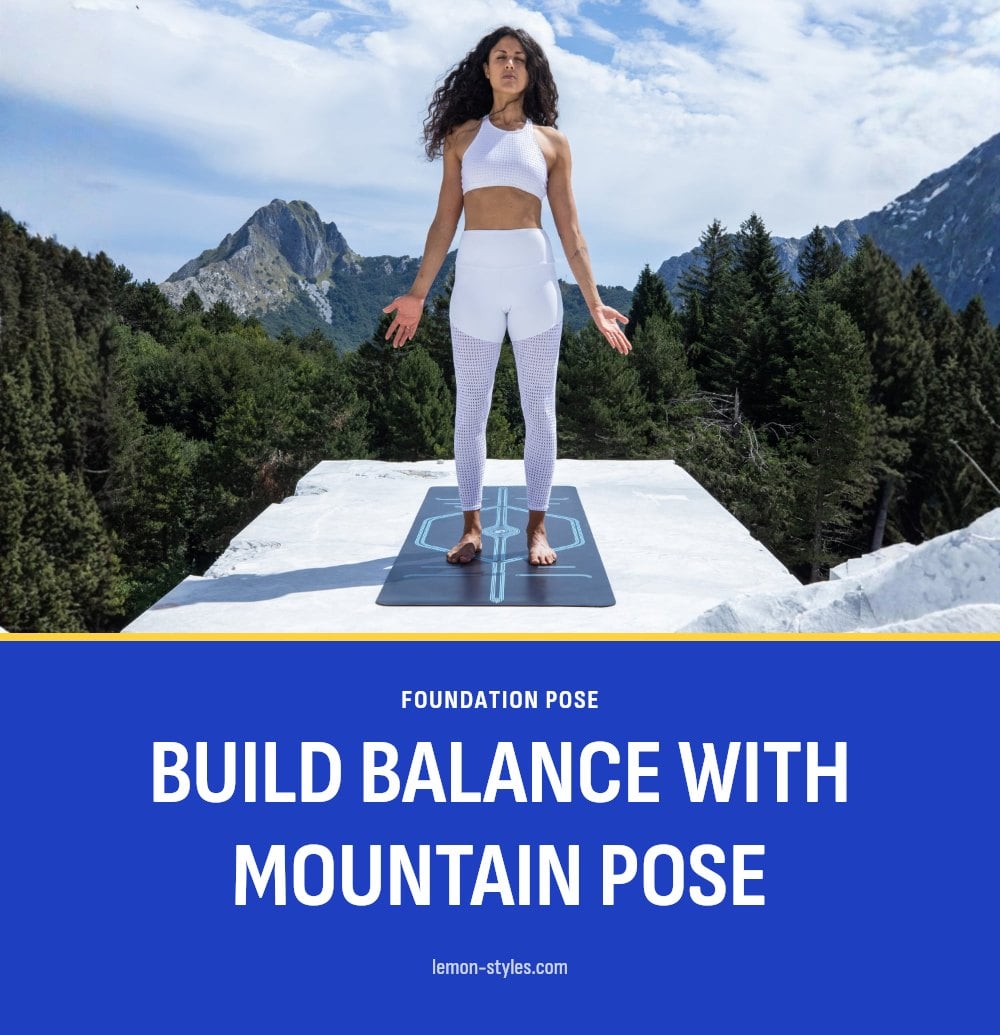
Stand tall with your feet hip-width apart or together, arms by your sides. Ground down through all four corners of your feet. Lengthen your spine, draw your shoulders back and down, and gently tuck your chin.
- Time: Hold for 30 seconds to 1 minute.
- Form cue: Engage your thigh muscles, lift your kneecaps, and feel a sense of lift from your arches through the crown of your head.
- Make it easier or harder: Place your feet together for a more challenging balance, or keep them hip-width for stability.
5. 4. Downward-Facing Dog (Adho Mukha Svanasana)
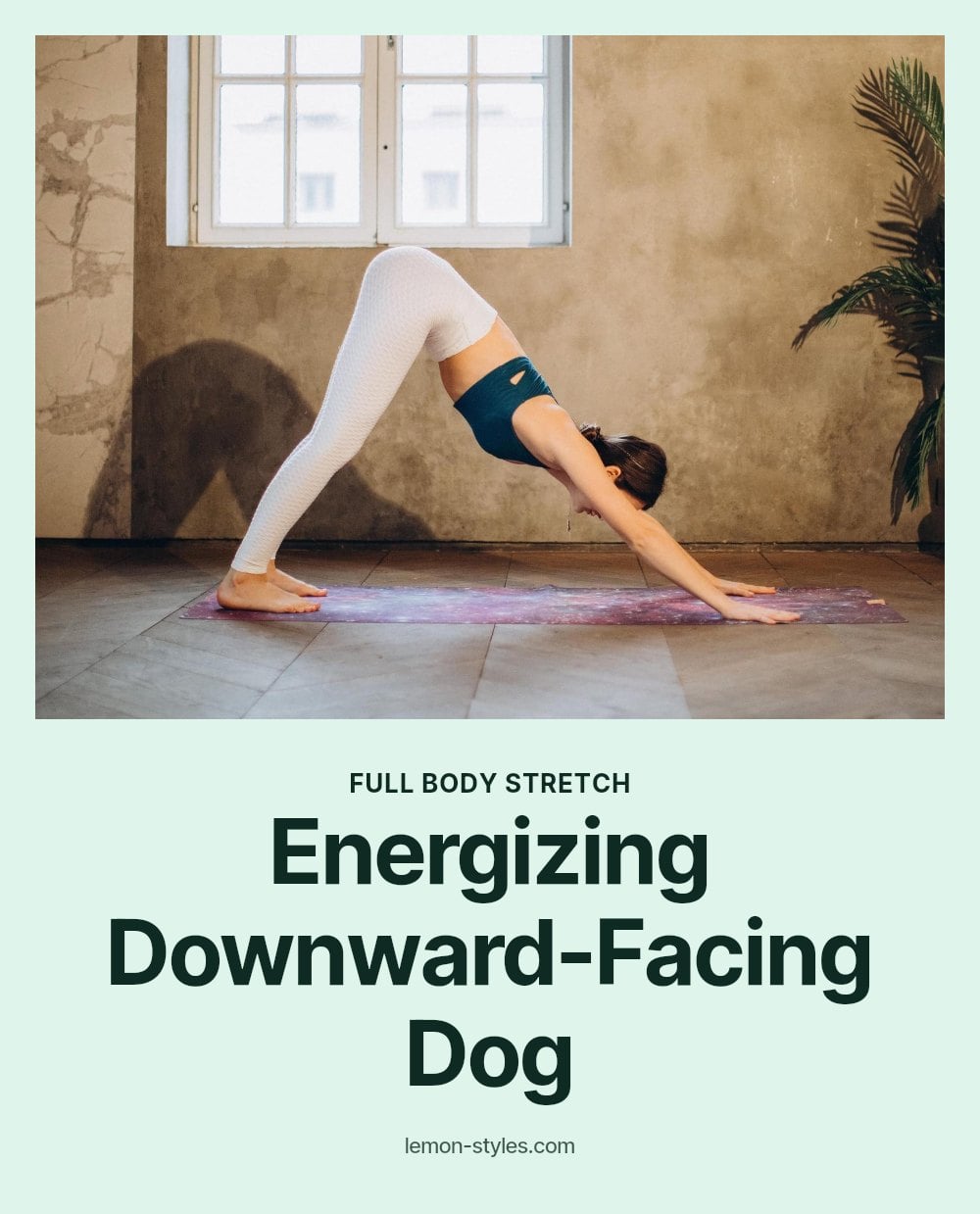
Start on all fours, then lift your hips up and back to form an inverted V-shape. Spread your fingers wide, press through your palms, and draw your heels toward the mat (they don’t have to touch). This full-body stretch strengthens your arms and legs while lengthening your spine.
- Time: Hold for 30 seconds to 1 minute.
- Form cue: Keep a slight bend in your knees if your hamstrings are tight, focusing on lengthening your spine.
- Make it easier: Bend your knees more or place your hands on blocks to reduce strain.
6. 5. Plank Pose (Phalakasana)
From Downward Dog, shift forward until your shoulders are directly over your wrists and your body forms a straight line from head to heels. Engage your core and glutes to hold the position. This pose builds core strength and full-body stability.
- Time: Hold for 15-30 seconds, gradually increasing as you get stronger.
- Form cue: Avoid letting your hips sag or lift too high; maintain a neutral spine.
- Make it easier: Drop to your knees, keeping your body in a straight line from shoulders to knees.
7. 6. Cobra Pose (Bhujangasana)
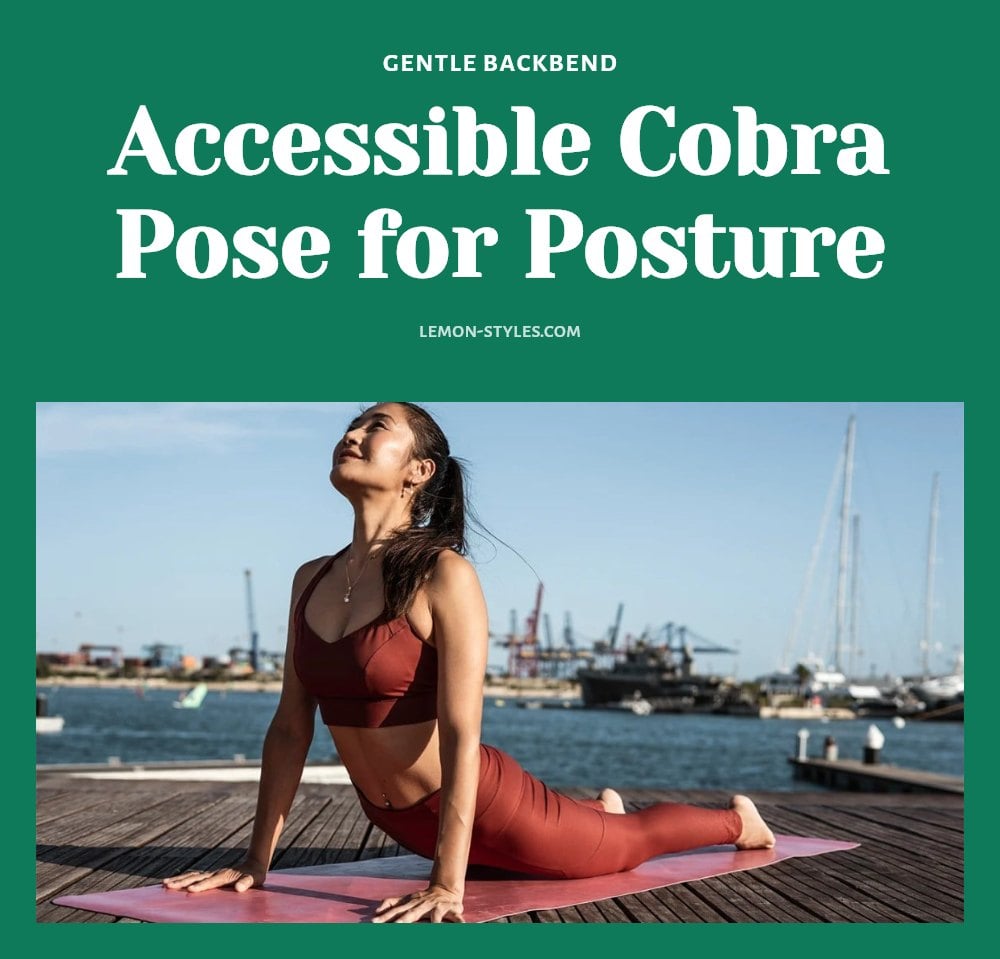
Lie on your stomach with the tops of your feet on the mat and hands under your shoulders. Press into your hands and the tops of your feet, gently lifting your chest off the mat while keeping your elbows close to your body. This pose strengthens your spine and stretches your chest and abdomen.
- Time: Hold for 15-30 seconds, then release.
- Form cue: Keep your gaze slightly forward or down to maintain a long neck, and avoid pushing up too high.
- Make it easier: Keep your elbows bent and only lift your chest a few inches.
8. 7. Warrior II (Virabhadrasana II)
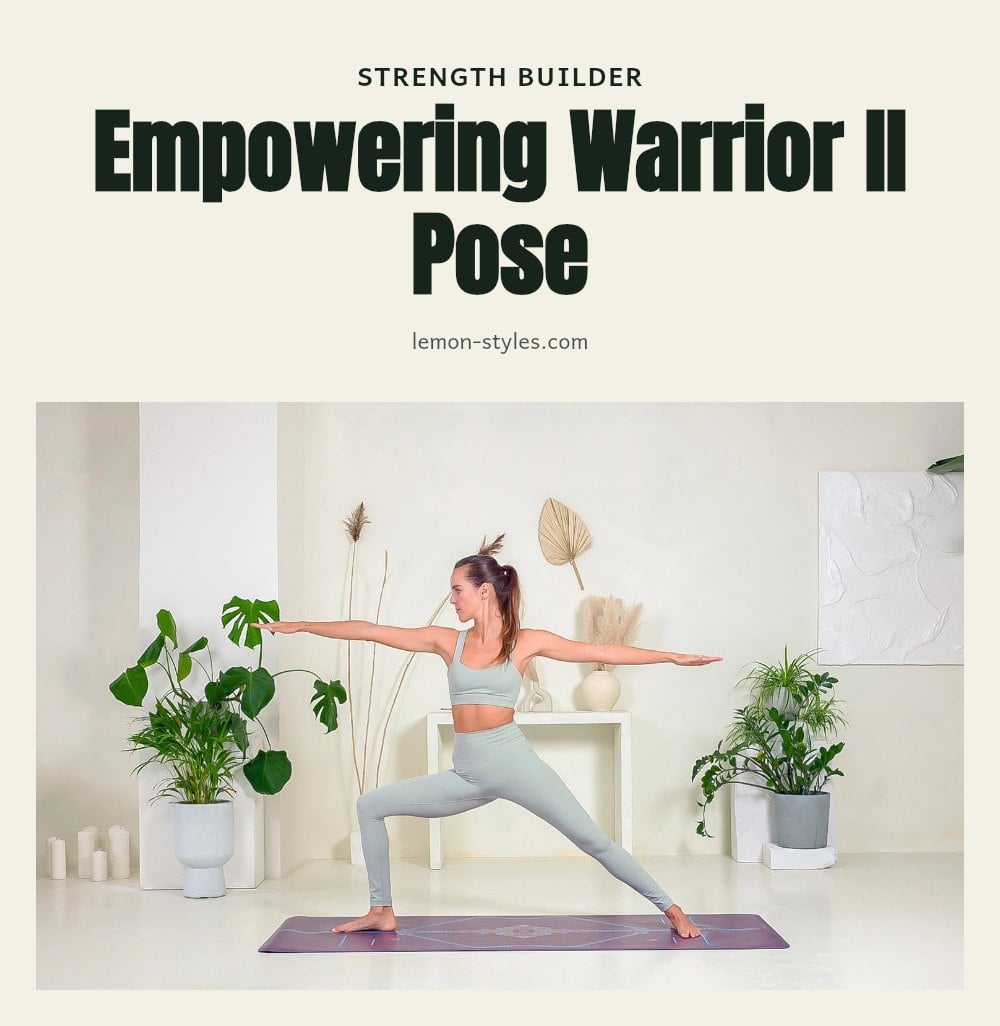
Step your feet wide apart, turn your right foot out 90 degrees and your left foot slightly in. Bend your right knee directly over your ankle, then extend your arms out to the sides parallel to the floor, gazing over your right fingertips. This pose strengthens your legs and core while opening your hips and chest.
- Time: Hold for 30 seconds to 1 minute on each side.
- Form cue: Keep your torso centered over your hips, avoiding leaning forward or back.
- Make it easier: Shorten your stance or place your back heel against a wall for support.
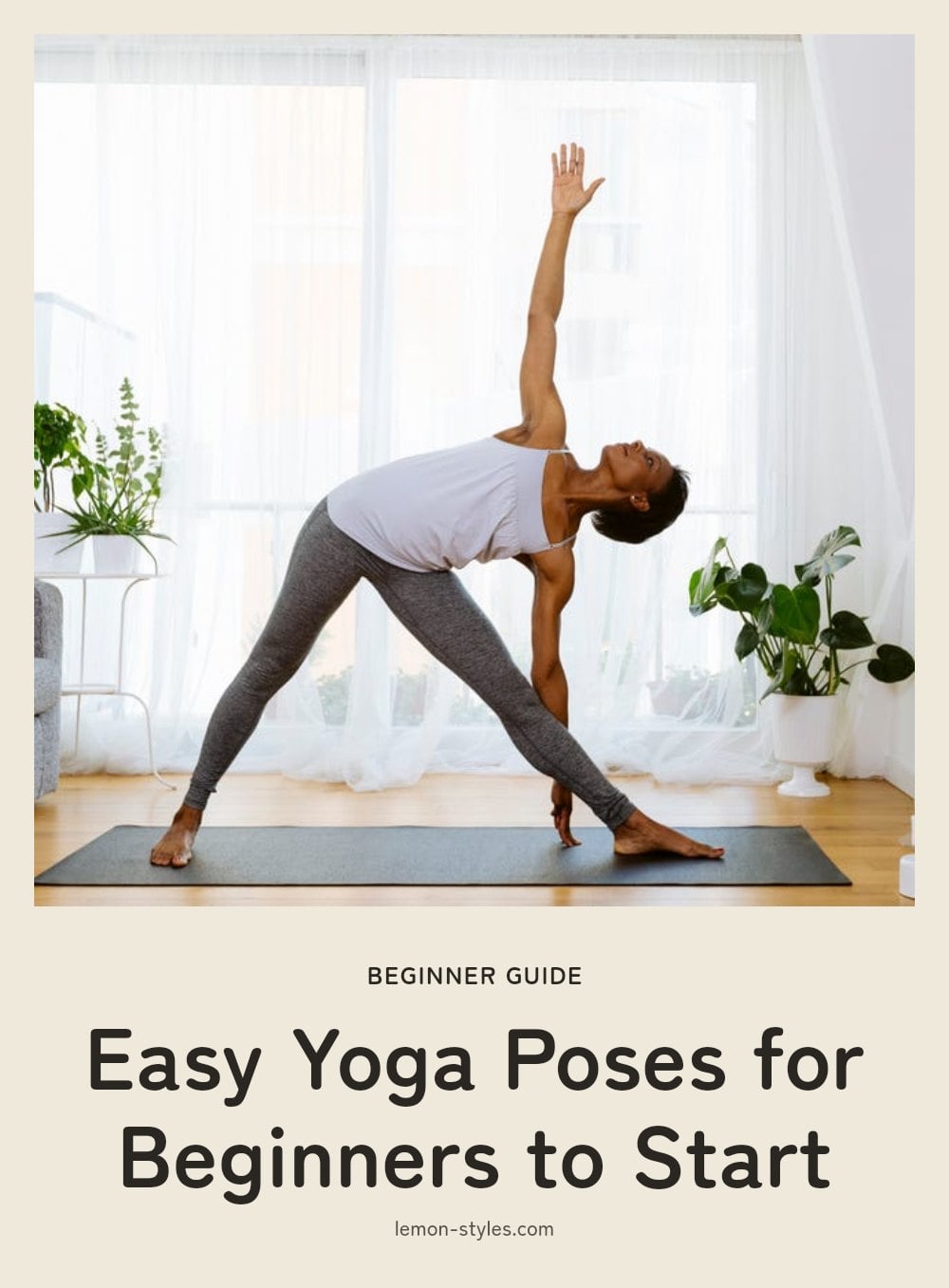
9. 8. Triangle Pose (Trikonasana)
From Warrior II, straighten your front leg and hinge at your front hip, reaching forward with your front arm. Bring your front hand to your shin, ankle, or a block, and extend your top arm toward the ceiling, gazing up or forward. This pose stretches the hips, hamstrings, and calves while strengthening the legs and improving balance.
- Time: Hold for 30 seconds to 1 minute on each side.
- Form cue: Imagine your body is between two panes of glass, keeping your chest open and spine long.
- Make it easier or harder: Use a block under your lower hand for support, or reach your top arm higher to deepen the stretch.
10. 9. Tree Pose (Vrksasana)
Stand in Mountain Pose, then shift your weight onto one foot. Place the sole of your other foot on your inner ankle, calf, or inner thigh, avoiding the knee. Bring your hands to prayer at your chest or extend them overhead. This pose improves balance and strengthens the thighs, calves, ankles, and spine.
- Time: Hold for 30 seconds to 1 minute on each side.
- Form cue: Find a focal point to help with balance, and engage your standing leg.
- Make it easier or harder: Keep your foot at your ankle for balance, or raise it to your inner thigh and extend your arms overhead.
11. 10. Chair Pose (Utkatasana)
Stand with feet hip-width apart or together, then bend your knees as if sitting in a chair, keeping your weight in your heels. Lift your arms overhead with biceps by your ears and engage your core. This pose strengthens the thighs, calves, and core.
- Time: Hold for 30 seconds to 1 minute.
- Form cue: Ensure you can still see your toes past your knees, and keep your spine long.
- Make it easier or harder: Lower your hips for a deeper squat, or keep your arms at chest height if overhead feels intense.
12. 11. Bridge Pose (Setu Bandhasana)
Lie on your back with knees bent, feet flat on the floor hip-width apart, and heels close to your glutes. Press into your feet and lift your hips toward the ceiling, interlacing your fingers beneath you or keeping arms by your sides. This pose strengthens the back, glutes, and hamstrings while stretching the chest, neck, and spine.
- Time: Hold for 30 seconds to 1 minute.
- Form cue: Keep your knees from splaying out and gently tuck your chin to lengthen the back of your neck.
- Make it easier or harder: Place a block under your hips for support, or lift one leg toward the ceiling for a challenge.
13. 12. Seated Forward Bend (Paschimottanasana)
Sit with your legs extended straight in front of you and your feet flexed. Inhale to lengthen your spine, then exhale as you hinge from your hips, folding forward over your legs. Reach for your shins, ankles, or feet.
- Time: Hold for 1-2 minutes.
- Form cue: Keep your spine long, even if it means bending your knees significantly. The stretch is in the hamstrings, not the lower back.
- Make it easier or harder: Use a strap around your feet if you can’t reach them, or place a folded blanket under your hips for a deeper fold.
14. 13. Reclined Spinal Twist (Supta Matsyendrasana)
Lie on your back and hug your knees to your chest. Extend your arms out to a T-shape, then drop both knees to one side while keeping your shoulders grounded. Gaze in the opposite direction of your knees.
- Time: Hold for 1-2 minutes on each side.
- Form cue: Allow gravity to gently deepen the twist, focusing on keeping both shoulders on the mat.
- Make it easier or harder: Place a block under your knees for support, or extend your bottom leg straight for a stronger stretch.
15. 14. Happy Baby Pose (Ananda Balasana)
Lie on your back and hug your knees to your chest. Open your knees wider than your torso, bringing them toward your armpits. Grab the outsides of your feet with your hands, bringing your shins perpendicular to the floor, then gently rock side to side.
- Time: Hold for 1-2 minutes.
- Form cue: Keep your tailbone grounded and your lower back flat on the mat.
- Make it easier or harder: Hold your calves instead of your feet if your hamstrings are tight, or press your feet into your hands for a deeper hip opening.
16. 15. Legs-Up-the-Wall Pose (Viparita Karani)
Sit with one hip against a wall, then swing your legs up the wall as you lie back. Your torso should be perpendicular to the wall with your legs resting straight up. Rest your arms by your sides or on your belly.
- Time: Hold for 5-10 minutes.
- Form cue: Place a folded blanket under your hips for comfort if needed, and allow your body to fully relax.
- Make it easier or harder: Move farther from the wall to reduce the stretch, or press your heels gently into the wall for more engagement.
17. Essential Tools for Your Beginner Yoga Practice
You don’t need much to start yoga, just a few basics that make poses safer and more comfortable. A yoga mat gives you cushioning and grip, so your hands and feet stay put on hard floors. Yoga blocks are my favorite beginner tool. They bring the floor closer, which helps in poses like Triangle or Seated Forward Bend when your hands can’t reach the ground yet.
A yoga strap assists with deepening stretches and reaching limbs, especially for tight hamstrings or shoulders. A blanket or towel adds extra padding under knees, hips, or shoulders in kneeling and lying poses.
Tip: Start with just a mat and a blanket. Add blocks and a strap as you progress and notice where you need support.
18. A Sample Weekly Yoga Schedule for Beginners
Consistency matters more than length. Practicing 20 to 30 minutes, three times a week, builds strength and flexibility faster than one long session. This schedule gives you a balanced mix of standing poses, floor work, and rest.
| Day | Focus | Suggested Poses |
|---|---|---|
| Day 1 | Warm-up and standing | Cat-Cow, Mountain, Warrior II, Triangle |
| Day 2 | Strength and balance | Plank, Chair, Tree, Bridge |
| Day 3 | Flexibility and relaxation | Child’s Pose, Seated Forward Bend, Reclined Spinal Twist, Legs-Up-the-Wall |
Listen to your body and adjust the intensity. If a day feels too hard, swap in more resting poses like Child’s Pose or Happy Baby. If it feels easy, hold poses longer or add a few extra repetitions.
Good to know: End every session with a few minutes of quiet rest, even if it’s just lying on your back with your eyes closed.
19. Frequently Asked Questions
How often should a beginner practice yoga?
Aim for 2-3 times a week, with each session lasting 20-30 minutes. This frequency builds strength and flexibility steadily without overwhelming your body. Consistency is more important than length, so even a short practice on a busy day counts.
What should I wear for my first yoga class?
Wear comfortable clothing that allows you to move freely and won’t bunch up when you bend or stretch. Avoid anything too loose that might get in your way. You don’t need special shoes; yoga is done barefoot or in grip socks.
Is it normal to feel sore after yoga?
Yes, mild muscle soreness is common, especially when you’re new or after holding poses for longer. It means your muscles are adapting. Sharp pain, however, is a sign to stop and modify the pose. If soreness persists or feels severe, give yourself a rest day.
Can yoga help with weight loss?
Yoga can support weight loss by building muscle, improving metabolism, and reducing stress, but it’s not a high-calorie-burning workout on its own. Combined with a balanced diet and other physical activity, it can be a helpful part of a weight management plan.
What is the best time of day to practice yoga?
The best time is whatever fits consistently into your schedule. Many people prefer morning for an energizing start, while others find evening practice helps them unwind. Avoid practicing right after a large meal; wait at least 2-3 hours after eating.
20. Final Thoughts
My biggest tip for a beginner is to pick just three or four poses from this list and practice them for a week before adding more. Consistency matters more than length, so aim for 20 to 30 minutes, three times a week. You’ll likely notice small improvements in flexibility and strength within a few weeks. The most important thing is to show up for yourself without judgment and let your practice evolve naturally.
This article provides general information about yoga poses and is not a substitute for professional medical advice or instruction. Always consult a doctor before starting a new exercise program, especially if you have pre-existing health conditions, injuries, or are pregnant. For persistent pain or concerns, seek guidance from a qualified yoga instructor or healthcare provider.